2026 Best Building Slab Design Tips for Global Buyers?

Time:2026-06-13 Author:Liam
0%

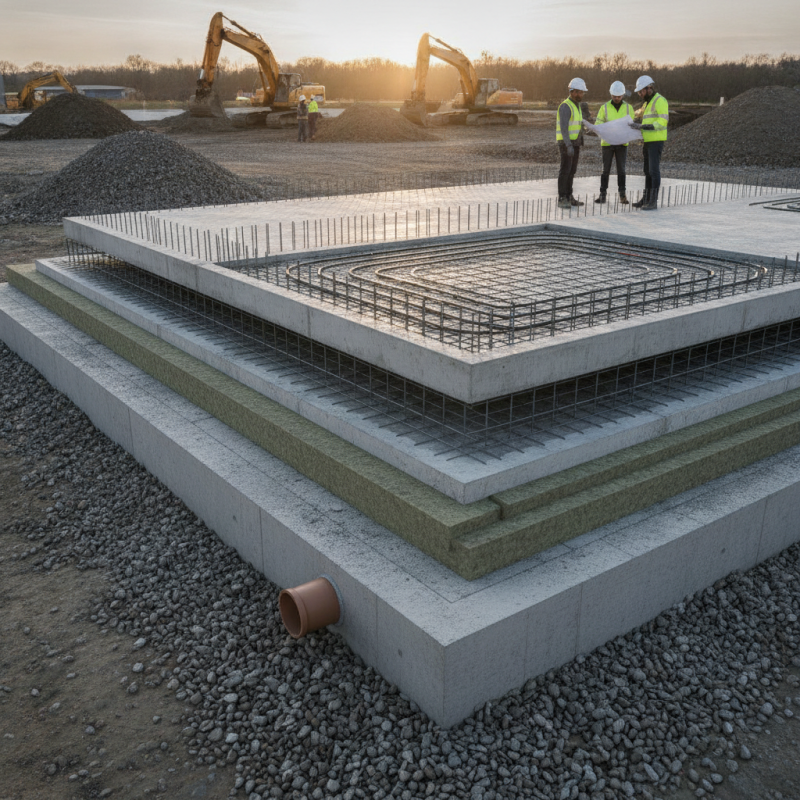
Building slab design is a crucial aspect of construction, influencing both stability and longevity. As industries evolve, so do design techniques. According to a recent market report by the International Concrete Institute, the global demand for innovative building slab design methods has surged by 30% in the past five years. This demand reflects a shift toward more sustainable and durable construction practices.

Expert in structural engineering, Dr. Emily Harris emphasizes the importance of understanding site conditions. She states, “Effective slab design starts with a thorough analysis of soil and environmental factors.” This insight highlights that even the most advanced designs can't compensate for poor site preparation.

Many builders still overlook critical factors in their designs. For instance, ignoring local climate variations can lead to costly repairs. Therefore, a well-thought-out building slab design is not just a technical requirement; it is essential for avoiding potential failures in the future.
2026 Best Building Slab Design Tips for Global Buyers?

Fundamentals of Building Slab Design for Global Buyers

When designing building slabs, understanding the fundamentals is crucial for global buyers. The slab's thickness typically ranges from 4 to 12 inches, based on structural requirements and load distribution. According to industry reports, using reinforced concrete can increase the slab's load-bearing capacity by 20% to 30%. This enhancement ensures durability, especially in regions prone to earthquakes or heavy snowfall.

The choice of materials greatly impacts slab performance. High-quality aggregates improve concrete strength. For instance, using limestone can increase compressive strength by 15%. Additionally, incorporating proper reinforcement techniques, such as steel rebar, is essential. Some studies indicate that well-placed reinforcement can reduce cracking by up to 40%.

Common challenges include improper curing and inadequate drainage. These factors can lead to premature deterioration. It’s important to reflect on the construction process and address any flaws. Regular inspections can prevent significant issues down the line. As global demands evolve, investing time in research and adaptability in design will be key.

2026 Best Building Slab Design Tips for Global Buyers

Tip Number Design Tip Key Considerations Benefits Applicable Regions
1 Optimize Material Selection Strength, durability, cost Increases slab longevity Global
2 Consider Local Climate Temperature fluctuations, moisture Enhances structural integrity Regions with extreme weather
3 Reinforcement Techniques Steel bars, mesh Resists cracking and bending All regions
4 Drainage Management Slope, drainage systems Prevents water damage Flood-prone areas
5 Sustainability Practices Eco-friendly materials Reduces environmental impact Global

Material Selection: Key Considerations for Efficient Slabs

When selecting materials for building slabs, various factors come into play. The choice should balance structural integrity and aesthetic appeal. Concrete is a common option, known for its durability. However, its weight can pose challenges in some designs. Lightweight alternatives, like engineered materials, can offer flexibility and strength.

Consider environmental impact as well. Sustainable materials are gaining traction. They reduce carbon footprints while maintaining performance. In regions prone to moisture, using water-resistant materials is crucial. This helps prevent structural degradation over time.

Tips for effective slab design include assessing local conditions. Understand soil types and local climate influences. Collaborate with engineers and architects. They can provide insights into material performance in specific environments. Test samples before committing to a full-scale project. Adjusting choices based on real-world feedback can be essential.

Structural Integrity: Importance of Engineering Calculations in Design

When it comes to building slab design, engineering calculations are crucial. These calculations ensure structural integrity. A well-designed slab can support the weight of the entire building. Engineers use various factors in their calculations, such as load-bearing capacity and soil types.

Accuracy in these calculations cannot be overlooked. A minor miscalculation can lead to significant issues down the line. For instance, a slab that isn’t adequately reinforced may crack or fail under pressure. This type of failure not only jeopardizes safety but also increases repair costs.

Attention to detail is essential. Each project presents unique challenges. Environmental conditions, building materials, and intended use play vital roles in the design process. Engineers must adapt their approach based on these variables. Reflecting on past projects can offer valuable insights. Adjustments based on lessons learned lead to better designs. The experience shapes expertise in the field, highlighting the importance of thorough engineering in slab design.

2026 Best Building Slab Design Tips for Global Buyers

Sustainability Practices: Eco-Friendly Options in Slab Construction

Sustainability practices are crucial in slab construction. Eco-friendly options can greatly reduce environmental impact. Using recycled materials is a great start. For example, incorporating reclaimed wood or recycled concrete can enhance durability while promoting sustainability.

When designing slabs, consider energy-efficient insulation. This can help maintain temperature and reduce heating costs. Green roofs can also be integrated with slab designs. They provide insulation and absorb rainwater, benefiting urban environments. Proper drainage systems are essential to prevent water damage.

Make sure to evaluate the lifecycle of materials. Sustainable choices may have higher upfront costs but can lead to long-term savings. Ensure all stakeholders understand the importance of eco-friendly designs. Striving for sustainability might require more research and reflection on traditional practices.

Cost Management: Budgeting for High-Quality Slab Design Options

When planning a building slab design, budgeting is crucial. High-quality materials can significantly impact the overall cost. Consider the longevity of the materials you choose. Investing in durable options may reduce long-term maintenance expenses.

Research material prices before making decisions. Get quotes from several suppliers. This can provide a clearer picture of your options. It's easy to overlook smaller costs that add up quickly. For instance, foundation preparation and reinforcement are vital but often underestimated.

Don't ignore local regulations and standards. Compliance helps avoid costly modifications later. Also, keep in mind that quality control during installation is essential. Poor workmanship can lead to issues that require expensive fixes. Balancing quality and cost is challenging but necessary for a successful project.

FAQS

: What is the typical thickness range for building slabs?

: Building slab thickness generally ranges from 4 to 12 inches. This depends on structural needs and load distribution.

How can reinforced concrete enhance slab performance?

Using reinforced concrete can boost the slab's load-bearing capacity by 20% to 30%. This is vital for durability.

What role do materials play in slab design?

High-quality aggregates significantly improve concrete strength. For example, limestone can enhance compressive strength by 15%.

Why is reinforcement important in slab construction?

Proper reinforcement techniques, like steel rebar, are critical. They can lower cracking risks by up to 40%.

What challenges should be considered in slab construction?

Common issues include improper curing and drainage. These can lead to early deterioration of the slab.

How can regular inspections benefit slab integrity?

Inspections can identify and address issues early. This can prevent significant long-term problems during the construction process.

Why is budgeting important for slab design?

High-quality materials can raise costs. However, they may lower long-term maintenance expenses, making budgeting essential.

What should be considered when researching materials?

Always compare prices from multiple suppliers. Small costs can add up, so evaluate all elements of the project.

What is a common oversight during slab installation?

Often, foundation preparation and reinforcement are underestimated. This can lead to costly mistakes later.

Why is compliance with local regulations necessary?

Adhering to regulations can prevent future costly modifications. It’s critical for a successful and smooth project.

Conclusion

The article "2026 Best Building Slab Design Tips for Global Buyers" provides essential insights into creating effective and efficient building slabs. It begins by covering the fundamentals of building slab design, emphasizing the significance of understanding local conditions and requirements for global buyers. Material selection is a critical aspect, with discussions around choosing durable and sustainable materials that fit budget constraints while ensuring structural integrity.

Moreover, the article highlights the necessity of precise engineering calculations to maintain the slab's structural integrity, ensuring safety and longevity. In light of growing environmental concerns, it also explores eco-friendly practices for slab construction that not only meet standards but promote sustainability. Finally, cost management strategies are addressed, offering guidance on budgeting for high-quality slab design options, thus equipping buyers with comprehensive knowledge to make informed decisions in their building projects.


Liam

Liam

Liam is a dedicated marketing professional with a profound expertise in the industry, where he excels at highlighting the unique advantages of our core products. With a keen understanding of market trends and consumer needs, Liam frequently updates our company’s professional blog, providing......