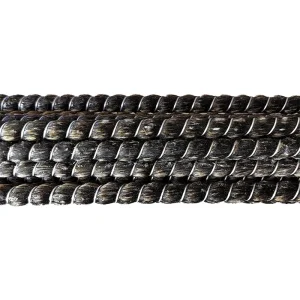
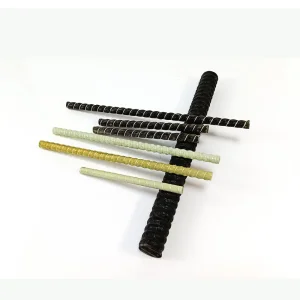
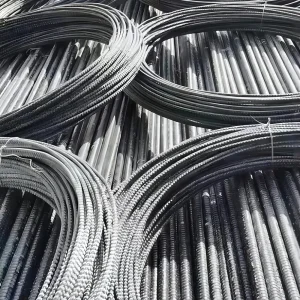
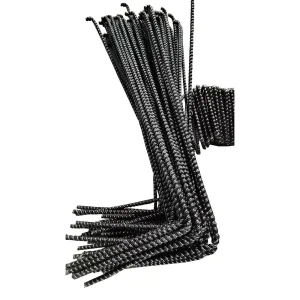
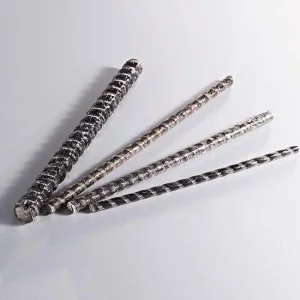
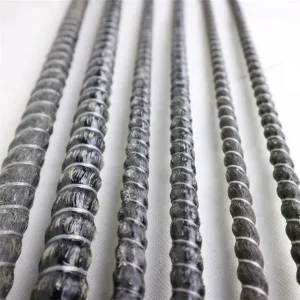
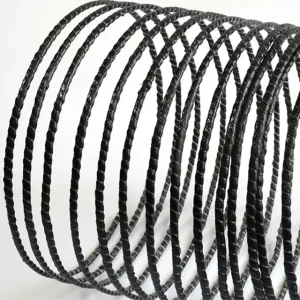
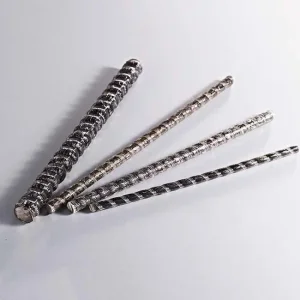
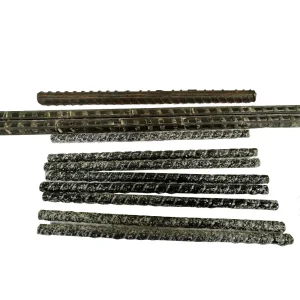
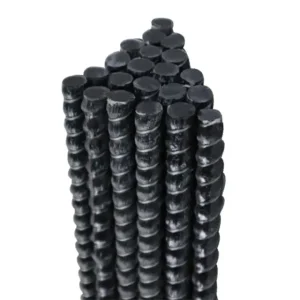
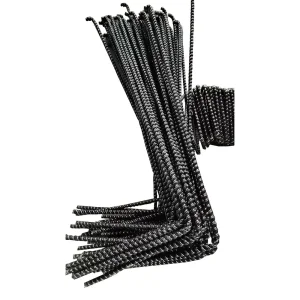
The global construction industry is undergoing a paradigm shift towards materials that offer both superior performance and a reduced carbon footprint. Basalt Fiber Reinforced Polymer (BFRP) Rebar has emerged as a frontline solution, addressing the inherent weaknesses of traditional carbon steel—namely corrosion and excessive weight.
Currently, the market for Basalt Rebar is expanding rapidly across North America, the EU, and Southeast Asia. As governments mandate stricter environmental regulations and "Green Building" certifications (like LEED), the demand for non-metallic, rust-proof reinforcement is no longer a niche requirement but a strategic industrial standard.
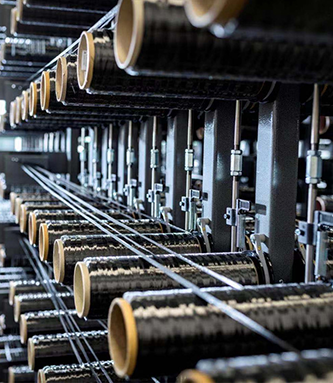
Founded in 2015 and located in Jiujiang, Jiangxi Province, China Beihai is a high-tech enterprise focusing on the research, development, production and sales of high-performance basalt continuous fiber. As a leading enterprise in the domestic basalt fiber industry, we offer a comprehensive technical ecosystem for composite materials.
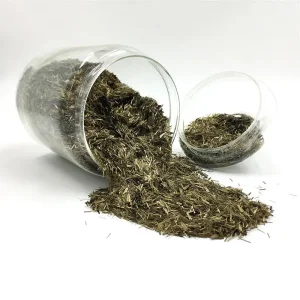
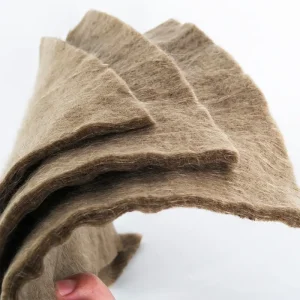
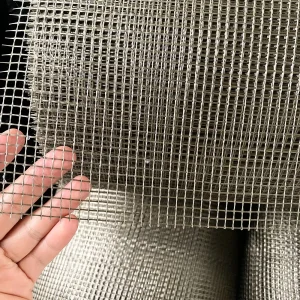
Basalt fiber mats, roving, yarn, chopped strands, and specialized rebar solutions.
Dedicated to geotechnical engineering and sustainable manufacturing solutions.
Our rebar utilizes a specialized epoxy resin matrix optimized for basalt compatibility. This ensures a 0.6+ bond coefficient with concrete, comparable to ribbed steel but without the volumetric expansion risks of rust.
We adhere to ASTM D7957 and ACI 440.1R guidelines. Each batch undergoes rigorous testing for tensile strength, transverse shear, and moisture absorption to ensure safety in critical load-bearing structures.
China Beihai is currently researching "Sensory Rebar"—embedding fiber-optic sensors within the basalt core to provide real-time structural health monitoring for bridges and skyscrapers.

Lightweight reinforcement for pre-cast panels and wall strengthening.

Thermal protection systems and lightweight structural components for aircraft.

Improving chemical resistance and crack prevention in harsh environments.

Shielding bridge piers from vehicular impact, fire, and saltwater corrosion.

Acid-resistant reinforcement for secondary containment areas and refinery slabs.
In the context of the global climate crisis, Basalt Fiber Rebar represents more than just a material choice; it is a macro-economic strategy. Traditional steel production is one of the highest CO2 emitting sectors. In contrast, the extraction of basalt rock and its conversion into fiber requires significantly less energy and involves zero harmful chemical leaching.
For municipal authorities, the "Total Cost of Ownership" (TCO) becomes the winning argument. While the initial procurement of BFRP may slightly exceed that of black steel, the elimination of cathodic protection systems and maintenance repairs makes it the most cost-effective choice over a 50-year horizon.
Industrial Transformation: We are seeing a shift where MRI rooms in hospitals and power transmission stations specifically demand non-conductive, non-magnetic basalt rebar to ensure the precision of sensitive electromagnetic equipment. This is a critical localization support requirement that China Beihai fulfills with bespoke engineering.
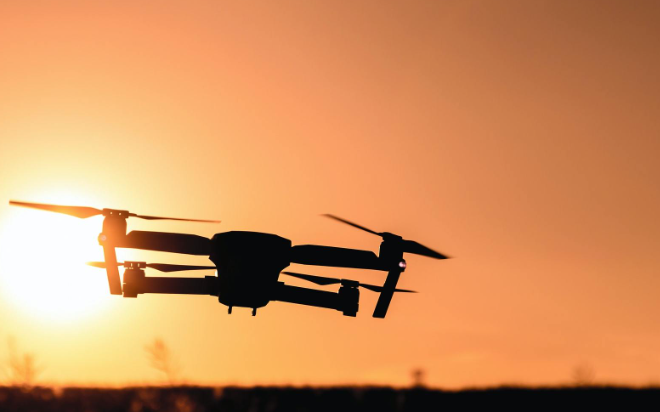
As drones and intelligent robots redefine industrial precision, the "hardcore support" of basalt fiber composites ensures these machines operate in extreme temperatures and high-stress environments. China Beihai is at the forefront of this revolution, providing the underlying material strength for tomorrow's technology.
READ FULL WHITE PAPER → Beihai Fiberglass