Choosing the right materials for a project is crucial. The debate of Basalt Fiber vs Steel is a common one among engineers. Both materials have unique properties that can make or break a project's success.
Basalt fiber offers lightweight strength, corrosion resistance, and thermal stability. It is also environmentally friendly, showing promise in many applications. On the other hand, steel is known for its durability and high tensile strength. It has been the go-to choice for construction for decades.
Yet, the decision between Basalt Fiber vs Steel isn't straightforward. Each material has its pros and cons. Budget constraints and project requirements can complicate the choice. Understanding the specific needs of your project is essential. It may lead to reconsidering the traditional preferences. The nuances in performance, cost, and environmental impact warrant deeper analysis. This exploration can help in making a well-informed decision.
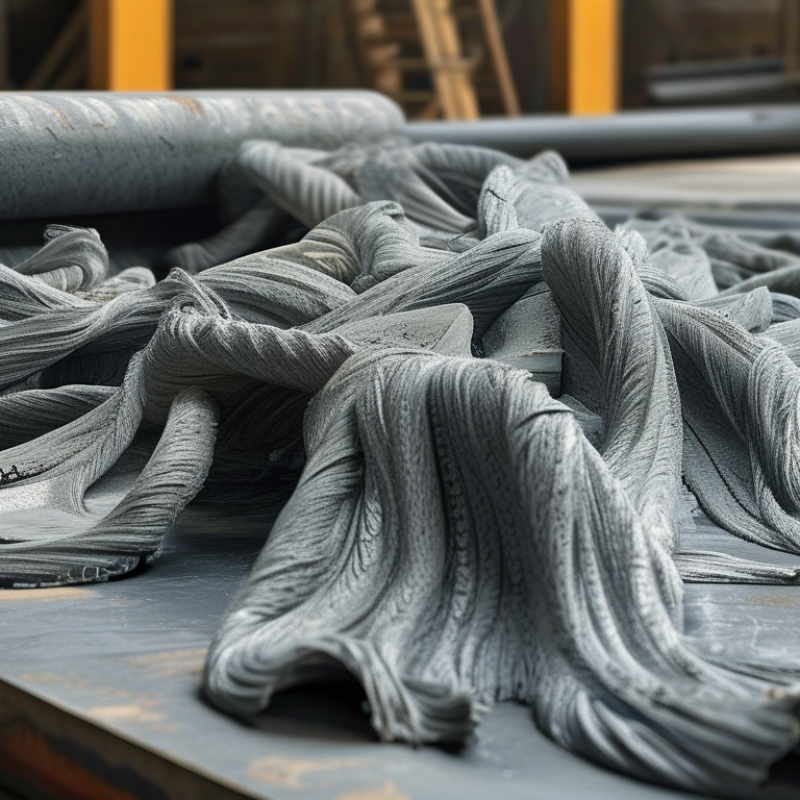
Understanding the Basics of Basalt Fiber and Steel Materials
Basalt fiber and steel are two materials used in construction and manufacturing. Each has its strengths and weaknesses, influencing project decisions. Basalt fiber, derived from volcanic rock, boasts significant tensile strength. Studies show it can be up to five times stronger than steel in certain applications. Its lightweight nature aids in reducing overall project weight, which is advantageous for structural designs.
Steel, on the other hand, is a time-tested material with unmatched durability. It allows for large spans and heavy loads. However, steel is susceptible to corrosion, which can lead to increased maintenance costs. According to a report from the American Concrete Institute, 40% of structural failures are due to inadequate materials. This highlights the importance of selecting the appropriate material for each project.
Environmental factors also play a critical role. Basalt fiber is more sustainable, with a lower carbon footprint during production. However, its higher cost can deter some projects. As construction methods evolve, engineers must weigh the attributes of both materials. Relying solely on traditional choices may limit innovative solutions. Balancing cost, durability, and environmental impact is essential for future projects.
Basalt Fiber vs Steel: Which Material is Better for Your Project?
| Material Property |
Basalt Fiber |
Steel |
| Density (g/cm³) |
2.6 - 2.8 |
7.85 |
| Tensile Strength (MPa) |
400 - 700 |
400 - 600 |
| Corrosion Resistance |
Excellent |
Poor without coatings |
| Temperature Resistance (°C) |
800 |
350 |
| Electrical Conductivity |
Insulator |
Good |
| Weight |
Lightweight |
Heavy |
| Flexural Strength (MPa) |
600 - 800 |
200 - 300 |
Comparative Properties of Basalt Fiber and Steel in Construction
When comparing basalt fiber and steel in construction, it’s essential to look at their properties. Basalt fiber, derived from volcanic rock, offers high tensile strength and lightweight advantages. It can withstand extreme temperatures, making it ideal for harsh environments. On the other hand, steel remains a well-known material with robust compression strength. It is durable and can handle heavy loads.
Cost-efficiency also plays a role in material choice. Basalt fiber is typically more expensive than steel upfront. However, its long-term benefits may justify the initial investment. It does not corrode easily, unlike steel, which requires protective coatings. This can reduce maintenance costs over time.
Each material has its weaknesses. Steel is heavier and less flexible, posing challenges during installation. Basalt fiber, while strong, may not perform well under direct heavy impacts. This leads to considerations about project demands and environment. Ultimately, the effectiveness of either material hinges on specific project requirements and conditions.
Applications and Suitability: When to Use Basalt Fiber or Steel
When deciding between basalt fiber and steel for construction projects, understanding their unique applications is essential. Basalt fiber, known for its high tensile strength and resistance to corrosion, is gaining traction in civil engineering. According to a report by the International Journal of Advanced Structural Engineering, basalt fiber reinforced polymer (BFRP) can outperform steel in certain environments. This is particularly true in areas prone to moisture, where steel is vulnerable to rust.
On the other hand, steel offers unmatched structural integrity, especially in load-bearing applications. The American Institute of Steel Construction reports that steel’s high yield strength makes it ideal for bridges and high-rise buildings. However, its weight can complicate logistics and increase costs. While both materials have distinct advantages, their suitability often depends on the specific project requirements.
Use basalt fiber for lightweight and corrosion-resistant applications, such as road repair or composite panels. Choose steel where structural strength is paramount, particularly in seismic areas. Each material has its limitations, and careful consideration is required to assess the long-term performance and sustainability of each option in varying climates and conditions.
Cost Analysis: Budget Considerations for Basalt Fiber vs Steel
When choosing between basalt fiber and steel, cost is a critical factor. Basalt fiber tends to have a higher initial cost than traditional steel. This can concern project managers on a tight budget. However, basalt fiber offers longevity and durability, which can lead to cost savings in the long run. Maintenance costs over time are usually lower for basalt fiber.
Steel is often more readily available, which can reduce lead times. Yet, its weight can also increase transportation costs. Consider the projects where each material excels. For projects requiring high tensile strength and resistance to corrosion, basalt fiber could be a smart investment.
Financial assessments should not only consider initial pricing. Evaluate the total lifecycle costs. Sometimes, higher upfront spending on materials like basalt fiber pays off through reduced maintenance and repair expenses later. Reflecting on these elements increases the reliability of your final decision. It's about balancing upfront costs with potential future savings.
Basalt Fiber vs Steel Cost Analysis
Durability and Environmental Impact of Basalt Fiber and Steel Materials
When comparing basalt fiber and steel, durability is a key factor. Basalt fiber boasts impressive resistance to corrosion. This makes it suitable for harsh environments. It does not rust or degrade over time, which can save costs on maintenance.
Steel, while strong, can be vulnerable to rust. Proper treatment and protective coatings are essential to maintain its longevity.
In terms of environmental impact, basalt fiber stands out. It is made from natural volcanic rock. This makes it a more sustainable choice than steel. The production process for steel often generates significant carbon emissions. In contrast, basalt fiber has a lower environmental footprint.
However, awareness is needed here. Not all basalt sources are sustainable, and over-extraction can harm ecosystems.
Both materials have strengths and weaknesses. It's essential to evaluate your project's specific needs. Relying solely on the perceived benefits might overlook critical details.
Balancing durability, environmental considerations, and cost will lead to a better decision for your project.
FAQS
: Basalt fiber is lightweight and has high tensile strength. It withstands extreme temperatures and resists corrosion.
Steel is known for its robust compression strength. However, it is heavier and less flexible than basalt fiber.
Yes, basalt fiber usually has a higher initial cost. But, it may offer long-term savings through lower maintenance costs.
Basalt fiber requires less maintenance due to its corrosion resistance. Steel needs protective coatings, increasing long-term expenses.
Basalt fiber is ideal for projects needing high tensile strength and corrosion resistance. It's effective in harsh environments.
Yes, basalt fiber might struggle under direct heavy impacts. It's important to assess project demands before selecting it.
Evaluate not just initial pricing, but also the total lifecycle costs and long-term savings for maintenance and repairs.
Yes, steel's weight can increase transportation costs, while basalt fiber might have lower transportation expenses due to its lighter nature.
Steel is often more readily available than basalt fiber, which can reduce lead times for projects.
Absolutely, considering both immediate costs and future potential savings is crucial for informed decision-making.
Conclusion
In the discussion of "Basalt Fiber Vs Steel," it is essential to understand the fundamental properties of both materials in construction. Basalt fiber, known for its lightweight and corrosion-resistant characteristics, offers advantages in specific applications where reduced weight is crucial. On the other hand, steel remains a traditional choice due to its immense strength and durability, making it ideal for structural applications.
When evaluating their suitability, it is critical to consider each material's cost implications and environmental impact. Basalt fiber may initially appear more expensive, but its longevity and lower maintenance can offset costs over time. Additionally, both materials present different durability aspects, with basalt fiber emitting fewer harmful substances during its lifecycle compared to steel. Ultimately, the decision between basalt fiber and steel should be based on the project requirements, budget, and sustainability considerations.

 Beihai Fiberglass