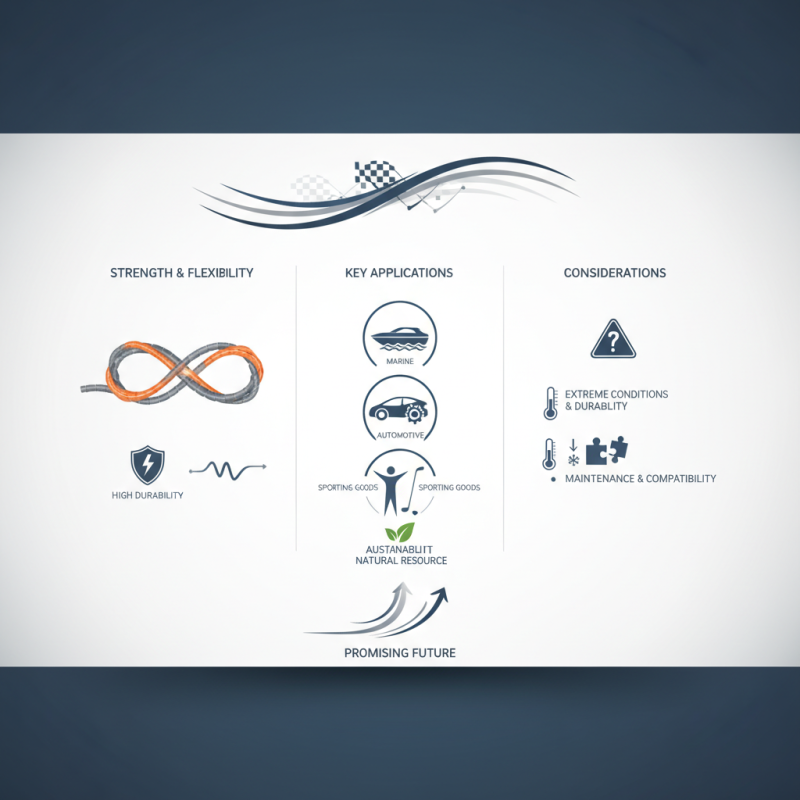
In recent years, Basalt Innegra Cloth has gained significant popularity. This unique material blends basalt fibers and Innegra technology, providing an exceptional combination of strength and flexibility. Many industries are turning to this innovative cloth for both its performance and aesthetic appeal.
Basalt fibers are known for their high durability and thermal resistance. When paired with Innegra's lightweight properties, the cloth becomes an ideal choice for applications in marine, automotive, and sporting goods. Customers appreciate the sustainability aspect too, as basalt is an abundant natural resource.
However, not all users are fully aware of maintenance and compatibility issues. There are concerns regarding the long-term durability under extreme conditions. Understanding these aspects is crucial, especially for manufacturers seeking reliable materials. Overall, Basalt Innegra Cloth stands out as a promising option for various applications in 2026 and beyond.
What is Basalt Innegra Cloth and Its Composition in 2026?
Basalt Innegra cloth is a remarkable material that has gained attention in 2026. This fabric is made from a combination of basalt fibers and Innegra fibers. Basalt fibers come from volcanic rock, providing excellent heat resistance and durability. Innegra, on the other hand, is a composite fiber known for its high strength-to-weight ratio. Together, they create a structured cloth that is both lightweight and incredibly durable.
The unique composition of Basalt Innegra cloth makes it suitable for various applications. It is often used in industries ranging from automotive to marine. The cloth can withstand harsh environments while maintaining flexibility. This feature is essential for products like boat hulls or protective gear. Additionally, the cloth's performance in high-temperature conditions is valuable for many professionals.
There remains room for improvement in production methods. The manufacturing process can be energy-intensive, requiring reevaluation for sustainable practices. As demand grows, less efficient techniques may hinder long-term viability. Exploring cost-effective ways to produce this cloth without compromising its quality is essential. Innovative solutions are necessary for achieving sustainability while meeting market demands.
Key Properties of Basalt Innegra Cloth in Performance Applications
Basalt Innegra cloth is gaining traction, especially in performance applications. Its unique composite features provide exceptional strength and durability. Made from basalt fibers blended with Innegra, this cloth achieves superior impact resistance. This combination is crucial for industries needing robust materials.
The lightweight nature of Basalt Innegra makes it an attractive option for various sectors. It offers excellent thermal resistance and chemical stability. These properties enhance its usability in environments with extreme conditions. Surprisingly, some users have noted a need for specialized handling during the production phase.
Tips: When working with Basalt Innegra, consider taking safety precautions. Proper gear can mitigate any potential risks during processing. Furthermore, perform routine checks on your final products. This ensures the qualities you expect remain intact over time.
Market Growth and Demand Statistics for Basalt Innegra Cloth in 2026
The demand for Basalt Innegra cloth is projected to grow significantly in 2026. According to industry reports, this innovative fabric combines basalt fibers with Innegra technology. This combination results in a lightweight, strong, and durable material that has been embraced across various sectors, including automotive and marine. The market for basalt-based products is expected to reach $1.2 billion by 2026, driven by its superior moisture resistance and thermal stability.
Statistical analyses indicate a compound annual growth rate (CAGR) of 7% for basalt Innegra cloth from 2023 to 2026. Reports show that manufacturers are increasingly incorporating this fabric into composite materials. In the automotive industry, it is used to enhance fuel efficiency and safety features. In marine applications, its resistance to water and UV rays makes it ideal for developing long-lasting components.
Yet, despite its advantages, challenges remain. The production process can be costly and requires specialized equipment. There may be limitations in scalability, affecting supply chains. Ensuring quality control across different manufacturers is another area needing attention. The growing popularity of basalt Innegra cloth highlights both the potential benefits and the obstacles that must be addressed for widespread adoption.
Comparative Analysis: Basalt Innegra Cloth vs. Traditional Materials
Basalt Innegra cloth has gained traction for its unique properties, setting it apart from traditional materials. This innovative material combines basalt fibers, known for high temperature resistance, with Innegra fibers, which add strength and impact resistance. The result is a lightweight, durable fabric that is easy to work with. Designers and manufacturers are increasingly leaning toward this option for its versatility and performance.
Comparatively, traditional materials like cotton or polyester lack the thermal resistance and strength of Basalt Innegra. Cotton may be comfortable, but it cannot withstand extreme conditions. Polyester offers some durability, but it often fails in high-heat applications. In contrast, Basalt Innegra cloth provides a balance of comfort and performance in demanding environments, making it appealing for various uses.
Tip: When considering materials for high-performance applications, weigh both thermal stability and tensile strength. Explore how each material behaves under stress. Look for feedback from those who have tested these fabrics. Understanding real-world performance can guide your decision.
Comparative Analysis of Basalt Innegra Cloth vs. Traditional Materials in 2026
Main Industries Utilizing Basalt Innegra Cloth in 2026
Basalt Innegra cloth is gaining traction in various industries in 2026 due to its unique properties. This material combines basalt fibers with Innegra fibers, resulting in a composite that is strong yet lightweight. As reported by the Composites Market Report, the demand for sustainable materials in manufacturing grew by 35% this year. This shift reflects an increasing priority for eco-friendly production processes.
The automotive sector is a major adopter of basalt Innegra cloth. Automakers are increasingly focusing on lightweight materials to enhance fuel efficiency. According to industry analyses, vehicles using basalt composites can be up to 20% lighter. This reduction in weight contributes to lower emissions, aligning with global environmental goals. The marine industry is also utilizing this cloth for boat hulls and other components, emphasizing its resistance to water and chemicals.
However, as with any emerging material, challenges exist. The scalability of production is still in question. Some manufacturers report inconsistent quality in the fibers. This inconsistency may limit broader adoption. Continuous research is necessary to address these concerns.
FAQS
: It combines basalt fibers with Innegra technology, creating a lightweight and durable fabric.
Its unique properties, like moisture resistance and thermal stability, are appealing across various industries.
It is used mainly in automotive and marine sectors for its strength and safety features.
The market is expected to reach $1.2 billion by 2026, driven by its multiple applications.
High costs, need for specialized equipment, and quality control issues remain significant challenges.
It offers better thermal resistance and strength than materials like cotton and polyester.
Consider thermal stability, tensile strength, and real-world performance feedback from users.
Yes, its lightweight nature and durability make it versatile for designers and manufacturers.
Yes, scalability can affect supply chains and overall availability of Basalt Innegra cloth.
They should focus on enhancing quality control across different production sources.
Conclusion
Basalt Innegra Cloth is gaining popularity in 2026 due to its unique composition, which combines basalt fibers known for their high strength and thermal resistance with Innegra fibers that offer superior impact resistance and lightweight properties. This innovative material is increasingly favored in performance applications, where durability and efficiency are paramount. Key properties such as excellent tensile strength, corrosion resistance, and low weight make Basalt Innegra Cloth an ideal choice for industries that prioritize material performance.
The demand for Basalt Innegra Cloth is showing significant growth in 2026, driven by its application in various sectors including aerospace, automotive, and marine industries. A comparative analysis reveals its advantages over traditional materials, highlighting improved performance and sustainability. As industries continue to adopt this hybrid fabric, it is poised to redefine standards in material science and engineering.

 Beihai Fiberglass