Basalt Fibre Elements are gaining attention in various industries due to their unique properties. According to a report by the Global Fibers Association, the demand for basalt fibers is projected to grow by 15% annually. This is largely attributed to their high tensile strength and thermal resistance, making them ideal for construction and automotive applications.
Dr. Emily Carter, a leading expert in composite materials, stated, “The strength-to-weight ratio of Basalt Fibre Elements outperforms many traditional materials.” This statement underlines the significant advantages these fibers offer to manufacturers and buyers alike.
Despite the benefits, some buyers remain cautious. The initial cost of acquisition can be higher than conventional fibers. However, the long-term durability and low maintenance of Basalt Fibre Elements often offset these initial costs. As more industries recognize these advantages, the market for basalt fibers will likely expand further.
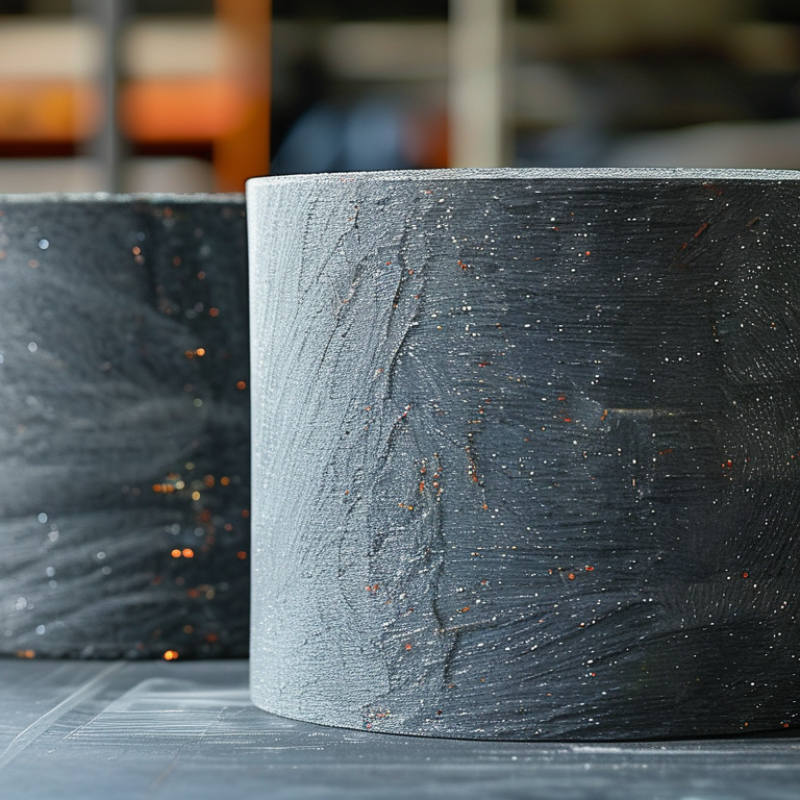
Basalt fiber elements offer unique properties that appeal to many buyers. Derived from volcanic rock, basalt fibers are strong, lightweight, and resistant to harsh environmental conditions. This makes them an excellent choice for various applications in construction, automotive, and aerospace industries. Their high tensile strength and thermal stability are remarkable. When compared to traditional materials, basalt fibers stand out for their durability. They also have low thermal conductivity, making them suitable for thermal insulation.
The manufacturing process of basalt fiber is eco-friendly, which attracts environmentally conscious buyers. It requires less energy than fiberglass and has a minimal carbon footprint. However, the availability of raw basalt materials can be inconsistent, affecting production cycles. Buyers need to consider these challenges when evaluating basalt fiber products. Despite these potential drawbacks, the benefits of using sustainable and resilient materials are significant.
In terms of cost, basalt fiber elements can be pricier than conventional fibers, yet their longevity often justifies the investment. Users must weigh initial costs against long-term performance. While these materials offer many advantages, there are still questions about widespread adoption in certain sectors. Understanding both the strengths and limitations of basalt fibers will empower buyers to make informed decisions in their projects.
Basalt fibre elements are gaining attention in construction and manufacturing. They offer unique advantages over traditional materials. Basalt fibre is derived from volcanic rock, making it an eco-friendly option. Its high tensile strength adds durability to structures, which can lead to lower maintenance costs over time.
Using basalt fibre in concrete can improve resistance to water, chemicals, and extreme temperatures. This makes it an excellent choice for infrastructure in harsh environments. In manufacturing, basalt fibre's lightweight nature can enhance product efficiency. However, the initial costs may be higher compared to conventional materials. Buyers need to weigh the long-term benefits against upfront expenses.
When considering basalt fibre, it’s essential to evaluate your project requirements. Look into the specific benefits for your use case. Conducting tests for compatibility with existing materials can lead to better outcomes. If unsure, consulting with experts in the field can provide valuable insights. Lastly, keep in mind that not every application will benefit equally from basalt fibre. Think critically before making a decision.
Basalt fibre has been gaining attention in various industries due to its unique properties. For buyers considering investment, the economic benefits of basalt fibre products stand out. These products offer high performance at a reasonable cost. They boast excellent durability and resistance to environmental factors. This leads to lower maintenance costs over time.
Investing in basalt fibre is not just about immediate savings. The longevity of these products means that buyers will reap benefits in the long run. For instance, using basalt fibre in construction projects can reduce replacement rates. Its lightweight nature simplifies transportation and handling, which can lead to savings during shipping.
Many buyers still hesitate. This could stem from limited knowledge about basalt fibre’s applications. Educating oneself on its versatility is essential. While the initial investment might seem high, the sustainability and efficiency gained over time outweigh these concerns. It is crucial to weigh long-term benefits against short-term costs for a well-informed decision.
Basalt fibre materials are gaining attention for their remarkable environmental impact. Originating from volcanic rock, basalt fibres are produced through a sustainable process. Unlike synthetic fibres, the energy required for production is significantly lower. Reports indicate that producing basalt fibre consumes up to 80% less energy compared to carbon fibres, making it a compelling choice for environmentally conscious buyers.
The sustainability of basalt fibres extends beyond production. These materials are inherently durable and resistant to corrosion. As noted in several studies, basalt fibres can last over 100 years in various applications. This longevity reduces the need for frequent replacements. Consequently, using basalt fibres can lead to less waste and lower emissions over time. It's essential to consider the entire lifecycle of building materials. Sustainable choices significantly contribute to reducing environmental footprints.
When selecting materials, buyers should explore the environmental benefits of basalt fibres. These materials are recyclable, further supporting sustainability goals. Incorporating basalt fibres into projects can make a significant difference. Reflecting on these choices is crucial. Are we prioritizing materials that support a healthier planet? The answers could dictate the future of construction and manufacturing.
When comparing basalt fibre to other materials, its unique properties shine. Basalt fibre, derived from volcanic rock, exhibits remarkable thermal stability. It withstands temperatures exceeding 800°C, unlike glass fibres, which degrade around 550°C. This quality makes basalt ideal for applications in aerospace and automotive industries, where heat resistance is critical.
In terms of mechanical properties, basalt fibre demonstrates higher tensile strength compared to traditional glass fibres. Reports indicate that basalt fibre boasts a tensile strength of up to 600 MPa, while glass fibre averages around 300 MPa. This elevated strength enables engineers to design lighter, more durable structures without compromising safety. Furthermore, the low density of basalt fibre contributes to weight reduction, enhancing fuel efficiency in transportation applications.
The environmental impact of basalt fibre is another advantage. Unlike synthetic fibres, basalt fibre is non-toxic and eco-friendly. It is produced at a lower energy cost, with a reported 30% reduction compared to glass fibre production. However, challenges remain. The availability of raw basalt is geographically limited, which can affect supply chains. Buyers must consider these factors when exploring basalt fibre as a viable alternative.
: Basalt fiber is strong, lightweight, and resistant to harsh conditions. It excels in construction and automotive applications.
The manufacturing process uses less energy than traditional fibers, lowering its carbon footprint.
While initially pricier than conventional fibers, their durability can justify the investment over time.
Availability of raw basalt can be inconsistent, potentially affecting production cycles.
Basalt fibers improve resistance to water, chemicals, and extreme temperatures, making them suitable for tough applications.
Yes, conducting tests with existing materials enhances project outcomes. Seek expert advice if uncertain.
Basalt fibers last over 100 years and reduce waste, helping to minimize environmental footprints.
Yes, these materials are recyclable, supporting sustainability efforts in construction and manufacturing.
Not every application benefits equally. Critical evaluation of use cases is necessary for effective decision-making.
Basalt fibers are resistant to corrosion and can last significantly longer than traditional materials.
Basalt Fibre Elements are innovative materials that offer numerous advantages in construction and manufacturing industries. Their exceptional properties, including high tensile strength, resistance to chemical corrosion, and thermal stability, make them a viable alternative to traditional materials. This article highlights the economic benefits for buyers investing in basalt fibre products, emphasizing durability and long-term cost-effectiveness.
Moreover, the environmental impact and sustainability of Basalt Fibre Elements are significant, as they are derived from natural volcanic rock, leading to a reduced ecological footprint compared to synthetic fibres. When compared to other fibre materials, basalt fibre demonstrates superior performance in various applications, cementing its position as a preferred choice for environmentally conscious buyers seeking both functionality and sustainability in their projects.

Beihai Fiberglass