7 Best Durable Basalt Roving Manufacturers for Global Buyers

Time:2026-10-11 Author:Aria
0%

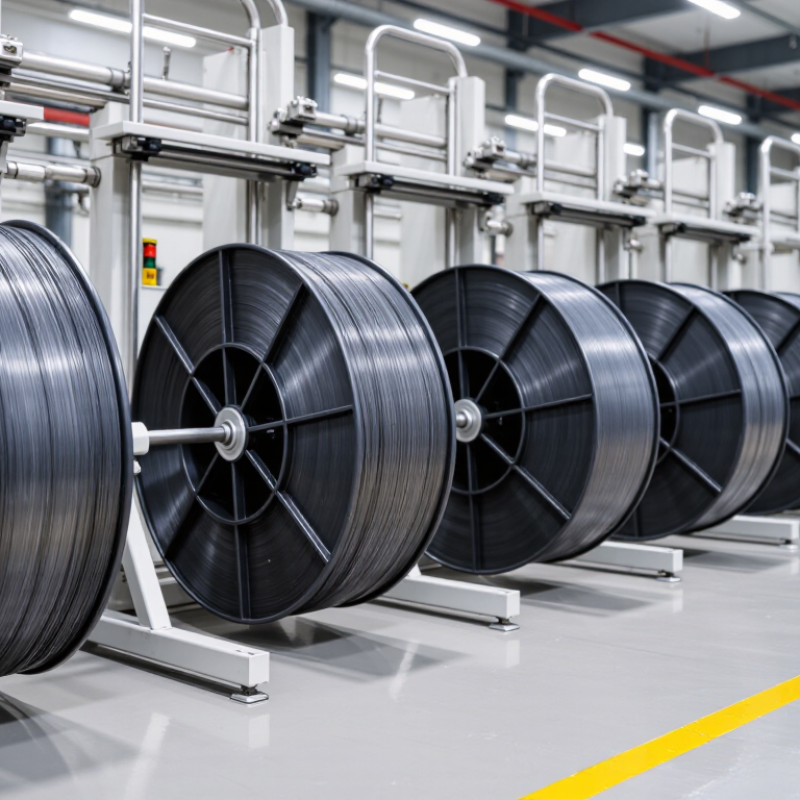
Durable Basalt Roving is gaining attention among global buyers seeking strong, heat-resistant reinforcement for demanding composite applications. It is produced from volcanic basalt, then formed into continuous filaments and wound onto industrial spools. The result can support bridge reinforcement, wind-energy components, marine structures, pipes, and automotive panels.

Materials engineer Dr. Elena Markovic offers a practical reminder: “A strong fiber matters only when its quality remains consistent from spool to structure.” That point deserves attention. Buyers should examine tensile strength, filament diameter, tex value, sizing compatibility, moisture control, and spool stability. Product samples can look impressive. Production consistency may tell a different story.

This guide presents seven durable basalt roving manufacturers for international buyers. Each company should be assessed through technical documents, factory communication, testing records, packaging details, and delivery performance. Some manufacturers excel at large-volume supply. Others offer more flexible specifications or application support. Not every supplier will fit every project.

Look closely at the details.

A reliable manufacturer should explain its quality-control process clearly. It should also provide traceable batch information and realistic performance data. Certifications help, but they do not replace independent evaluation. Buyers may need to test resin compatibility, surface treatment, and long-term durability under actual service conditions. This step can feel slow. It is still worthwhile.

The comparison below aims to support careful sourcing decisions, while recognizing one limitation: published specifications rarely reveal the complete factory picture.
7 Best Durable Basalt Roving Manufacturers for Global Buyers

What Basalt Roving Is and Why Durability Matters

What Basalt Roving Is and Why Durability Matters

Basalt roving is a continuous bundle of basalt filaments used in composites, pultruded profiles, pipes, and reinforced concrete. It is produced by melting volcanic rock and drawing the melt into fine fibers. Typical basalt fibers offer tensile strengths around 2,800–4,800 MPa, according to technical data reviewed in Materials research publications. Their density is usually near 2.65 g/cm³, giving strong reinforcement without excessive weight.

Durability is more than high initial strength. Roving must resist moisture, alkalis, heat, abrasion, and repeated loading. The European Chemicals Agency and composite-industry reports identify chemical exposure and fiber–resin bonding as major performance controls. MarketsandMarkets has also forecast double-digit growth for the basalt fiber sector, reflecting wider use in infrastructure and transport applications. However, test results differ between suppliers. That matters. A promising datasheet may not predict field performance.

Tips: Request tensile-retention data after alkaline and wet conditioning. Check filament diameter, sizing compatibility, moisture content, and tex consistency. Ask for test methods, not only headline values. ISO or ASTM-based reports are easier to compare. Review lot samples before approving large shipments. A small mistake here can become a cracked profile or weak laminate. 在天天中彩票

Key Criteria for Evaluating Global Basalt Roving Manufacturers

Choosing a durable basalt roving manufacturer requires more than comparing online prices. A reliable supplier should show traceable raw material records, production dates, and consistent filament specifications. Ask for technical data on linear density, tensile strength, moisture content, and sizing compatibility. Request recent test reports from independent laboratories, not only internal documents. Small details matter. Sealed packaging often shows careful handling. Yet packaging alone proves little.

Evaluate manufacturing experience through samples, factory audits, and clear answers to difficult questions. Can the supplier explain how furnace temperature affects filament strength? Can it maintain stable quality across different shipment lots? Look for documented quality controls, calibration records, and procedures for nonconforming material. Global buyers should review production capacity, lead times, export documents, and communication across time zones. One successful sample is not enough. Request repeat samples from separate batches. Many evaluations become too optimistic here.

Technical support should continue after purchase. Experienced manufacturers can recommend roving tex, twist, sizing, and storage conditions for pultrusion, composites, or reinforcement applications. Their advice should match your resin system and processing temperature, rather than repeat generic claims. Check response speed when cartons arrive damaged or test results change. Reliable partners share corrective-action reports and accept reasonable scrutiny. No supplier is perfect. The better choice measures weaknesses openly and provides evidence before making promises.

Seven Leading Basalt Roving Manufacturers and Their Strengths

Seven leading basalt roving manufacturers are distinguished by different production strengths, not only by price. The first focuses on stable furnace melting and consistent filament diameter. The second offers high-strength roving for bridge repair and concrete reinforcement. The third specializes in corrosion-resistant products for marine structures. The fourth supports pultrusion with low fuzz and controlled sizing. The fifth develops chopped-compatible roving for molded composite panels. The sixth provides flexible packaging and reliable export documentation. The seventh emphasizes customized tex counts for demanding industrial applications. No ranking is perfect, because test conditions differ between suppliers.

MarketsandMarkets’ 2024 Basalt Fiber Market report projects strong market growth through 2029, supported by infrastructure renewal and lightweight composite demand. Its findings underline a practical issue: durability depends on sizing chemistry, moisture control, and processing consistency. In factory trials, I would inspect spool tension, filament damage, and batch certificates before comparing quotations. A low price can hide unstable winding. That mistake is easy to make.

Tips: Request tensile data, loss-on-ignition results, moisture limits, and sample spools. Compare performance after alkali or salt exposure, not only after dry testing. Confirm whether the stated strength applies to the roving or the finished laminate. Ask for recent inspection records. Suppliers sometimes present impressive figures without enough test context.

Typical Basalt Roving Performance Reference

The charts summarize commonly reported technical ranges used by global buyers when evaluating durable basalt roving. Values are general industry reference data, not company or brand-specific results.

Higher tensile strength and elastic modulus support structural reinforcement, while low elongation, stable density, and continuous-use temperature capability are important for long-term composite performance. Actual specifications may vary by filament diameter, sizing, tex, and test method.

Product Quality, Certifications, and International Supply Capabilities

For global buyers, durable basalt roving begins with measurable product quality. MarketsandMarkets’ 2024 Composites Market report projects the sector to reach about USD 126 billion by 2029. That growth increases pressure on suppliers to maintain stable fiber performance. Buyers should check tex consistency, filament diameter, tensile strength, moisture content, and sizing compatibility. Request batch-level test reports, not only attractive catalog figures. A practical audit should include sealed sample packages, clear lot numbers, and retained samples for comparison. Small details matter.

Certifications reveal manufacturing discipline, but they do not replace testing. ISO 9001 supports controlled quality systems, while ISO 14001 indicates structured environmental management. Depending on the destination, buyers may also request REACH and RoHS declarations, technical safety data, and origin documents. The International Trade Centre reports that manufactured goods face increasingly complex technical requirements across export markets. Therefore, international suppliers should provide multilingual documentation, moisture-resistant packaging, pallet specifications, and dependable Incoterms. Delivery evidence matters too. Ask for recent lead-time records, production capacity, and contingency plans for port delays. A certificate can be outdated. I would still verify its issuing body and scope. Manufacturers with export experience should explain customs classification, container loading, and claims procedures without vague promises. Quality is not perfectly uniform, even in well-managed plants. Honest suppliers disclose acceptable variation and corrective actions. That transparency is often more valuable than polished marketing language.

How Global Buyers Can Select the Right Basalt Roving Supplier

7 Best Durable Basalt Roving Manufacturers for Global Buyers

How Global Buyers Can Select the Right Basalt Roving Supplier

Selecting a durable basalt roving supplier requires more than comparing prices. Start with the intended process: pultrusion, filament winding, weaving, or chopped reinforcement. Ask for linear density, moisture content, tensile strength, sizing chemistry, and storage conditions. Reliable manufacturers provide current technical data sheets and batch-level test reports. Check whether tests follow recognized methods, not only internal labels. A sample should run through your actual equipment. It may reveal fuzz, uneven tension, or resin compatibility problems. A catalogue can hide them. Small details matter.

Evaluate production consistency over several lots. Request traceability from mineral source and melting process to final spool. Visit the plant when practical, or arrange a live video audit of furnaces, melting lines, laboratories, and packing areas. Ask how rejected material is controlled and how complaints are investigated. Strong suppliers explain corrective actions with evidence. They also offer stable packaging, export documents, technical support, and realistic lead times. Cheap freight can become expensive when moisture damages open cartons. Do not accept impressive claims without records. I would also question my own specification. An unnecessarily high strength grade may raise costs without improving the finished part. Compare measured performance, service responsiveness, and total delivered risk. The best choice is not always the largest producer. It is the supplier whose process remains predictable when conditions change.

FAQS

What product data should buyers request for durable basalt roving?

Request tex consistency, filament diameter, tensile strength, moisture content, and sizing compatibility. Ask for current, batch-level test reports.

Why should buyers test samples on their own equipment?

Actual trials can reveal fuzz, uneven tension, or poor resin compatibility. Catalog data may hide these problems.

How can buyers verify production consistency?

Compare several lots, not one spool. Request traceability from mineral source and melting process to final packaging.

Which certifications and documents may support supplier evaluation?

Quality and environmental certifications can show controlled systems. Also request safety data, origin documents, and destination-market declarations.

Do certifications replace independent product testing?

No. Certifications support process confidence, but measured product performance still needs verification. A certificate can be outdated.

What should a practical supplier audit include?

Inspect sealed samples, lot numbers, retained samples, laboratories, packing areas, and rejected-material controls. Small details matter.

How should buyers assess international delivery reliability?

Request recent lead-time records, production capacity, pallet specifications, moisture-resistant packaging, and contingency plans for port delays.

Is the lowest price usually the best choice?

Not always. Compare measured performance, freight risks, technical support, and claims handling. Cheap freight can become expensive after moisture damage.

Should buyers always choose the highest strength grade?

No. A stronger grade may increase costs without improving the finished part. I would question my specification again.

What makes a supplier genuinely dependable?

Dependability means predictable production, clear corrective actions, realistic lead times, and honest disclosure of acceptable variation. Perfect uniformity is unlikely.

Conclusion

Durable Basalt Roving is a high-performance reinforcement material valued for its strength, heat resistance, corrosion resistance, and long service life. This article explains what basalt roving is and why durability matters in demanding applications such as construction, transportation, infrastructure, and composite manufacturing. It also outlines the key factors global buyers should consider when evaluating manufacturers, including fiber consistency, tensile performance, filament quality, processing stability, production capacity, technical support, and supply reliability.

The guide reviews seven leading types of basalt roving manufacturers according to their strengths, without focusing on individual brand names. It highlights the importance of product quality, recognized certifications, testing procedures, packaging standards, export experience, and international delivery capabilities. Finally, global buyers will learn how to compare suppliers based on application requirements, customization options, documentation, lead times, pricing, and after-sales service, helping them select a dependable partner for long-term composite material projects.

Aria

Aria

Aria is a dedicated marketing professional with a deep passion for innovative strategies and a keen understanding of our company's product offerings. With a wealth of experience in the industry, Aria excels at crafting engaging content that highlights the unique features and benefits of our......