Choosing the right rebar standard sizes for your project is crucial. Rebar, or reinforcing bar, adds strength to concrete structures. The proper size ensures stability and longevity. Various projects may require different rebar diameters and grades.
Expertise in rebar sizes helps navigate these choices. Familiarity with projects similar to yours can guide decisions. Be aware of local building codes and standards. These regulations often dictate specific rebar requirements for safety.
It’s important to reflect on your project’s unique needs. Not every standard size may suit your design. Factors such as load-bearing capacity and durability come into play. Remember, selecting the incorrect size can lead to structural issues. Thus, understanding rebar standard sizes truly makes a difference.
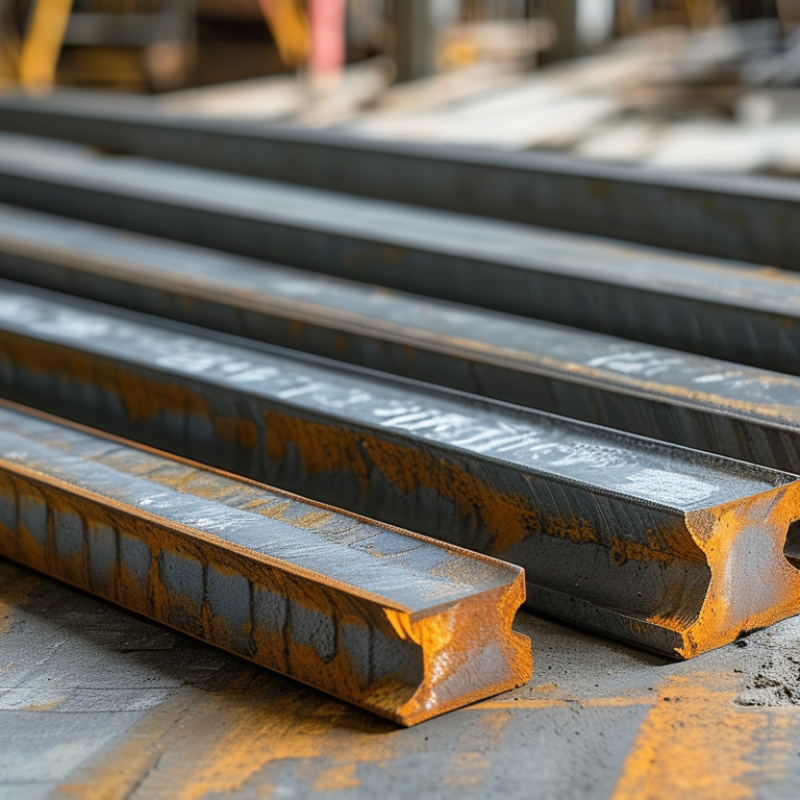
Rebar, or reinforcement bar, plays a critical role in construction projects. It is a steel bar used to strengthen concrete structures, enhancing their durability and stability. Different types of rebar serve specific purposes. Some are designed for tensile strength, while others focus on flexibility. Understanding these variables is essential for any successful construction project.
Choosing the right rebar involves considering factors like size, grade, and coating. The diameter of rebar affects the load it can handle. Common sizes, such as #4 or #5, denote the diameter in eighths of an inch. A #4 rebar has a diameter of 0.5 inches, while a #5 measures 0.625 inches. Each project requires careful evaluation of these dimensions.
Despite available guidelines, mistakes can occur. Misjudging the necessary size or grade may lead to structural weaknesses. Inadequate reinforcement can compromise a project's safety. This reveals the importance of thorough planning and consultation with experienced professionals when selecting rebar. Each choice matters, and oversight can have serious consequences. Accurate decisions promote reliability and longevity in construction.
This bar chart illustrates the common standard rebar sizes used in construction, their corresponding diameters, and typical uses. Properly selecting rebar is crucial for ensuring structural integrity and compliance with construction standards.
When selecting rebar for your project, it's crucial to understand the common standard sizes available. The most commonly used rebar sizes include #3, #4, #5, and #6. Each size serves specific applications in construction. For instance, #3 rebar, measuring 3/8 inch in diameter, is ideal for smaller projects like driveways and sidewalks. Its lightweight nature makes it easy to handle and bend.
Larger sizes, like #5, provide higher tensile strength. It is often used in foundations and structural slabs. With a diameter of 5/8 inch, this rebar size offers reliability in load-bearing structures. However, there's a trade-off; larger rebars can be more challenging to install correctly, especially for novices. Reinforcing bars #4 and #6 are excellent for walls and columns. Each size has its load capacities and bending properties, impacting the overall strength of a structure.
Choosing the right size requires careful consideration. Misjudging the required size can lead to insufficient support or wasted resources. Builders must reflect on their specific needs and project requirements. Understanding the load-bearing demands is essential for a solid outcome. Quality and size complexity should inform all decisions.
When selecting rebar sizes for your construction project, several factors come into play. The load-bearing requirements are crucial. Each structure has specific weight limits. Understanding these limits helps ensure safety and stability. You'll need to consider the environmental conditions as well. Corrosion resistance may be vital in coastal areas. Strength and durability should match your project's demands.
Another factor is the spacing of the rebar. Proper spacing ensures even distribution of weight and stress. It also affects concrete coverage around the bars, which is important for protection. Make sure to assess the type of concrete you're using as well. Different mixes may require different rebar sizes for optimal performance.
It’s easy to overlook the importance of these details. Many times, decisions are made in haste, leading to unforeseen issues. Reflect on how often mistakes arise from not paying attention to rebar sizes. This essential aspect can impact the entire construction project. Choosing wisely will lead to a more successful and long-lasting structure.
When selecting rebar for your project, understanding the materials is crucial. Steel rebar is commonly used due to its strength and ductility. However, alternatives like fiberglass-reinforced plastic (FRP) and stainless steel rebar offer unique benefits. While steel has a high tensile strength, FRP is lightweight and resistant to corrosion. Stainless steel offers enhanced durability.
The strength ratios of these materials can vary significantly. Steel rebar typically has a tensile strength of around 60,000 psi. FRP can reach 80,000 psi in some specifications, but it lacks the flexibility of steel. Stainless steel often blends strength with corrosion resistance, appealing for harsh environments.
**Tip:** Always consider the environmental conditions of your project. If corrosion is a concern, stainless steel or FRP may be better choices.
Making a decision isn’t always straightforward. Sometimes, steel appears to be the best option, but think about long-term costs. Less durable materials might save money initially but could lead to greater expenses later.
**Tip:** Analyze your project needs carefully. Prioritize performance and consider the trade-offs between initial costs and long-term durability.
| Rebar Material | Standard Size (mm) | Tensile Strength (MPa) | Yield Strength (MPa) | Weight (kg/m) |
|---|---|---|---|---|
| Carbon Steel Rebar | 12 | 500 | 400 | 0.888 |
| Epoxy Coated Rebar | 16 | 520 | 420 | 1.580 |
| Stainless Steel Rebar | 20 | 570 | 480 | 2.500 |
| Glass Fiber Reinforced Polymer (GFRP) Rebar | 10 | 700 | 600 | 0.530 |
| Bamboo Reinforcement | 25 | 150 | 120 | 1.000 |
Choosing the right rebar sizes for your project is crucial for safety and compliance. Building codes often dictate specific standards that must be met. According to the American Concrete Institute (ACI), rebar sizes should be selected based on structural requirements and local regulations. This provides accountability for both builders and engineers.
Understanding these codes is essential. For instance, in many regions, the minimum yield strength of rebar is set at 60,000 psi or higher. Ignoring these regulations can lead to structural failures. Not every project needs the same specifications. However, abiding by standards ensures durability and safety in construction.
Local codes also influence rebar sizes. Many jurisdictions follow standards set by the International Building Code (IBC). This can vary widely depending on location. Detailed inspection is crucial; failure to comply can result in penalties. Familiarize yourself with these regulations before making selections. This approach shows a commitment to quality and safety in construction practices.
: Rebar is a steel bar used to strengthen concrete. It enhances durability and stability in construction projects.
Consider size, grade, and coating. The diameter impacts the load capacity. Common sizes include #4 and #5.
Misjudging size or grade can lead to structural weaknesses. This can compromise safety and project integrity.
Common materials are steel, fiberglass-reinforced plastic (FRP), and stainless steel. Each has unique strengths and weaknesses.
FRP is lightweight and corrosion-resistant but less flexible. Steel offers high tensile strength but may corrode in harsh environments.
Building codes ensure safety and compliance. Ignoring them can lead to structural failures and penalties.
Consider whether corrosion is a concern. In such cases, stainless steel or FRP may be better choices for durability.
Evaluate initial costs versus long-term durability. Less durable materials may save money initially but cost more over time.
Familiarize yourself with local codes. Follow standards set by the International Building Code for safety and accountability.
Professional guidance ensures proper material selection. Careful planning prevents mistakes and enhances the reliability of construction projects.
In the construction industry, selecting the appropriate Rebar Standard Sizes is crucial for ensuring the structural integrity and durability of a project. Understanding the significance of rebar, commonly known as reinforcing steel, highlights its vital role in enhancing the strength of concrete structures. Various standard sizes are available, each with specific applications suited to different construction needs.
When choosing the right rebar sizes, factors such as load requirements, environmental conditions, and compatibility with building codes must be thoroughly considered. Additionally, comparing different rebar materials and their respective strength ratios is essential to determine the most suitable option for your project. Ultimately, compliance with local building regulations further ensures that the chosen rebar standard sizes will meet safety and performance standards.

Beihai Fiberglass