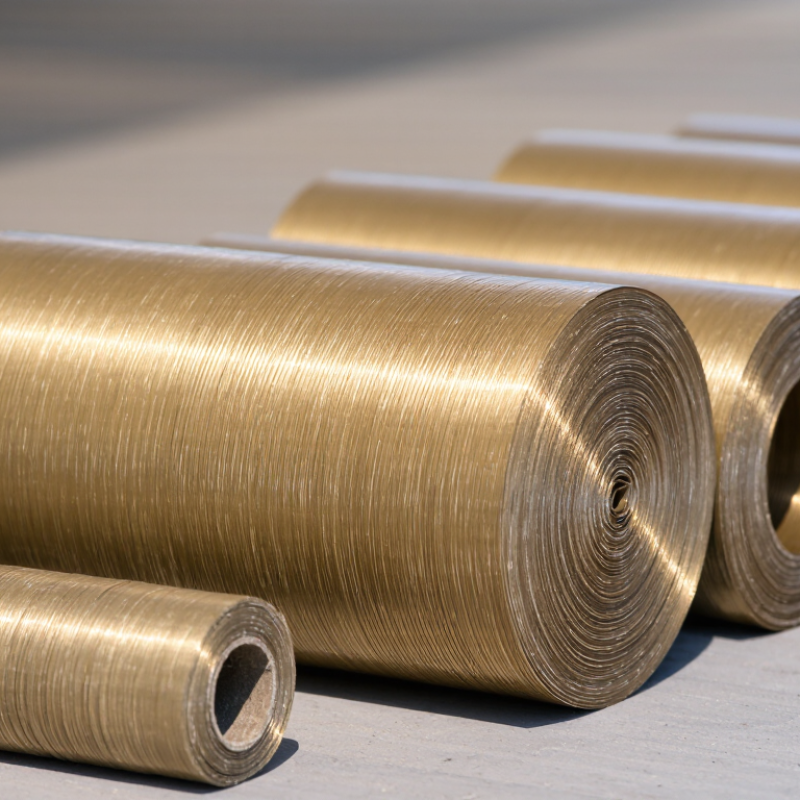
Before buying basalt reinforcement materials, many buyers begin with Basalt Fiber Pictures. These images can reveal strand alignment, surface texture, weave consistency, and possible contamination. A close view may show clean, evenly distributed filaments with a stable golden-brown tone. However, appearance alone cannot confirm tensile strength, fiber diameter, or chemical resistance.
Look for pictures taken under natural or neutral lighting. Bright filters can hide broken strands and uneven coatings. Compare several images from the same supplier, including rolls, cut edges, labels, and packaging. The edge should look compact, not excessively loose or dusty. Small details matter. Check whether the product code, batch number, and dimensions match the technical data sheet. Reliable manufacturers usually provide test reports, production information, and consistent images across product pages.
Still, photos have limits. Screen colors vary, and one carefully selected picture may not represent an entire shipment. I have seen attractive product images that lacked enough detail for a confident decision. That is a warning, not proof of poor quality. Ask for original-resolution photos, recent batch images, and independent test results when possible. Compare visual evidence with measurable specifications, supplier experience, and customer feedback. A careful review may take longer, but it reduces avoidable purchasing mistakes and supports a more defensible material choice.
How to Compare Basalt Fiber Pictures Before Buying?
What Basalt Fiber Pictures Should Reveal
A useful basalt fiber picture should show more than a clean, attractive surface. Look for the fiber form: chopped strands, continuous filament, woven fabric, or assembled roving. Each form serves different processing needs. A ruler beside the material can reveal width, strand spacing, and approximate filament size. Without scale, visual comparison becomes guesswork.
Check the image quality carefully. Clear lighting should reveal loose filaments, uneven edges, dust, and broken strands. A consistent golden-brown or dark brown tone may indicate basalt content, but color alone proves very little. Reflections can hide surface defects. Ask for close-up images from several angles. One photograph is rarely enough.
In practical material checks, I also compare strand alignment and bundle compactness. Tight bundles may handle better during storage, while overly compressed fibers can separate poorly during mixing. Images should show labels, packaging condition, and measurement references without hiding important areas. They should not replace technical data. Request diameter, moisture condition, tensile performance, sizing information, and test methods from a reliable supplier. The photograph may look convincing, yet it cannot confirm resin compatibility or long-term durability. I have found that imperfect images sometimes reveal more than polished ones. A slightly uneven edge deserves a question, not an automatic rejection.
| Inspection Dimension | What a Useful Picture Should Reveal | Typical Acceptable Appearance or Information | Warning Signs Before Purchase |
|---|---|---|---|
| Fiber Color | The natural color and consistency of the continuous or chopped strands. | Uniform golden-brown, bronze, or dark brown tones, depending on lighting and surface finish. | Large color differences, unusually glossy areas, or heavily edited images that conceal the actual material. |
| Filament Continuity | Whether the yarn or roving consists of continuous, parallel filaments rather than loosely broken fibers. | Strands appear straight, aligned, and evenly bundled, with limited fuzz at the surface. | Frequent breaks, tangled bundles, excessive loose filaments, or visible clumps may indicate poor handling or inconsistent processing. |
| Surface Condition | The cleanliness and surface uniformity of the fiber, roving, yarn, or chopped strand. | A dry, clean surface with no visible oil pools, mud, foreign particles, or moisture droplets. | Dust, dark spots, residue, wet packaging, or contamination from paper, metal, and other fibers. |
| Bundle Uniformity | The consistency of bundle diameter and winding quality across the roll or package. | Even winding, stable edges, and a consistent bundle without obvious compressed or empty sections. | Loose edges, telescoping rolls, crushed sections, irregular winding, or large changes in bundle thickness. |
| Filament Diameter Evidence | A scale reference, microscope image, or technical specification that supports the stated filament size. | A labeled technical image or specification; common basalt filament diameters are approximately 9–17 micrometres. | Close-up images without scale, exaggerated magnification, or a claimed diameter that cannot be verified. |
| Chopped Strand Length | The cut length and consistency of chopped fibers when the product is intended for concrete, mortar, or composite mixes. | Clearly labeled cut length; common commercial sizes include approximately 3, 6, 12, and 18 mm. | Mixed lengths, frayed cuts, excessive dust, or photographs that show only a few selected strands. |
| Sizing or Surface Treatment | Whether the fiber has a visible coating or treatment suitable for its intended resin or cement system. | The supplier identifies the sizing type and application compatibility; appearance may range from matte to slightly glossy. | No information about sizing, a coating that flakes off, or a treatment unsuitable for the planned matrix. |
| Moisture and Packaging | The condition of the sealed package, moisture barrier, labels, and storage state. | Intact moisture-resistant packaging, readable lot information, and dry-looking contents. | Torn bags, condensation, water stains, open packaging, or labels that do not identify product type and lot. |
| Scale and Quantity Reference | The actual package size, roll dimensions, or a ruler placed beside the material. | A photograph with a ruler, labeled spool dimensions, or a clearly stated net weight. | Close-up images with no scale, oversized perspective effects, or photos that make a small sample appear industrial-sized. |
| Application Suitability | The fiber form and handling characteristics relevant to concrete, textiles, pultrusion, or resin composites. | The image is supported by data such as linear density, tensile strength, elongation, moisture content, and recommended matrix. | Only attractive product photos are provided, with no test method, specification sheet, sample approval, or intended-use information. |
Check the fiber form before color. Identify continuous strands, chopped pieces, or woven structures. The form must fit your process.
Look for fine, slightly rough surfaces and evenly formed bundles. Excessive fuzz, dust, or flattened sections require further questions. Small details matter.
Yes. Bright light may hide loose filaments or surface contamination. Request neutral lighting and several viewing angles. Side lighting helps.
Ask for a ruler beside the sample. This helps show strand length, bundle thickness, and chopped-piece size. Without scale, images can mislead.
Gloss may suggest coating or moisture. Dry fiber often looks matte and slightly brown-gold. Appearance alone cannot identify the cause.
Ask for the sizing type, application range, and technical data sheet. Also request filament diameter, linear density, moisture content, and tensile strength.
Check for sealed wrapping, clear labels, and dust protection. The label should include lot number, weight, production date, and storage guidance. Loose fibers worry me.
Compare the photo with the specification and product documents. Match the lot number, fiber form, bundle shape, color, and packaging label.
No. Treat photos as screening evidence, not final proof. Request a recent batch image and a small physical sample. My visual judgment can fail.
Before buying basalt fiber, carefully reviewing Basalt Fiber Pictures can help you evaluate whether the product matches your technical requirements. Clear images should reveal the fiber form, including chopped strands, continuous filaments, woven fabric, or another format. They should also show surface texture, uniformity, cleanliness, and any visible defects. Pay attention to color consistency, apparent diameter, strand alignment, and whether fibers look evenly processed rather than irregular or damaged.
Pictures may also provide useful clues about surface coatings, spool or package design, labels, protective wrapping, and manufacturing details. However, images alone cannot confirm performance, so visual observations should be compared with technical specifications, test data, and supplier information. The most reliable approach is to match the pictured product with your required basalt fiber type, dimensions, coating, strength, temperature resistance, and intended application. By combining visual inspection with documented product details, buyers can reduce misunderstandings and make a more informed purchasing decision.

 Beihai Fiberglass