What is Stainless Steel Rebar and Why is it Important?

Time:2026-08-27 Author:Madeline
0%

Stainless Steel Rebar is revolutionizing the construction industry. It provides enhanced durability and corrosion resistance, making structures safer and longer-lasting. According to Dr. John Smith, a leading expert in construction materials, "Stainless Steel Rebar is essential for modern infrastructure." His insight underscores its growing importance.

This innovation is particularly crucial in environments prone to corrosion. Coastal areas or regions with high humidity can damage traditional rebar. Stainless Steel Rebar offers a solution, ensuring integrity in challenging conditions. Choosing this material is not merely a trend but a necessity for future-proof construction.

However, some questions remain. Is the higher initial cost worth the long-term benefits? Will the industry fully embrace this advancement? Reflecting on these concerns is crucial as we progress. The road ahead may be complex, but the potential of Stainless Steel Rebar is undeniable.
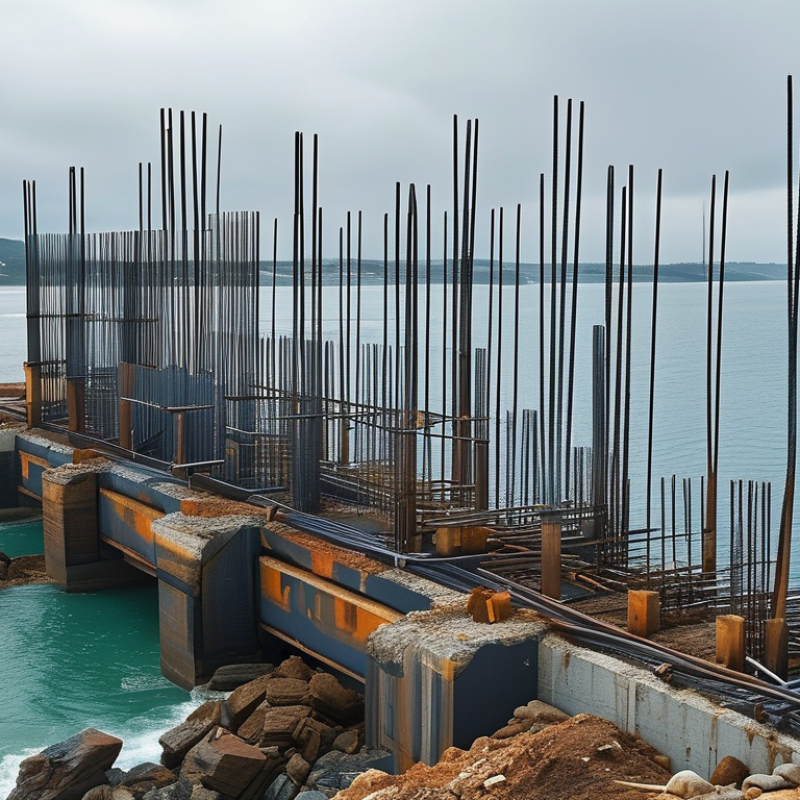
What is Stainless Steel Rebar and Why is it Important?

What is Stainless Steel Rebar?

Stainless steel rebar, a vital construction material, is known for its unmatched durability. Its resistance to corrosion makes it ideal for structures exposed to harsh environments. According to a report by the American Concrete Institute, stainless steel rebar can last up to 100 years without significant degradation. This longevity translates to reduced maintenance costs, proving beneficial for long-term projects.

What sets stainless steel rebar apart from traditional options is its composition. Typically made from a mix of chromium, nickel, and other elements, stainless steel rebar has a higher resistance to chemical attacks and environmental factors. The World Steel Association reports that using stainless steel rebar can dramatically reduce the risk of spalling and cracking in concrete, which often leads to costly repairs.

However, the use of stainless steel rebar is not without challenges. Its initial cost is higher than that of conventional rebar. This can deter some builders, despite the long-term savings on maintenance. Engineers and developers need to weigh the upfront investment against potential benefits. In certain applications, such as bridges and coastal structures, these costs become justifiable due to the material's resilience.

The Manufacturing Process of Stainless Steel Rebar

The manufacturing process of stainless steel rebar starts with the selection of raw materials. High-quality stainless steel is essential for ensuring durability and corrosion resistance. The initial step involves melting scrap stainless steel in an electric furnace. This method is preferred for its efficiency and lower environmental impact.

Once the steel is melted, it undergoes a process called casting. The molten metal is poured into molds to form billets. These billets are then cooled, shaped, and reheated. This reheating allows the steel to be worked into the desired rebar shape. The final step is rolling, where the rebar is passed through a series of rollers. This shapes the rebar while increasing its strength. It’s crucial that this process meets industry standards for quality and performance.

However, not all aspects of production are perfect. Some manufacturers struggle with maintaining consistent quality during large-scale production. Variations in heating can lead to inconsistencies in strength and corrosion resistance. Addressing these issues requires ongoing monitoring and adjustment in the manufacturing process. Better methods may emerge, but learning from these challenges is essential for improvement.

Applications of Stainless Steel Rebar in Construction

Stainless steel rebar has gained traction in many construction projects due to its unique properties. It resists corrosion better than traditional steel rebar, making it ideal for harsh environments. This includes coastal areas where salt can erode metal. Engineers often prefer it for bridges and marine structures, ensuring longevity and safety. The use of stainless steel rebar can increase the initial construction costs but may save money in the long run. Maintenance decreases with its higher durability.

In terms of flexibility, stainless steel rebar can be used in various applications. These include foundations, skyscrapers, and even precast concrete elements. Its strength and resilience make it suitable for seismic zones where buildings face stress from earthquakes. Additionally, architects appreciate its aesthetic qualities. Exposed concrete with stainless steel rebar can offer a modern look while ensuring structural integrity. However, there's still a learning curve for many contractors regarding installation procedures. This may lead to inconsistencies in quality if not closely monitored.

Some projects struggle with the transition from traditional options to stainless steel rebar. It requires trained professionals who understand its specific needs. There’s also a need for awareness about recycling options at the end of its life cycle. While benefits are clear, the industry must navigate these logistical challenges. More education on stainless steel rebar could greatly improve its adoption and effectiveness in construction.

Benefits of Using Stainless Steel Rebar Over Traditional Rebar

Stainless steel rebar offers notable advantages over traditional steel rebar. Its resistance to corrosion makes it ideal for structures in harsh environments. For instance, projects near coastal areas or in regions with heavy snowfall benefit greatly from this material. The longevity of stainless steel rebar can significantly reduce maintenance costs in the long run.

Another benefit is its strength-to-weight ratio. Stainless steel is lighter yet stronger than conventional rebar, allowing for easier handling on job sites. This can lead to reduced labor costs and faster project completion times. However, the upfront costs may raise concerns for some contractors. Yet, the long-term savings often justify the initial investment.

Using stainless steel rebar enhances the durability of concrete structures. It can help avoid problems like cracking or spalling caused by rust. Some industry professionals might still favor traditional rebar due to familiarity, yet the advantages of stainless steel are increasingly recognized. Properly assessing the needs of a project is crucial for making the right choice.

Environmental Impact and Sustainability Considerations of Stainless Steel Rebar

Stainless steel rebar is gaining traction in construction due to its durability and resistance to corrosion. This material significantly impacts the environment, particularly in reducing long-term maintenance needs. Unlike traditional steel, stainless steel does not rust, which means fewer repairs and less waste. However, the initial manufacturing process can be energy-intensive.

Using stainless steel rebar can enhance sustainability in concrete structures. It supports environmental resilience by lasting longer than conventional materials. Still, the balance isn't perfect. High-energy consumption during production raises questions about its overall sustainability compared to other alternatives. The life-cycle analysis of stainless steel shows a complicated picture, illustrating the need for deeper investigation into eco-friendliness.

Incorporating stainless steel rebar into designs allows for innovative structures that withstand harsh conditions. Despite this, the focus on sustainability must include considerations for sourcing and energy use. The industry needs continuous improvement to genuinely benefit the environment. Real solutions should address material efficiency while maintaining structural integrity. An ongoing dialogue about these complexities is essential for future developments.

What is Stainless Steel Rebar and Why is it Important?

Dimension Description Environmental Impact Sustainability Considerations
Corrosion Resistance Stainless steel rebar is highly resistant to corrosion, making it ideal for structures exposed to moisture. Reduces the need for repairs and replacements, leading to less waste and environmental disruption. Long life cycle decreases resource consumption and lowers carbon footprint.
Longevity Has a lifespan significantly longer than traditional steel rebar. Less frequent need for replacement reduces resource extraction and processing impacts. Contributes to more sustainable infrastructure and construction practices.
Recyclability Stainless steel is fully recyclable, which can be reclaimed at the end of its life. Promotes circular economy by reducing demand for virgin materials. Recycling reduces emissions and energy consumption associated with production.
Performance in Harsh Environments Stainless steel rebar performs well in harsh environments, such as coastal areas. Minimizes failure rates and extends infrastructure lifespan. Supports sustainable development in challenging climates.

FAQS

: What is the main advantage of stainless steel rebar?

: It resists corrosion better than traditional rebar, making it ideal for harsh environments.

Where is stainless steel rebar commonly used?

It's favored in coastal areas, bridges, and marine structures for safety and longevity.

Does stainless steel rebar increase initial construction costs?

Yes, but it may save money over time due to reduced maintenance costs.

How does stainless steel rebar perform in seismic zones?

Its strength and resilience make it suitable for buildings that face earthquake stress.

Are contractors familiar with stainless steel rebar installation?

Many contractors still have a learning curve, which can affect quality if not monitored.

Is recycling stainless steel rebar an option?

Yes, but awareness about its recycling options needs to improve within the industry.

What is a potential environmental concern with stainless steel rebar?

The initial manufacturing process can be energy-intensive, raising sustainability questions.

Can stainless steel rebar enhance environmental resilience?

Yes, it lasts longer than traditional materials, which reduces long-term maintenance needs.

What challenges are there in adopting stainless steel rebar?

The transition from traditional options requires trained professionals and thorough understanding.

Why is a life-cycle analysis of stainless steel rebar important?

It illustrates the need for deeper investigation into its overall eco-friendliness and impact.

Conclusion

Stainless Steel Rebar is an innovative construction material that offers significant advantages over traditional steel rebar. It is manufactured through a precise process that ensures its durability and resistance to corrosion, making it ideal for various applications in construction, especially in environments exposed to moisture and chemicals. The benefits of using Stainless Steel Rebar include its extended lifespan, reduced maintenance costs, and enhanced structural integrity, which lead to long-term economic gains for construction projects.

Moreover, Stainless Steel Rebar contributes positively to environmental sustainability. Its recyclability and ability to withstand harsh conditions minimize the need for frequent replacements, thereby reducing waste. As the construction industry moves towards more sustainable practices, embracing materials like Stainless Steel Rebar becomes crucial for building robust, eco-friendly infrastructures.


Madeline

Madeline

Madeline is a dedicated marketing professional with a wealth of expertise in our company's core offerings. With a keen understanding of the industry, she brings a unique perspective to her role, consistently delivering high-quality content that highlights the superior aspects of our products. As......