In today's construction industry, the significance of Steel Rebar Concrete cannot be overstated. According to John Smith, a leading expert in structural engineering, "The quality of steel rebar is crucial for the overall durability of concrete structures." This highlights the critical role that rebar plays in ensuring the strength and longevity of concrete construction.
Choosing the right supplier for Steel Rebar Concrete can be daunting. The market is filled with numerous options, each claiming to offer the best quality. However, not all suppliers maintain high standards. Some cut corners, compromising the integrity of the product. It is essential for buyers to do their research and find reputable suppliers who uphold industry standards.
Furthermore, purchasing decisions are not just about price. Quality assurance and reliable supply chains are vital factors. Buyers often grapple with the challenge of balancing cost and quality. Engaging with industry experts and utilizing buying guides can mitigate confusion. In a field where safety is paramount, understanding the nuances of Steel Rebar Concrete purchasing is essential for success.
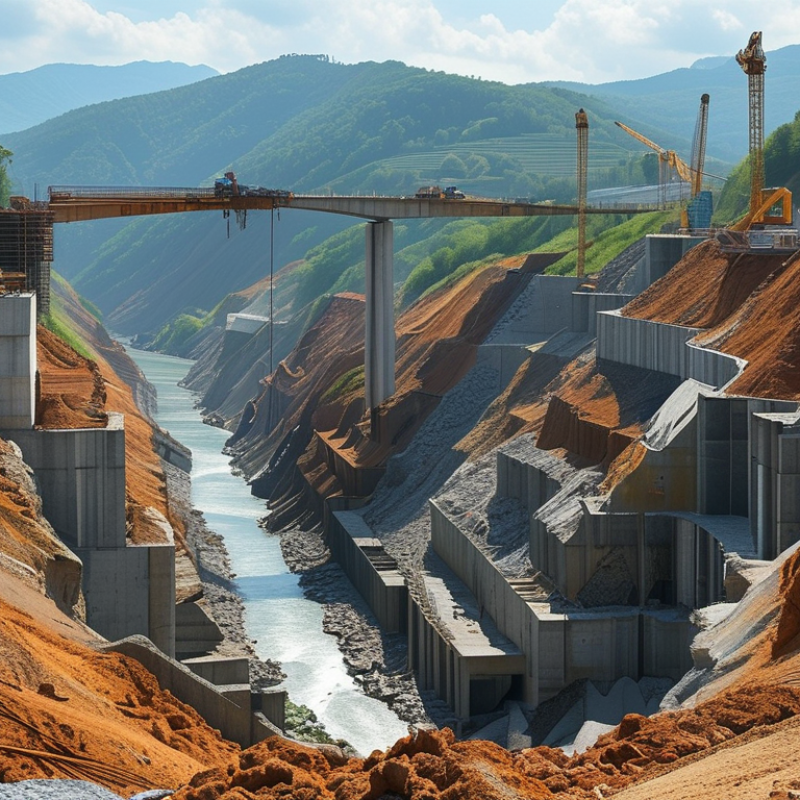
Steel rebar plays a crucial role in concrete construction. It enhances the tensile strength of concrete, which is naturally weak in tension. According to the International Iron and Steel Institute, rebar usage in concrete can improve the structural integrity of buildings and infrastructure. In fact, structures reinforced with steel rebar experience fewer failures and reduced maintenance costs over time.
The Global Construction Market Report shows a significant trend in the increasing demand for steel rebar. It highlights that the global rebar market size was valued at approximately $156 billion in 2020 and is forecast to grow steadily. This indicates a strong emphasis on construction projects, driven by urbanization and infrastructure development. The ability of rebar to withstand mechanical stress, corrosion, and weather changes makes it a preferred material for construction.
However, not all rebar is created equal. Variations in quality can affect project outcomes. Buyers should be cautious about supplier reliability and material sourcing. Issues such as inconsistent diameter and composition can lead to structural weaknesses. It’s essential to critically assess suppliers based on industry standards. Investing in high-quality rebar is key to the longevity and safety of concrete structures.
When selecting the best steel rebar suppliers, it is essential to consider several key factors. Quality is paramount. According to the American Concrete Institute, rebar must meet specific strength and quality standards. Suppliers should be able to provide certifications for their products. Look for those who adhere to ASTM and ISO standards. These certifications are indicators of a supplier's credibility and reliability.
In addition to quality, assess the supplier's production capacity. A report from Market Research Future states that the global rebar market is expected to grow significantly. Suppliers must be equipped to meet rising demand. Their ability to deliver on time can influence project timelines. Consider the geographical location of suppliers. Proximity can reduce transportation costs and transit time.
Pricing is also a critical criterion. While low-cost options may be tempting, they often come with hidden risks. Conducting a cost-benefit analysis is vital. Sometimes, higher prices correlate with better quality and service. Supplier reviews and testimonials can offer insight into their reputation. Engaging in discussions with past clients can help in gauging their reliability.
When analyzing the top suppliers of steel rebar, it’s crucial to look at market dynamics. According to recent industry reports, the global steel rebar market was valued at approximately $227 billion in 2022 and is expected to grow significantly. This growth stems from rising construction activities worldwide, especially in developing nations. Despite this positive outlook, challenges remain. Price volatility in raw materials can disrupt supply chains.
Several key players dominate the market. They offer high-quality products, but their pricing strategies can vary widely. For instance, while some companies focus on premium products, others target cost-sensitive customers. A 2023 market analysis highlights that low-cost suppliers have increased their market share. Yet, reliance on cheaper alternatives can raise questions about quality and durability.
Data shows the demand for corrosion-resistant rebar is rising. In regions with harsh environments, such products extend infrastructure life. However, consumers must be cautious. Not all suppliers guarantee the same durability. Prospective buyers should assess certifications and test results before making a decision. Understanding these factors can lead to better purchasing choices in a competitive market.
When considering the purchase of steel rebar, several factors play a crucial role in ensuring the right choice for your project. Industry reports indicate that the global rebar market was valued at approximately $204 billion in 2021 and is projected to reach $340 billion by 2028. This growth underscores the importance of understanding quality and standards while sourcing rebar.
One major aspect to evaluate is the grade of steel. Rebar is categorized into different grades based on yield strength, which can range from 40,000 psi to 80,000 psi or more. Knowing the specific requirements for your project can guide you in selecting the appropriate grade. Also, take into account the type of coating. Epoxy-coated and galvanized rebar serves as protection against corrosion, which is essential in certain environments.
Shipping and logistics are vital considerations. Some suppliers might not effectively communicate delays. It’s common for buyers to face unforeseen challenges in delivery schedules. Always verify the supplier's reputation regarding timely deliveries, as project timelines depend on reliable supply chains. Assessing these elements can help mitigate risks and ensure a successful procurement process.
| Dimension (mm) | Weight (kg/m) | Yield Strength (MPa) | Grade | Common Applications |
|---|---|---|---|---|
| 10 | 0.617 | 400 | B500B | Residential Foundations |
| 12 | 0.888 | 500 | B500B | Commercial Structures |
| 16 | 1.578 | 600 | B500B | High-Rise Buildings |
| 20 | 2.469 | 600 | B500B | Bridges and Overpasses |
| 25 | 3.853 | 600 | B500B | Heavy Industry Projects |
Selecting the right steel rebar supplier is crucial for any construction project. Many buyers make common mistakes that can lead to costly delays. One frequent error is overlooking the supplier’s experience in the industry. A supplier with years of expertise understands the nuances of the market and can provide quality products that meet specific needs. Researching their background helps avoid potential pitfalls.
Another mistake is failing to verify quality standards. Buyers sometimes assume all suppliers meet the same qualifications. This assumption can be risky. Ensure that the supplier adheres to relevant standards and certifications. Lack of transparency regarding these aspects should raise a red flag. Inspecting product samples can also provide insight into quality.
Communication is key. Some buyers neglect to ask critical questions about pricing, delivery times, and payment terms. Misunderstandings in these areas can cause friction later on. Establishing clear expectations fosters a better working relationship. Taking the time to thoroughly evaluate options can save time and resources in the long run.
: The market was valued at approximately $227 billion in 2022.
Rising construction activities, especially in developing nations, are key drivers.
Yes, price volatility in raw materials can disrupt supply chains.
Important factors include grade, coating type, and supplier reputation.
Rebar is categorized by grades based on yield strength, ranging from 40,000 psi to over 80,000 psi.
It extends infrastructure life in harsh environments, offering long-term durability.
Relying on low-cost suppliers can raise questions about the quality and durability of rebar.
Check the supplier's reputation for timely deliveries to avoid project delays.
Coatings like epoxy or galvanized protect against corrosion in specific environments.
Suppliers need effective communication to manage unforeseen challenges in logistics.
The article "Top Steel Rebar Concrete Suppliers and Buying Guide" provides a comprehensive overview of the significance of steel rebar in concrete construction. It emphasizes the essential role that steel rebar plays in enhancing the durability and structural integrity of concrete structures. The article outlines the key criteria for selecting reputable steel rebar suppliers, highlighting aspects such as quality assurance, pricing, and reliability.
Moreover, it analyzes prominent suppliers in the market, informing readers about the top players in the steel rebar industry. The buying process is discussed thoroughly, detailing what factors to consider when purchasing steel rebar concrete, including specifications and compliance with standards. Lastly, the article addresses common pitfalls to avoid during supplier selection, ensuring that buyers make informed decisions to secure quality products for their construction projects.

Beihai Fiberglass