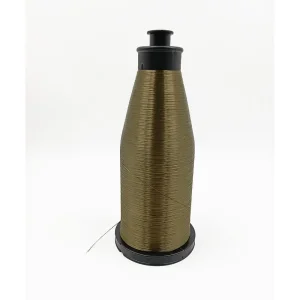
An analytical deep dive into the mechanical benchmarks, molecular resilience, and sustainable lifecycle dynamics of high-purity volcanic basalt textiles.
As the global engineering paradigm shifts toward decarbonization, material longevity, and high structural safety thresholds, Continuous Basalt Fiber (CBF) has emerged as a premier structural reinforcement class. Extracted directly from igneous basalt rock through single-component high-temperature melt extrusion at temperatures exceeding 1450°C, basalt fiber textiles avoid chemical additives and synthetic compounds during initial synthesis. This produces an exceptionally high E-E-A-T benchmark (Experience, Expertise, Authoritativeness, and Trustworthiness) in infrastructural stability, corrosion prevention, and flame resistance.
Unlike conventional E-glass fibers, which are prone to severe degradation when exposed to alkaline concrete solutions, and carbon fiber composites, which present substantial manufacturing cost barriers, volcanic basalt fibers offer an optimized performance-to-cost ratio. This comprehensive whitepaper provides engineers, procurement heads, and structural consultants with the key parameters, supply dynamics, and manufacturing capabilities of China Beihai Group—a leader in domestic and international basalt continuous fiber production and advanced manufacturing technologies.
The selection of structural materials for civil engineering, bridge construction, petrochemical installations, and defense requires close attention to mechanical limits. Basalt fiber displays superior tensile capacity, elastic modulus, and high-temperature tolerance compared to standard glass fibers, without the high carbon emissions associated with synthetic polymers or carbon-fiber processing.
| Performance Metric | Continuous Basalt Fiber (CBF) | E-Glass Fiber | Carbon Fiber (Standard) | Structural Steel (Grade 60) |
|---|---|---|---|---|
| Tensile Strength (MPa) | 3,000 - 4,800 | 1,500 - 2,500 | 3,500 - 6,000 | 400 - 550 |
| Elastic Modulus (GPa) | 89 - 110 | 72 - 76 | 230 - 290 | 200 |
| Density (g/cm³) | 2.63 - 2.80 | 2.54 - 2.60 | 1.75 - 1.80 | 7.85 |
| Thermal Threshold (°C) | -260 to +650 | -60 to +380 | Up to +2000 (Vacuum) | Up to +450 |
| Alkali & Acid Resistance | Excellent (High Retention) | Poor (Hydrolytic Depolymerization) | Excellent | Severe Oxidation/Corrosion |
Pioneering High-Tech Continuous Basalt Fiber Extrusion and Deep Composite Winding Processes from Jiangxi, China.
Founded in 2015 and located in the industrial development hub of Jiujiang, Jiangxi Province, China Beihai is a certified high-tech enterprise dedicated to the research, design, production, and worldwide distribution of continuous basalt fiber. Through significant investments in furnace design, multi-filament bushing systems, and sizing chemistry, China Beihai has emerged as an authoritative industry supplier in the domestic and global markets.
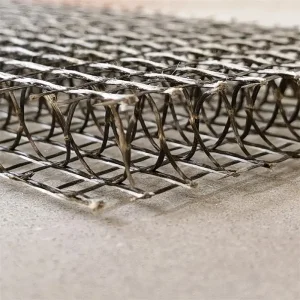
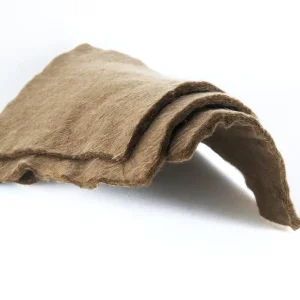
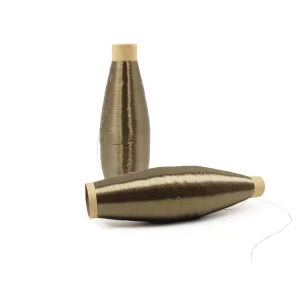
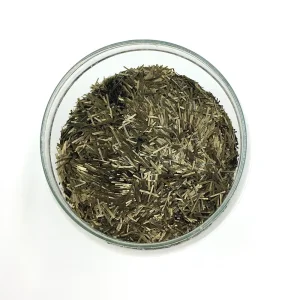
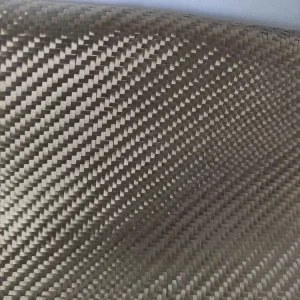
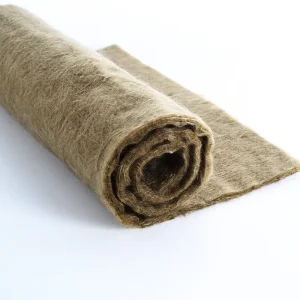
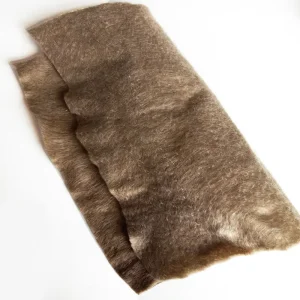
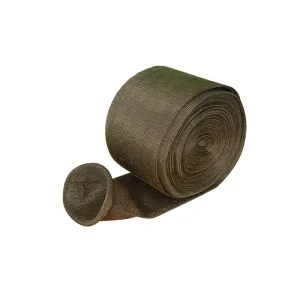
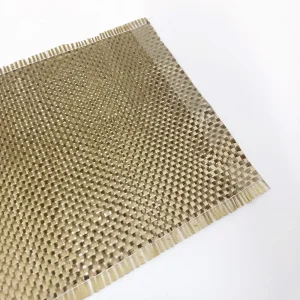
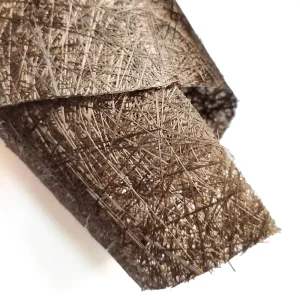
At China Beihai Group, we specialize in manufacturing a comprehensive range of volcanic basalt derivatives, including: basalt fiber mats (Chopped Strand Mats, continuous structural surface tissues, woven geotextiles, and mesh fabrics), basalt fiber roving (assembled and direct spools), high-density basalt fiber yarn, advanced structural basalt fiber rebar, and high-temperature protective elements like basalt fiber sleeves and insulation tapes. Every product is engineered to deliver reliable performance in demanding operating environments.
We process pure quarried basalt stone through strict geological screening, crushing, wash cycles, and high-temp crucible smelting. Through precise cooling and multi-stage sizing systems, we optimize interfacial adhesion with common thermosetting matrices (including epoxy, vinyl ester, polyurethane, and polyester resins). Our manufacturing focus centers on delivering highly durable, corrosion-resistant basalt materials for marine civil engineering, high-temperature thermal management, and demanding structural applications.
By partnering with China Beihai Group, global procurement teams gain direct access to a fully integrated manufacturer. We control the complete production cycle, from raw rock sourcing to precision fiber drawing and secondary weaving processes. Our quality management systems are certified to international benchmarks, helping ensure batch consistency, competitive pricing structures, and customized technical solutions for infrastructure developments worldwide.
How volcanic geology is transformed into structural reliability, environmental sustainability, and extended asset service lives.
Basalt continuous fiber represents a major advancement for modern engineering projects. Its high tensile strength, natural chemical resistance, and low weight enable engineers to address complex structural and environmental challenges. In high-stakes infrastructure developments—such as bridge decks, coastal breakwaters, highway overpasses, and high-rise foundations—basalt fibers deliver reliable performance, helping to extend structural life and reduce long-term maintenance costs.
Unlike steel reinforcement, which is prone to chloride-induced oxidation and rust propagation in coastal or de-icing environments, basalt composites do not corrode. This makes basalt fiber-reinforced polymers (FRP) highly effective for concrete structures exposed to moisture, marine air, or aggressive chemical compounds. Using basalt products helps ensure long-term structural integrity while lowering overall lifecycle costs.
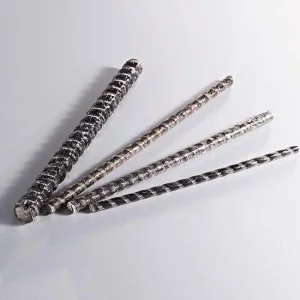
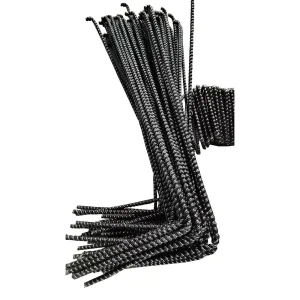
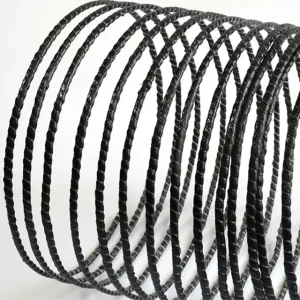
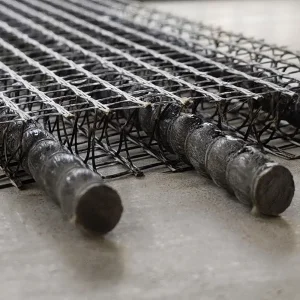
Basalt Fiber Rebar serves as a high-strength, lightweight alternative to traditional steel bars. It is designed to reinforce concrete structures in civil engineering, municipal transport, and marine works. The material's low weight significantly reduces transportation costs and onsite labor requirements, while its high tensile capacity allows for optimized reinforcement layouts.
Our manufacturing facility in Jiujiang produces basalt rebar using high-tenacity basalt rovings bound with specialized epoxy resins. The surface profile of the rebar is engineered with sand-coating or helical ribbing to ensure excellent bonding with concrete, helping to maintain structural stability over decades of service.
Understanding geological scale, continuous production lines, and strict international compliance standards.
China's basalt fiber industry benefits from extensive natural resource deposits and highly integrated manufacturing clusters. China Beihai Group utilizes Jiangxi Province's raw basalt reserves, characterized by stable chemical compositions of SiO₂ (48% - 51%), Al₂O₃ (14% - 17%), and compatible alkaline earth metal oxides. This rich chemical composition is essential for drawing stable, high-tensile multi-filament strands.
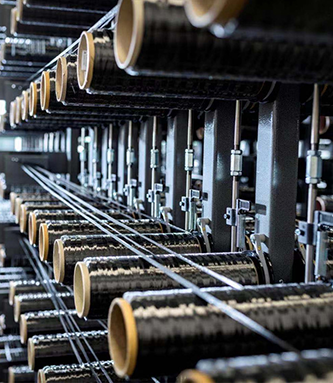
Our factories run continuous multi-axis gas-electric hybrid melting furnaces. This technology maintains stable high temperatures and precise viscosity controls, reducing fiber breakage and ensuring consistent filament diameters across production runs.
Equipped with high-performance alloy bushings (platinum-rhodium), we can draw continuous filaments with uniform diameters ranging from 9µm to 22µm. This allows us to supply both high-density geotextiles and ultra-fine electronic yarns.
Our chemically customized sizing lines apply tailored silane coupling formulas designed for compatibility with epoxy, vinyl ester, phenolic, and polyurethane resin systems, ensuring strong interfacial adhesion in composite manufacturing.
For international infrastructure projects, meeting rigorous quality benchmarks is non-negotiable. China Beihai maintains strict control systems throughout the manufacturing process. Our products comply with various international standards, enabling successful procurement across major markets:
From aerospace structures and automotive components to heavy-duty marine concrete protection.
The unique properties of continuous basalt fiber make it suitable for diverse industrial applications. Whether addressing extreme temperatures, high chemical exposure, or mechanical loads, basalt textiles provide dependable performance.

Basalt textiles are widely used in structural wall reinforcement, acoustic partition walls, concrete plastering grids, and non-structural architectural elements.

Used in aircraft cabin linings, high-temperature hydraulic insulation, engine exhaust shields, and structural sandwich panels.

Integrated into rocket motor casing insulation, aerospace thermal protective systems (TPS), and structural engine fairings.

Basalt FRP rebar, mesh, and micro-fiber additives increase tensile strength, reduce micro-cracking, and enhance resistance to alkaline degradation.

Improves structural component lightweighting, muffler insulation packings, thermal brake shields, and lightweight composite panels.

Protects critical structural components from physical impact, abrasion, marine salt corrosion, and freeze-thaw degradation.

Used for insulation and fire proofing in high-pressure oil transmission lines, storage tank wrapping, and corrosive waste handling systems.

Extensively applied in structural ship hulls, offshore rig superstructures, marine harbor decks, and subsea pipelines.
All sectors represent tested deployments of basalt continuous fibers. Custom structural sizing and woven specifications are available to meet specific application requirements.
Rigorous multi-stage quality assurance ensuring structural compliance, batch consistency, and reliable performance.
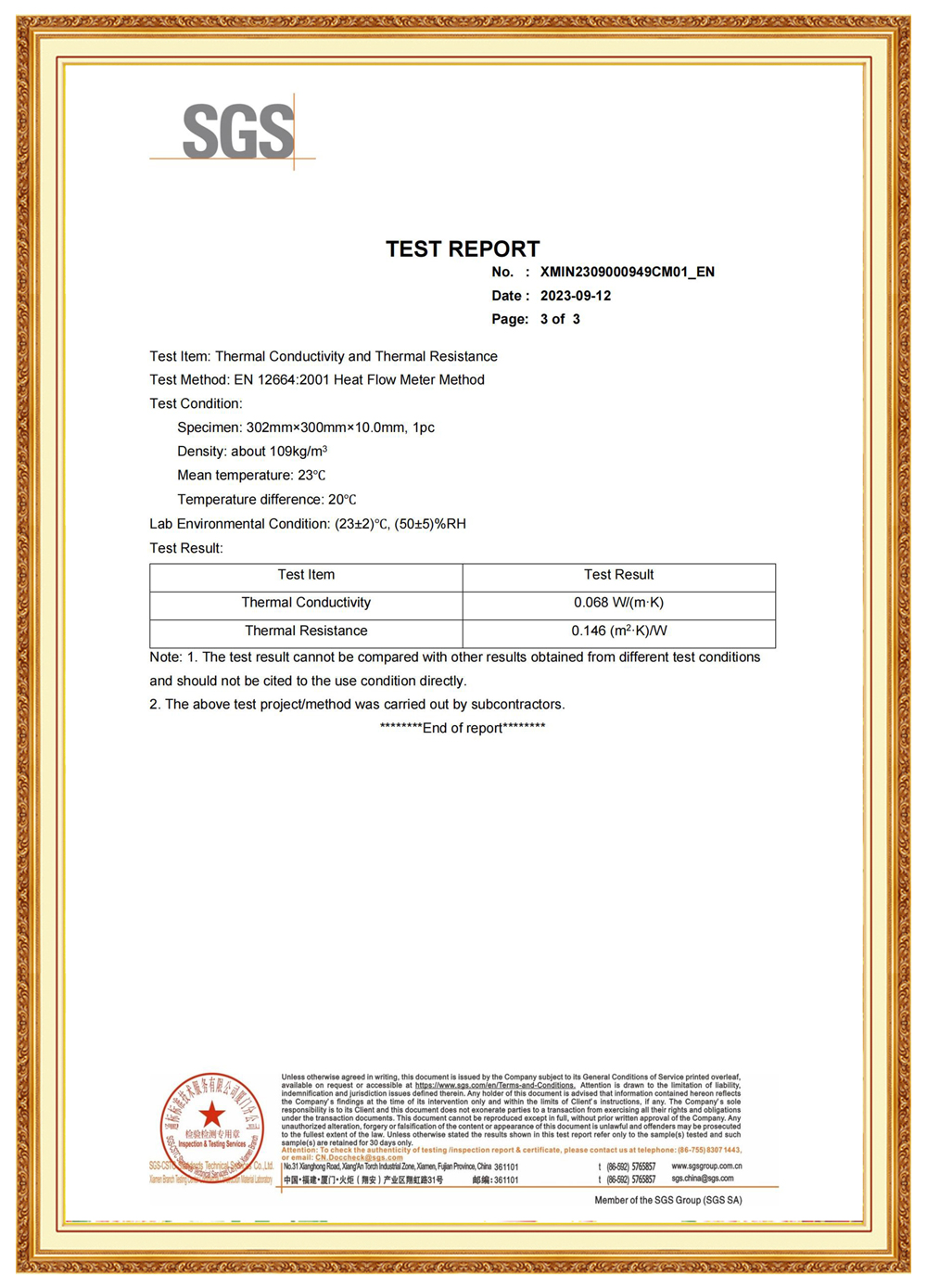
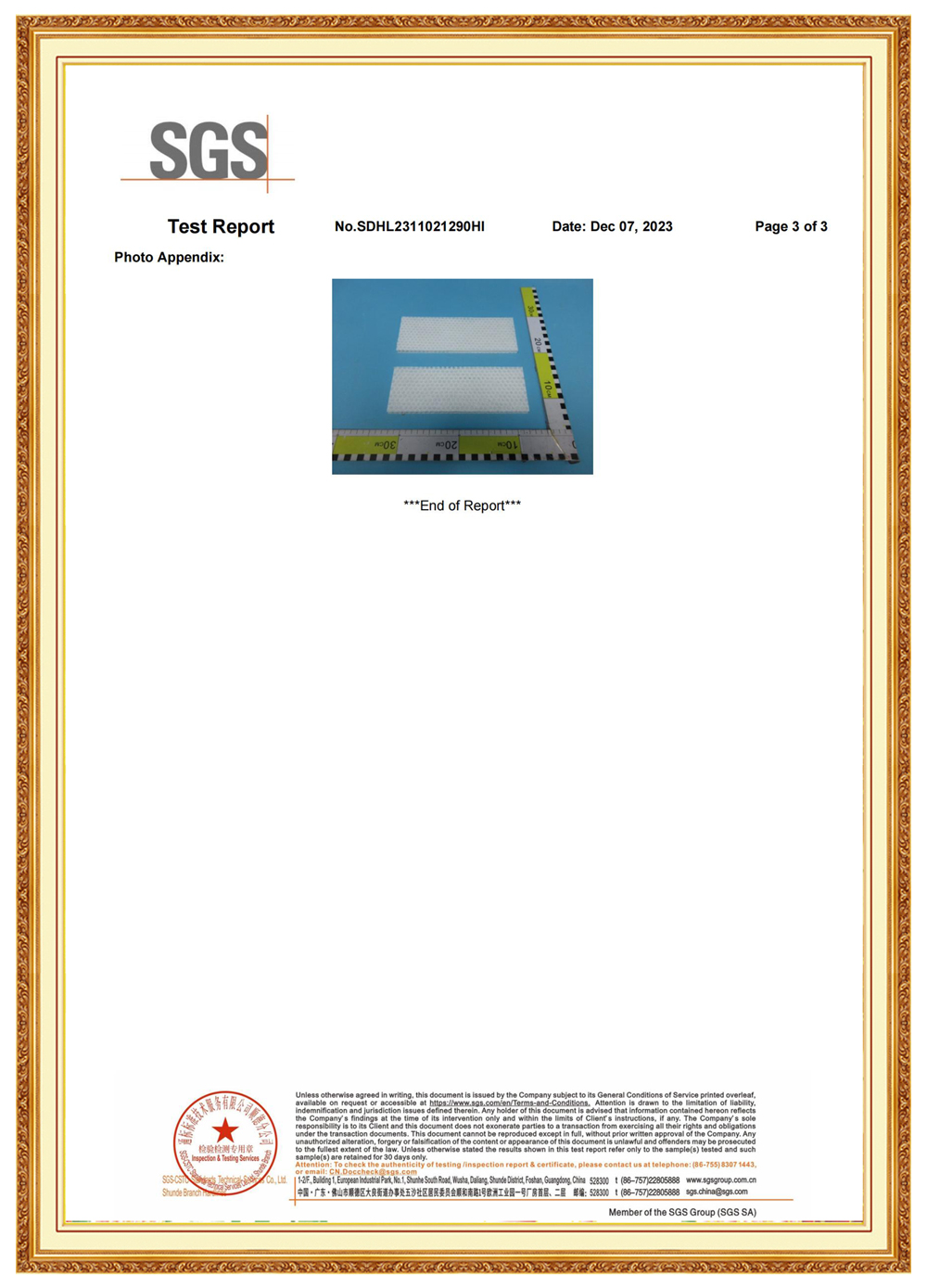
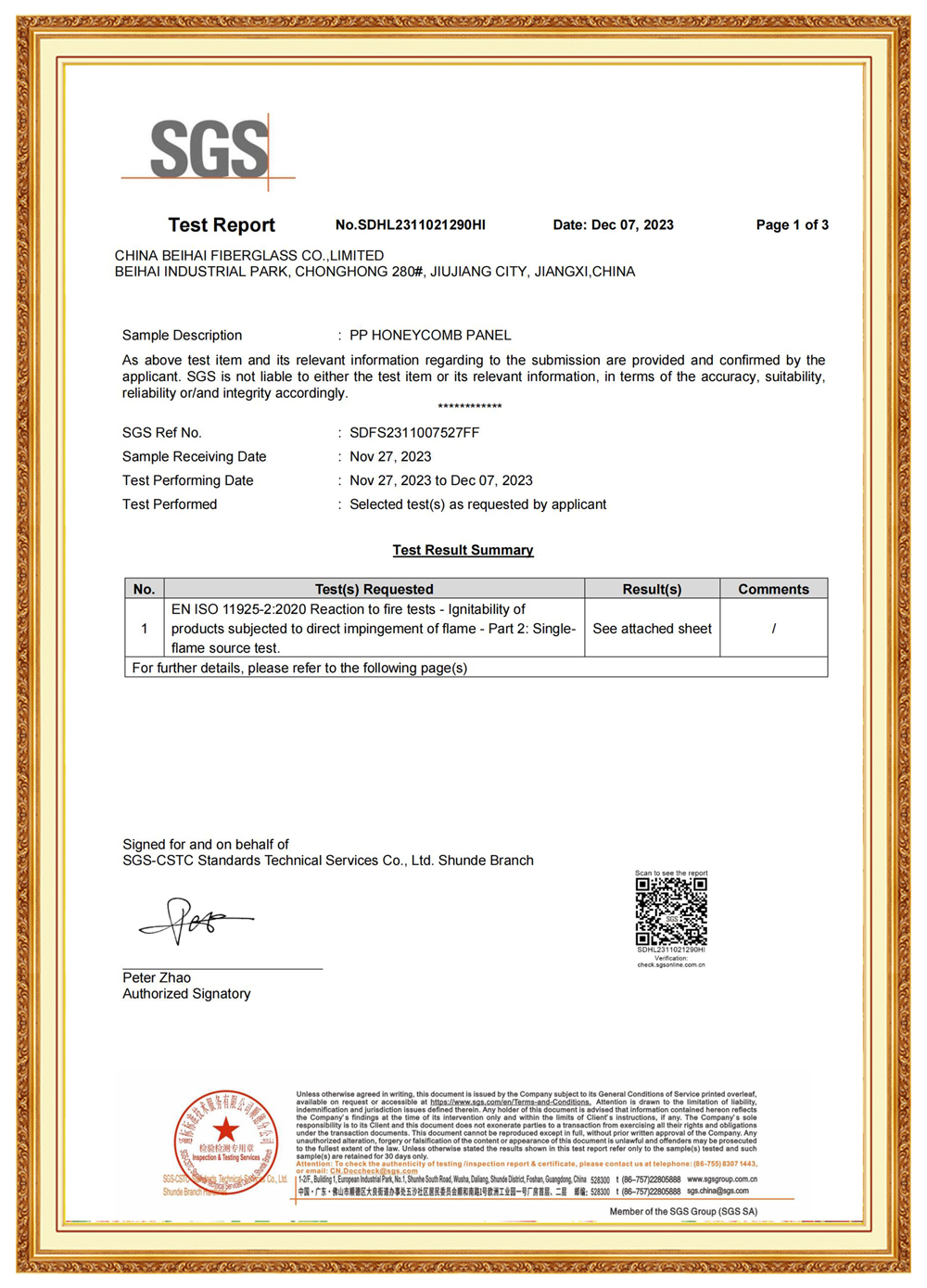
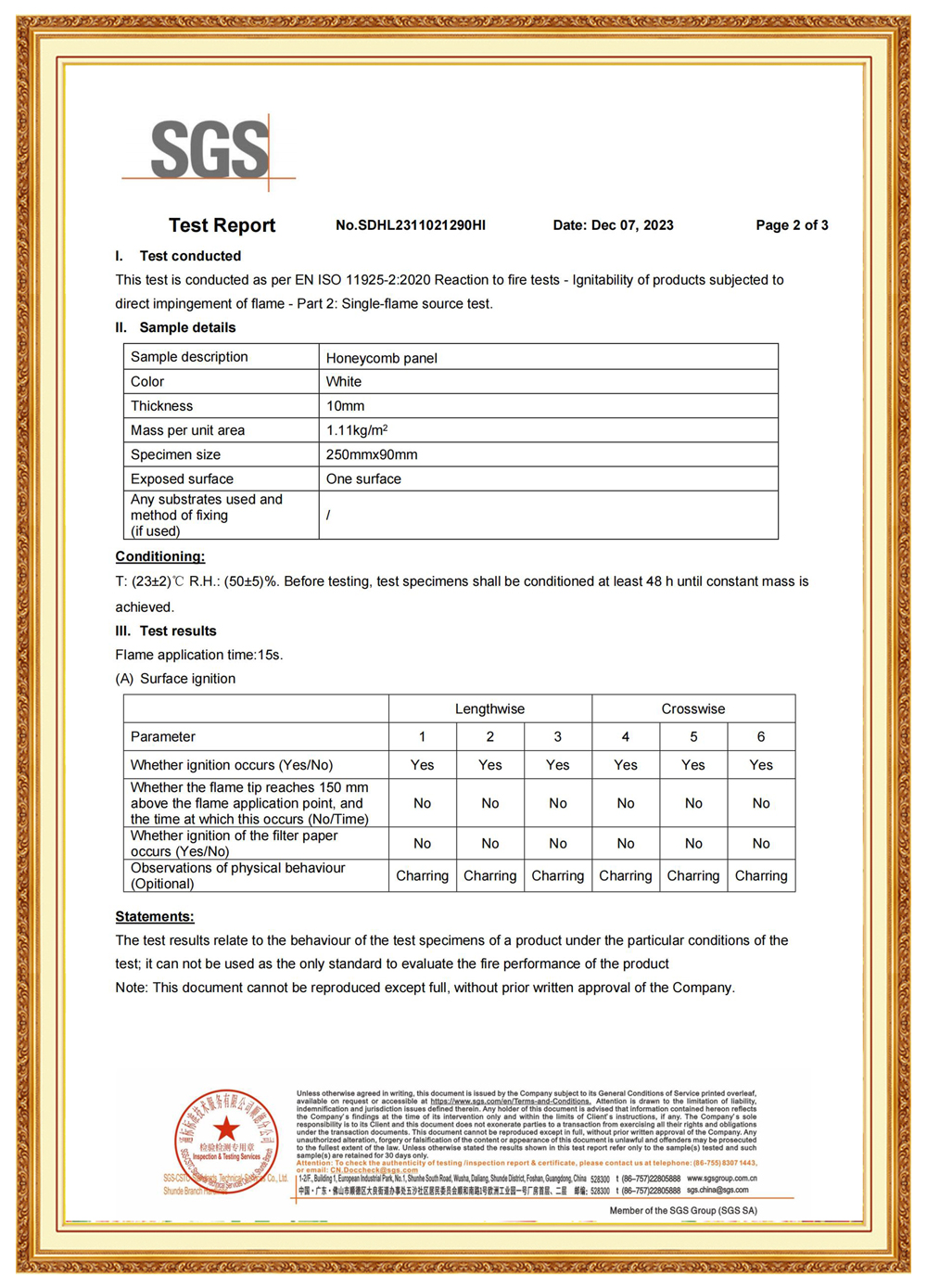
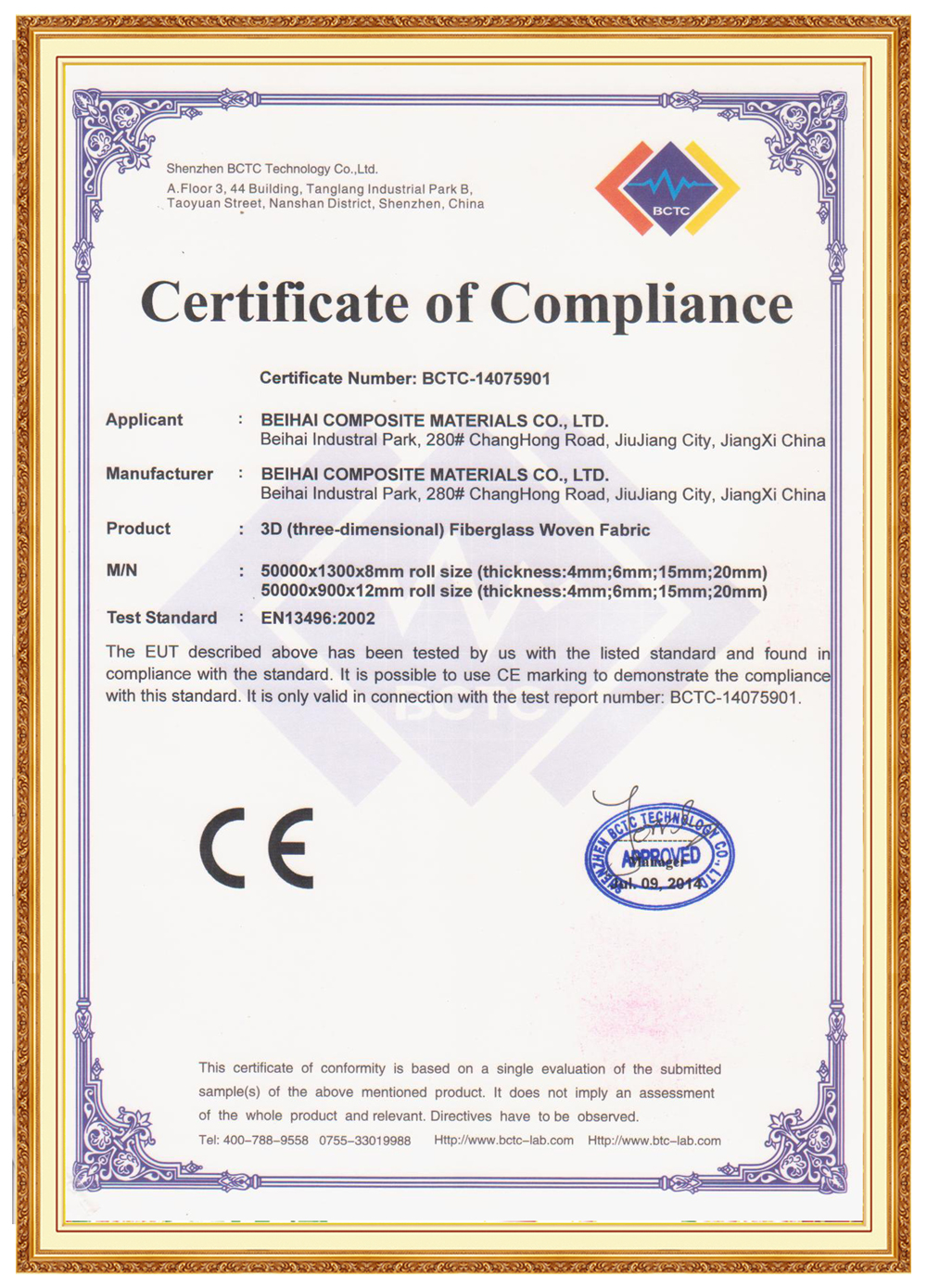
Our commitment to quality control involves strict testing throughout the production process. From geological stone analysis to the winding tension of final spools, our products are checked for consistency. We supply full technical documentation, mill test reports, and third-party quality certifications with every export batch.
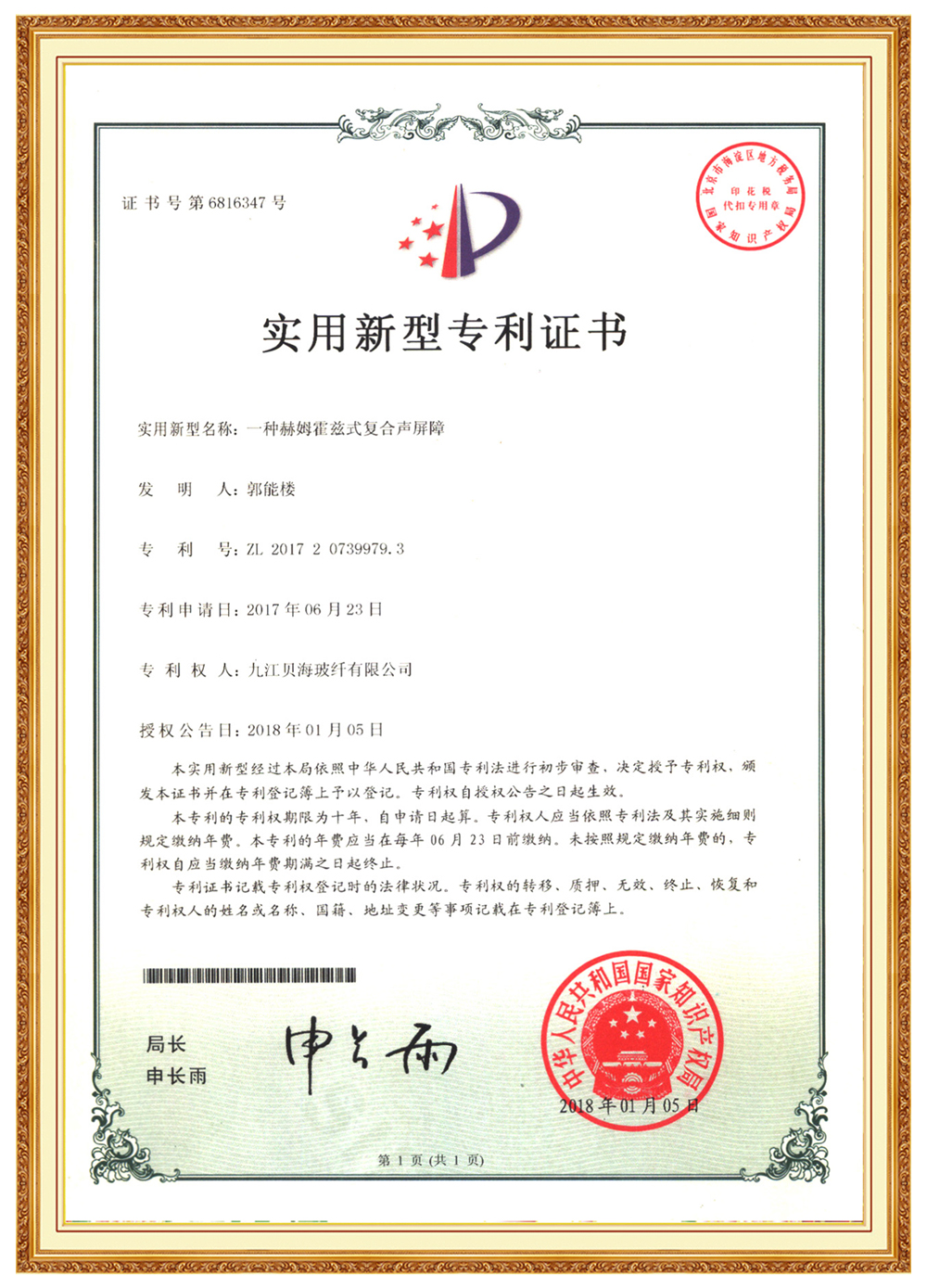
Updates on material science, industrial composite performance, and sustainable production technologies.
As advanced technology platforms deploy robots and drones for critical monitoring and production tasks, these hardware systems require materials that offer high structural integrity, low weight, and electrical insulation. Heavy metallic structures are increasingly replaced by engineered composite fairings. Basalt fiber composites provide a high strength-to-weight ratio and low electrical conductivity, offering reliable alternatives for housing structural electronics and industrial automation casings.
Our research and development division works with composite manufacturers to develop advanced pre-impregnated (prepreg) basalt fabrics. By optimizing multi-axial weave patterns and sizing compatibility, these materials help ensure structural reliability across critical aerospace, robotic, and marine industrial systems.

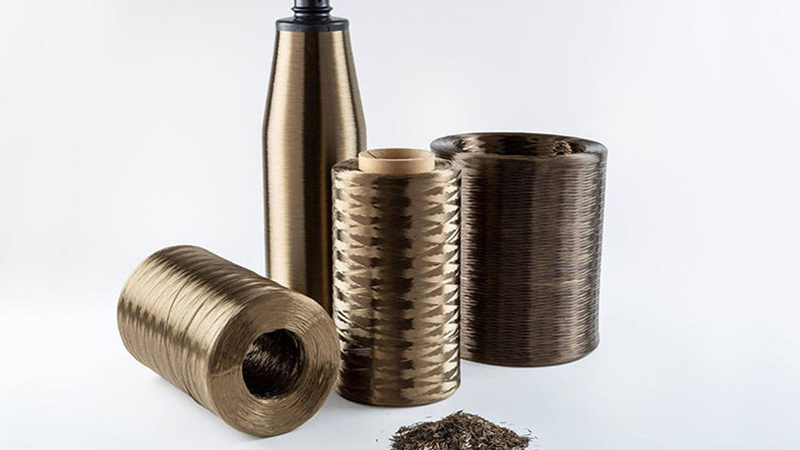
Technical and logistical insights from our structural engineers and supply chain specialists.
 Beihai Fiberglass