 Beihai Fiberglass
1 / 3
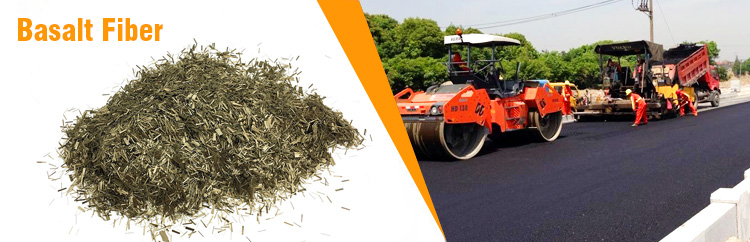
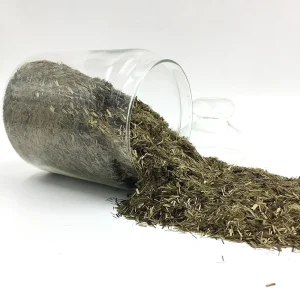
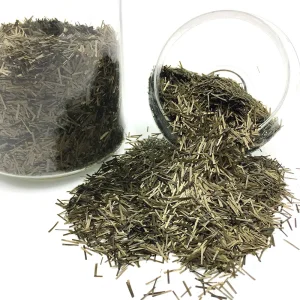
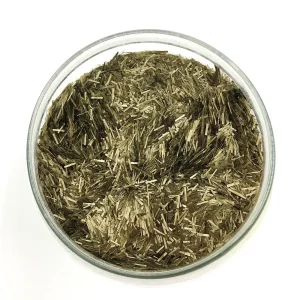
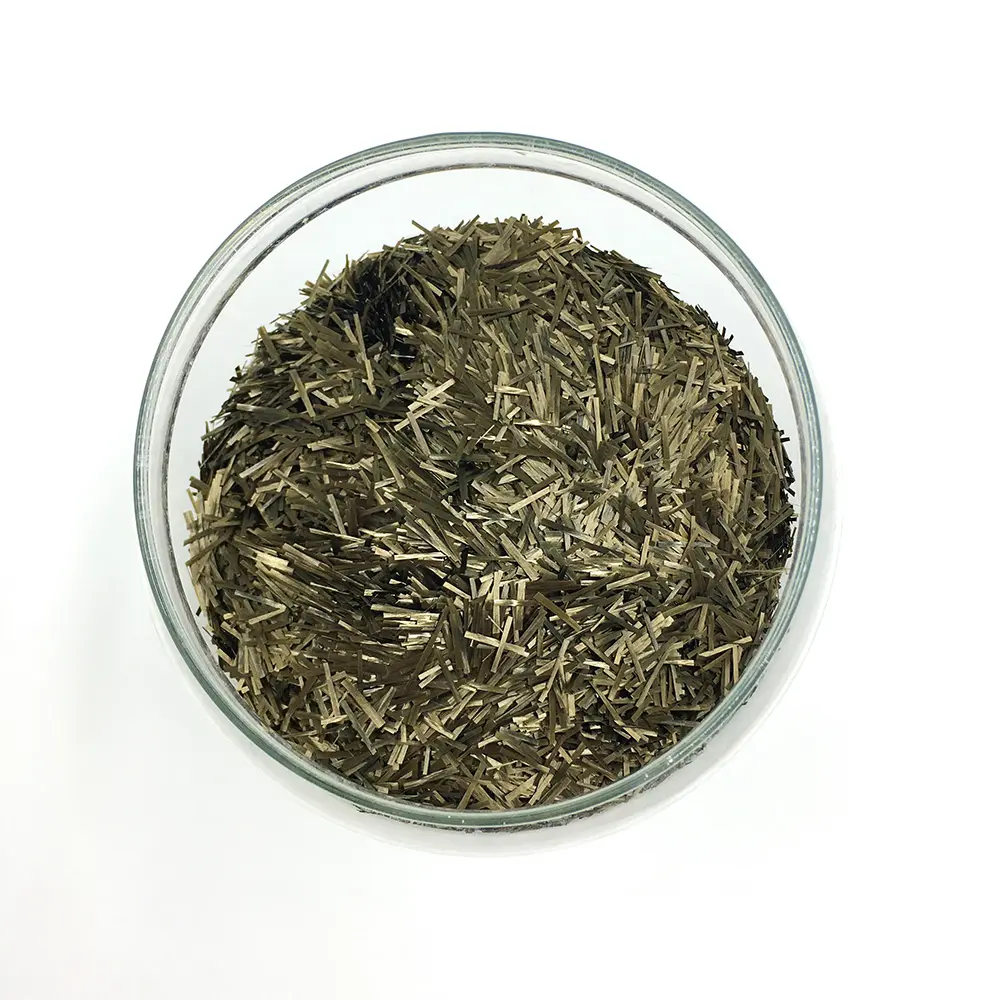
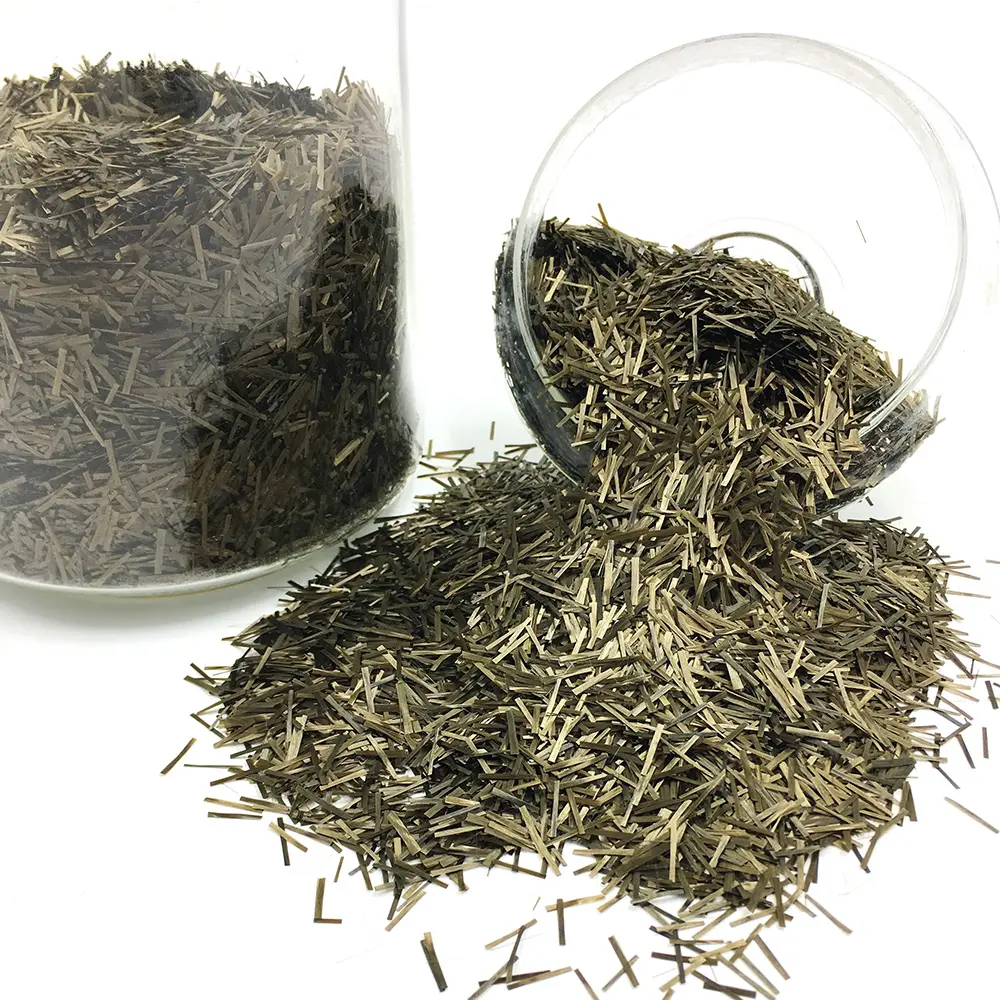
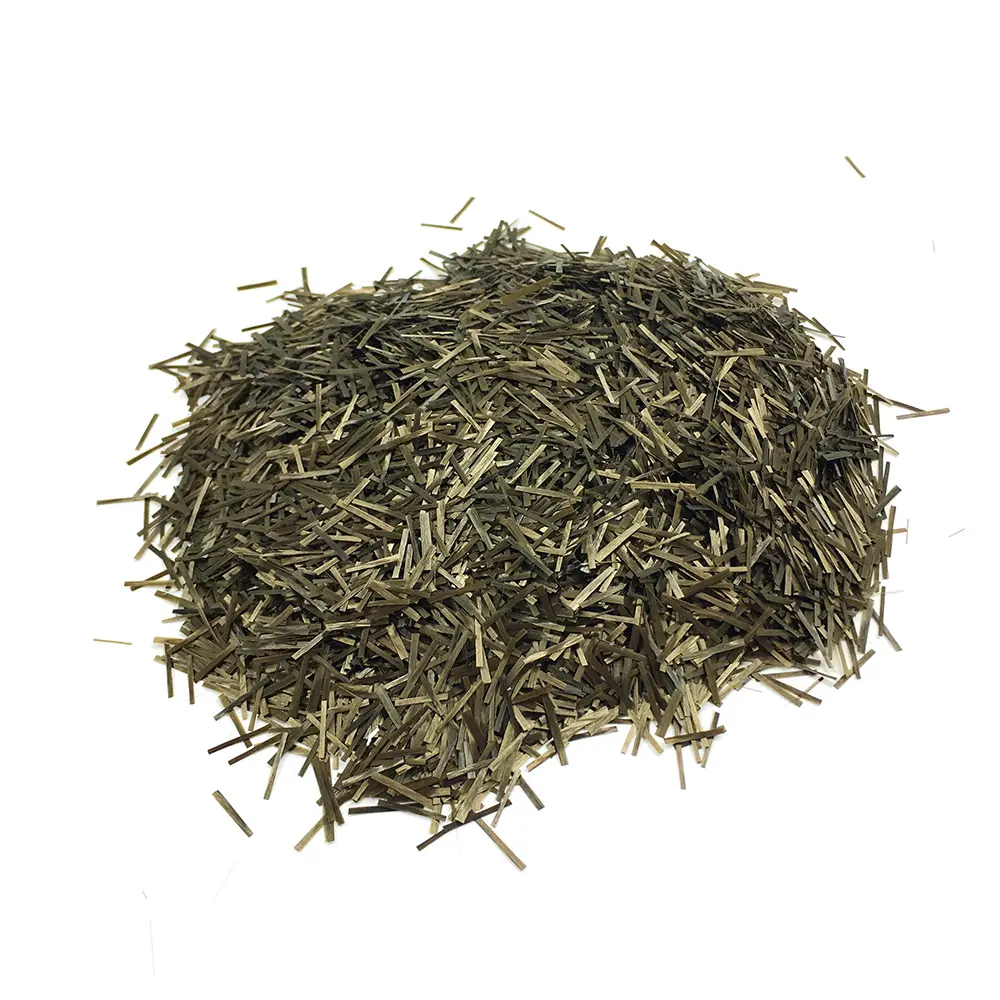
Basalt fiber boasts high tensile strength, typically ranging from 2.9 to 3.1 GPa. This strength is comparable to that of carbon fiber, yet it comes at a significantly lower cost. It demonstrates 15-25% higher tensile strength and modulus compared to regular E-glass.
With an elastic modulus ranging from 85-87 GPa, basalt fiber exhibits a high specific strength, notably three times that of steel, contributing to its effectiveness in reinforcement applications.
Maintains structural integrity across an extended range, from -260°C up to +560°C. Ideal for high-temperature applications, thermal insulation, and fire protection, outperforming E-glass.
Robust resistance to chemical and environmental degradation. Its alkali resistance makes it particularly effective in alkaline environments such as concrete where steel might corrode.
Provides effective electrical and sound insulating properties, enhancing its versatility for use in electrical components and noise reduction applications.
Low density of 2.65 g/cm³ makes it significantly lighter than steel, contributing to crucial weight reductions in automotive and aerospace industries.
Renowned for high resistance to wear and tear, ensuring longevity. Exhibits good vibration resistance suitable for dynamic applications.
Filament diameter (10-20 μm) is above the respiratory limit. An inert material, certified non-carcinogenic by NTP, IARC, and OSHA, making it a safe replacement for asbestos.
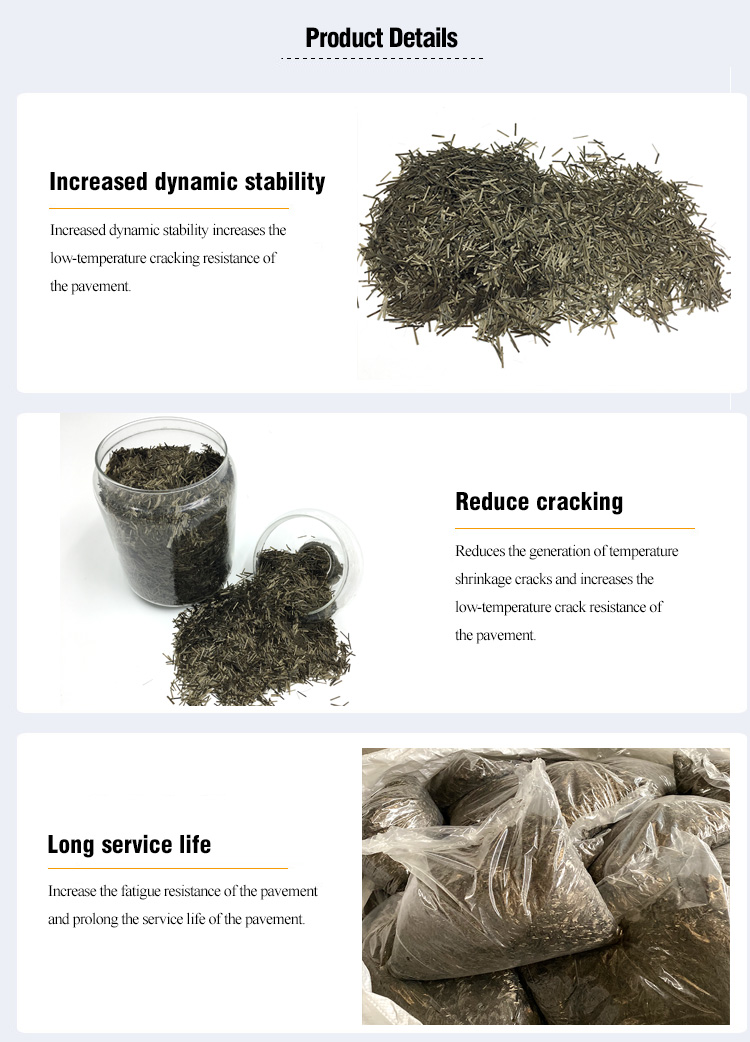

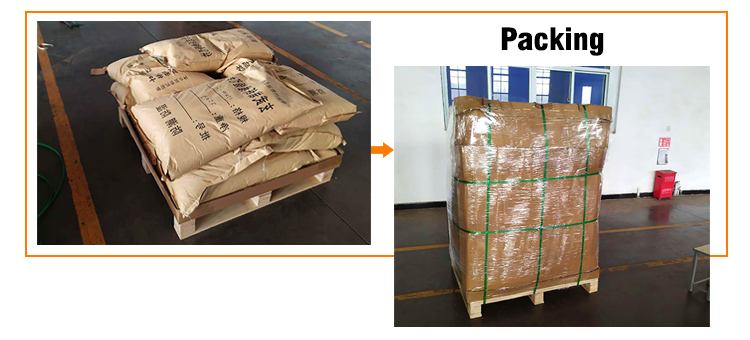
| Length (mm/in) | 950 (37.4) |
| Wide (mm/in) | 950 (37.4) |
| Height (mm/in) | 1000 (39.4) |
| Weight (kg/lb) | 900-1000 (1984-2205) |
Basalt Fiber products should be stored in a dry, cool and moisture-proof area, and they should remain in their original package until prior to use.