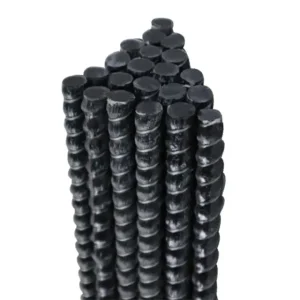
Product Features
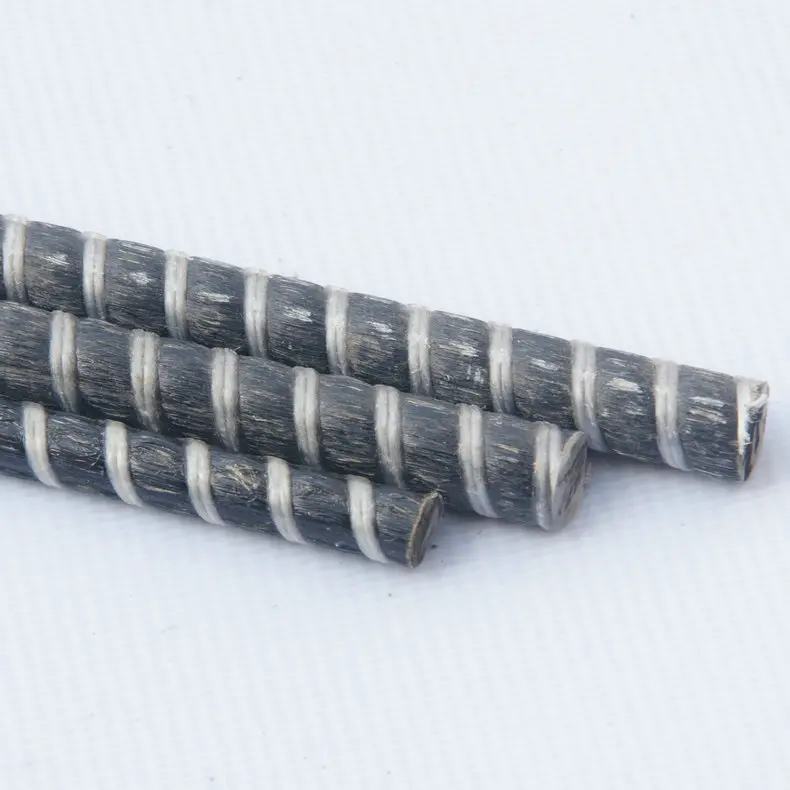
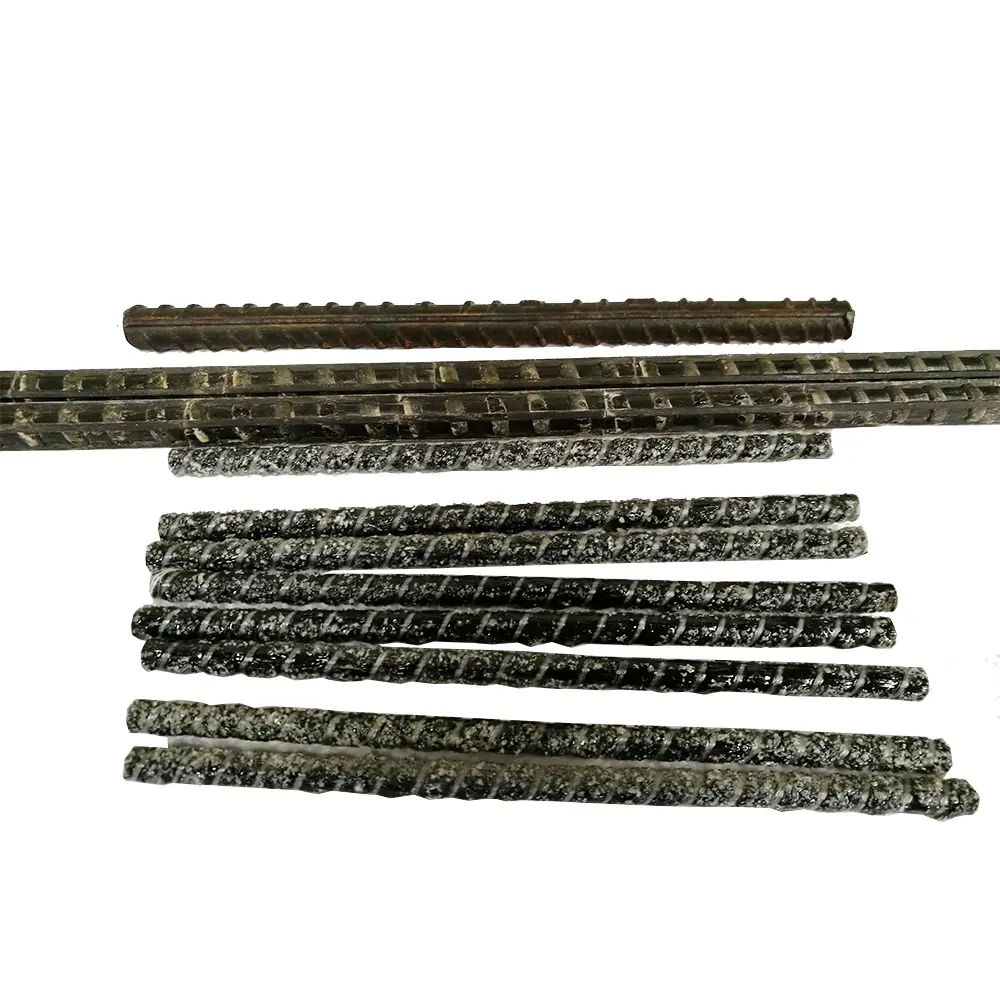
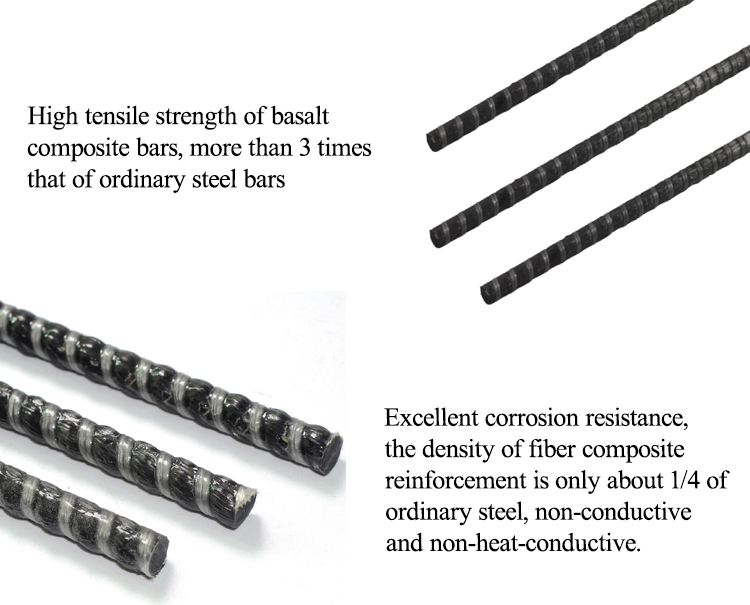
High tensile strength: BFRP strength is 2x more than ordinary steel of the same size.
Excellent corrosion resistance: Unsurpassed by other fiber fabrics.
Low density: Density is only about 1/4 of ordinary steel.
Thermal expansion: Coefficient similar to concrete, reducing temperature stress.
Wave transparence: Excellent performance with no shielding.
Non-conductive: No electrical or thermal conductivity.
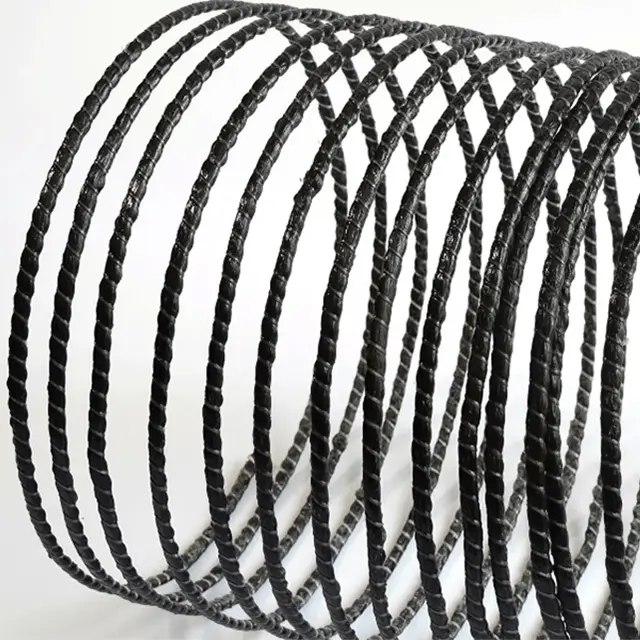
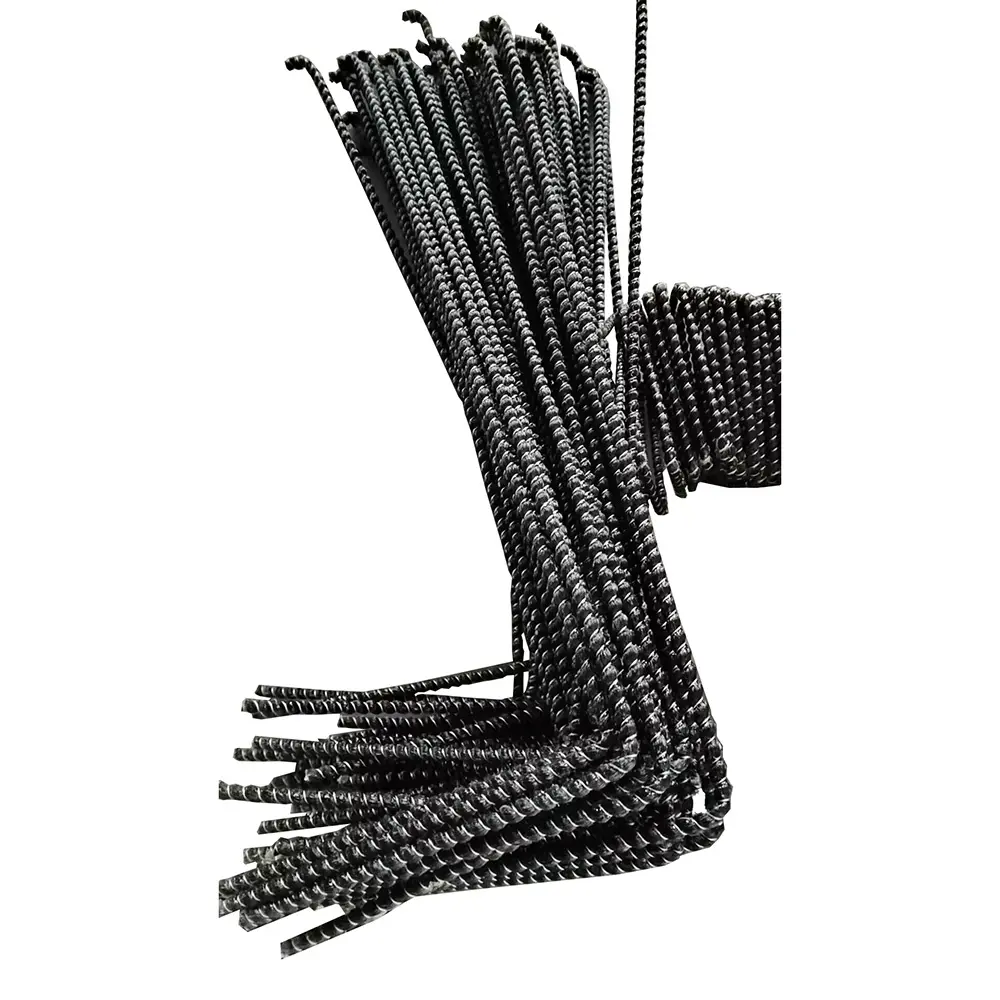
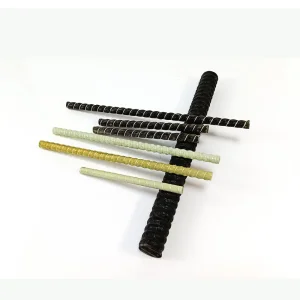
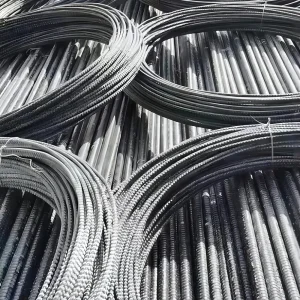
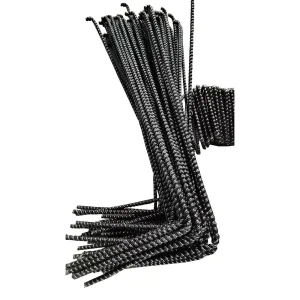
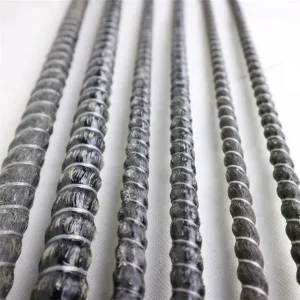
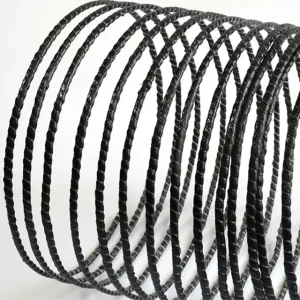
Flexible design: Can be prefabricated to standard curves and various shapes.
Eco-friendly: Using 1 ton reduces 5.24tce carbon emission vs steel.
Product Application
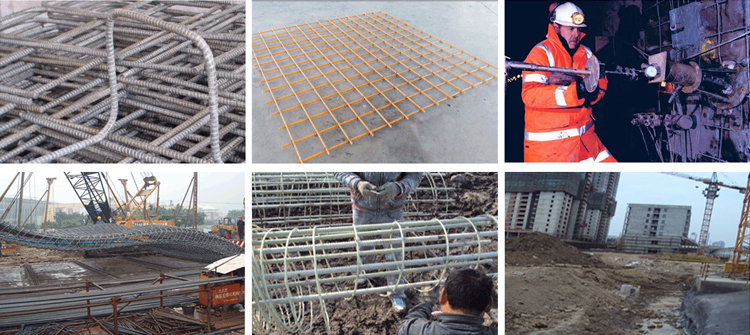
Marine Engineering: Pile foundations of cross-sea bridges and concrete wharf structures.
Chemical & Industrial: Flooring and storage tanks in corrosive salt-lined or acidic environments.
Electromagnetic Shielding: Hospital MRI rooms, specialized laboratories, and communication base stations.
Structural Reinforcement: Efficient replacement for carbon fiber to reduce structural weight.
Frequently Asked Questions
Q1: What are the primary benefits of Basalt Rebar (BFRP) over traditional steel?
A: BFRP offers twice the tensile strength of steel, is significantly lighter (1/4 the density), and is completely immune to corrosion, making it ideal for harsh environments.
Q2: Is Basalt Rebar conductive?
A: No, Basalt Rebar is non-conductive and has no thermal conductivity, which is essential for projects involving electromagnetic shielding like MRI rooms or power stations.
Q3: How does BFRP react to temperature changes in concrete?
A: Its thermal expansion coefficient is very similar to concrete, which ensures the structure remains stable and doesn't produce internal high-temperature stress.
Q4: Can Basalt Rebar be used in marine environments?
A: Yes, its excellent corrosion resistance makes it perfect for marine engineering, including cross-sea bridges and wharf structures where salt-water corrosion is a concern.
Q5: Is it an environmentally friendly material?
A: Yes, basalt rebar is eco-friendly. Replacing one ton of steel with basalt rebar can reduce carbon emissions by approximately 5.24 tce.
Q6: Can it be shaped for specific construction needs?
A: Absolutely. It can be prefabricated into standard curves and other custom shapes during the manufacturing process to fit specific structural designs.
 Beihai Fiberglass