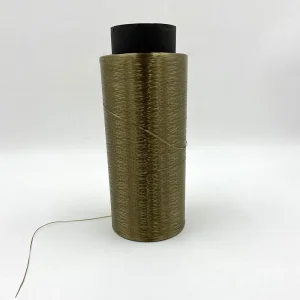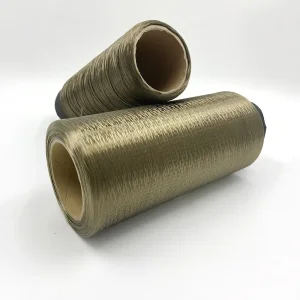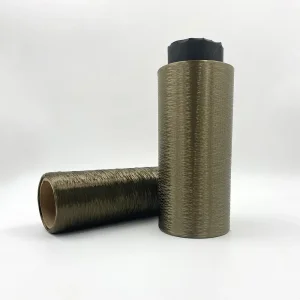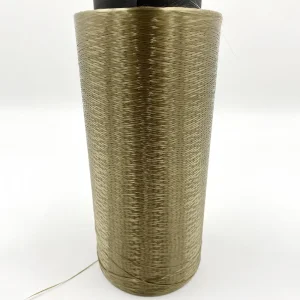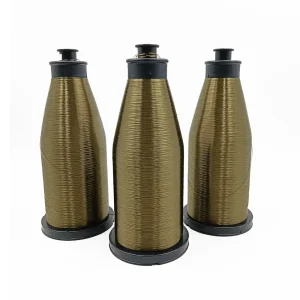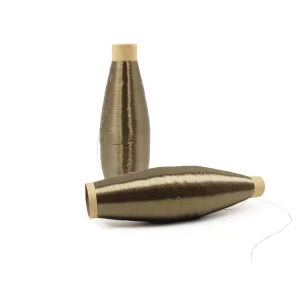
China Basalt Fiber Roving For Manufacturing Composite Product, Factory

Product Introduction


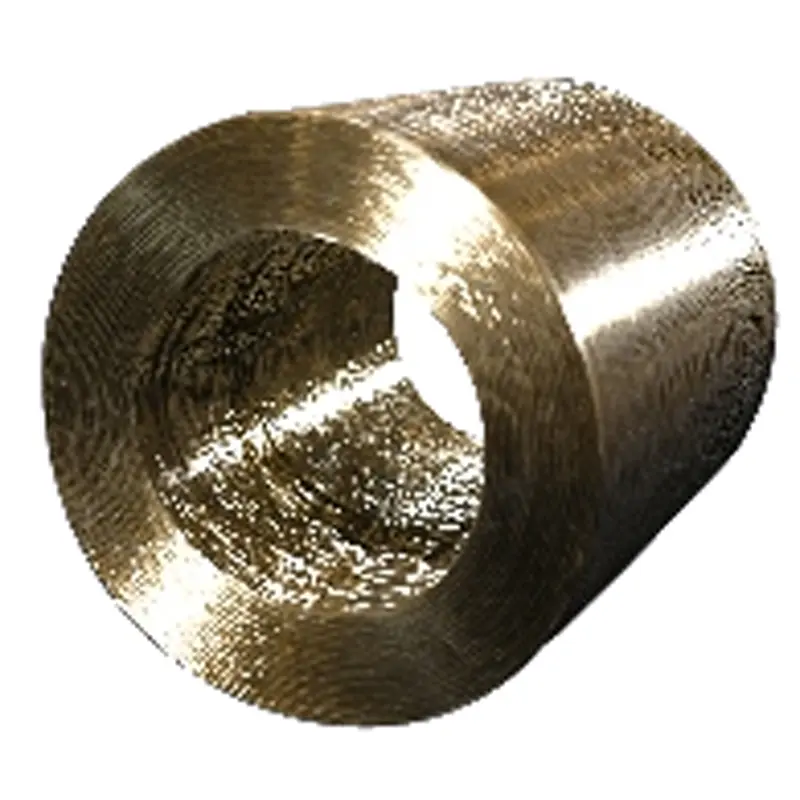
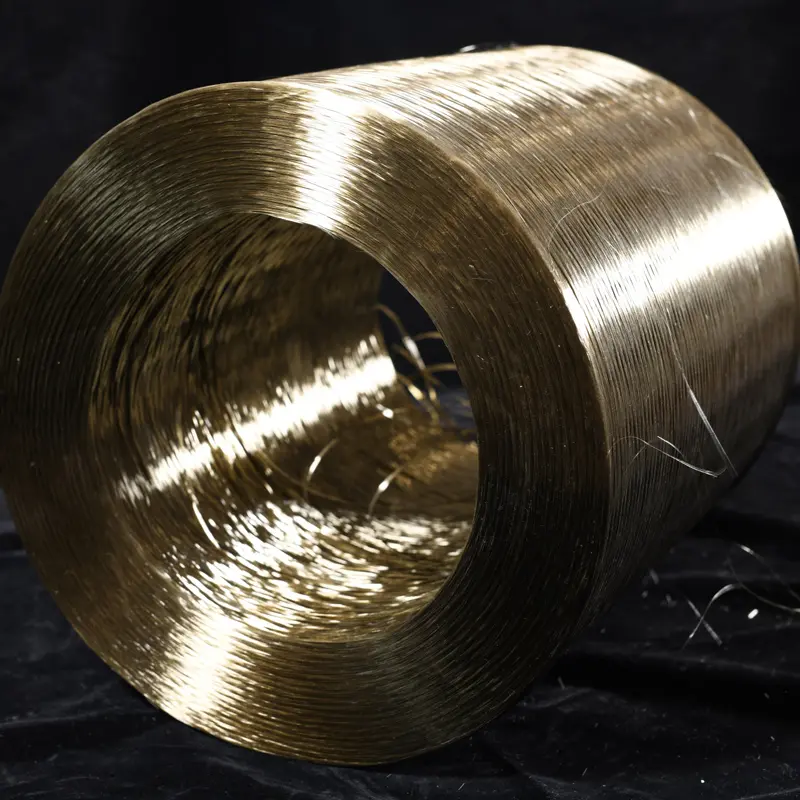
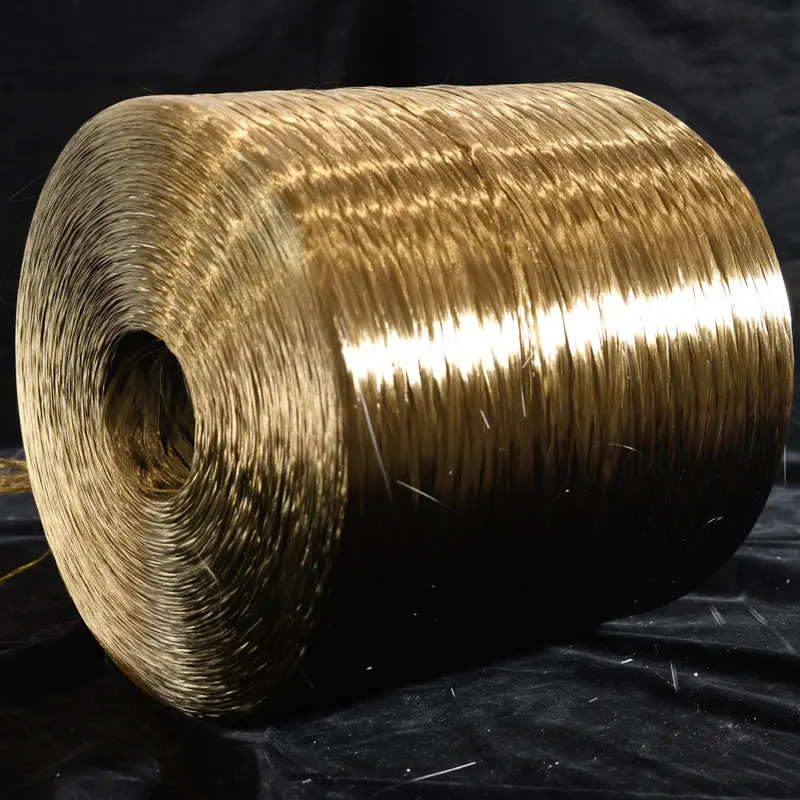
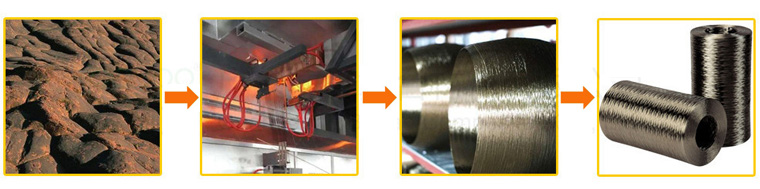
Basalt roving is a high-performance material used in various industries, particularly in manufacturing composite materials. It is composed of continuous strands of basalt fibers, which are derived from natural volcanic rock. Basalt roving offers exceptional strength, durability, and heat resistance properties, making it ideal for applications where these qualities are crucial. Common uses include reinforcement in composite materials for construction, automotive, aerospace, and marine industries. Its versatility, coupled with its environmentally friendly production process and cost-effectiveness, has made basalt roving a popular choice in modern engineering and manufacturing process

Product Description

PRODUCT FEATURES

Basalt Fiber Features
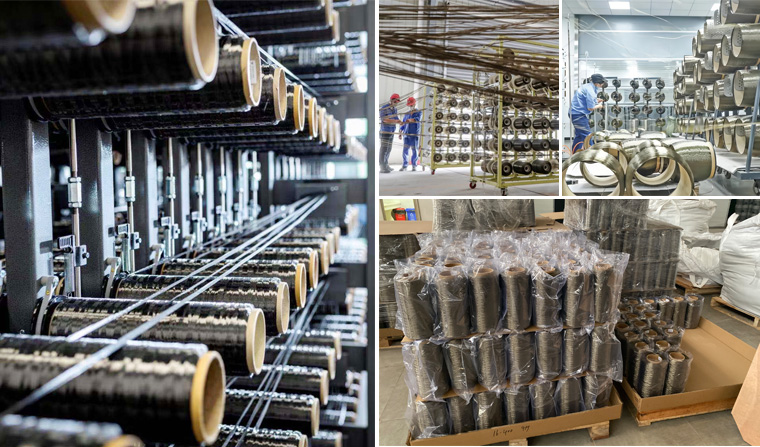
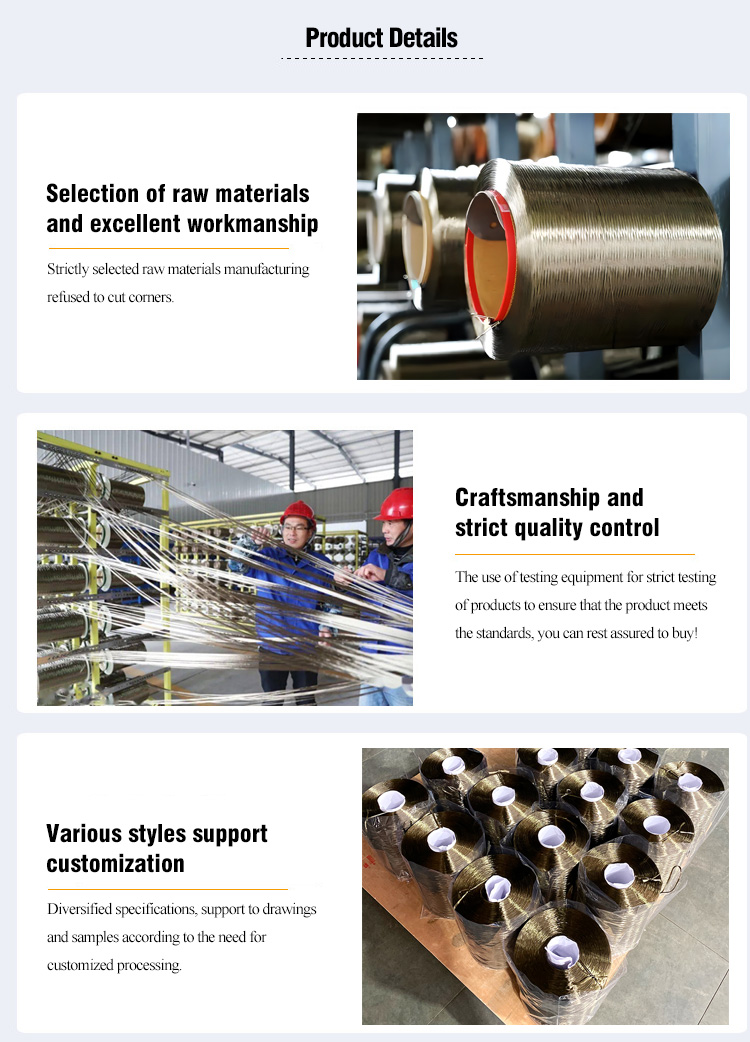
Manufacturing Workshop
High process flexibility.
Superior mechanical properties.
Excellent resistance to chemical corrosion (acid, alkali, salt).
Extremely wear-resistant with smooth transitions.
High tensile intensity, modulus, and shock resistance.
Strong bonding compatibility with various resins.
Excellent electrical insulating properties.
Superior anti-ultraviolet radiation performance.
High frost and moisture resistance.
Wide temperature range: -270°C to 700°C.

PRODUCT SPECIFICATION

Item Basalt Roving
Type of Size Silane
Size Code BH
Typical Linear Density (tex) 500 200 600 700 400 1600 1200
300 1200 1400 800 2400
Filament (μm) 15 16 16 17 18 18 22

Basic processing technologies: Pultrusion, Filament winding, Weaving, and Multiaxial fabrics production.

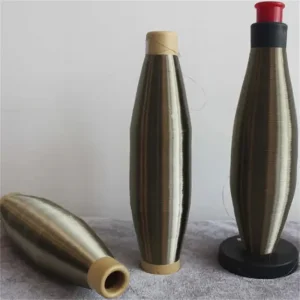
1. Direct Roving: Ready-to-sell continuous one-end strand produced in the drawing process. Offers zero catenary and excellent appearance. Used for fabrics, geogrids, pultruded profiles, and rebar.

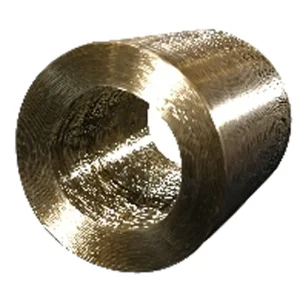
2. Assembled Roving: Consists of several single-end strands joined together without twisting. Supplied on bobbins with internal or external pools.
Roving Bobbins

APPLICATIONS

Basalt roving is utilized across various industries for the production of:
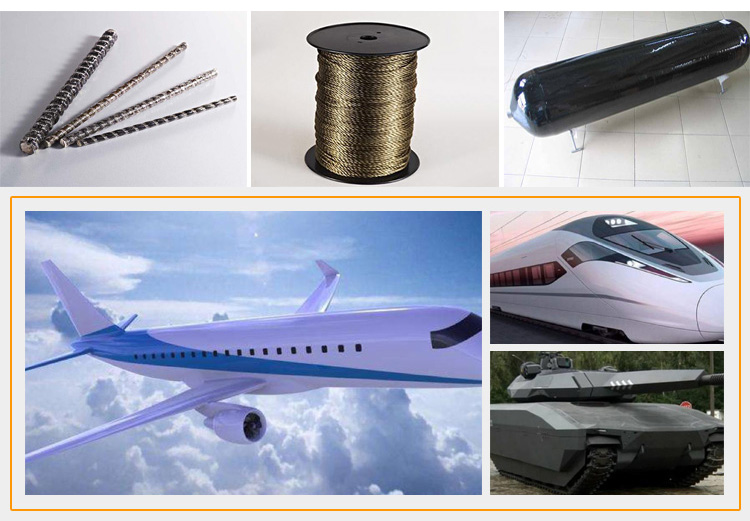
Rebar for concrete reinforcement
Profiles and pipes
High-pressure vessels
Geogrids and various fabric types
Basalt Fiber Application

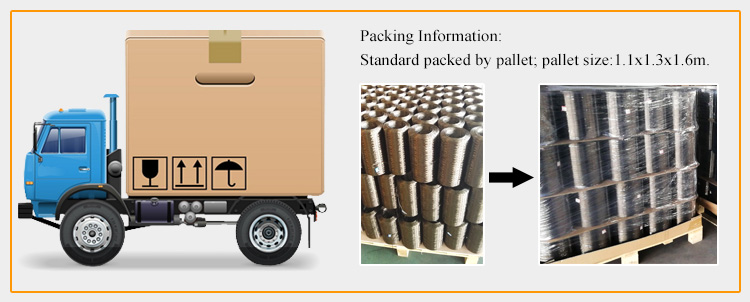
PACKING

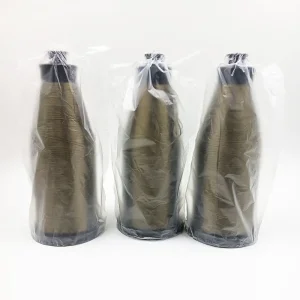
Product Packing
What are the primary advantages of Basalt Roving?
Basalt roving offers exceptional tensile strength, chemical corrosion resistance, and a very wide operating temperature range from -270°C to 700°C.
Is Basalt Roving compatible with standard resins?
Yes, it is designed with appropriate silane sizing to ensure excellent bonding strength and compatibility with a variety of resin systems.
What is the difference between Direct and Assembled Roving?
Direct roving is a single-end strand with zero catenary, ideal for weaving and pultrusion. Assembled roving consists of several strands joined together, often used for higher tex requirements.
How does basalt fiber perform in harsh environments?
It is highly resistant to UV radiation, moisture, frost, and chemical agents like salts, acids, and alkalis, making it ideal for infrastructure and marine applications.
What industries commonly use these materials?
It is widely used in construction for concrete reinforcement (rebar), automotive for profiles, and industrial manufacturing for high-pressure vessels and geogrids.

Related Products