High-tensile, corrosion-resistant, and thermally stable products optimized for American industrial standards.
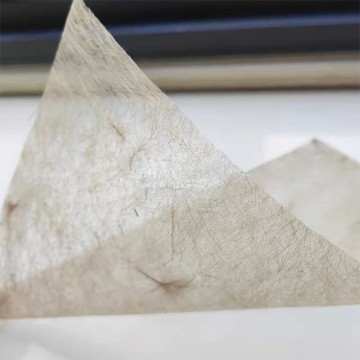
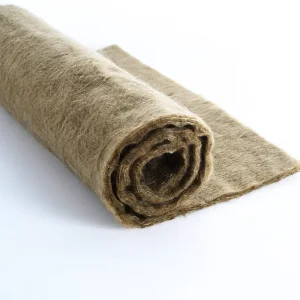
Non-woven thin sheets engineered for smooth, resin-rich surface layers in FRP applications. Ideal for bridge deck protection and pipeline reinforcement in the United States.
Read More →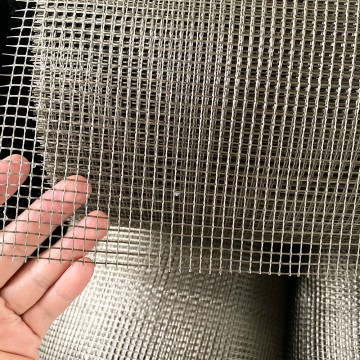
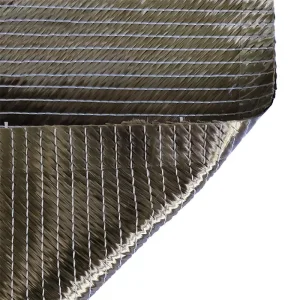
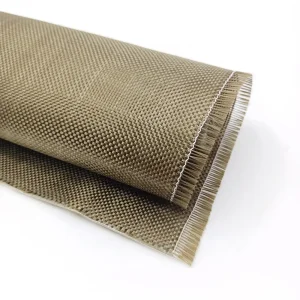
Superior reinforcement for concrete and plaster applications. Specifically treated for high alkali resistance, meeting US building codes for seismic reinforcement.
Read More →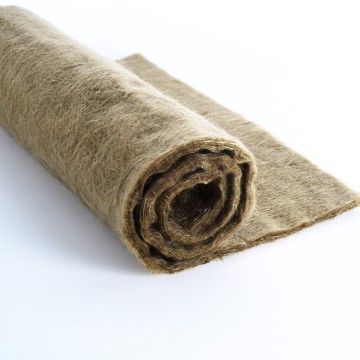
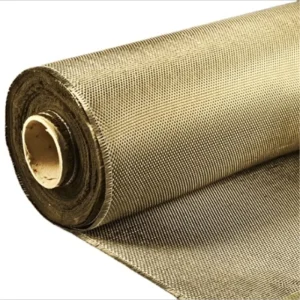
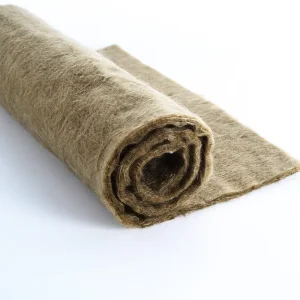
High-density thermal barrier manufactured through mechanical bonding. Non-combustible and eco-friendly, perfect for US automotive exhaust systems.
Read More →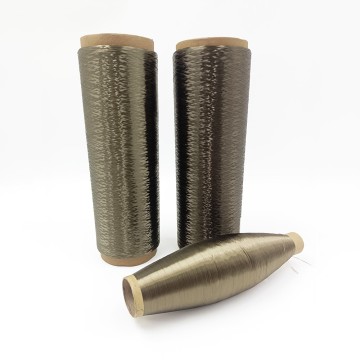
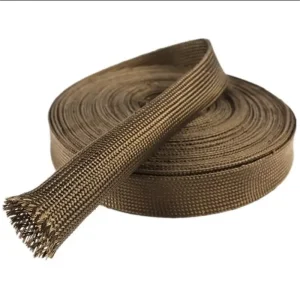
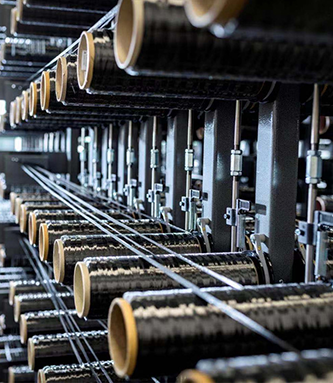
Precision-engineered filaments for high mechanical strength. Widely used in US aerospace composite weaving and high-pressure vessel manufacturing.
Read More →Unlocking Information Gain: Why Basalt is Replacing Carbon and Glass in North American Engineering.
The United States is currently undergoing a massive infrastructure renewal under the Infrastructure Investment and Jobs Act (IIJA). Traditional materials like steel are facing scrutiny due to corrosion and high lifecycle costs. Basalt Fiber Fabric, as a non-corrosive alternative, is seeing 300% growth in states like Florida, California, and Texas where marine environments and seismic activity demand superior durability. Unlike fiberglass (which can lack strength) or carbon fiber (which is often cost-prohibitive), Basalt offers the "Golden Ratio" of performance to cost for American contractors.
Globally, the shift toward sustainable manufacturing has positioned Basalt Fiber as the "Green Material of the 21st Century." Derived from volcanic rock through a single-component melting process, it requires significantly less energy than glass fiber and is 100% recyclable. For global enterprises focusing on ESG (Environmental, Social, and Governance) goals, Basalt fiber provides an immediate reduction in carbon footprint without sacrificing structural integrity.
As a leading Chinese manufacturer, China Beihai leverages an integrated supply chain that reduces lead times for US clients by 30%. Our factory utilizes AI-driven tension control systems and proprietary furnace technologies that ensure consistent filament diameter—a critical factor for aerospace-grade Basalt Cloth. By combining China's manufacturing scale with rigorous international quality standards (ISO 9001), we provide American distributors with a price-to-performance advantage that local US production often cannot match.
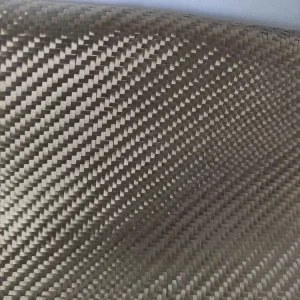
Basalt Unidirectional Cloth is being applied to bridge columns in California and Washington to increase ductility during earthquake events. Its high energy absorption is superior to traditional E-glass.
With the US shift to Electric Vehicles, Basalt Fabric is used as a thermal shield for battery packs. It withstands temperatures up to 700°C, providing critical safety margins during thermal runaway.
Basalt fiber rebar and cloth are immune to salt-water corrosion. This makes it the premier choice for sea walls, piers, and offshore oil platforms in the Gulf of Mexico.
Why Engineers Choose Basalt Fiber Over Traditional Reinforcements.
| Property | Basalt Fiber | E-Glass Fiber | Carbon Fiber (Standard) |
|---|---|---|---|
| Tensile Strength (MPa) | 3000 - 4800 | 1500 - 2500 | 3500 - 5000 |
| Elastic Modulus (GPa) | 91 - 110 | 72 - 76 | 230 - 250 |
| Service Temp Range (°C) | -260 to +700 | -60 to +450 | -50 to +500 |
| Corrosion Resistance | Excellent (Acid/Alkali) | Poor in Alkali | Excellent |
| Cost Efficiency | High | Moderate | Low (Expensive) |
Short-cut basalt fibers are increasingly integrated into 3D printing filaments for industrial-grade construction components, allowing for complex, high-strength geometries.
US procurement teams are prioritizing "low-embodied carbon" materials. Basalt fiber's natural origin and energy-efficient production make it a winner for LEED-certified projects.
Yes. Our Basalt fabrics are treated with versatile coupling agents (silanes) that ensure excellent wet-out and adhesion with epoxy, polyester, and vinyl ester resins commonly used in the North American composite industry.
Basalt fiber is inherently non-combustible. In ASTM E119 fire tests, basalt composites maintain structural integrity significantly longer than glass fiber, which starts to soften at much lower temperatures.
Standard orders from our Jiangxi factory typically reach major US ports (LA, Savannah, New York) within 25-35 days. We also offer expedited air freight for high-priority aerospace or R&D projects.
Founded in 2015, China Beihai is a high-tech enterprise dedicated to the research and production of high-performance basalt continuous fibers. We are not just a manufacturer; we are innovators who understand the specific rigorous demands of the US engineering sector.
 Beihai Fiberglass