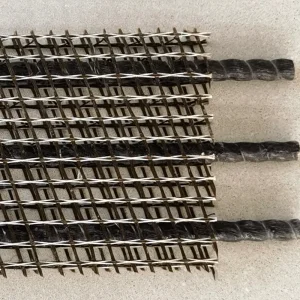
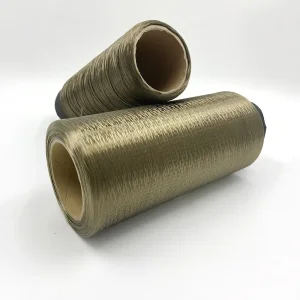
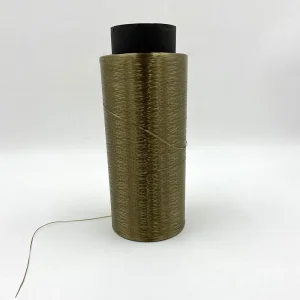
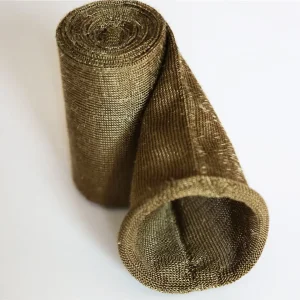
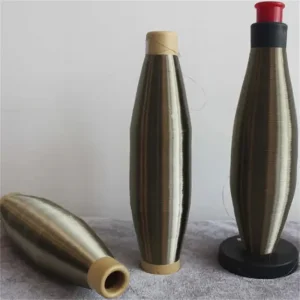
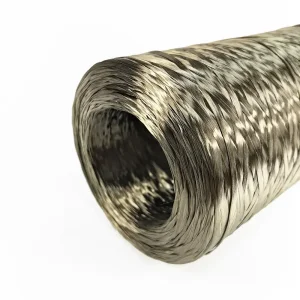
The global rubber industry is currently undergoing a paradigm shift. With the increasing demand for high-performance automotive tires, industrial conveyor belts, and high-pressure seals, traditional reinforcement materials like steel cords and glass fibers are reaching their physical limitations. Enter China Basalt Chopped Strand for Rubber. As a volcanic rock-derived material, basalt fiber offers a unique combination of high modulus, extreme thermal stability, and natural chemical resistance.
In the current market landscape, manufacturers are looking for "Green Reinforcement." Basalt fiber is an environmentally friendly alternative, requiring significantly less energy to produce than carbon fiber while offering superior performance to E-glass in acidic and alkaline environments. For the rubber industry, this means longer-lasting products, reduced weight, and enhanced safety.
Thermal Resistance
Tensile Strength
Weight Reduction
Eco-Friendly
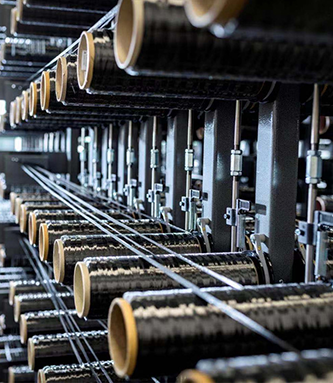
China Beihai was founded in 2015 and is located in Jiujiang, Jiangxi Province. China Beihai is a high-tech enterprise focusing on the research, development, production and sales of high-performance basalt continuous fiber and its production equipment manufacturing, as well as a leading enterprise in the domestic basalt fiber industry.
View More
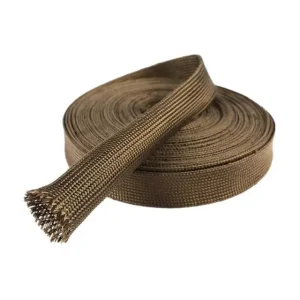
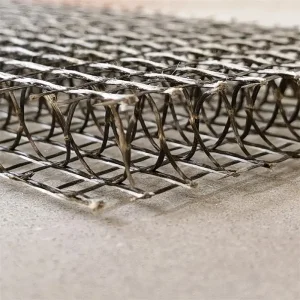
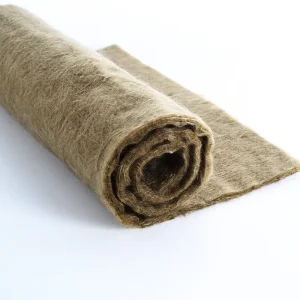
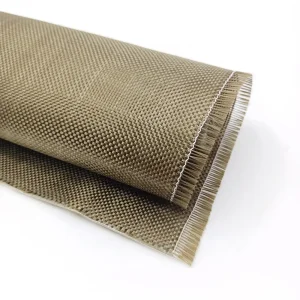
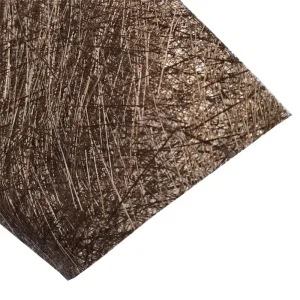
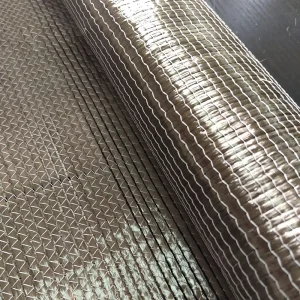
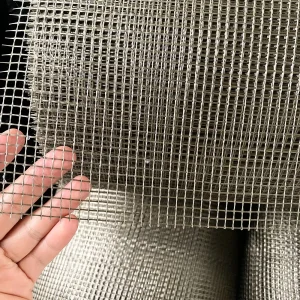
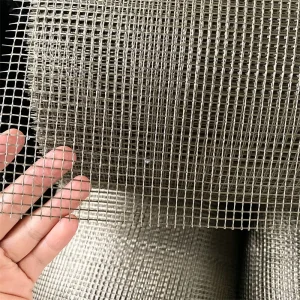
We specialize in the production of basalt fiber mat, fabric, roving, yarn, and chopped strands. Our products meet the diverse needs of various industries, providing high-quality solutions for our customers worldwide.

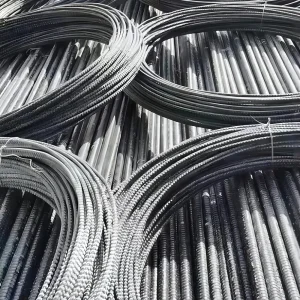
We deliver high-quality, sustainable solutions for industries such as construction, geotechnical engineering, and manufacturing. Our commitment to innovation drives us to offer a comprehensive selection of basalt-derived products.

Choosing China Beihai means reliability and innovation. We offer best-in-class basalt materials and construction products, backed by industry expertise and a dedication to excellence.
The integration of Basalt Chopped Strands into rubber matrices requires sophisticated surface treatment technologies. Unlike plastics, rubber involves a complex vulcanization process. Our technical roadmap focuses on Silane Coupling Agent Optimization to ensure maximum interfacial bonding between the inorganic basalt fiber and the organic rubber polymer.
Development of nano-engineered sizing agents that provide a flexible interface, preventing fiber breakage during high-shear rubber mixing.
Combining basalt chopped strands with carbon black and silica to create synergistic reinforcement effects in tire treads.
Embedding sensing capabilities within the fiber structure to monitor the structural health of rubber components in real-time.
In mining regions (e.g., Australia, Chile), basalt strands prevent belt elongation and provide exceptional resistance to sharp rock impacts.
In Europe's rail networks, basalt-reinforced rubber pads offer superior vibration damping and noise reduction compared to standard compounds.
In the North Sea or Gulf of Mexico, the corrosion resistance of basalt ensures that rubber seals do not degrade in saltwater and high-pressure environments.
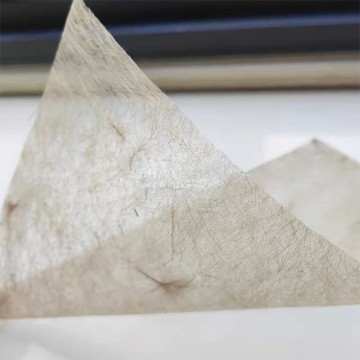
Engineered for smooth resin-rich surfaces.
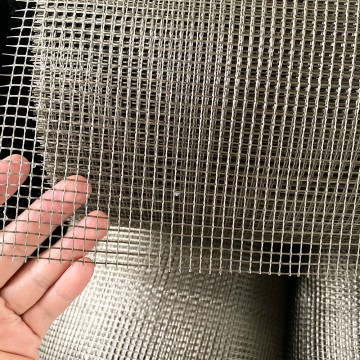
Superior solution for concrete and plaster.
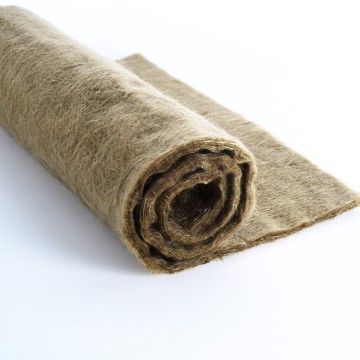
High density insulation without chemicals.
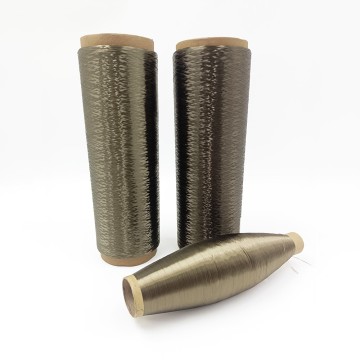
Enhanced mechanical strength for processing.
Diverse applications in house construction and infrastructure, providing stability and longevity.
Manufacturing aircraft wings and engine components using high-temperature-resistant basalt composites.
Realizing the trend of lightweight materials through advanced basalt fiber composite research.
Protecting structures from collisions, fire, and corrosion using basalt's unique high-strength properties.
Corrosion resistance gives basalt unique advantages in harsh chemical processing environments.
Increased strength, crack resistance, and improved chemical workability for modern engineering.
According to the 2024 Global Materials Forecast, the shift towards sustainable, inorganic fibers is accelerating. Basalt fiber is projected to see a 12% CAGR in the rubber sector. Key trends include:
A: Basalt fiber offers approximately 15-20% higher tensile strength and modulus than E-glass. More importantly, its chemical stability in harsh rubber vulcanization environments ensures that the reinforcement doesn't degrade over time, leading to much better fatigue resistance.
A: For rubber compounding, strands are typically 3mm, 6mm, or 12mm. The choice depends on the mixing equipment and the desired stiffness of the final product.
A: Basalt is chemically inert, so it does not interfere with the sulfur or peroxide curing systems. However, we recommend using fibers with specific sizing agents to ensure optimal adhesion between the fiber and the rubber matrix.
A: Yes, as a leading high-tech enterprise, we provide tailored quotes based on technical specifications, volume requirements, and logistical needs for global markets.
 Beihai Fiberglass