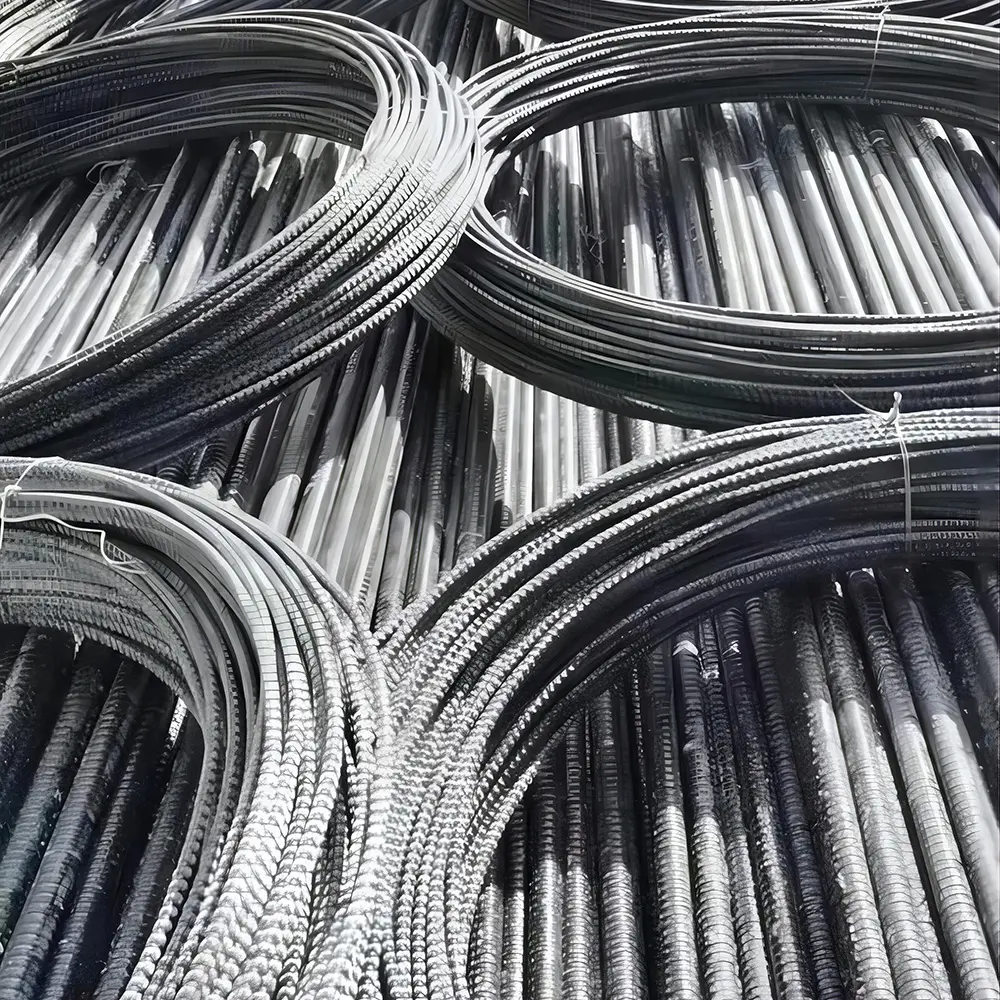
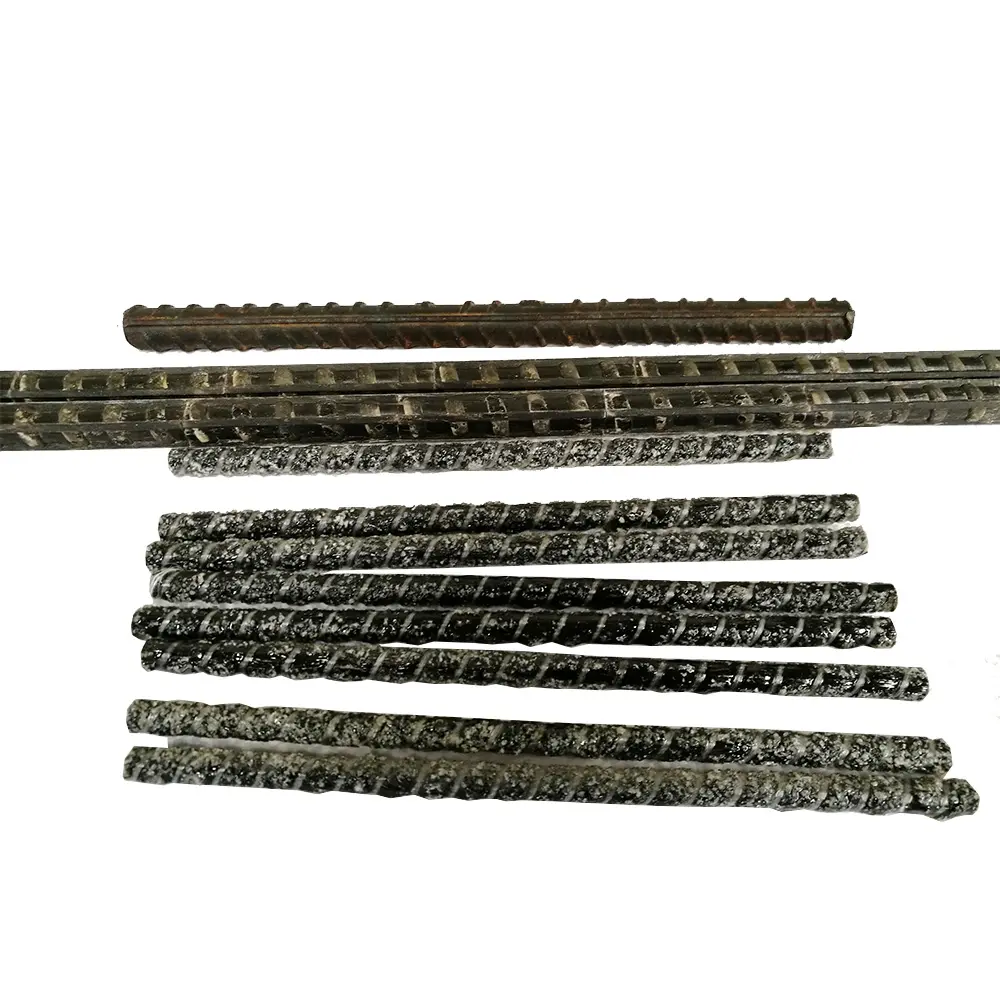
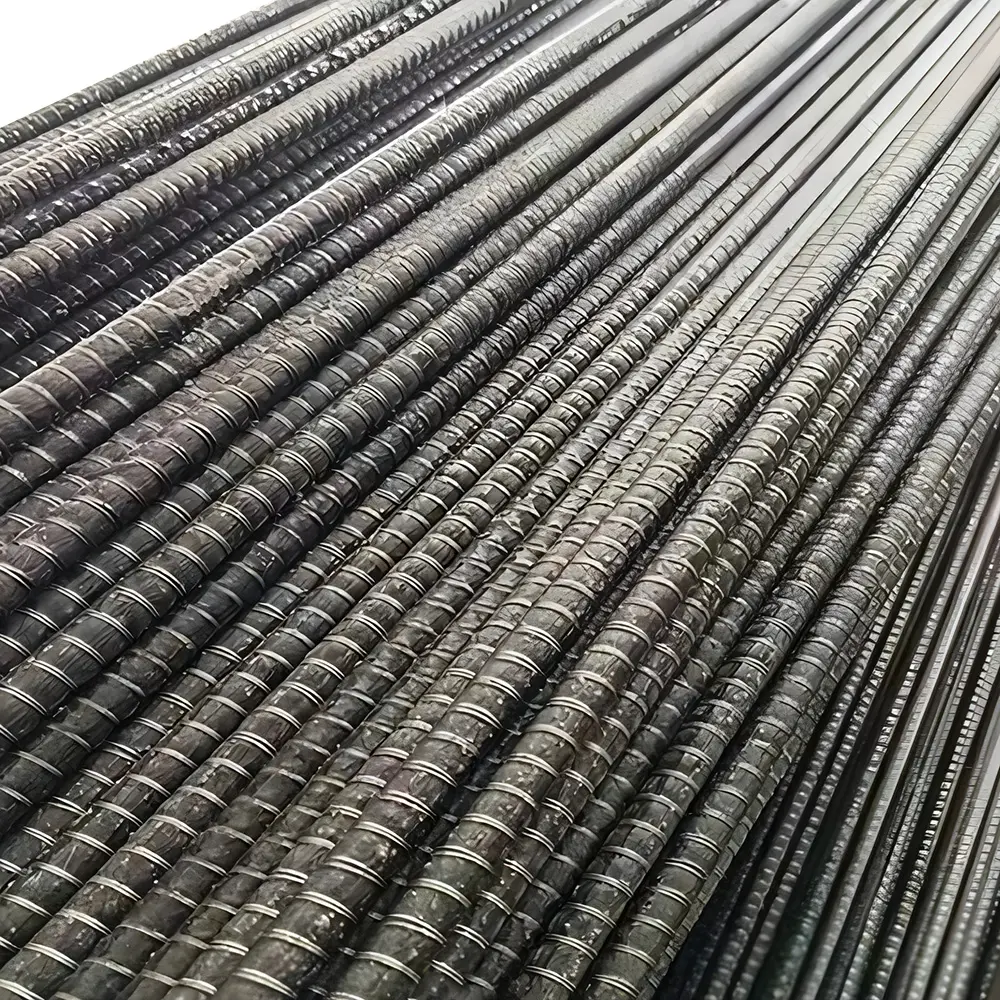
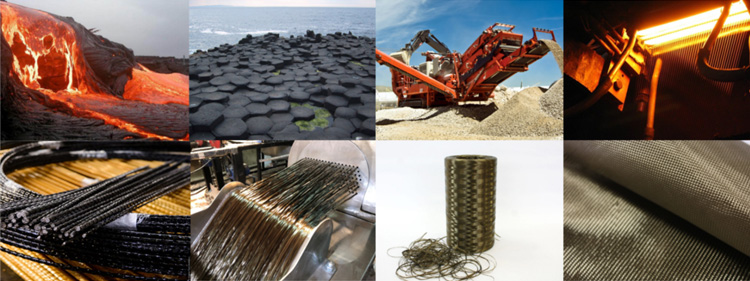
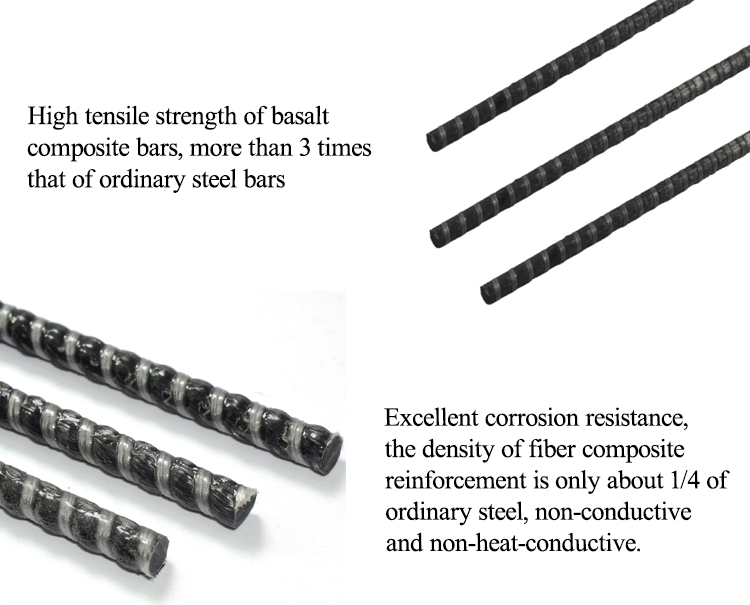
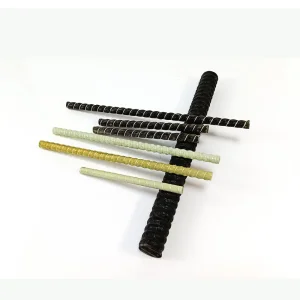
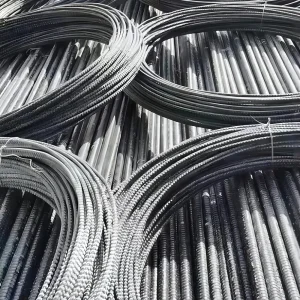
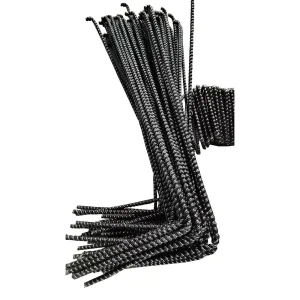
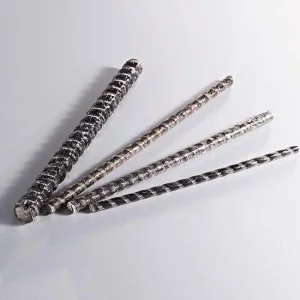
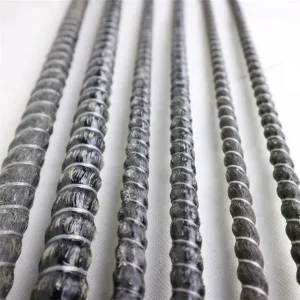
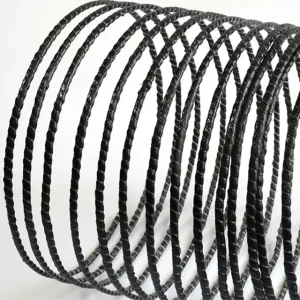
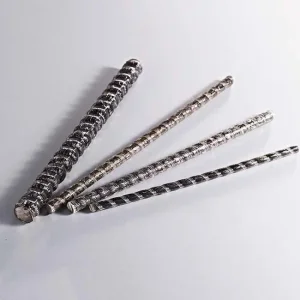
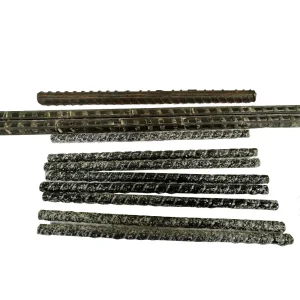
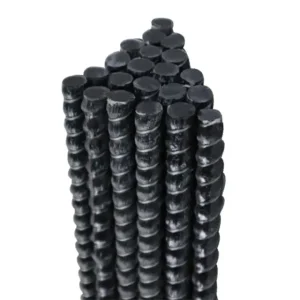
Basalt Fiber Reinforcement Composite (BFRP) is non-magnetic, electrically insulating, with high strength, high modulus of elasticity, and coefficient of thermal expansion similar to that of cement concrete. Extremely resistant to chemical corrosion, acid, alkali, and salt, it has a broad application prospect and great market potential.
1
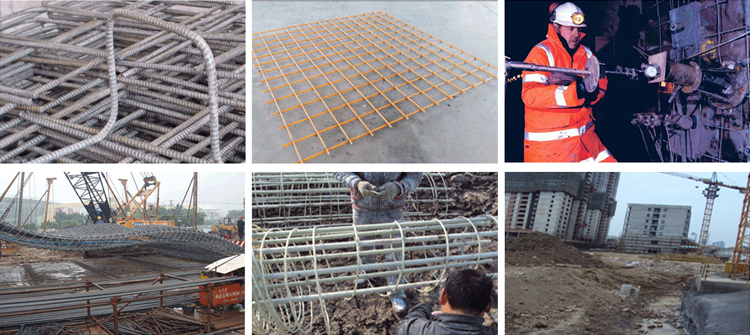
Seismic observatories, harbor and dock protection works, subway stations, bridges, and non-magnetic concrete buildings.
2
Prestressed concrete highway, anti-corrosion chemical floor slabs, and chemical storage tanks.
3
Magnetic resonance imaging infrastructure, communication buildings, and electronic equipment workshops.
4
Concrete slabs for nuclear fusion buildings and maglev railroads.
5
Telecommunication transmission towers, TV station stands, and fiber optic cable reinforcement cores.
✓
Lightweight & Non-magnetic: Approximately 1/4 the weight of steel with 4 times the strength. It does not interfere with magnetic detection or electronic equipment.
✓
Corrosion Resistance: Excellent resistance to acid, alkali, and salt, solving the durability issues of steel in corrosive environments.
✓
Construction Efficiency: Easy manual handling and operation without the need for welding or heavy lifting equipment, reducing safety risks and labor costs.
✓
High Comprehensive Benefits: Extends service life significantly. Using 60% of the effective cross-sectional area can save about 30% of material costs compared to ordinary steel.
✓
Marine Environment Superiority: Inherently corrosion-resistant, eliminating the need for expensive epoxy coatings or rust inhibitors in marine structures, saving up to 40% of total costs.
Frequently Asked Questions
Q1: What are the main benefits of using Basalt Fiber Reinforcement Composite (BFRP)?
A1: BFRP offers high strength (4x steel), light weight (1/4 steel), non-magnetic properties, and exceptional resistance to chemical corrosion from acids, alkalis, and salts.
Q2: In which environments is BFRP particularly effective?
A2: It is ideal for seismic observatories, marine engineering, subway stations, chemical storage facilities, and any infrastructure requiring non-magnetic or corrosion-resistant materials.
Q3: How does BFRP help in reducing construction costs?
A3: Due to its lightweight nature, it reduces the need for heavy lifting equipment and specialized welding. In marine environments, it eliminates the cost of protective coatings, saving approximately 40% of the total cost.
Q4: Is BFRP compatible with concrete structures?
A4: Yes, its coefficient of thermal expansion is very similar to that of cement concrete, ensuring structural integrity and preventing cracking due to temperature changes.
Q5: Can BFRP be used in electronic or medical facilities?
A5: Absolutely. Its non-magnetic and electrically insulating properties make it perfect for MRI rooms, radar interference-resistant buildings, and electronic equipment workshops.
Q6: What is the tensile strength of BFRP compared to steel?
A6: Depending on the specification, BFRP can reach tensile strengths of up to 1350 MPa, which is significantly higher than that of ordinary steel reinforcement.
 Beihai Fiberglass