 Beihai Fiberglass
1 / 3
| Item | Basalt Roving | ||||||
| Type of Size | Silane | ||||||
| Size Code | BH | ||||||
| Typical Linear Density (tex) | 500 | 200 | 600 | 700 | 400 | 1600 | 1200 |
| 300 | 1200 | 1400 | 800 | 2400 | |||
| Filament (μm) | 15 | 16 | 16 | 17 | 18 | 18 | 22 |
Compatibility with various resins is assured by appropriate sizings.
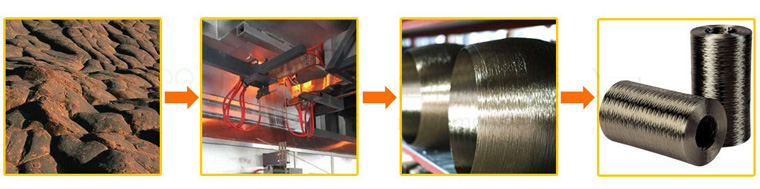
Basic technologies of basalt roving processing include:
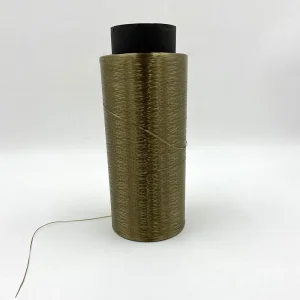
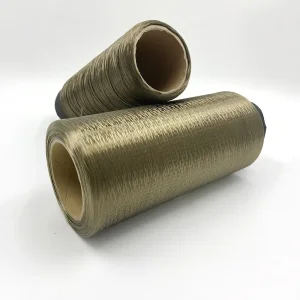
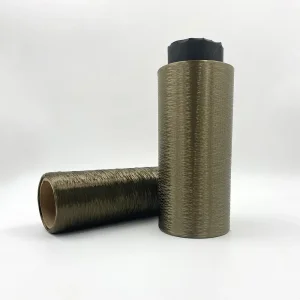
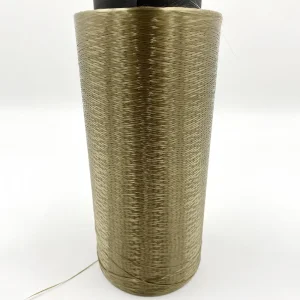
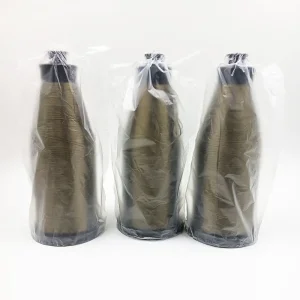
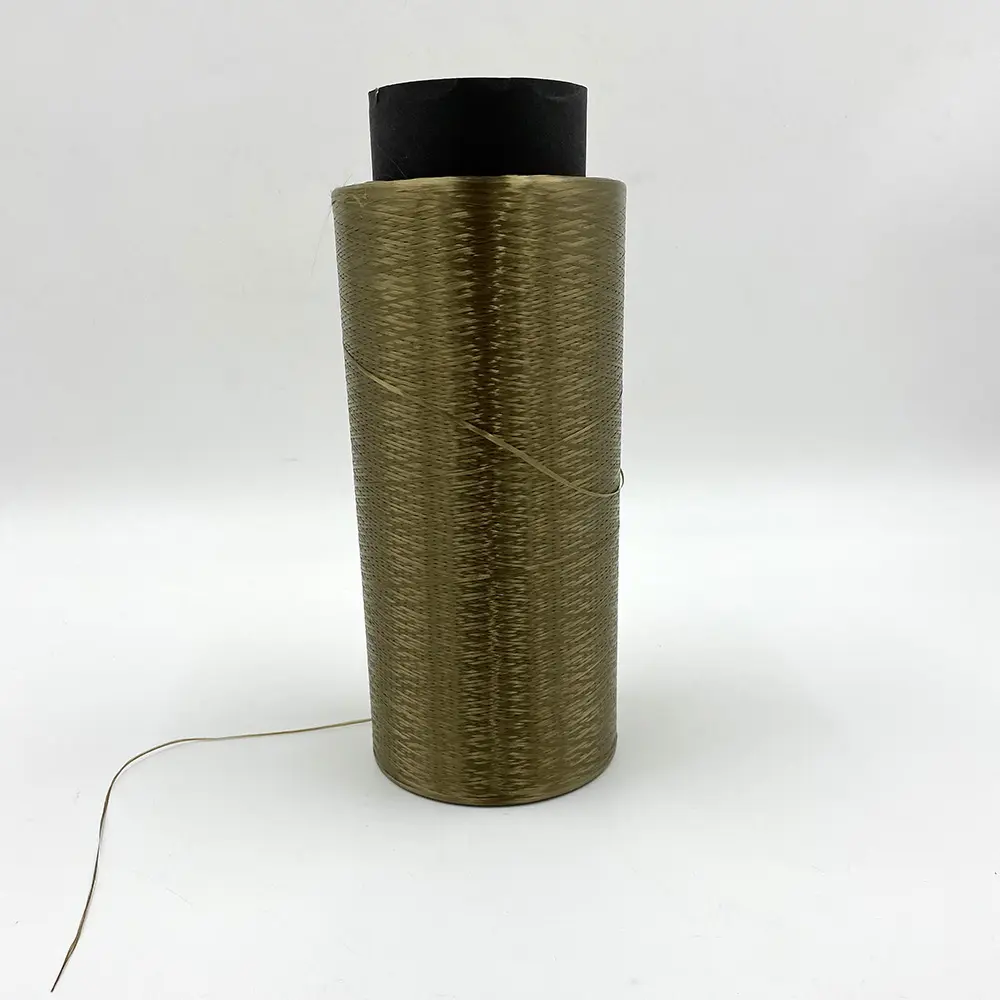
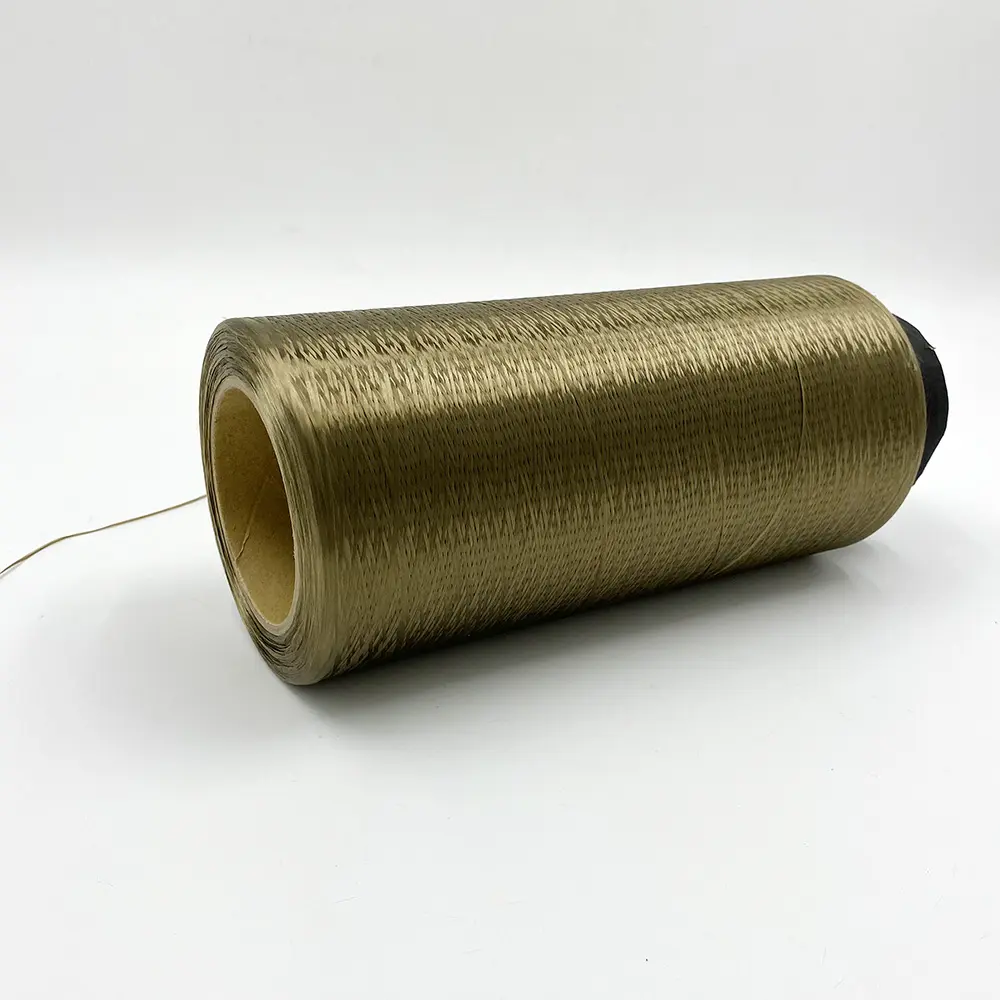
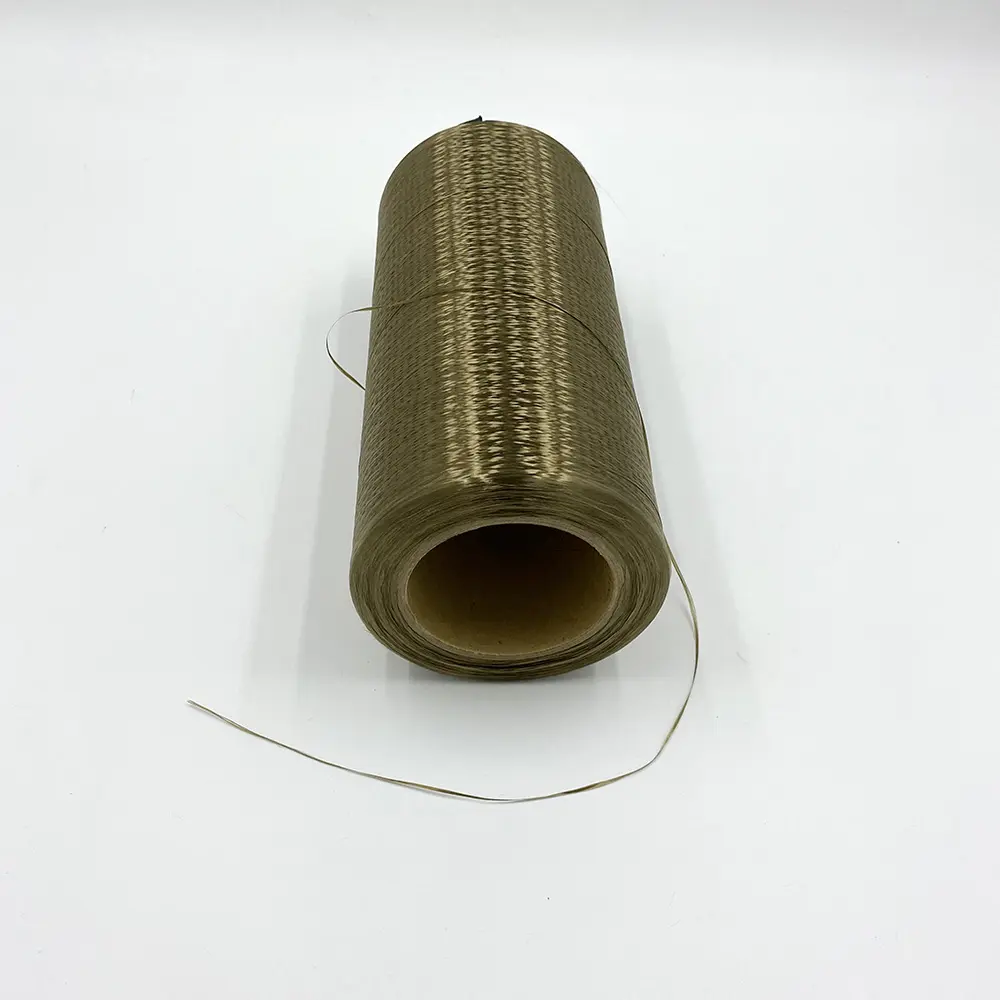
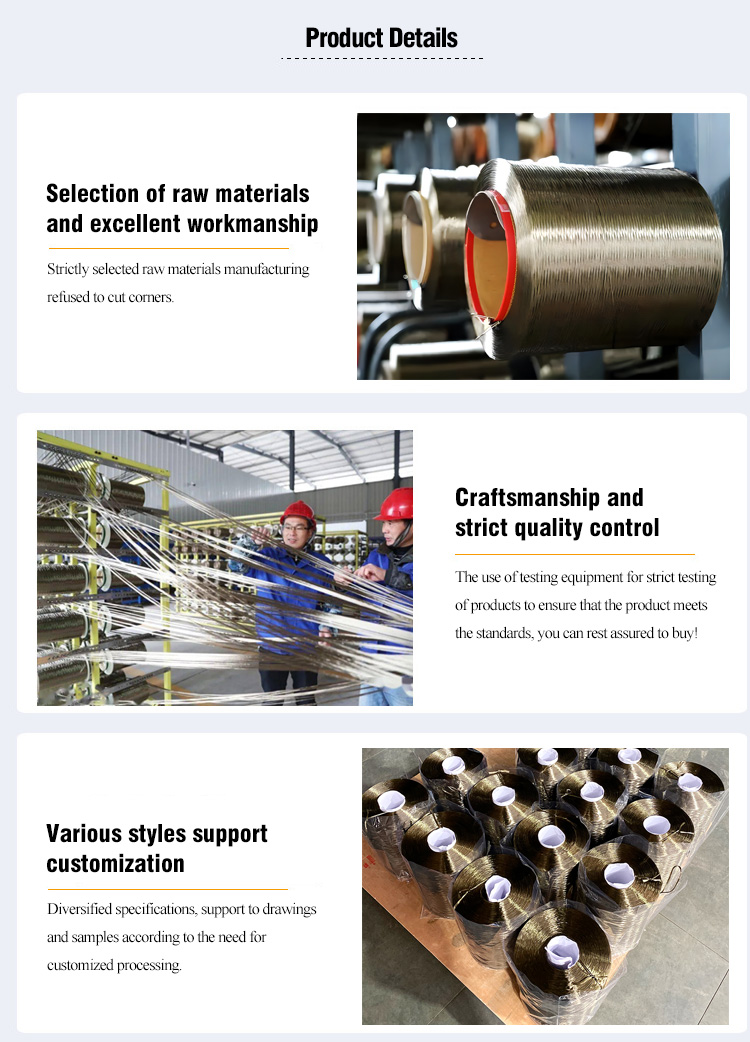
Ready-to-sell continuous one-end strand produced in the drawing process. Wound on bobbins (200mm or 160mm ID). Features zero catenary and excellent appearance. Ideal for fabrics, geogrids, pultruded profiles, and rebar.
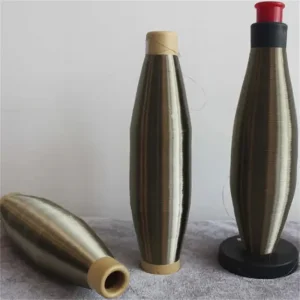
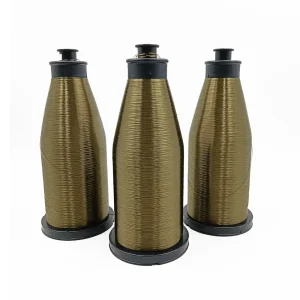
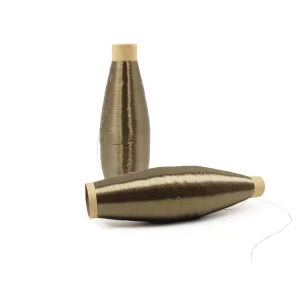
Consists of several single-end strands joined without twisting. Supplied on bobbins with internal pool (76mm ID) or external pool (76mm ID tube, 270mm length). Suitable for high tex requirements up to 4800 tex.
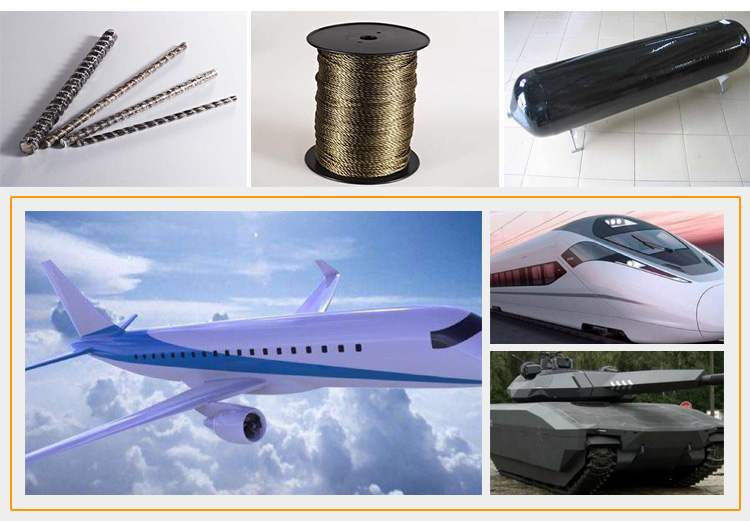
Widely used in construction, pipelines, automobiles, electrical appliances, and high-temperature filtration.
A: Basalt roving is primarily processed through pultrusion, filament winding, weaving, and the production of multiaxial fabrics.
A: Our basalt roving shows excellent compatibility with UP, EP, VE, PPS, PP, PA, PF, and acrylate systems.
A: Direct roving is a continuous one-end strand known for zero catenary and high-quality appearance. Assembled roving consists of several strands joined together without twisting, often used for higher tex requirements.
A: It is widely used in construction for building reinforcement (rebar), automotive parts, high-temperature filtration, and the manufacturing of pressure tanks and pipes.
A: Direct roving is typically wound on bobbins with an internal diameter of either 160 mm or 200 mm.
A: Yes, basalt roving is frequently utilized in high-temperature filtration and resistant plastic molding compounds (SMC/BMC/DMC) due to its inherent thermal stability.