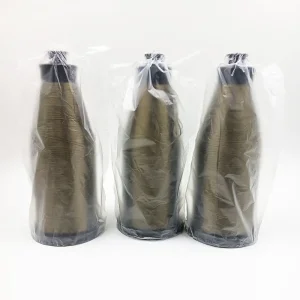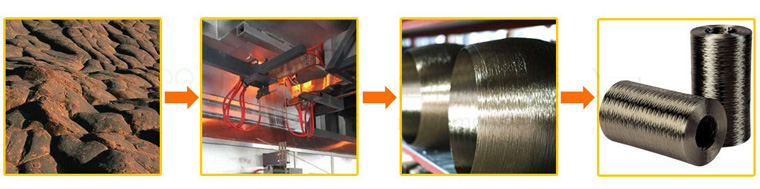
🚀 Key Applications
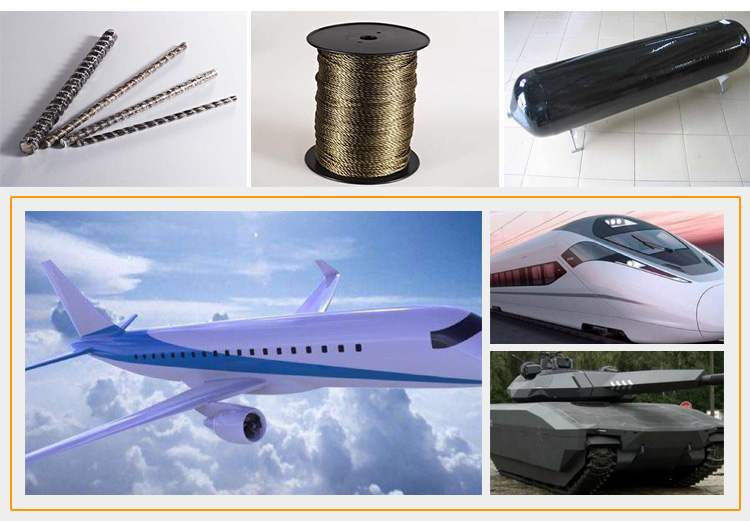
- Reinforcing Composite Materials: Excellent compatibility with UP, EP, VE, PPS, PP, PA, PF, and acrylate resin systems.
- Unidirectional Fabric: Used for building reinforcement.
- Checkered and Mesh Fabrics: Production of geotextiles and industrial fabrics.
- Pipe and Cylinder Wrapping: Ideal for reinforcing pipes, tanks, and gas cylinders.
- Building Repair and Reinforcement: High-temperature resistant SMC, BMC, DMC, and road-use short-cut fibers.
- Basalt Fiber Reinforced Plastics (BFRP): Used in creating basalt fiber composite rebar and other reinforced plastics.
Basalt fiber roving is highly durable, eco-friendly, and compatible with various resin systems, making it indispensable for producing lightweight, strong, and corrosion-resistant materials for demanding applications.
📊 Product Specification
| Item |
Basalt Roving |
| Type of Size |
Silane |
| Size Code |
BH |
| Typical Linear Density (tex) |
500 |
200 |
600 |
700 |
400 |
1600 |
1200 |
| 300 |
1200 |
1400 |
800 |
2400 |
| Filament (μm) |
15 |
16 |
16 |
17 |
18 |
18 |
22 |
Compatibility with various resins is assured by appropriate sizings. Basic technologies of basalt roving processing include:
- Pultrusion
- Filament winding
- Weaving
- Multiaxial fabrics production
🔍 Roving Types
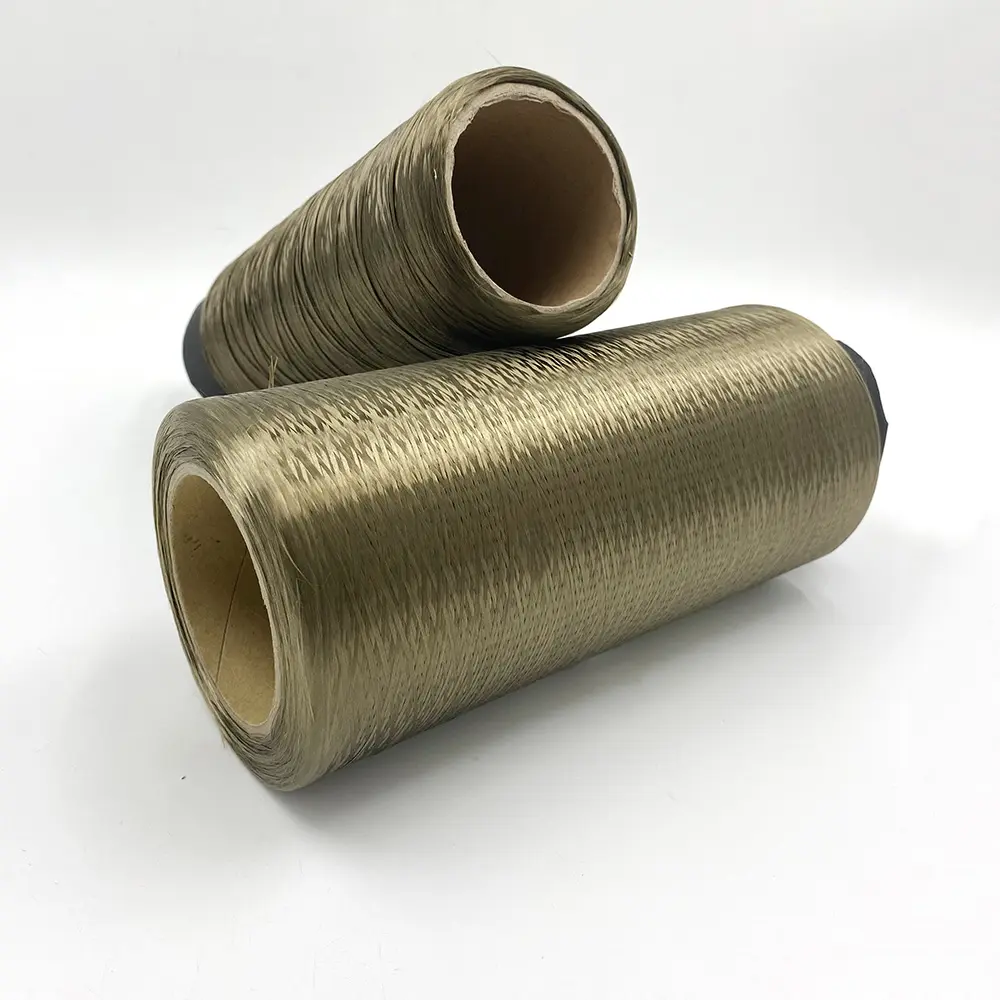
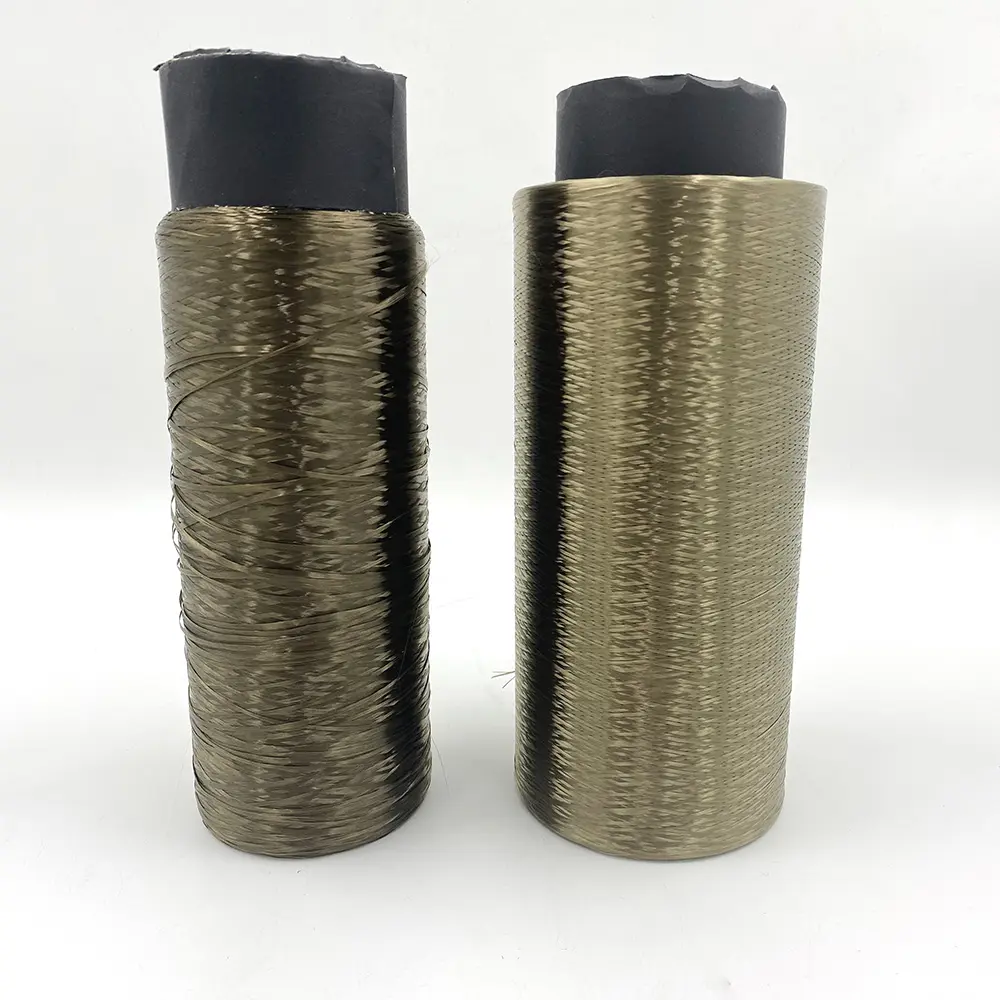
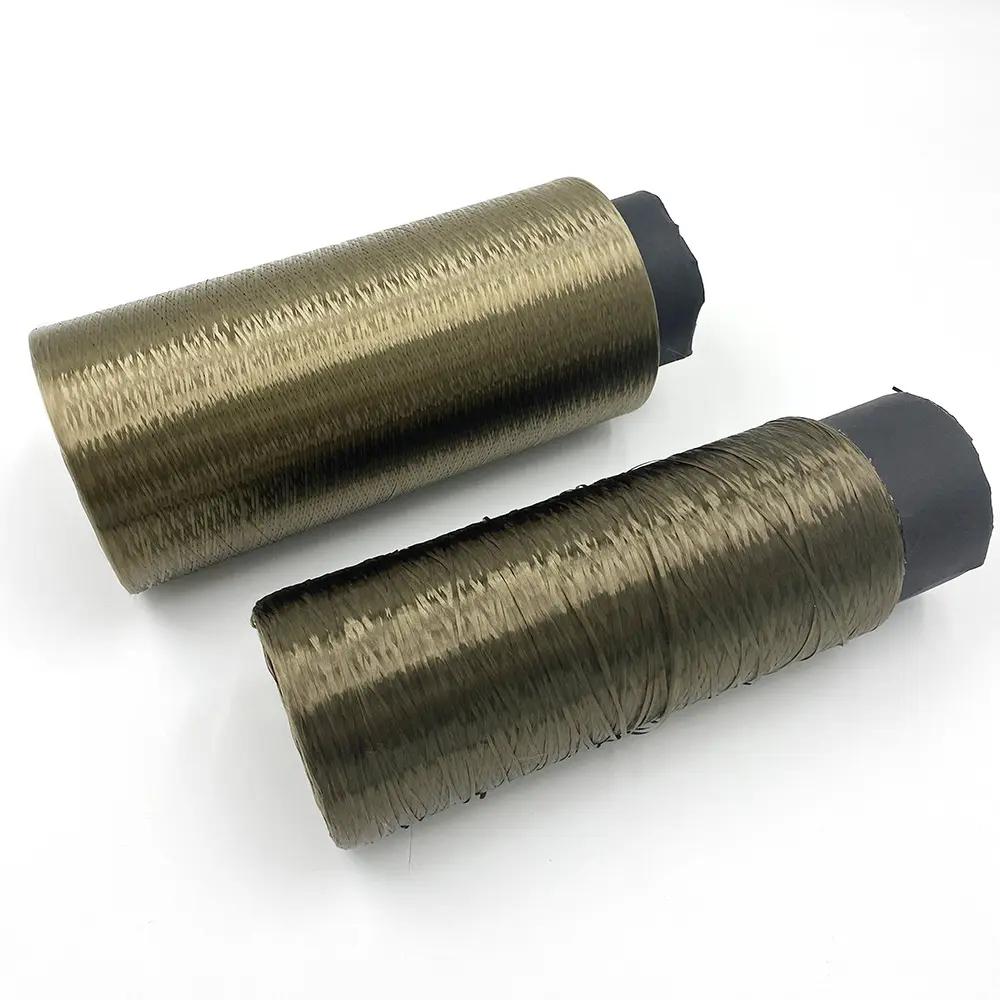
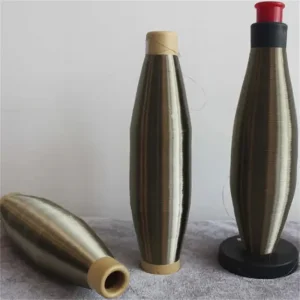
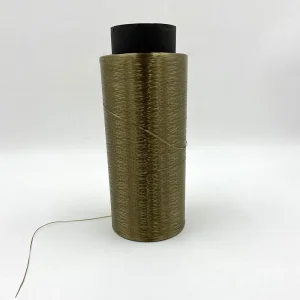
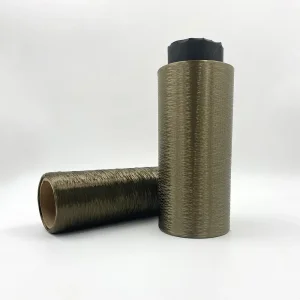
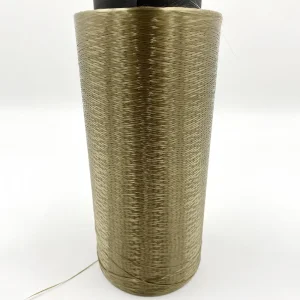
1. Direct Roving: A ready-to-sell continuous one-end strand produced in the drawing process and wound on bobbins with 200 mm or 160 mm internal diameter. The main advantage of direct roving is zero catenary and excellent appearance. It is widely used for fabrics, geogrids, pultruded profiles, and rebar.
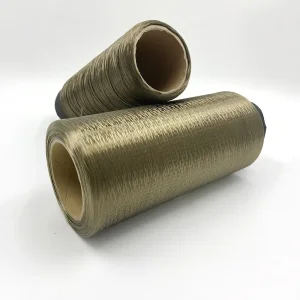
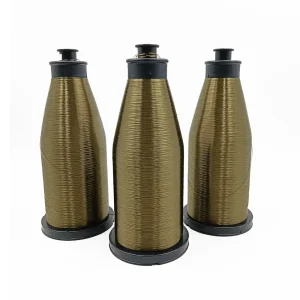
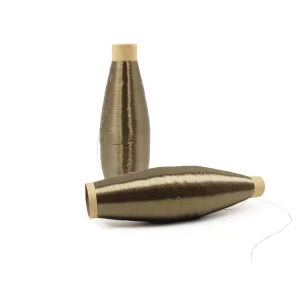
2. Assembled Roving: Consists of several single-end strands joined together without twisting. It is supplied on bobbins with internal pool (tubeless, 76 mm diameter) or external pool (wound on a tube).
📦 Packing
❓ Frequently Asked Questions
What are the primary benefits of Basalt Fiber Roving?
Basalt fiber roving offers high tensile strength, excellent chemical resistance, high thermal stability, and is an eco-friendly alternative to glass fiber.
Which resin systems are compatible with this roving?
It is highly compatible with UP (Unsaturated Polyester), EP (Epoxy), VE (Vinyl Ester), PPS, PP, PA, PF, and acrylate resin systems.
What is the difference between direct and assembled roving?
Direct roving is a single continuous strand with zero catenary, ideal for weaving and pultrusion. Assembled roving joins multiple strands together for higher tex requirements.
Can basalt roving be used for building reinforcement?
Yes, it is commonly used for unidirectional fabrics, basalt rebar (BFRP), and high-temperature resistant repair materials in construction.
What linear densities (tex) are available?
Typical linear densities range from 200 tex up to 2400 tex, depending on the specific application and filament diameter.
What processing technologies are supported?
It supports pultrusion, filament winding, weaving, and the production of multiaxial fabrics.
 Beihai Fiberglass