Engineered volcanic materials delivering unmatched tensile strength, thermal resistance, and structural longevity for modern infrastructure.
An in-depth chemical and engineering analysis of continuous igneous rock filamentization.
Basalt is a dark-colored, fine-grained, igneous rock composed mainly of plagioclase and pyroxene minerals. Formed from rapid cooling of basaltic lava, this abundant mineral contains zero artificial chemical components. Through advanced single-component melt processing at temperatures exceeding 1450°C, it transitions straight from raw natural rock into continuous fiber without generating hazardous emission waste.
Continuous basalt fiber exhibits outstanding thermal insulation and stability. It reliably operates within a massive temperature envelope spanning -260°C to +820°C. Compared to traditional glass fibers or organic synthetic compounds, basalt continuous fibers show zero thermal degradation or strength drop in extremely cold space systems or extreme combustion scenarios.
Basalt is highly resistant to acids, alkalis, and salt damage. When used as structural reinforcement in cement or high-humidity marine conditions, basalt fiber does not rust or cause micro-cracking like steel rebar. It retains 85%+ of its original tensile strength in alkaline concrete pore solutions, ensuring structure lifespans exceeding 100 years without needing heavy structural maintenance.
Founded in 2015 and located in the industrial heart of Jiujiang, Jiangxi Province, China Beihai is a designated state-level high-tech enterprise. We are wholly focused on the research, development, and high-capacity manufacturing of high-performance continuous basalt fiber and downstream mechanical systems.
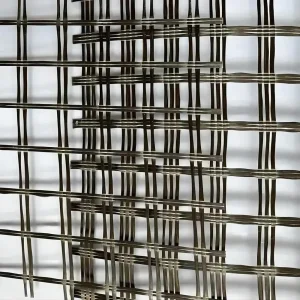
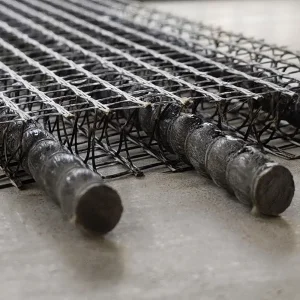
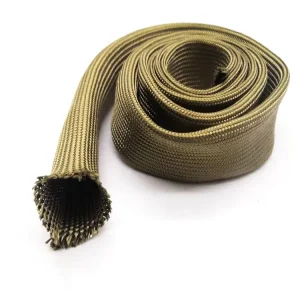
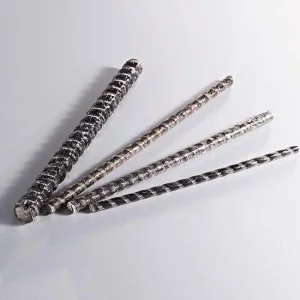
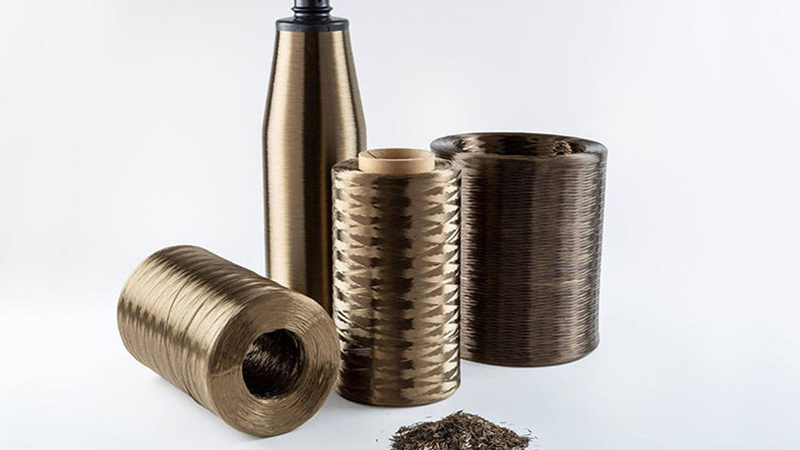
At China Beihai Group, we specialize in the continuous technological control of basalt chemistry, spinning, and composite weaving. We offer a comprehensive product catalog—from raw basalt rovings, yarn, and chopped strands to highly specialized civil engineering and industrial products such as chopped strand mats, high-tensile basalt rebar, sound-deadening felt, and corrosion-resistant sleeves/tapes.
Direct volcanic mineral melt draw technology.
Full tracking of raw materials and melt profiles.
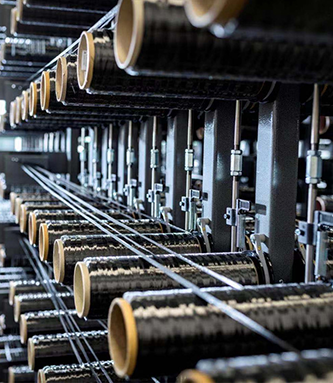
Ensuring consistency, robust capacity, and cost-efficiency at every phase of the basalt manufacturing supply chain.

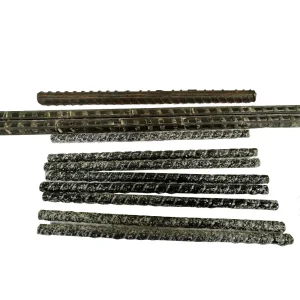
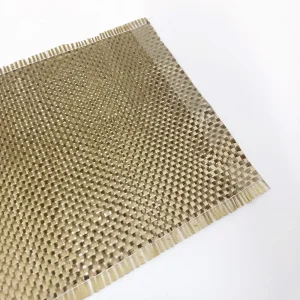
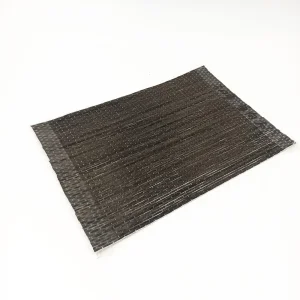
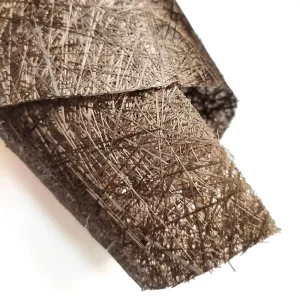
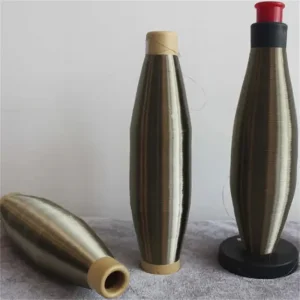
We specialize in the production of a wide range of basalt continuous fiber products including basalt fiber mat (chopped strand mat, plain & unidirectional fabrics), high-tensile basalt fiber roving, ultra-stable yarn, chopped strands, and structural components like basalt fiber rebar, custom sleeves, and high-temp tape. All shapes and configurations are precisely calibrated to meet diverse industrial requirements.

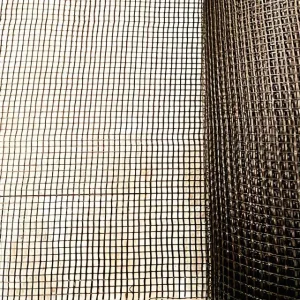
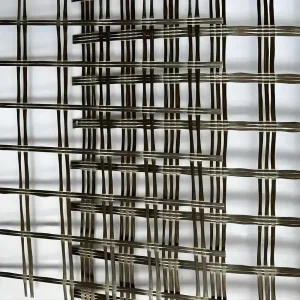
We supply sustainable, high-strength geogrid reinforcement systems and specialized insulation matrices for geotechnical, construction, and high-temperature manufacturing. Through proprietary melting furnace designs and advanced draw-nozzle machinery, we transform volcanic ore into clean structural assets that reduce the carbon footprints of global logistics and infrastructure projects.

Partnering with China Beihai secures you direct access to premium quality control, industrial scale, and competitive pricing. Our deep mineral processing expertise and state-of-the-art furnace installations allow us to control filament diameters down to the micron. This ensures consistent mechanical properties, reliable bulk supply, and professional logistical coordination for projects worldwide.
From deep-sea marine engineering to outer-space vehicle systems, basalt sets new structural boundaries.
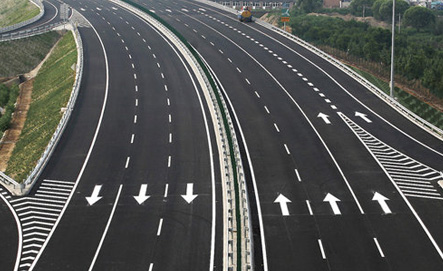
In bridge decks, highway pavements, marine sea walls, and commercial concrete pours, basalt fiber geogrids and reinforcing rebar offer a rust-proof alternative to steel. Because basalt matches the thermal expansion coefficient of concrete perfectly, it completely eliminates interior micro-cracks caused by thermal shifts, substantially reducing repair cycles.
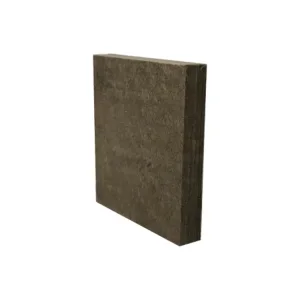
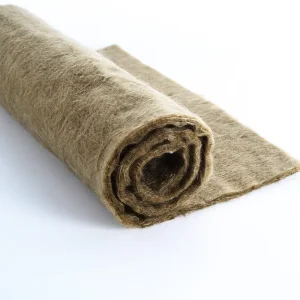
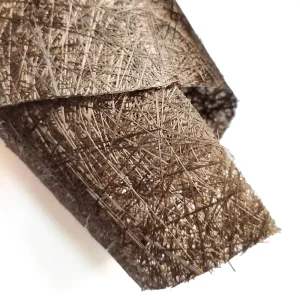
Global automakers utilize basalt needle felts and structural composite mats to build highly effective soundproofing panels, firewall barriers, and under-engine shields. Offering superior vibrational damping compared to glass fiber, basalt reduces cabin decibels while withstanding high engine temperatures without breaking down or releasing toxic vapors.
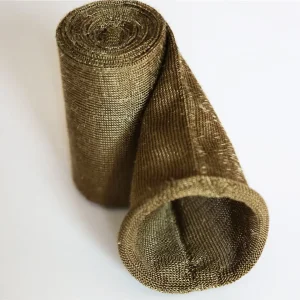
Due to its high thermal barrier capabilities and extreme corrosion resistance, aerospace agencies choose basalt continuous fabrics to wrap spacecraft fuselages, satellite components, and engine compartments. Similarly, petrochemical plants use basalt sleeves and high-strength tapes to shield highly volatile pipelines from fire and acid corrosion risks.
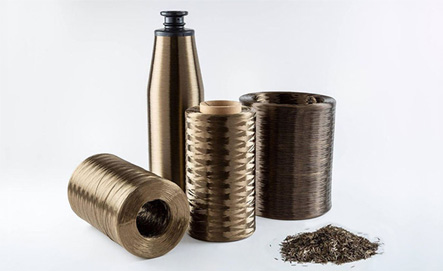
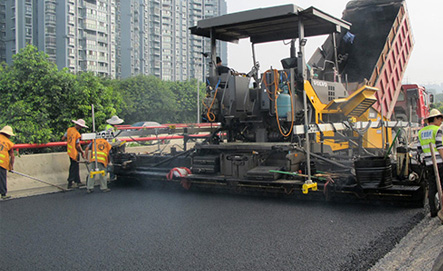
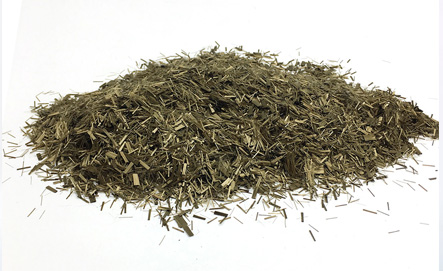
Documented analysis of materials revolutions driving next-generation engineering structures.

As advanced robotic systems execute high-precision cycles on factory floors and autonomous drone clusters monitor dynamic geological and forest spaces, the fundamental reliance on robust, lightweight, non-conductive framework structures has grown exponentially.
Traditional metals and even classic glass fibers struggle to match the extreme vibration-absorption metrics, structural fatigue life, and complete electromagnetic shielding needed by advanced hardware. By using continuous basalt composite frameworks, these dynamic systems operate with far higher accuracy and longer structural lifespans.
Read directly about Beihai's role in supplying light aircraft components.
Strategic directions for continuous basalt fiber (CBF) processing development through 2030.
Refining single-component melt stability to control filament diameters precisely between 9 and 13 microns. This significantly reduces microscopic flaws and boosts the tensile strength of the extruded fibers by up to 25%.
Formulating advanced sizing resins that create a robust protective barrier around each filament. This completely shields the basalt from harsh concrete chemistry, ensuring unmatched strength retention in alkaline environments.
Upgrading to clean, automated electric-melt furnaces powered by renewable energy. Transitioning basalt production to a highly sustainable, carbon-neutral manufacturing process that sets a new green standard globally.
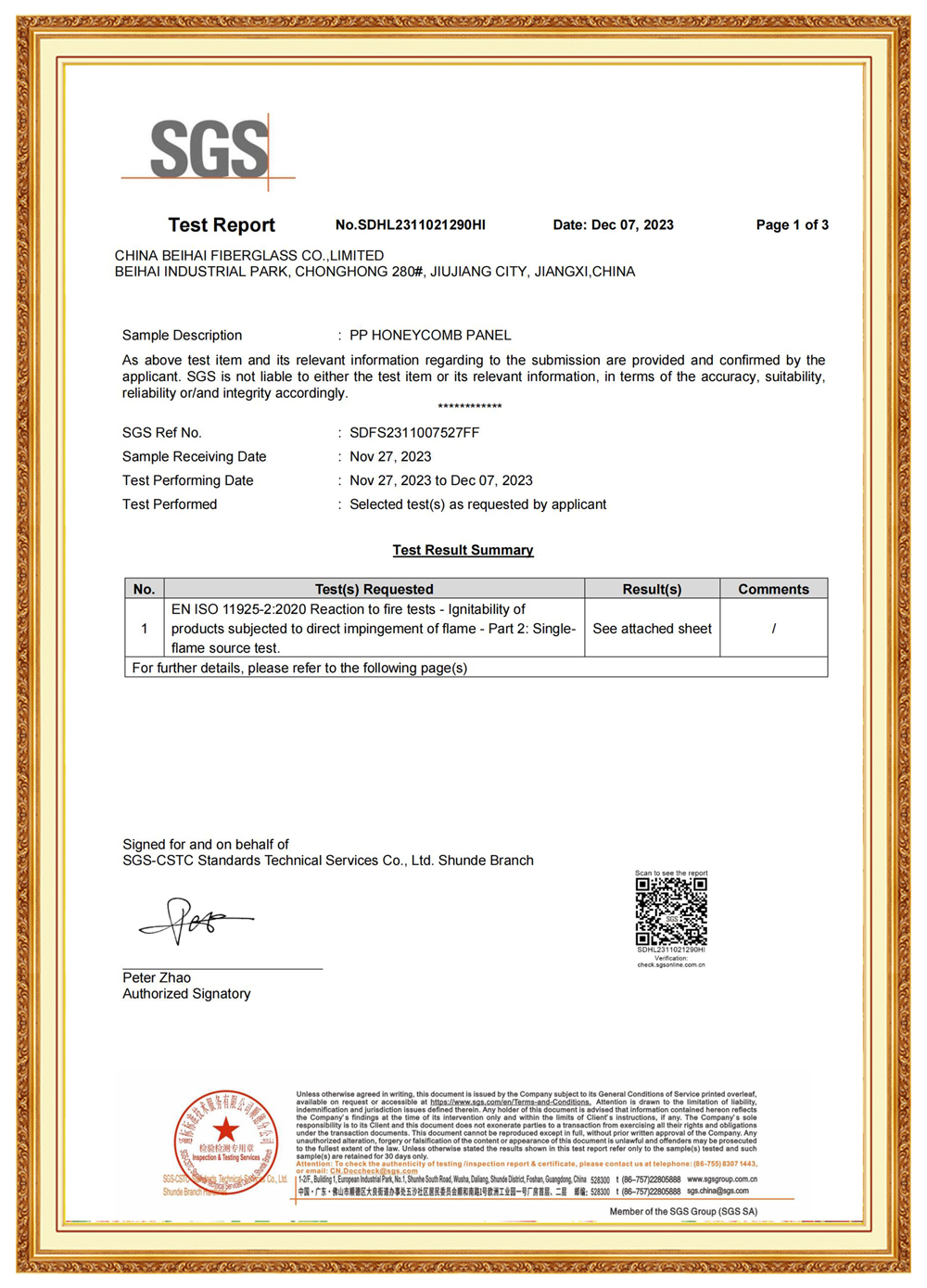
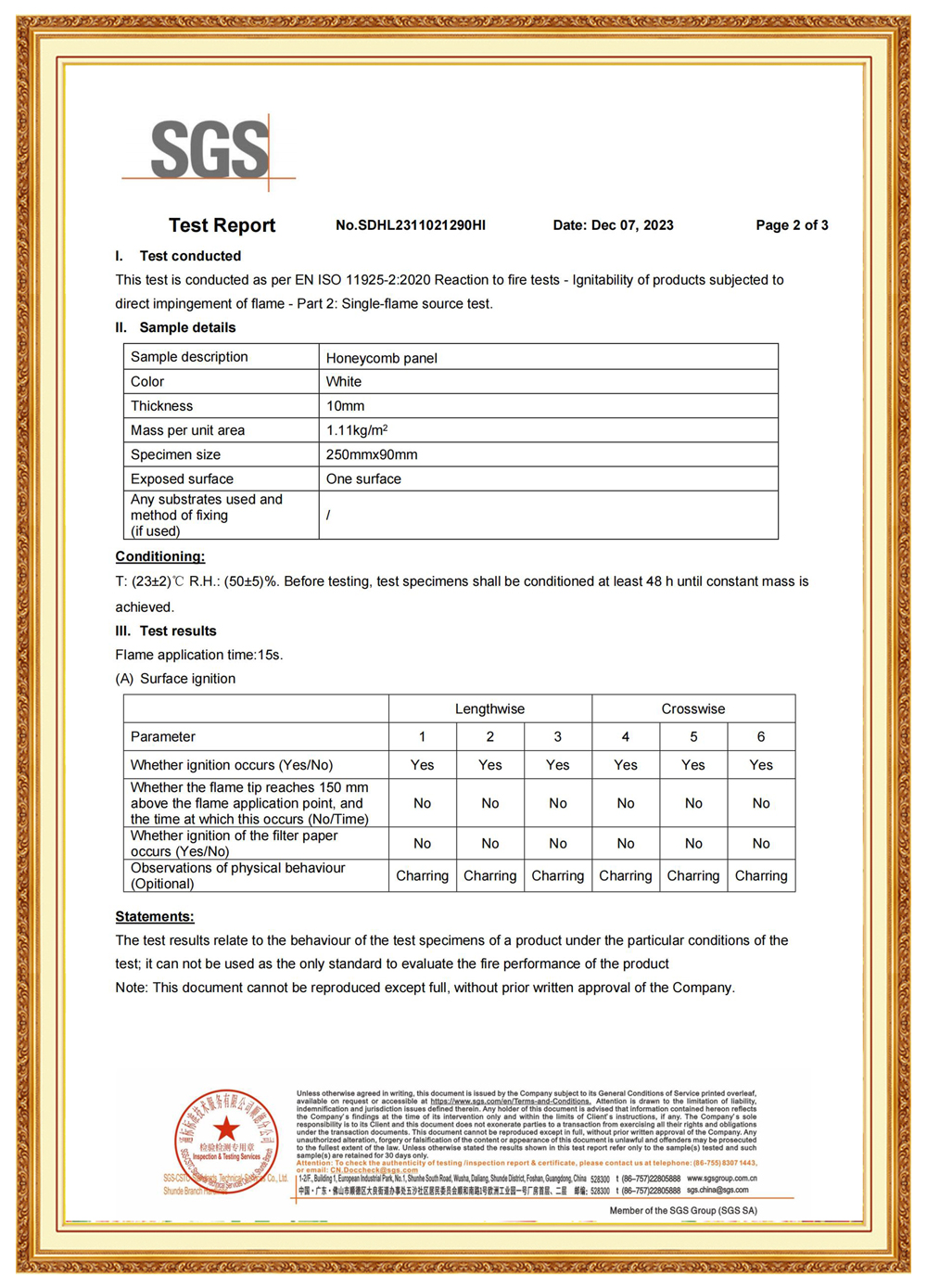
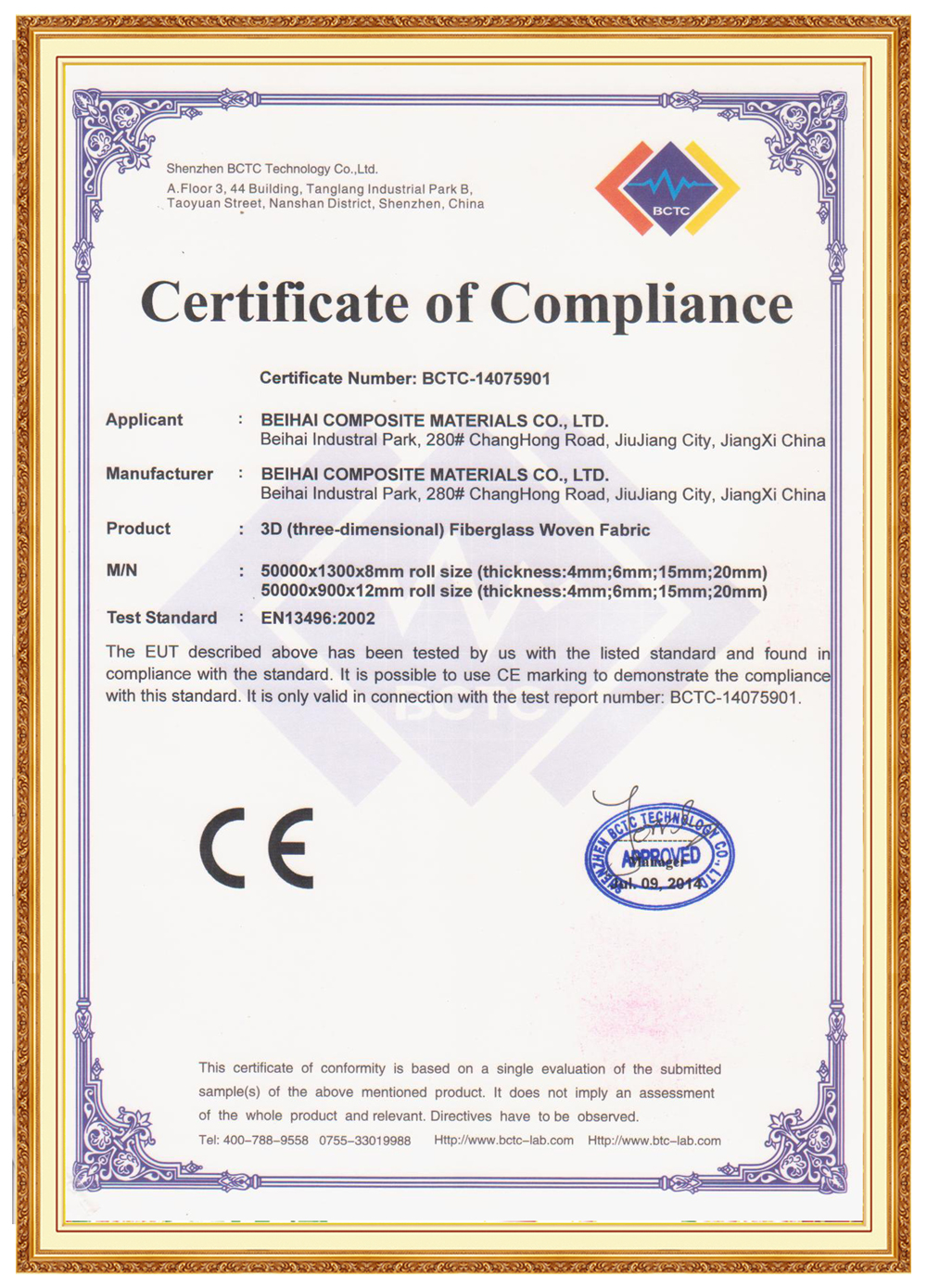
All products are audited and certified to meet international building, industrial, and safety standards.
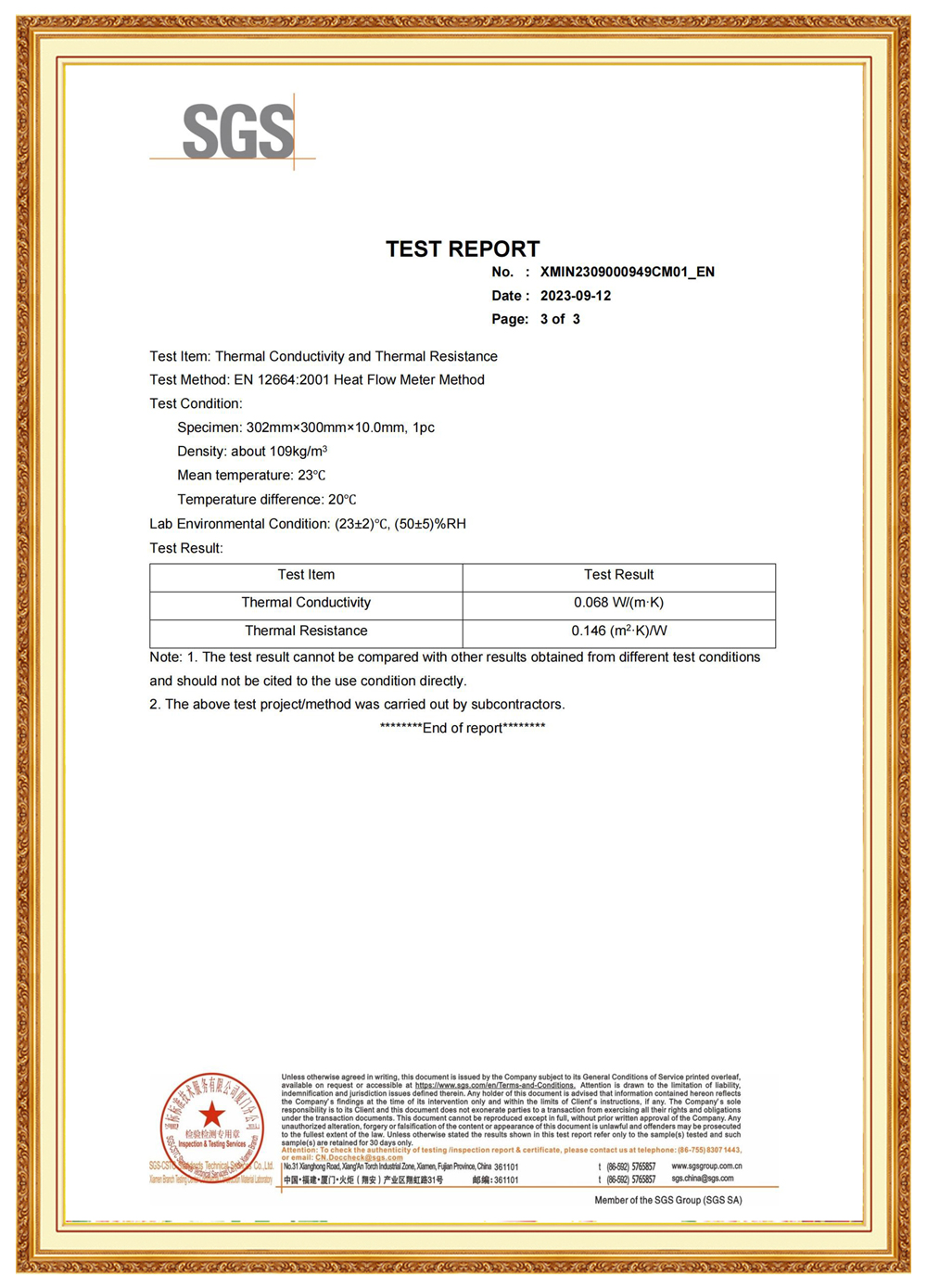
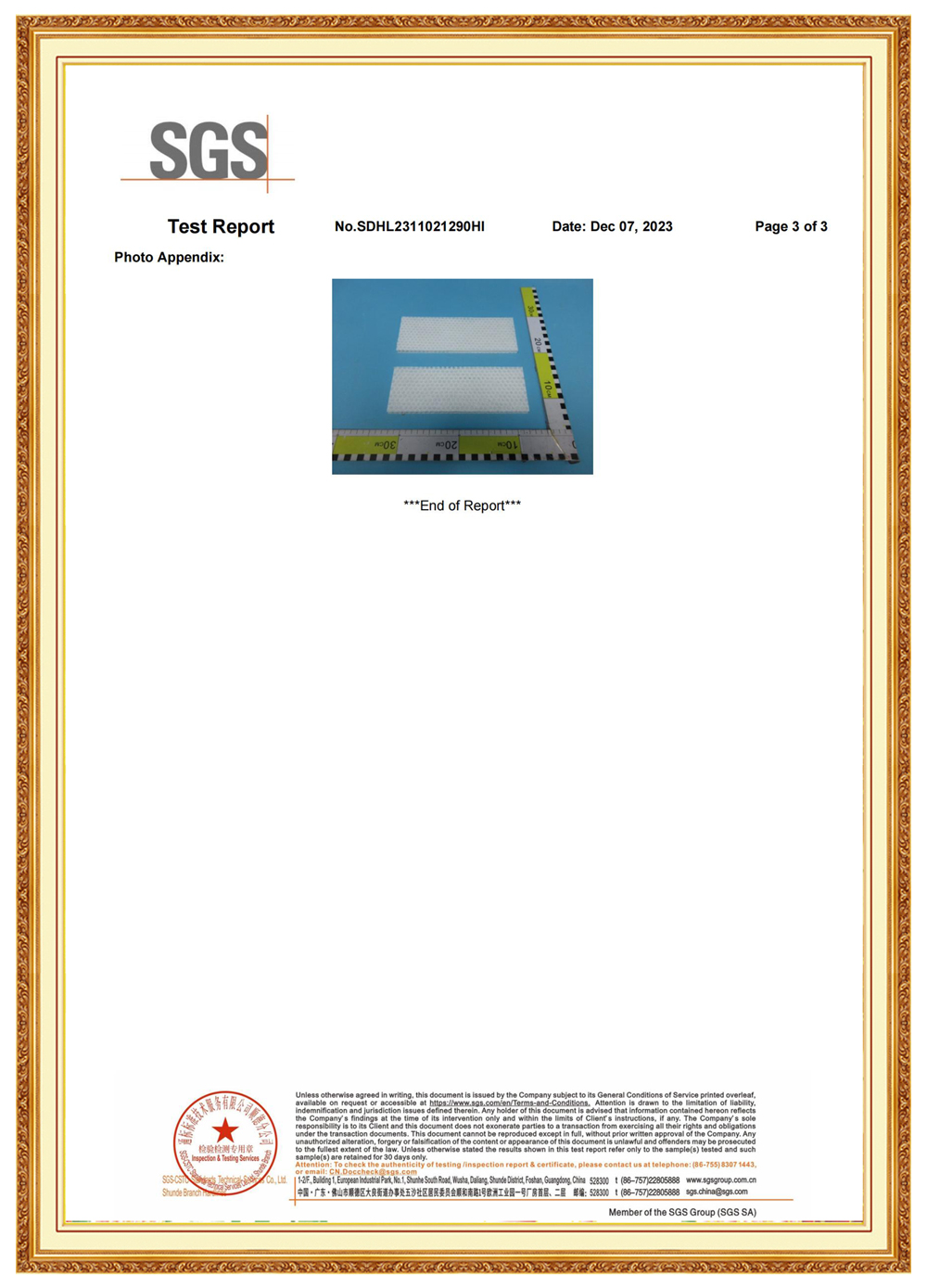
Every batch of basalt fiber manufactured at China Beihai Jiujiang facilities undergoes rigorous stress and material testing, including:
To help international clients integrate basalt solutions smoothly, we provide expert engineering support, including:
Expert answers addressing the chemical, structural, and logistical questions of engineering teams.
Basalt fiber offers significant mechanical and environmental advantages over E-glass. It delivers a 15-20% higher tensile strength, a significantly higher modulus of elasticity, and excellent chemical resistance—especially in alkaline concrete environments where glass fiber quickly breaks down. Additionally, since basalt is made entirely from pure volcanic ore, its production is much cleaner and has a significantly smaller carbon footprint.
Yes. Basalt Fiber Reinforced Polymer (BFRP) rebar is completely rust-proof and highly resistant to acids, alkalis, and salt damage. This makes it the ideal reinforcement choice for high-humidity coastal structures, bridge decks, and marine sea walls, where traditional steel rebar rusts, expands, and causes concrete cracking.
Basalt fiber textiles can operate reliably in temperatures ranging from -260°C to +820°C. In comparison, glass fibers typically begin to weaken around 480°C, and carbon fibers can oxidize and degrade in high temperatures. This outstanding thermal stability makes basalt the premium choice for industrial fire protection and engine insulation.
We source raw, high-quality volcanic basalt rock from verified quarries and process it in our advanced, automated electric-melt furnaces. Every step of the production process—from melt temperature control and fiber extrusion to custom sizing application—is carefully monitored. This allows us to guarantee consistent fiber diameters and excellent mechanical performance for every batch we ship.
Yes, basalt fiber is fully compatible with all standard composite resin systems, including epoxy, polyester, vinyl ester, and polyurethane. To ensure the strongest possible molecular bond, we also apply custom chemical sizing agents tailored to the specific resin matrix used in your project.
Delivering high-tech, fireproof, and chemically stable materials optimized for heavy industry and extreme conditions.
 Beihai Fiberglass