Wholesale High Strength Basalt Fiber Geogrid Mesh For Road Reinforcement Construction Manufacturer, Supplier

Used for reinforcing asphalt-concrete (covering in construction, reconstruction and repair of airport runways, highways and any pavements, pedestrian ways, road inclines and banks).

The reinforcement with Basalt Fiber Geogrid mesh increases the overall reliability, safety and the cutting process output. The strength of basalt mesh is as good as metal reinforcement, however it is also 2.6 times lighter, thereby simplifying transportation and handling in construction.

Product Description

1

Product Description

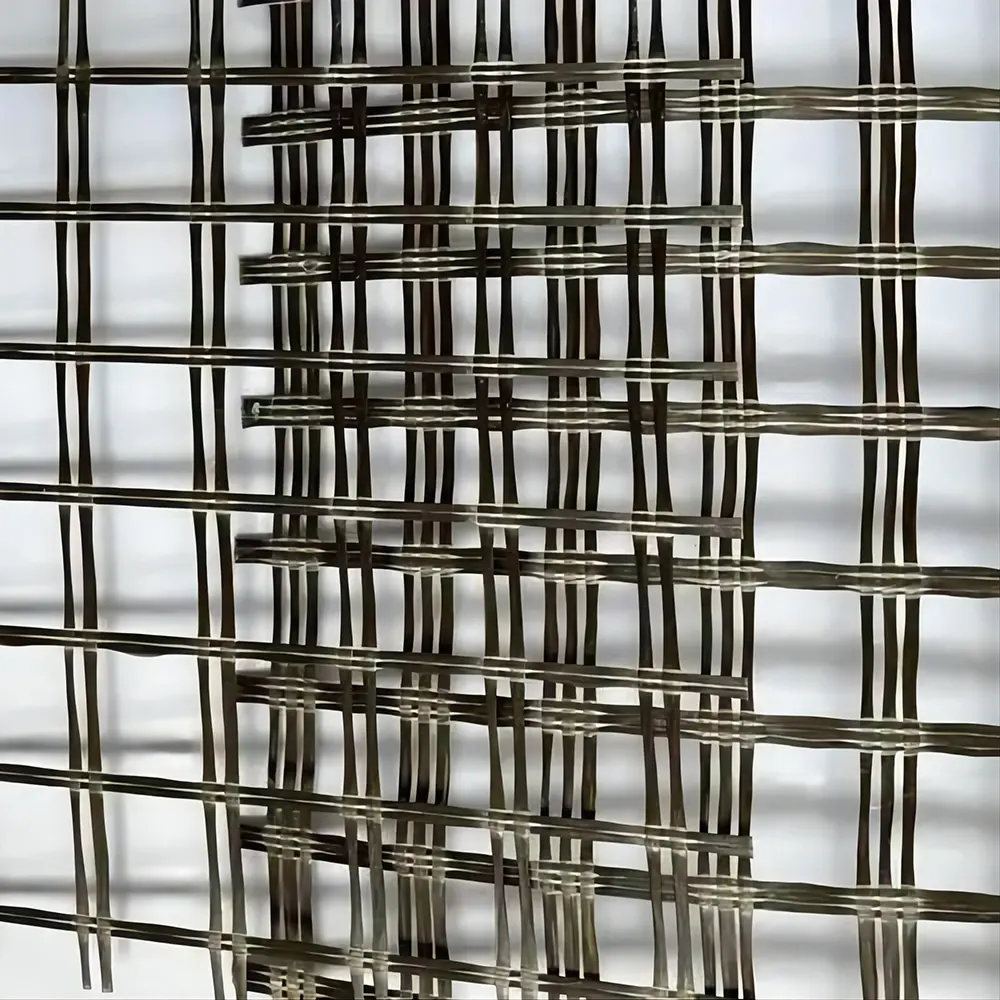
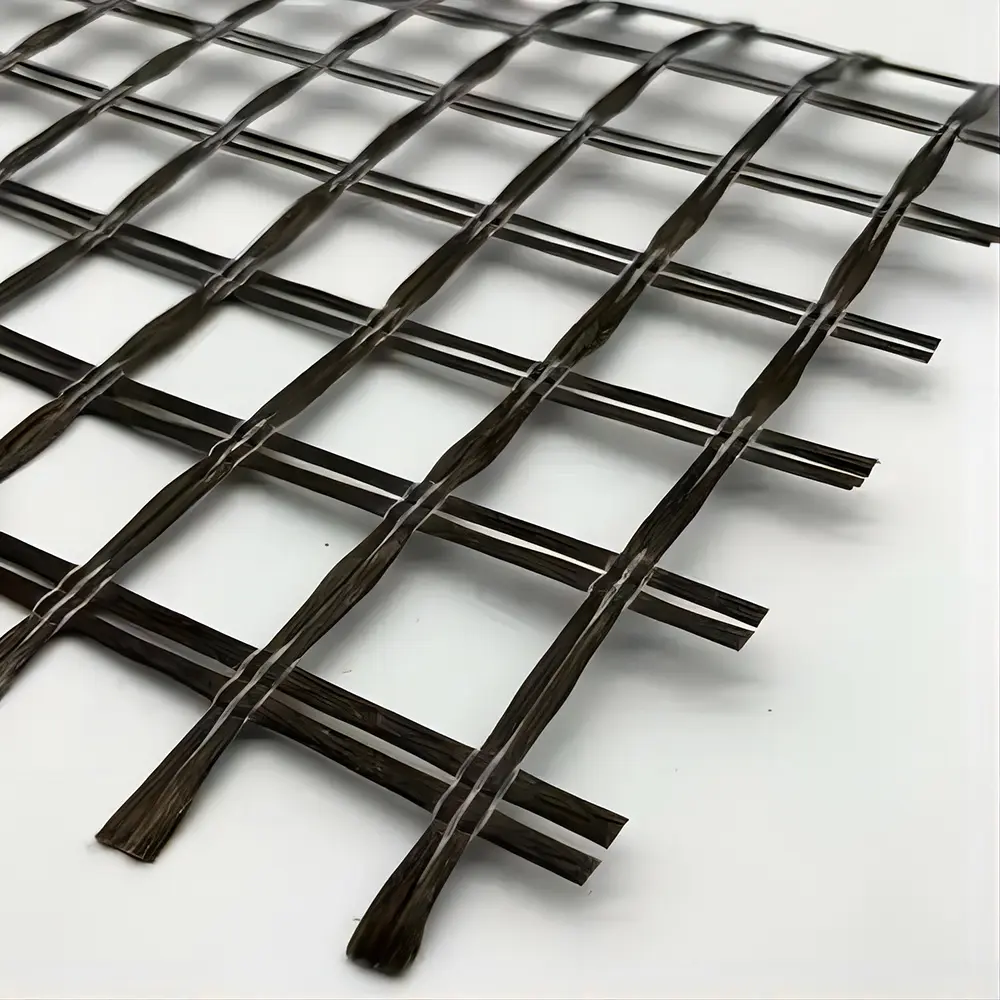
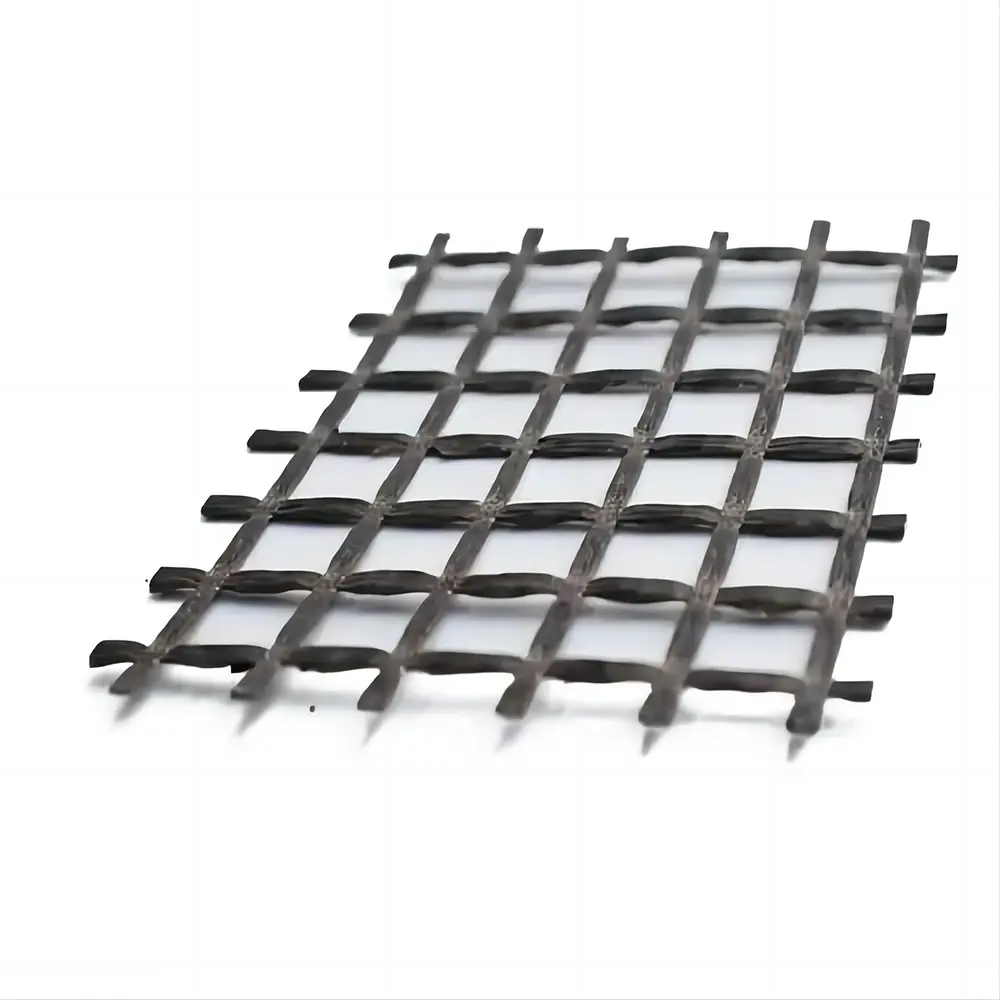
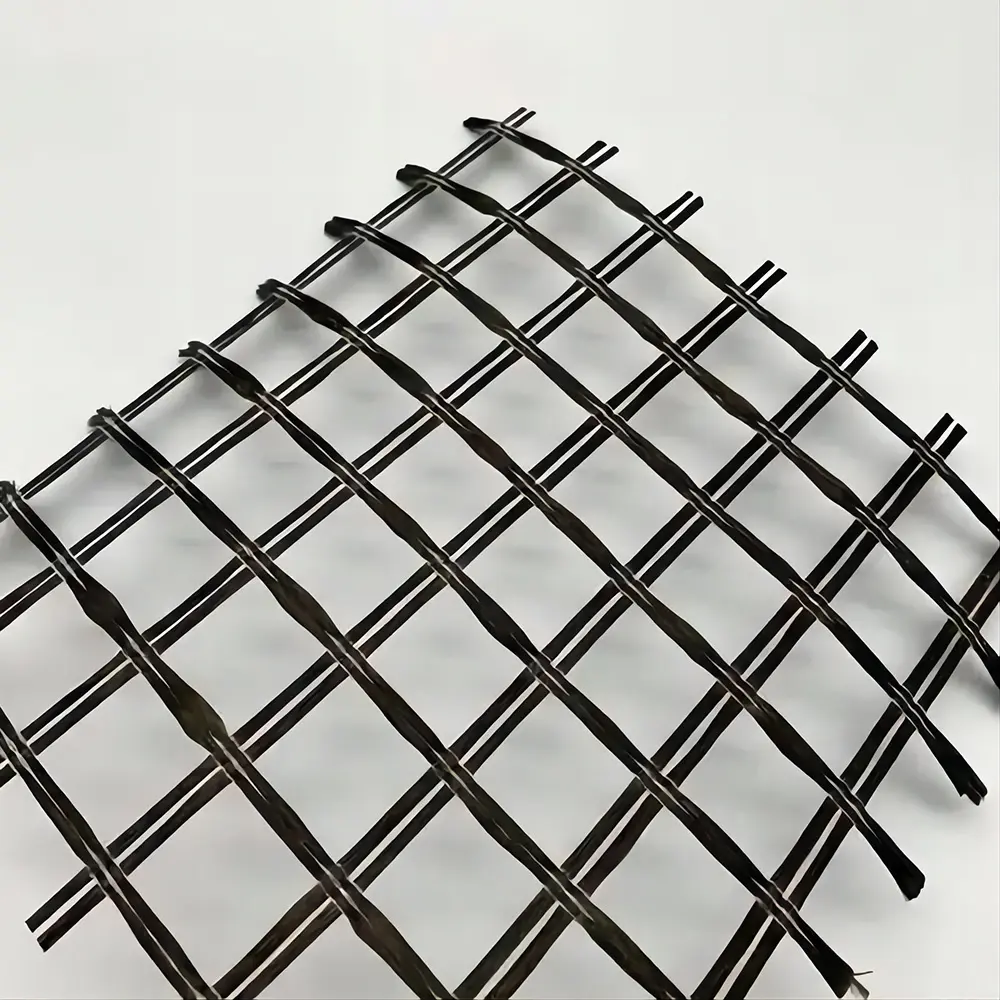
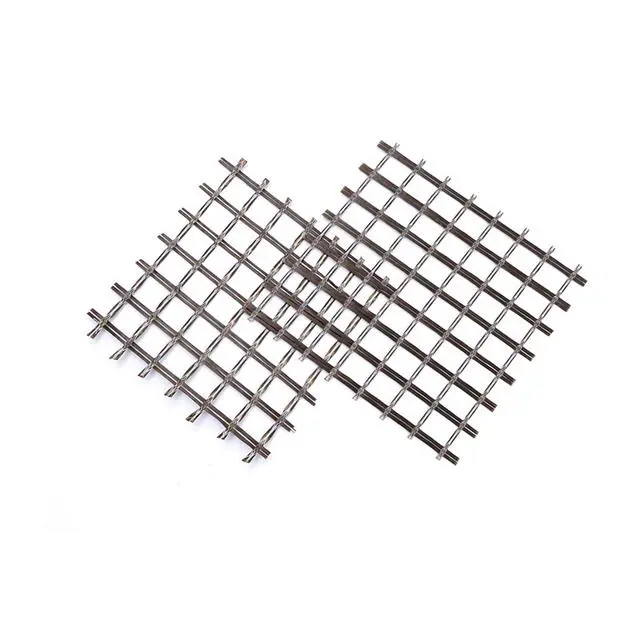
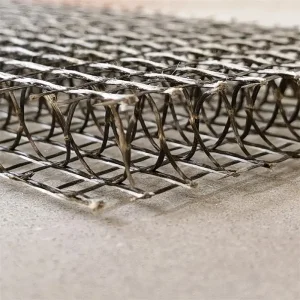
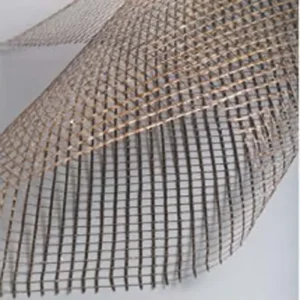
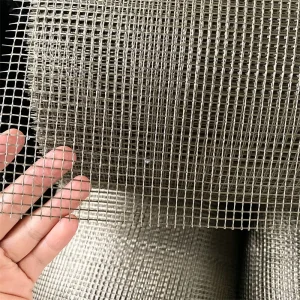
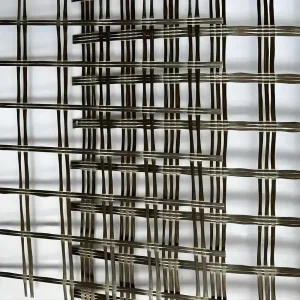
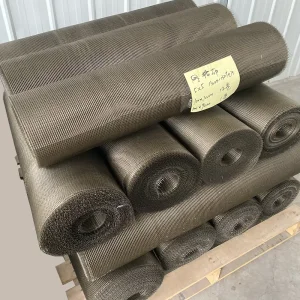
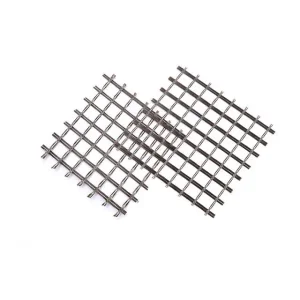
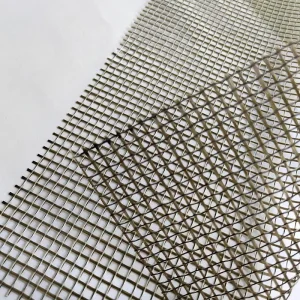
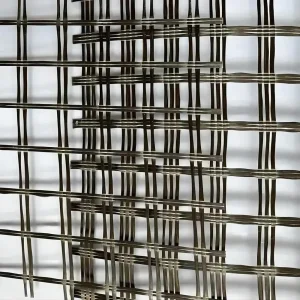
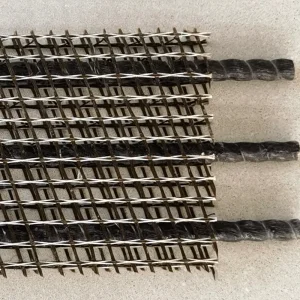
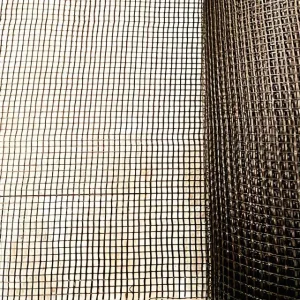
Basalt Fiber Geogrid Mesh is a kind of reinforcement product which uses the anti acid and alkali basalt continuous filament (BCF) to produce gridding base material with advanced knitting process, sized with saline and coated with Bitumen or Polymer for pavement and basement.
Basalt mesh is designed for reinforcing road and highway overlays to prolong the pavement lifespan by reducing the effects of reflective cracking caused by traffic loading, age hardening and temperature cycling. Pavement life between maintenance can be prolonged significantly. Basalt reinforcing mesh makes it possible to reduce thickness of asphalt concrete pavement up to 20%.
Hot Sale Basalt Geogrid
2

Product Specification

Items Mesh (center distance) (mm) Breaking Strength (kN/m) ≥ Elongation at Break (%) ≤
Warp Weft Warp Weft Warp Weft
BHG1x1(40x40)1±0.151±0.1540404.04.0
BHG1x1(60x60)1±0.151±0.1560604.04.0
BHG1x1(70x70)1±0.151±0.1570704.04.0
BHG1x1(90x90)1±0.151±0.1590904.04.0
BHG1x1(110x110)1±0.151±0.151101104.04.0
BHG1x1(130x130)1±0.151±0.151301304.04.0
BHG1x1(160x160)1±0.151±0.151601604.04.0
BHG2x2(60x60)2±0.152±0.1560604.04.0
BHG2x2(90x90)2±0.152±0.1590904.04.0
BHG2x2(110x110)2±0.152±0.151101104.04.0
Other specifications can be customized
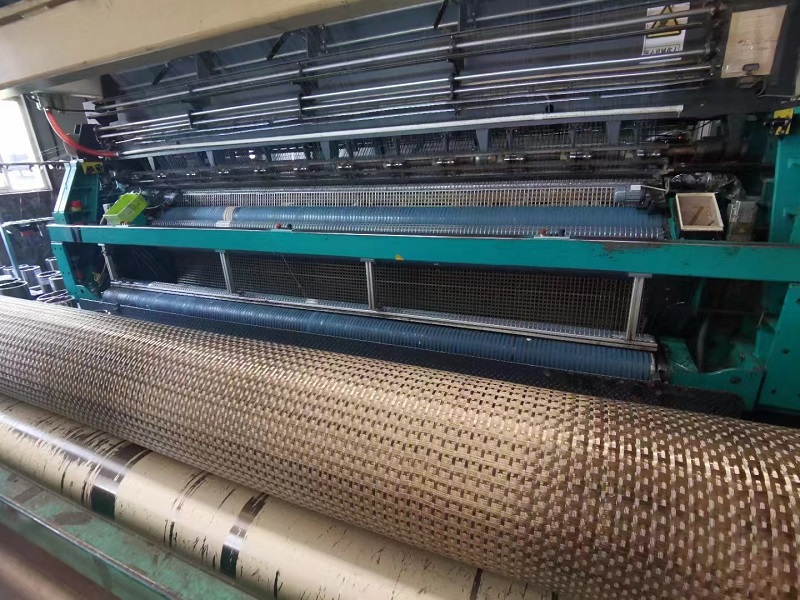
Production Line
3

Product Features

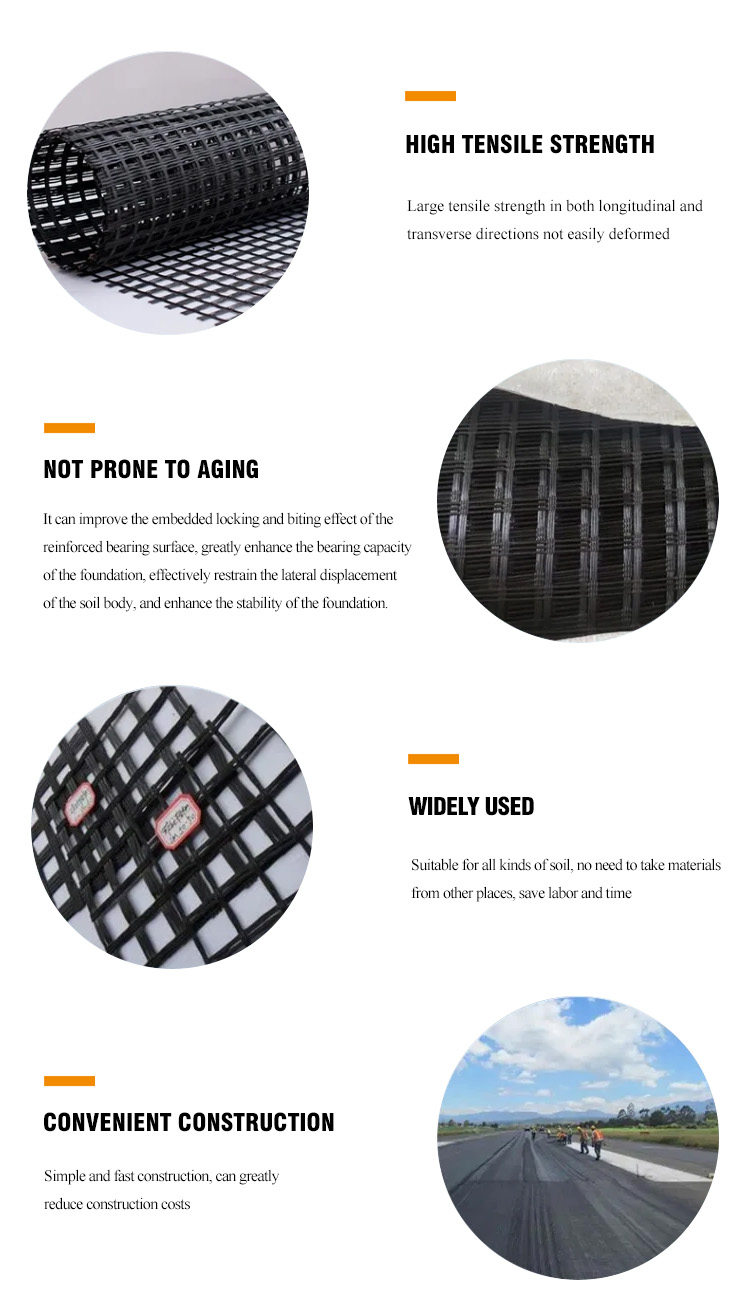
  • High tensile strength and low elongation
  • No long-term creep and good thermal stability
  • Good physic and chemical stability, strong resistance to biologic erosion and climate changes
  • Good affinity with asphalt and cement concrete
4

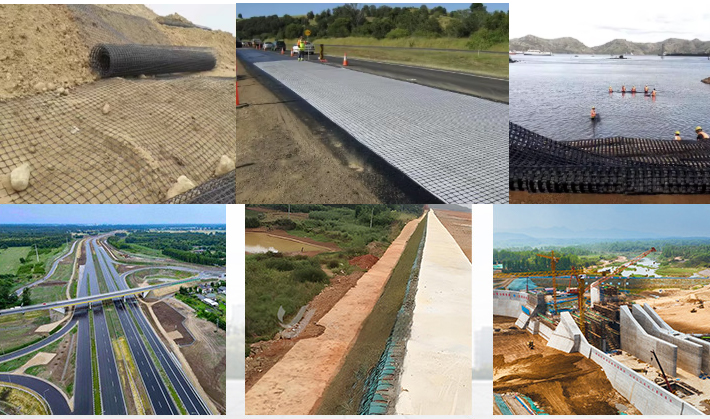
Applications

Civil engineering
Reinforcement of roadbeds: Disperse the load and reduce the uneven settlement. Used in soft foundation treatment of high-speed railroads to reduce maintenance costs by 30%.
Slope protection: Grating + vegetated concrete provides 2-3 times higher slip resistance.
Traffic engineering
Asphalt pavement enhancement: Laying between asphalt layers delays reflection cracks (fatigue life extended by 50%). Withstands construction temperatures of 160-180℃.
Water conservancy engineering
Seepage control: Composite use with geomembrane to resist hydraulic scour in embankment dams. Tensile strength requirement: ≥100 kN/m.
Mining ecological restoration
Tailings dam reinforcement: Excellent acid corrosion resistance (pH 3-4), with a service life exceeding 50 years.
Basalt Fiber Mesh Geogrid
F

Frequently Asked Questions

What are the main benefits of using Basalt Fiber Geogrid?
It provides high tensile strength, reduces reflective cracking, extends pavement life, and allows for up to a 20% reduction in asphalt thickness.
How does it handle extreme temperatures?
Basalt fiber has excellent thermal stability and can withstand asphalt construction temperatures between 160-180℃ without losing structural integrity.
Is the mesh resistant to chemical corrosion?
Yes, it features superior acid and alkali resistance, making it suitable for harsh environments such as tailings dams with pH levels as low as 3-4.
Can this be used for railroad reinforcement?
Absolutely. It is an effective substitute for steel-plastic gratings in high-speed railroad soft foundation treatments, reducing long-term maintenance costs.
Are custom specifications available?
Yes, while we offer standard sizes like BHG1x1 and BHG2x2 with various strengths, other specifications can be customized to meet specific project needs.
What is the typical elongation at break for this material?
The basalt fiber geogrid is designed for low elongation, typically ≤ 4.0% in both warp and weft directions.

Related Products