Home >
Basalt Fiber Fabric/Cloth >
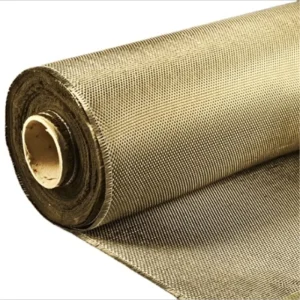
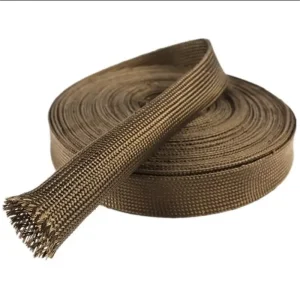
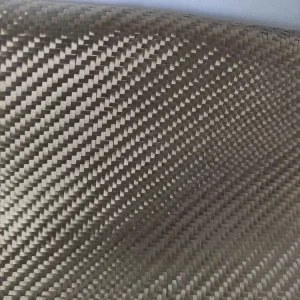
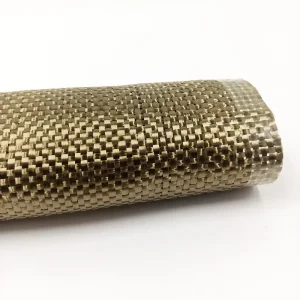
Wholesale Unidirectional Basalt Fiber Cloth For Fireproof Materials Product, Suppliers
1 / 4
Wholesale Unidirectional Basalt Fiber Cloth For Fireproof Materials Product, Suppliers
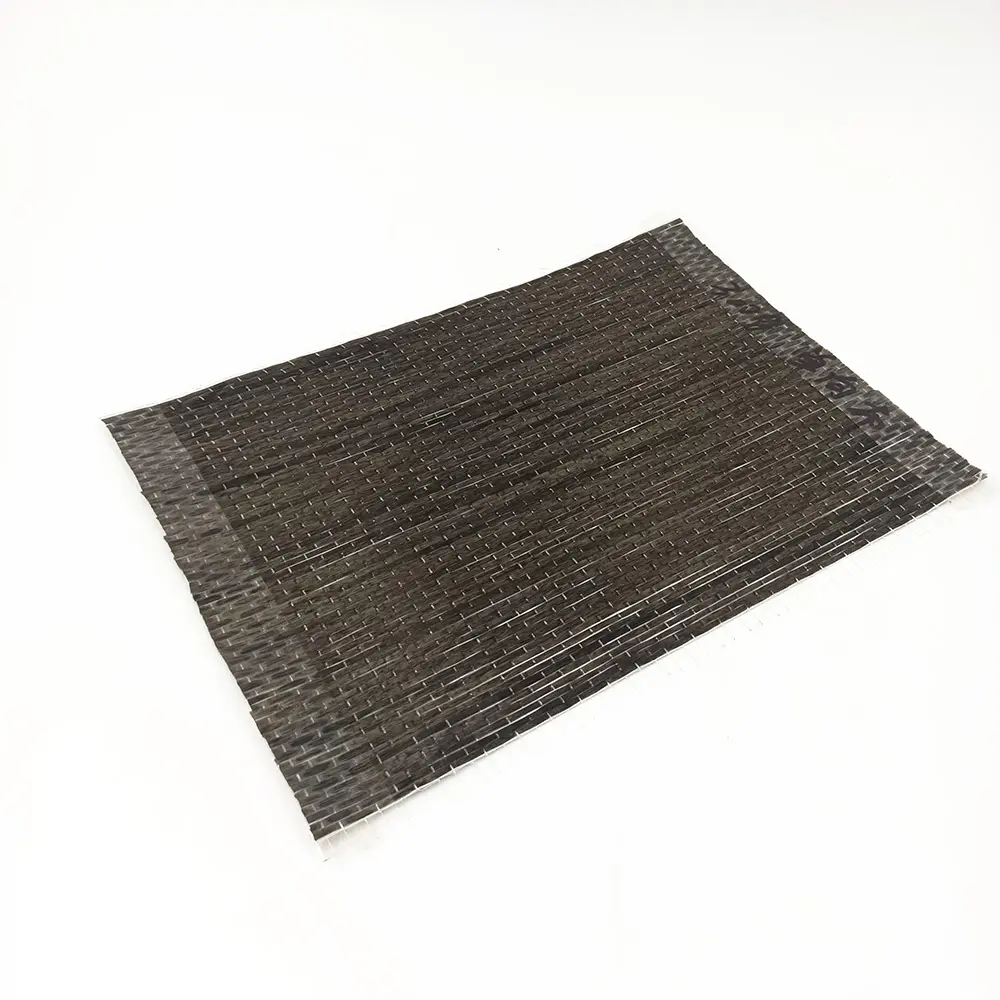
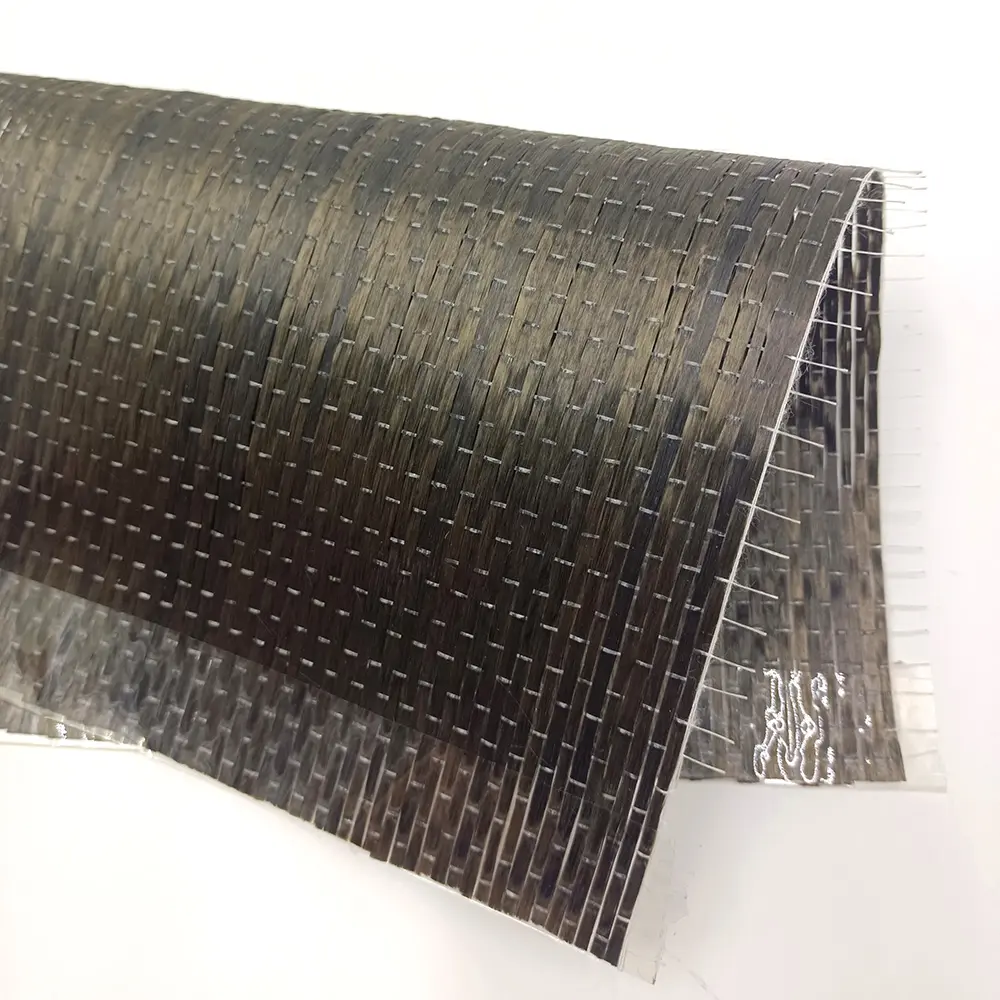
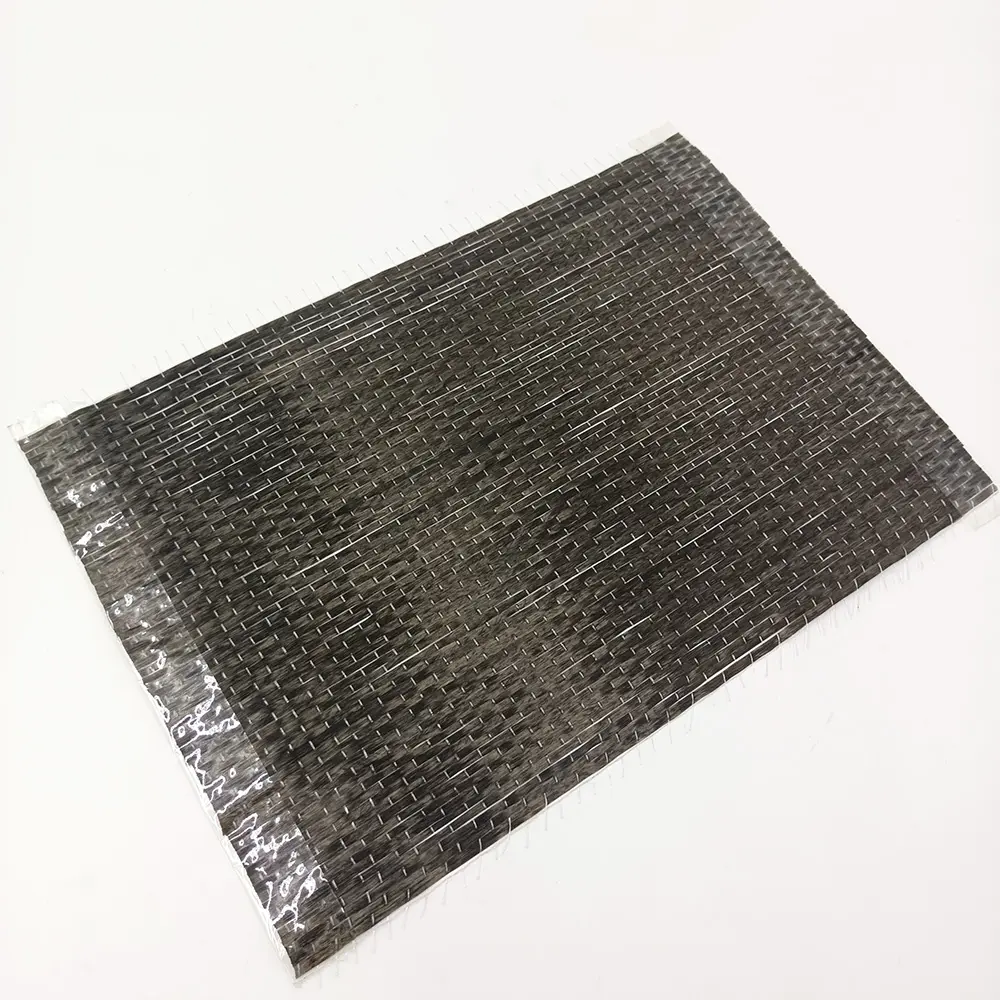
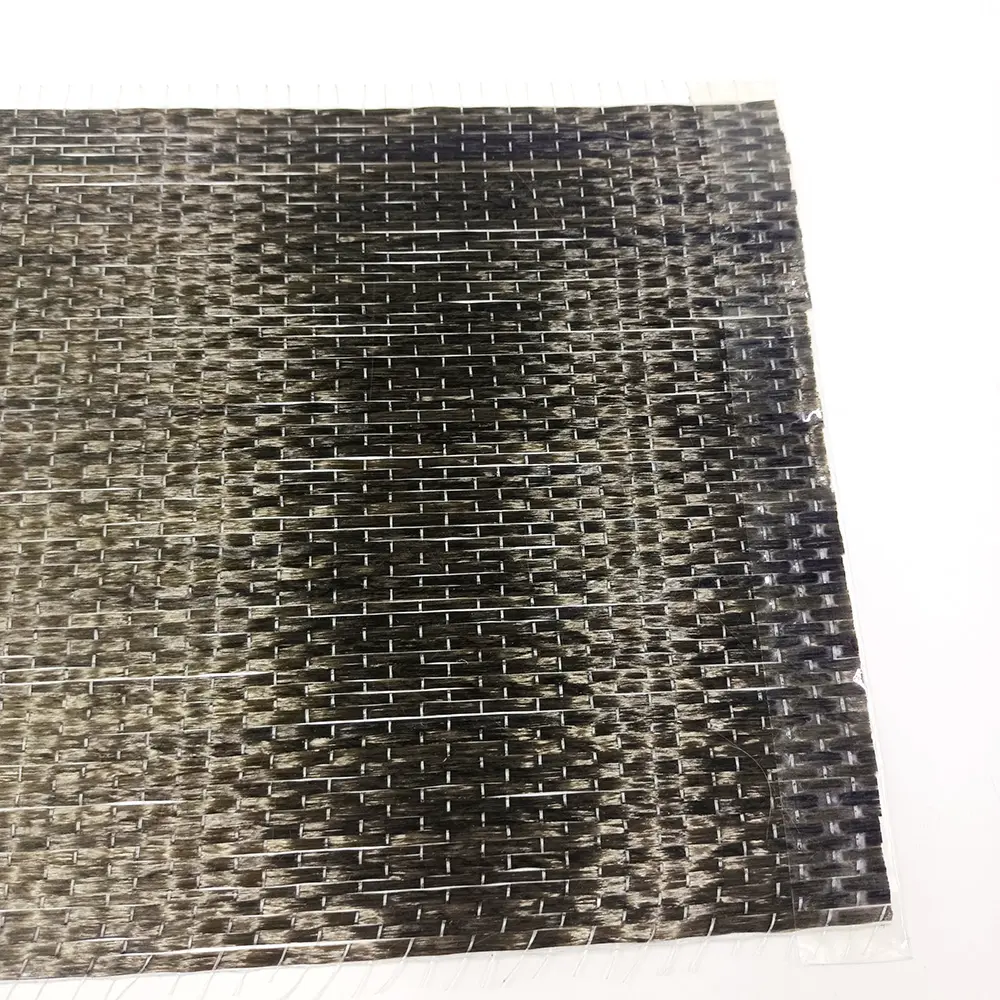
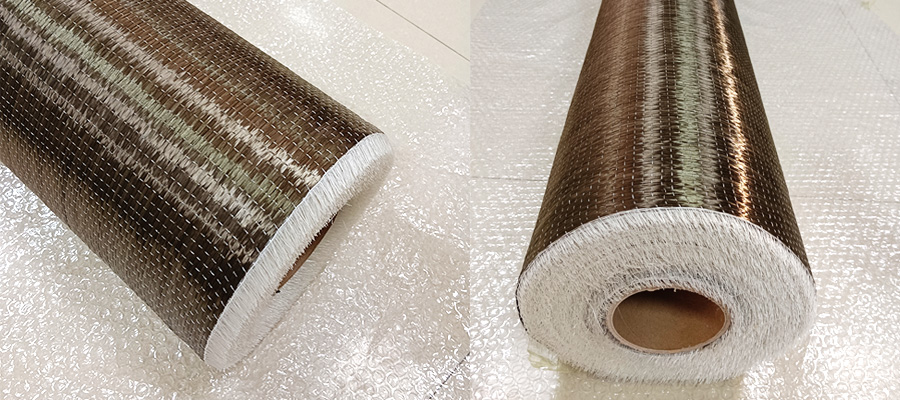
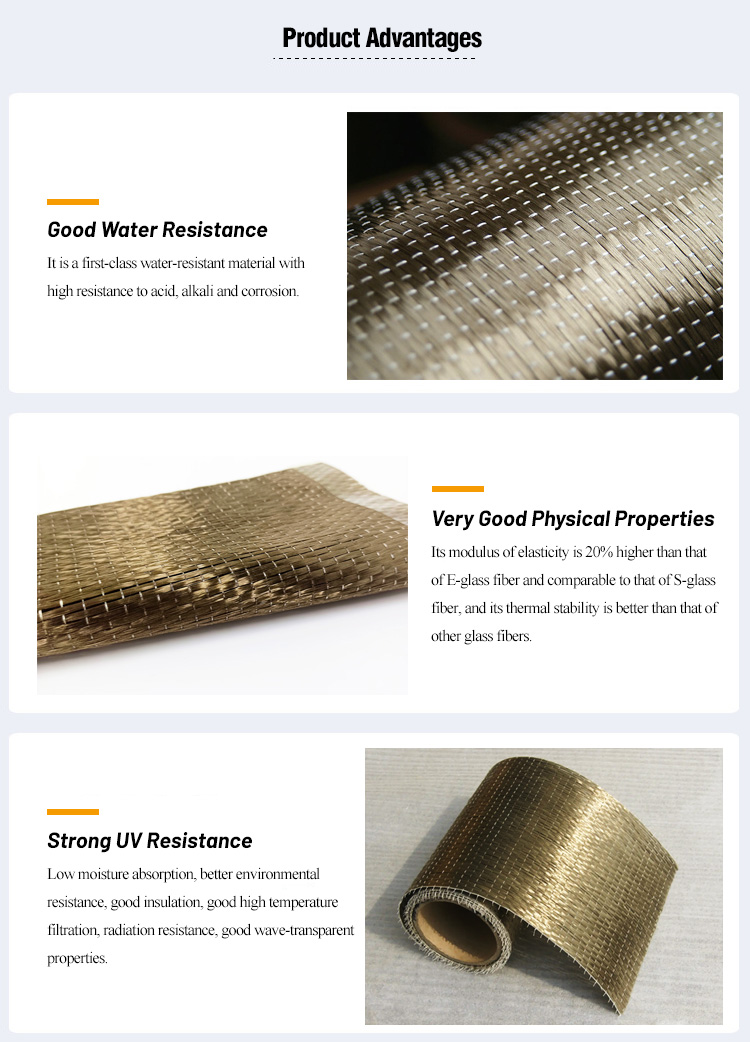
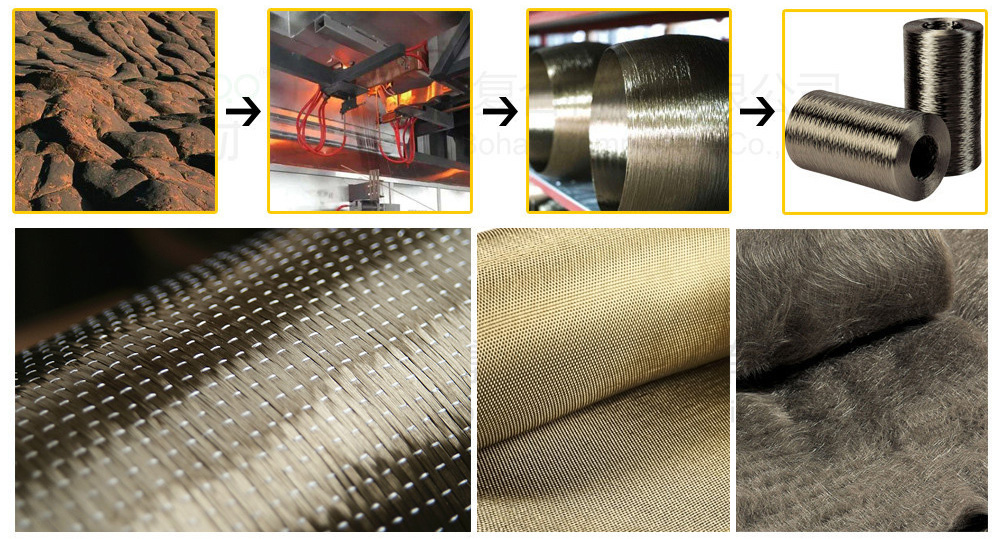
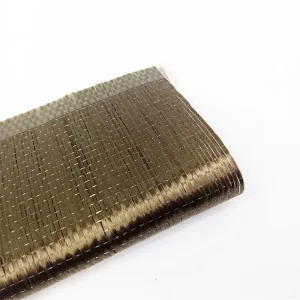
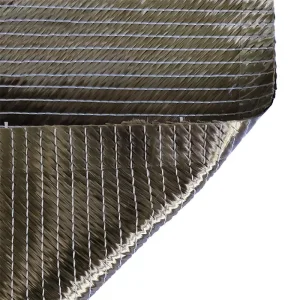
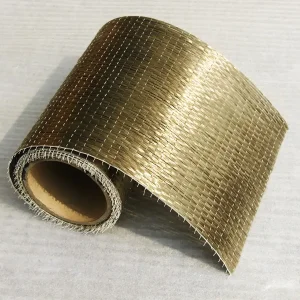
Unidirectional Basalt Fiber Fabric is a reinforcing material in which the fibers are highly oriented mainly in a single direction (usually the warp direction), and the weft direction is only fixed with a small amount of low-strength yarn or binder to achieve the ultimate optimization of unidirectional mechanical properties. This structure allows for extremely high strength and modulus in a specific direction (the main direction of the fibers) while maintaining lightweight and corrosion-resistant properties, and is widely used in composites that require directional reinforcement.
Superior Unidirectional Strength
Longitudinal tensile strength can reach 1000-3000 MPa, far exceeding standard plain or twill fabrics.
High Modulus
The modulus of elasticity is approximately 60-90 GPa, comparable to steel, making it ideal for structural rigidity.
Lightweight Design
Density is about 2.6-2.8 g/cm³, which is 70% lighter than steel, offering significant cost advantages over carbon fiber.
Anisotropy
Mechanical properties are highly direction-dependent; strength in the weft direction is 5-10% of that in the warp direction.
Environmental Resistance
Highly resistant to acids, alkalis, and UV radiation. Perfect for long-term use in outdoor or corrosive environments.
Technical Parameters
Style
Reinforcement Yarn (Tex)
Weave
Fiber Count (10mm)
Weight
Thickness
Width
Warp
Weft
Warp
Weft
g/m²
mm
cm
BH-A-110
90
90
Plain
6
6
110
0.10
100
BH-A-145
90
90
Plain
8
8
145
0.13
100
BH-B-145
90
90
Twill
8
8
145
0.13
100
BH-A-200
110
110
Plain
9
9
200
0.18
100
BH-B-200
110
110
Twill
9
9
200
0.18
100
BH-A-200
132
132
Plain
8
7
200
0.18
100
BH-B-200
132
132
Twill
8
7
200
0.18
100
BH-A-300
300
300
Plain
5
5
300
0.25
100
BH-B-300
300
300
Twill
5
5
300
0.25
100
BH-A-360
300
300
Plain
6
6
360
0.30
100
BH-B-360
300
300
Twill
6
6
360
0.30
100
BH-B-420
300
300
Twill
7
7
420
0.35
100
BH-A-480
800
800
Plain
3
3
480
0.46
100
BH-A-600
800
800
Plain
4
3.5
600
0.48
100
BH-A-800
800
800
Plain
5
5
800
0.50
100
Product Applications
Building Structure Reinforcement:
Tension zone paste reinforcement for bridges, beams, and columns. An excellent low-cost alternative to carbon fiber for seismic retrofitting.
Composite Components:
Used in wind turbine blade main beams to provide primary load-bearing capacity. Also used for lightweight ship and automobile components.
Sports Equipment:
Localized reinforcement in skis and bicycle frames to reduce overall weight without sacrificing strength.
Aerospace Industry:
Ideal for rocket shells and drone wings due to high specific strength and exceptional temperature resistance.
Frequently Asked Questions
Q1: What is Basalt Unidirectional (UD) fabric?
It is a reinforcement material where the basalt fibers are primarily aligned in one direction (warp), providing maximum strength and stiffness in that specific orientation.
Q2: How does basalt fiber compare to carbon fiber?
Basalt fiber offers a similar thermal performance and chemical resistance at a much lower cost. While carbon fiber has a higher modulus, basalt provides better impact resistance and is more environmentally friendly.
Q3: Is the fabric resistant to corrosion?
Yes, basalt fiber is naturally resistant to acids, alkalis, and salts, making it superior to glass fiber in harsh chemical or marine environments.
Q4: What resin systems can be used with this fabric?
It is compatible with various resin systems, most commonly epoxy, polyester, and vinyl ester resins.
Q5: Can it be used for seismic retrofitting?
Absolutely. It is widely used to wrap concrete columns and beams to increase their load-bearing capacity and ductility during seismic events.
Q6: What temperature range can basalt fabric withstand?
Basalt fibers can operate stably in temperatures ranging from -260°C to over 650°C, significantly higher than most synthetic fibers.
 Beihai Fiberglass