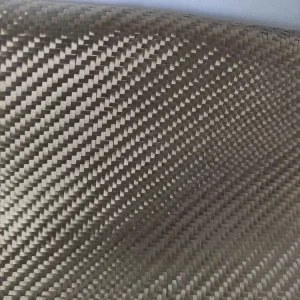
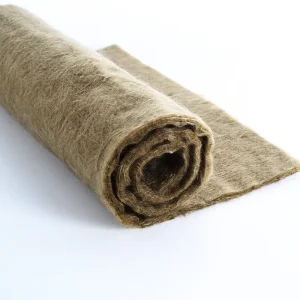
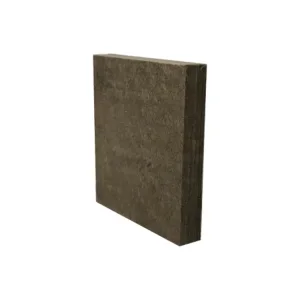
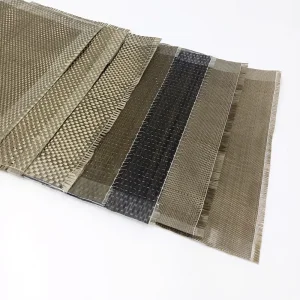
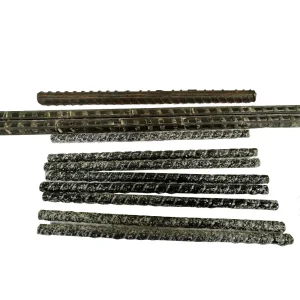
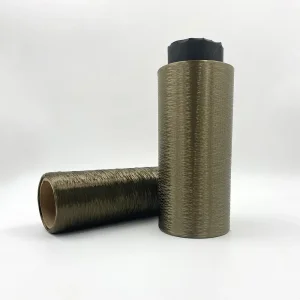
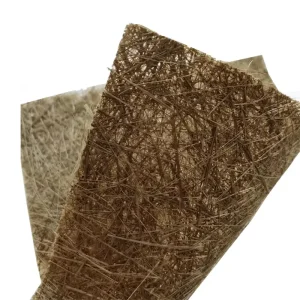
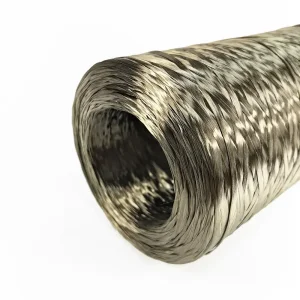
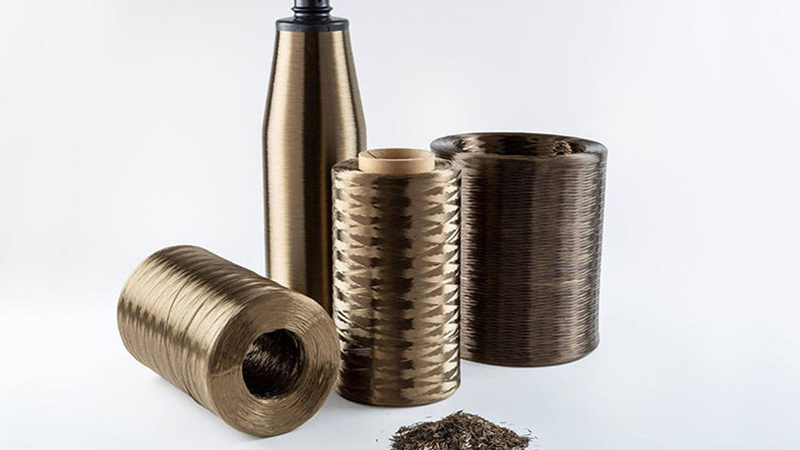
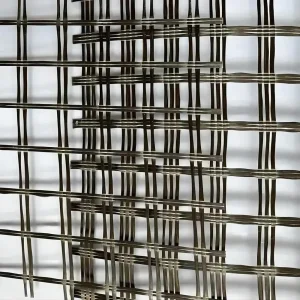
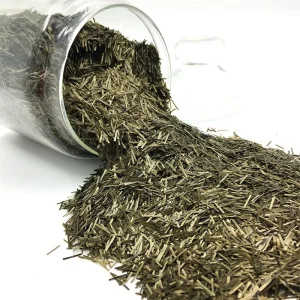
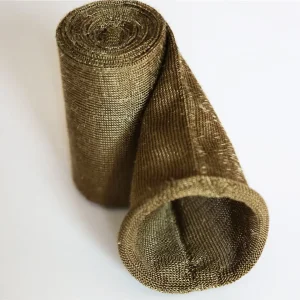
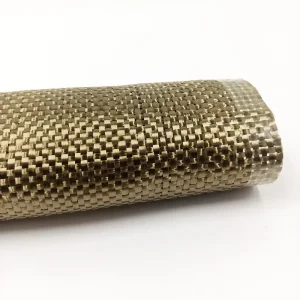
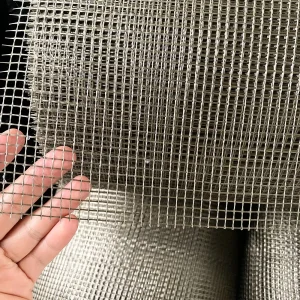
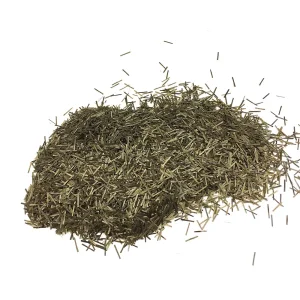
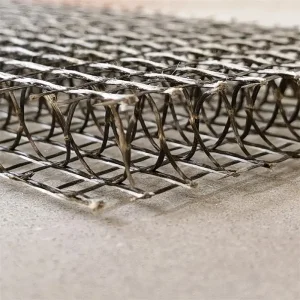
Basalt fiber, often called the "21st-century green high-performance material," is an inorganic fiber produced from volcanic rock melted at high temperatures (typically 1450°C to 1500°C). Unlike glass fiber or carbon fiber, basalt fiber felt offers a unique intersection of thermal stability, chemical inertness, and environmental sustainability. For global engineers and procurement officers, China Basalt Fiber Felt has become the industry benchmark due to its superior cost-to-performance ratio and the massive industrial scale of Chinese manufacturing.
In this white paper, we analyze the semantic shift in material science where basalt fiber is no longer a niche alternative but a primary choice for fire protection, aerospace insulation, and infrastructure reinforcement. Our focus is to provide information gain by detailing not just the "what," but the "how" and "why" behind the latest technological breakthroughs in Jiujiang, Jiangxi, where China Beihai leading the innovation curve.
Operating temperatures ranging from -260°C to +700°C. Higher tensile strength than E-glass and better alkali resistance than most synthetic fibers.
100% natural volcanic origin. Zero toxic emissions during production and fully recyclable, supporting global "Net Zero" carbon initiatives.
Lower lifecycle costs compared to carbon fiber with significantly higher durability than traditional rock wool or glass fiber mats.
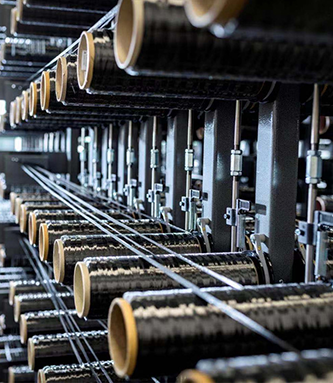
China Beihai was founded in 2015 and is headquartered in Jiujiang, Jiangxi Province. As a state-recognized high-tech enterprise, we focus on the research, development, and large-scale production of high-performance continuous basalt fiber. Our facility is equipped with industry-leading furnace technology, allowing us to maintain a dominant position in the domestic and international basalt fiber markets.
Our commitment to E-E-A-T (Experience, Expertise, Authoritativeness, and Trustworthiness) is reflected in our rigorous quality control and deep vertical integration. From raw rock selection to finished felt products, we control the entire value chain to ensure consistency that global Fortune 500 companies rely on.
Procuring Basalt Fiber Felt from China offers more than just competitive pricing. It provides a strategic logistical advantage characterized by:
Our proximity to high-quality basalt ore mines in China ensures a stable supply of high-purity raw materials, minimizing impurities that could compromise fiber strength.
With high-tonnage furnaces, we achieve production efficiencies that allow us to fulfill multi-container orders with shorter lead times than Western counterparts.
We don't just produce fiber; we manufacture the production equipment. This enables rapid prototyping for custom felt densities, thicknesses, and surface treatments.

Used as fire-resistant wall insulation and thermal bridging barriers. Its non-combustible nature meets stringent Euroclass A1 fire ratings.

Basalt fiber prevents micro-cracks in high-performance concrete (HPC), significantly extending the life of bridges and marine piers.

Essential for thermal management in EV battery packs and lightweight body panels, offering a weight reduction of up to 20% compared to steel.

Applied in spacecraft shell materials and thermal protection systems (TPS) due to its resistance to high-speed friction and radiation.

Superior acid and alkali resistance makes basalt felt the perfect choice for pipe insulation in refineries and chemical processing plants.

Saltwater corrosion resistance is inherent to basalt, making it ideal for boat hulls and offshore wind turbine components.
By 2030, the global basalt fiber market is expected to grow at a CAGR of 12.5%. The primary drivers are the phasing out of asbestos-based products and the increasing demand for sustainable building materials. We are currently researching "Smart Felt" embedded with sensors for structural health monitoring in smart cities.
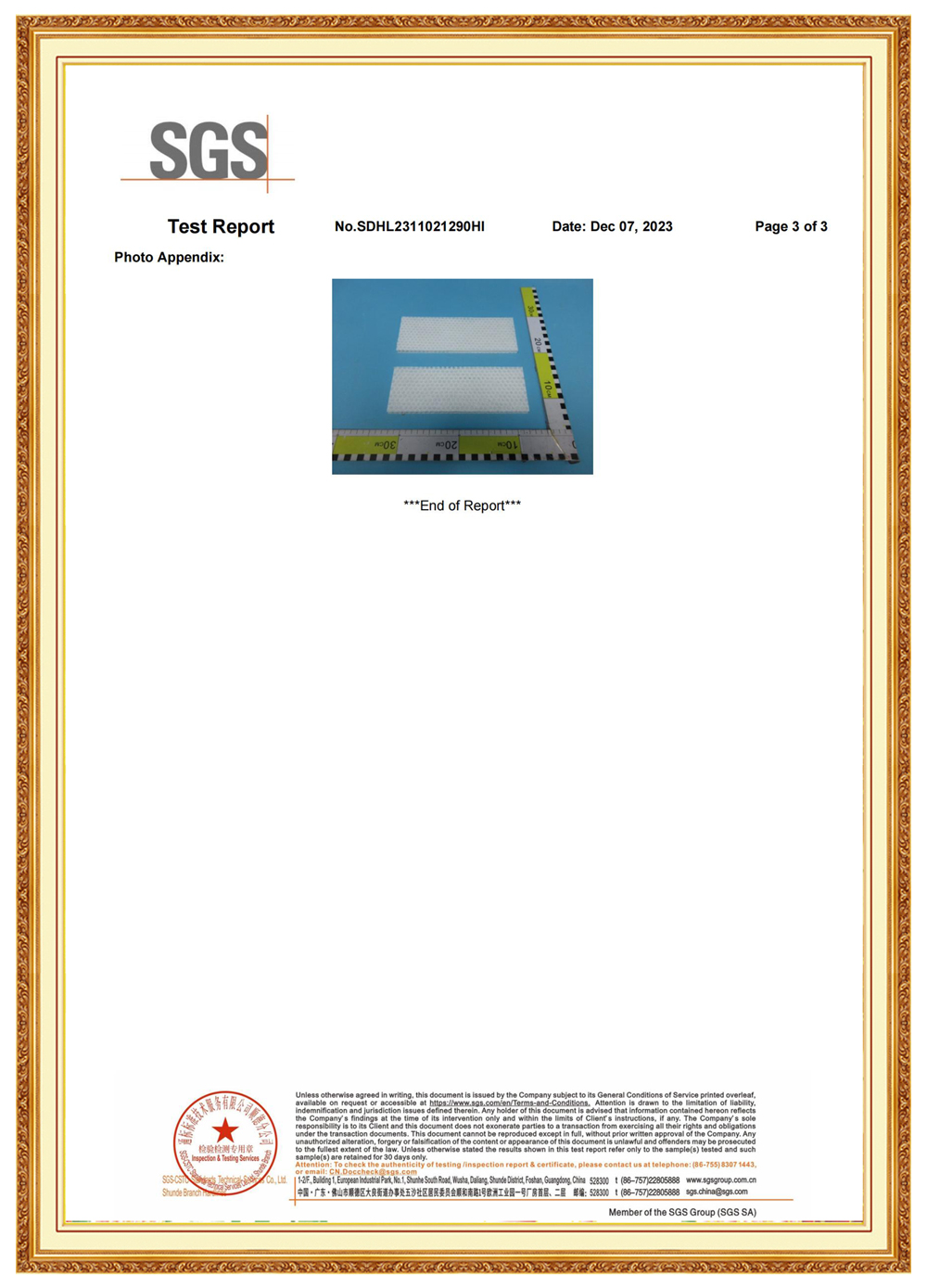
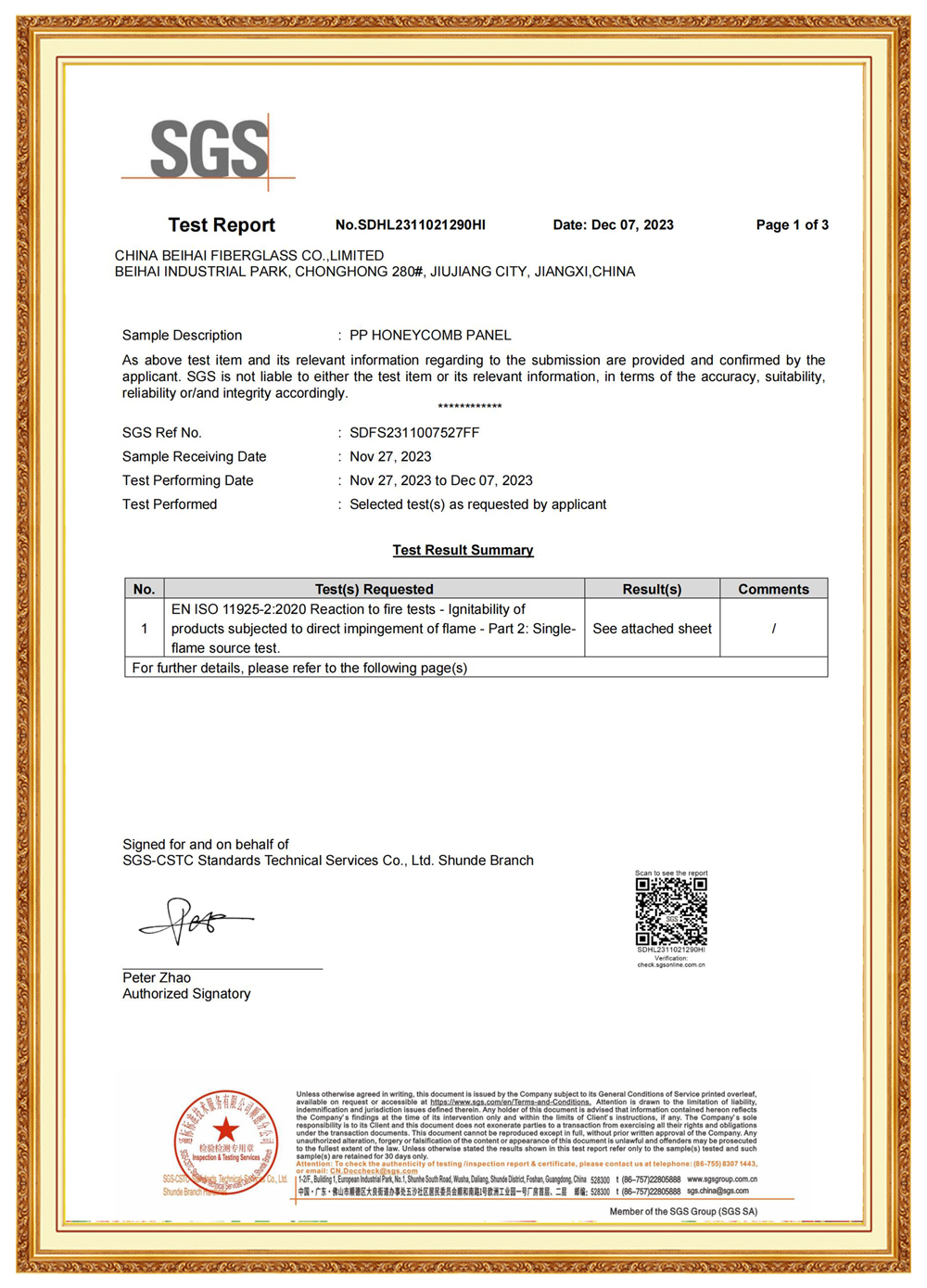
Our products undergo rigorous testing to meet international standards including ISO 9001, CE, and REACH. We provide full technical data sheets (TDS) and Material Safety Data Sheets (MSDS) with every quote to ensure seamless localized regulatory approval in the EU, USA, and Southeast Asia.
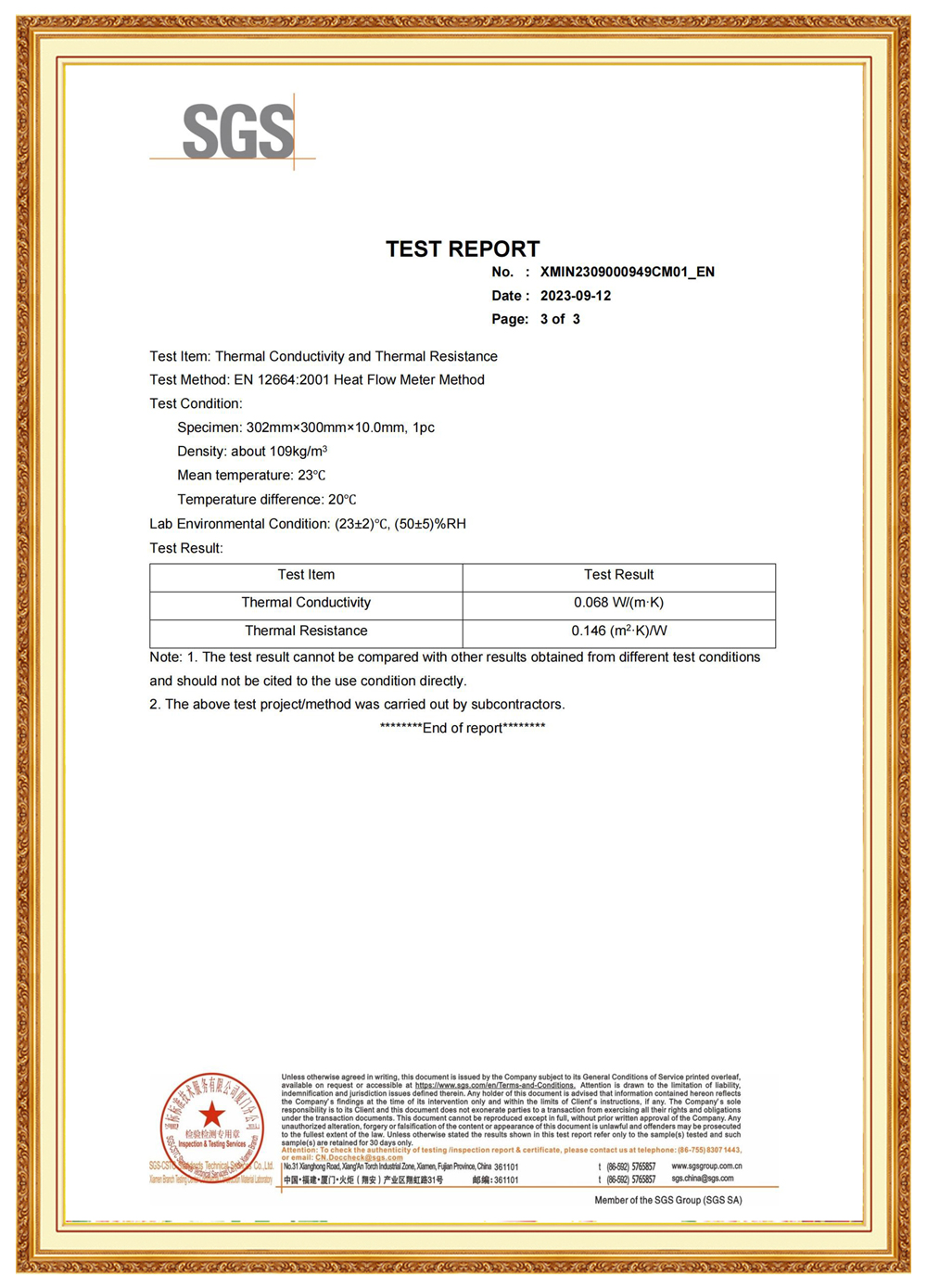
While carbon fiber has higher stiffness, basalt fiber felt offers better impact resistance, superior thermal insulation, and is significantly more cost-effective (roughly 1/3 to 1/10 the price).
Standard orders are usually fulfilled within 15-20 days. Custom felt densities or specialty surface coatings may take 25-30 days.
Yes, China Beihai provides sample rolls for industrial testing to ensure compatibility with your specific application resin or environment.
Unlike glass fiber, basalt fiber filaments typically have a larger diameter (9-13 microns), which reduces skin irritation and makes it safer for manual installation.
We offer FOB, CIF, and DDP terms via Jiujiang Port or Shanghai Port, ensuring efficient sea or rail freight to Europe and North America.
As an inorganic material, basalt fiber itself has no shelf life. However, certain chemical sizings or binders may have a recommended use-by date of 12-24 months.
 Beihai Fiberglass