 Beihai Fiberglass
1 / 4
Melting point of 1500°C. Operates stably from 700°C to 1000°C. Non-combustible, smoke-free, and non-toxic under fire conditions.
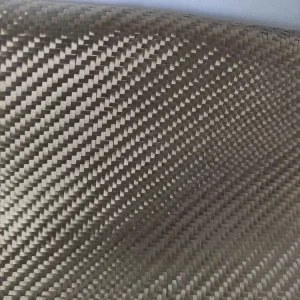
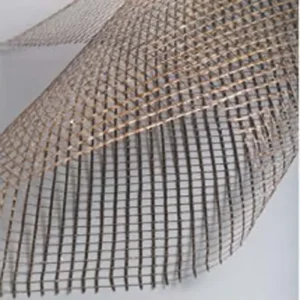
Only 1/4 the weight of steel while offering tensile strength that outperforms traditional metals. A cost-effective alternative to carbon and glass fiber.
Resistant to acids, alkalis, and salt spray. Offers an exceptionally long service life in coastal, chemical, and underground environments.
Derived from 100% natural basalt rock with zero VOC emissions. Fully recyclable and aligns with global ESG and green building standards.
Natural electrical insulator that does not interfere with radio frequency (RF) signals, making it ideal for high-end electronic infrastructure.
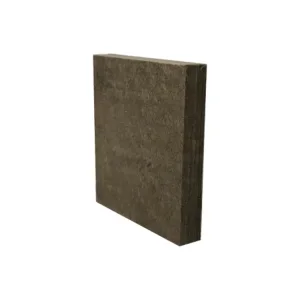
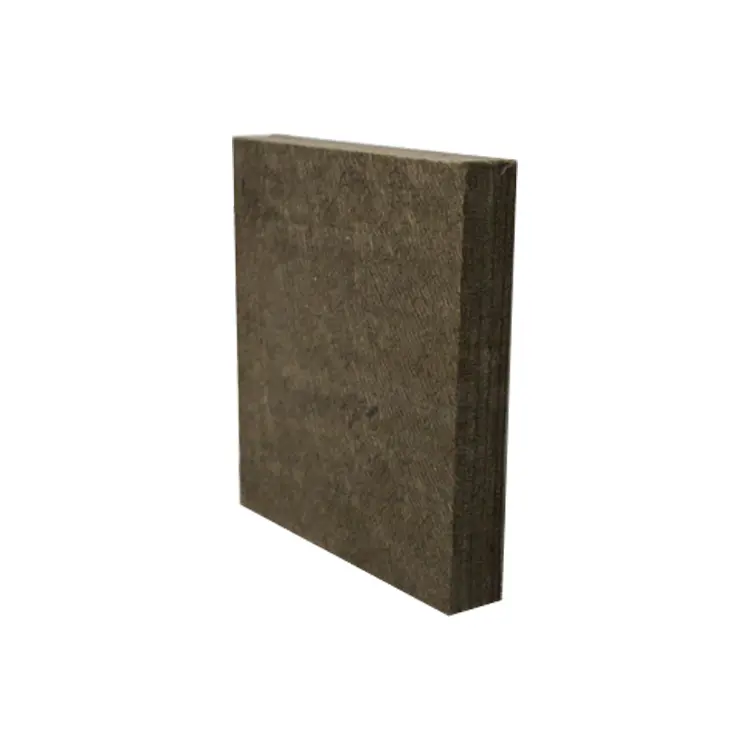
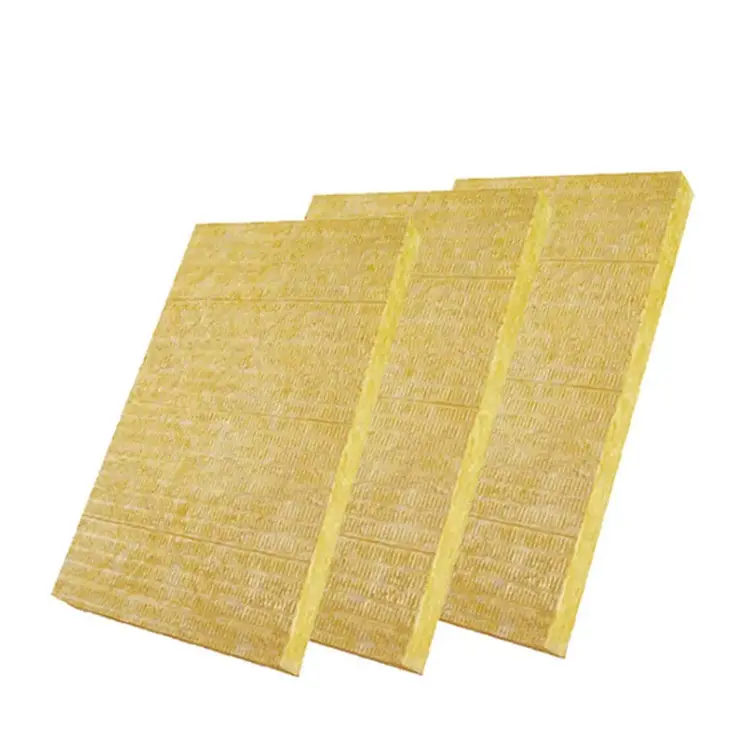
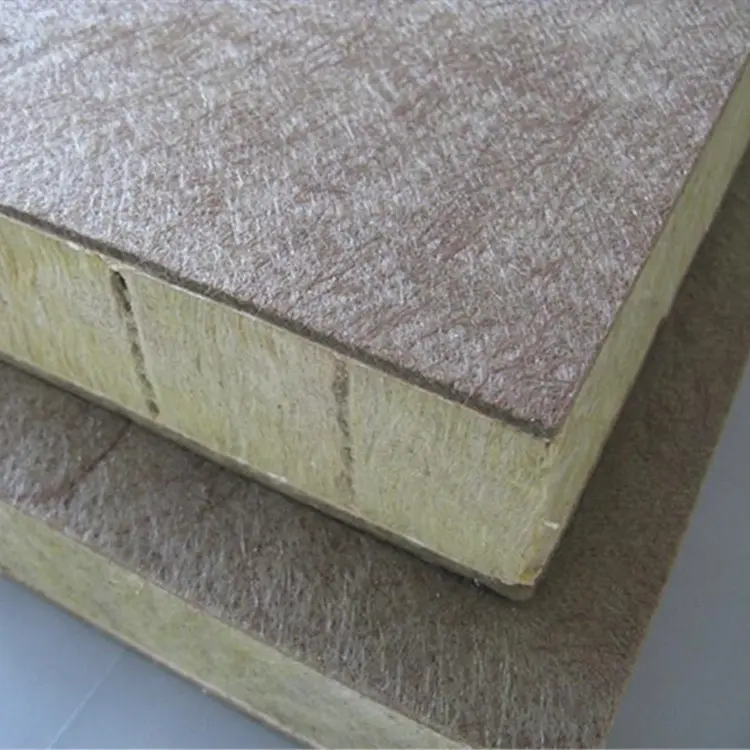
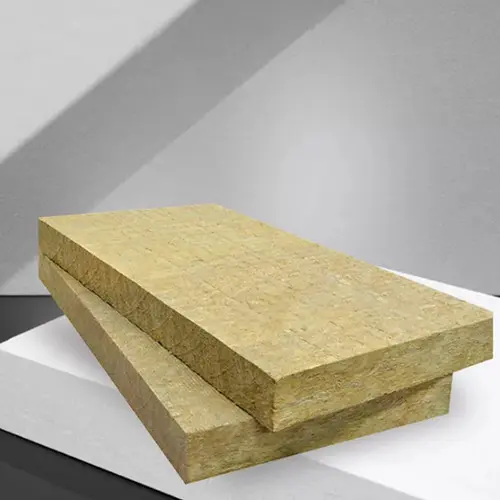
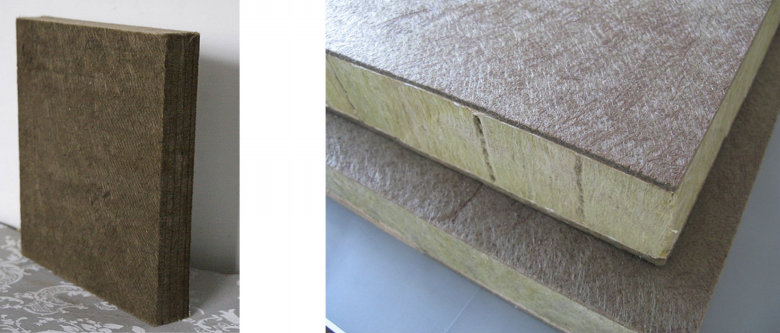
| Performances | Solid Board | Sandwich Panel |
|---|---|---|
| Tensile Strength (Kpa) | ≥12 | ≥12 |
| Thermal Conductivity (W/(m.K) 25℃) | ≤0.036 | ≤0.040 |
| Density (kg/m³) | ≥160 | ≥150 |
| Compressive Strength (kg/m²) | ≥380 | ≥125 |
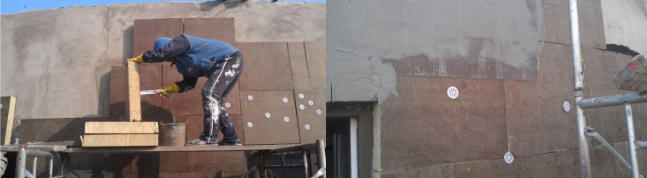
Structural reinforcement for bridges, fireproof external insulation (ETICS), and blast-resistant walls for hazardous warehouses.
Engine room heat shields, fireproof flooring for buses/rails, and marine engine room partitions.
High-temperature kiln linings for energy efficiency and chemical tank linings for erosion protection.
Insulated cable trays for HV substations and wave-transparent enclosures for 5G/6G base stations.