 Beihai Fiberglass
1 / 3
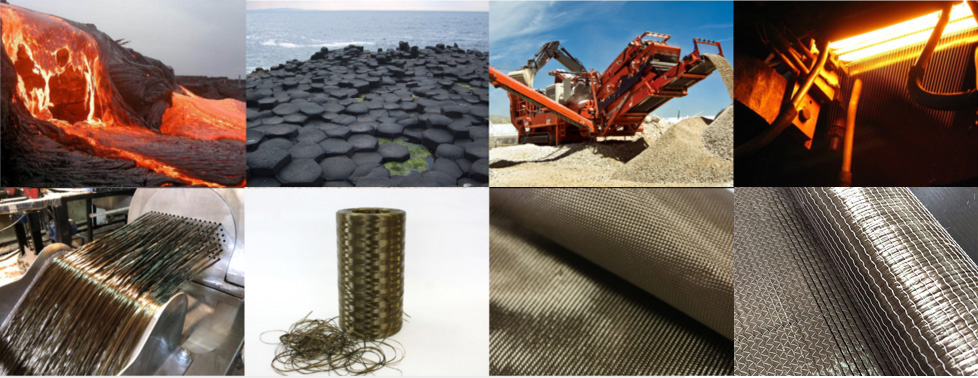
Unlike fiberglass which loses strength at high temperatures, basalt fiber maintains its structural integrity. It is non-combustible and functions reliably from cryogenic temperatures to constant heat up to 700℃.
Highly resistant to acids, alkalis, and salt spray. This makes it the ideal material for marine applications and underground reinforcement where moisture and chemicals would degrade other fibers.
With a tensile strength exceeding E-glass and approaching carbon fiber, it provides excellent reinforcement for composites, sporting goods, and construction.
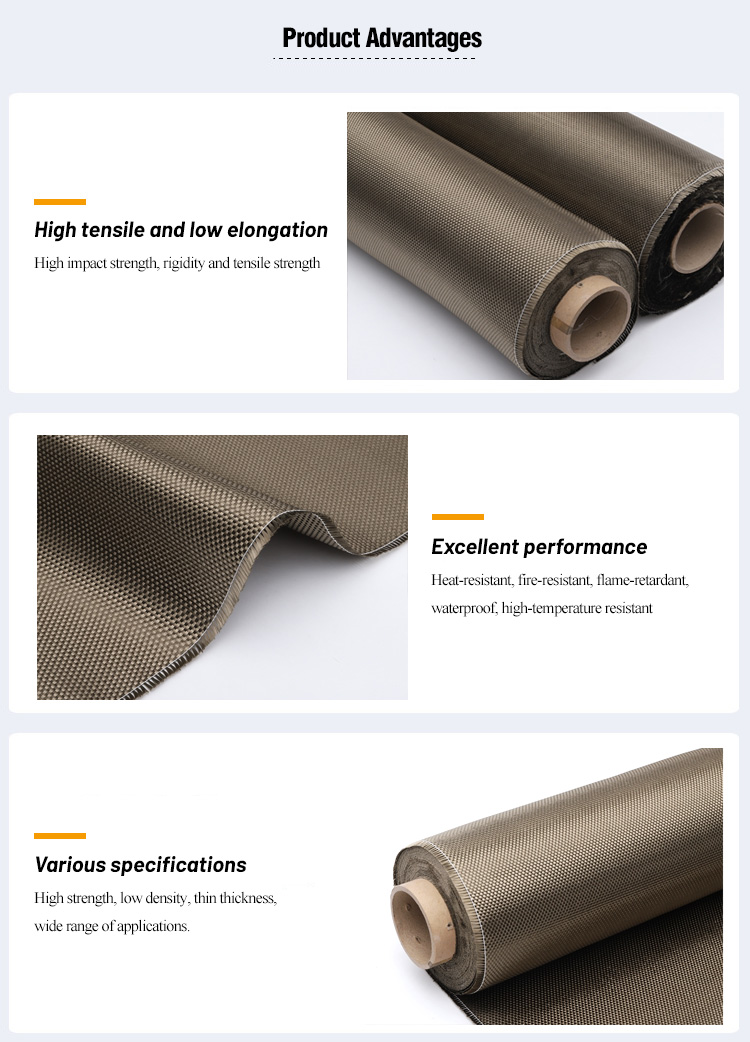
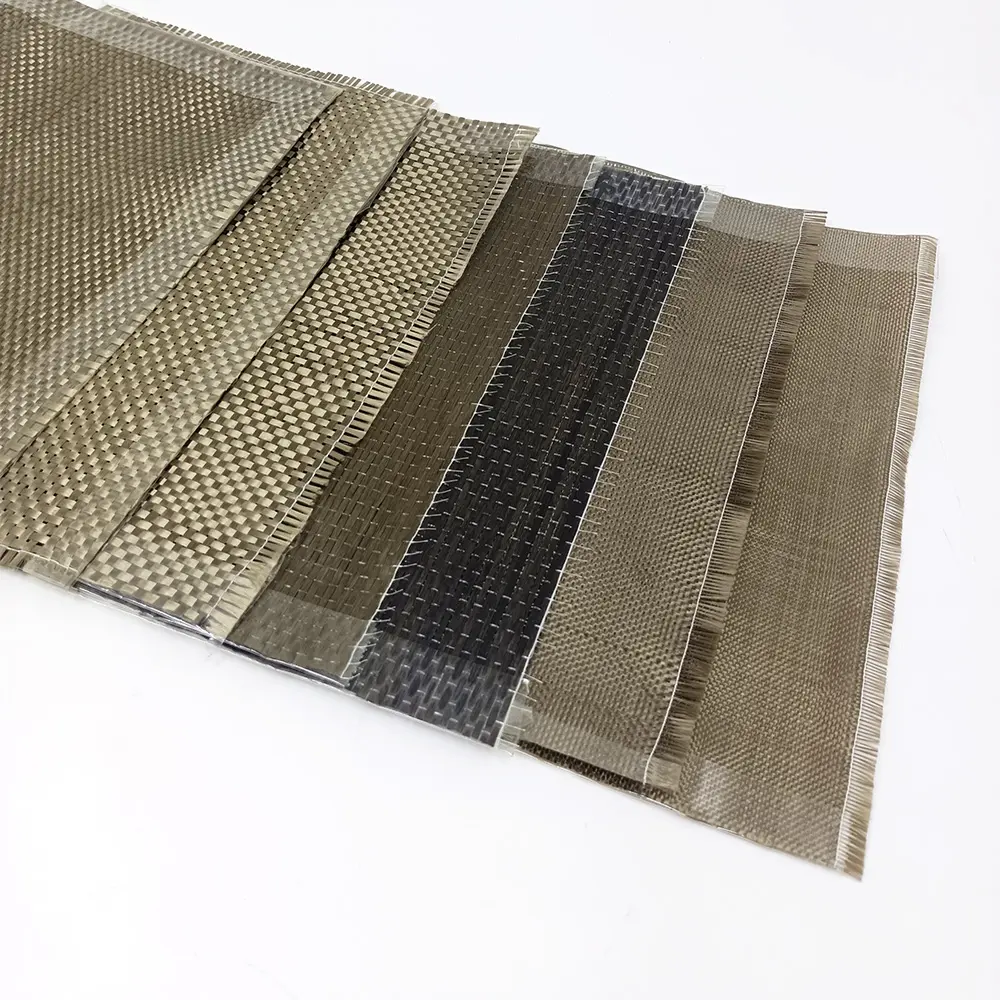
| Style | Reinforcement Yarn | Weave | Fiber Count (10mm) | Weight | Thickness | Width | ||
|---|---|---|---|---|---|---|---|---|
| Warp | Weft | Warp | Weft | g/m² | mm | cm | ||
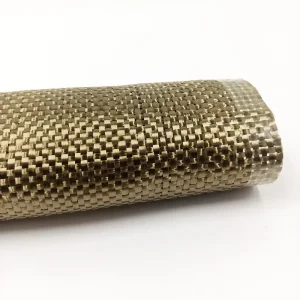
| BH-A-110 | 90Tex | 90Tex | Plain | 6 | 6 | 110 | 0.10 | 100 |
| BH-A-145 | 90Tex | 90Tex | Plain | 8 | 8 | 145 | 0.13 | 100 |
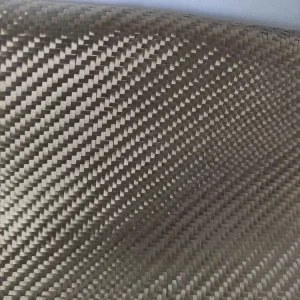
| BH-B-145 | 90Tex | 90Tex | Twill | 8 | 8 | 145 | 0.13 | 100 |
| BH-A-200 | 110Tex | 110Tex | Plain | 9 | 9 | 200 | 0.18 | 100 |
| BH-B-200 | 110Tex | 110Tex | Twill | 9 | 9 | 200 | 0.18 | 100 |
| BH-A-200 | 132Tex | 132Tex | Plain | 8 | 7 | 200 | 0.18 | 100 |
| BH-B-200 | 132Tex | 132Tex | Twill | 8 | 7 | 200 | 0.18 | 100 |
| BH-A-300 | 300Tex | 300Tex | Plain | 5 | 5 | 300 | 0.25 | 100 |
| BH-B-300 | 300Tex | 300Tex | Twill | 5 | 5 | 300 | 0.25 | 100 |
| BH-A-360 | 300Tex | 300Tex | Plain | 6 | 6 | 360 | 0.30 | 100 |
| BH-B-360 | 300Tex | 300Tex | Twill | 6 | 6 | 360 | 0.30 | 100 |
| BH-B-420 | 300Tex | 300Tex | Twill | 7 | 7 | 420 | 0.35 | 100 |
| BH-A-480 | 800Tex | 800Tex | Plain | 3 | 3 | 480 | 0.46 | 100 |
| BH-A-600 | 800Tex | 800Tex | Plain | 4 | 3.5 | 600 | 0.48 | 100 |
| BH-A-800 | 800Tex | 800Tex | Plain | 5 | 5 | 800 | 0.50 | 100 |
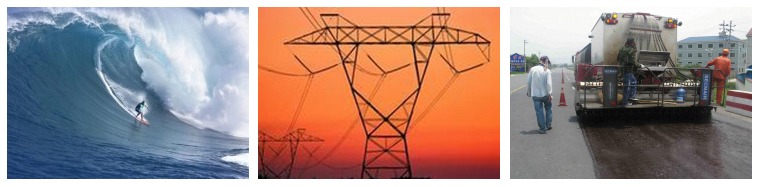
Basalt fiber cloth finds applications in various industries due to its unique properties. Some common applications include:
Used as reinforcement in automotive parts, marine components, sporting goods, and construction materials for enhanced strength.
Ideal for heat shields, fire curtains, and protective barriers requiring high-temperature resistance.
Serves as an effective insulator in applications where electrical conductivity must be minimized.
Reinforcing concrete structures to provide additional structural durability and long-term strength.