Product Features
✔
High process flexibility and superior mechanical properties.
✔
Excellent resistance to chemical corrosion, acid, alkali, and salt.
✔
Extremely wear-resistant with good smooth transition.
✔
High intensity, modulus, and exceptional shock resistance.
✔
Superior bonding strength when combined with various resins.
✔
Excellent electrical insulating and anti-ultraviolet radiation performance.
✔
High frost and moisture resistance.
✔
Extreme temperature stability: -270°C up to 700°C.
Processing & Types
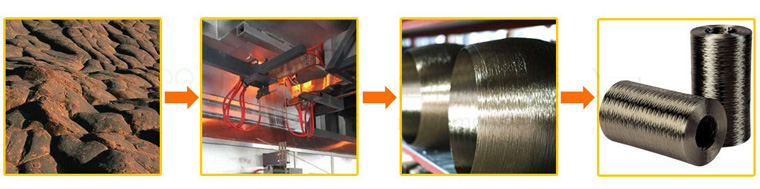
Basic technologies of basalt roving processing:
- Pultrusion
- Filament winding
- Weaving
- Multiaxial fabrics production
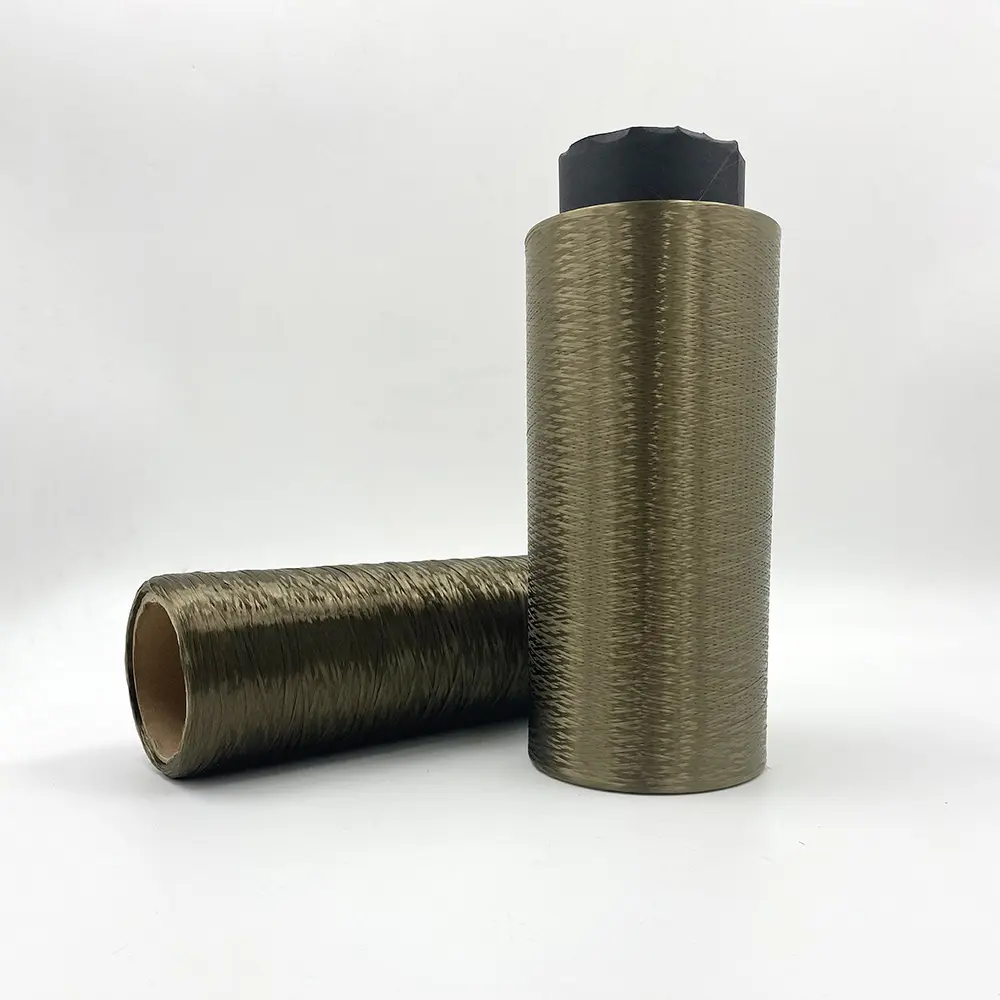
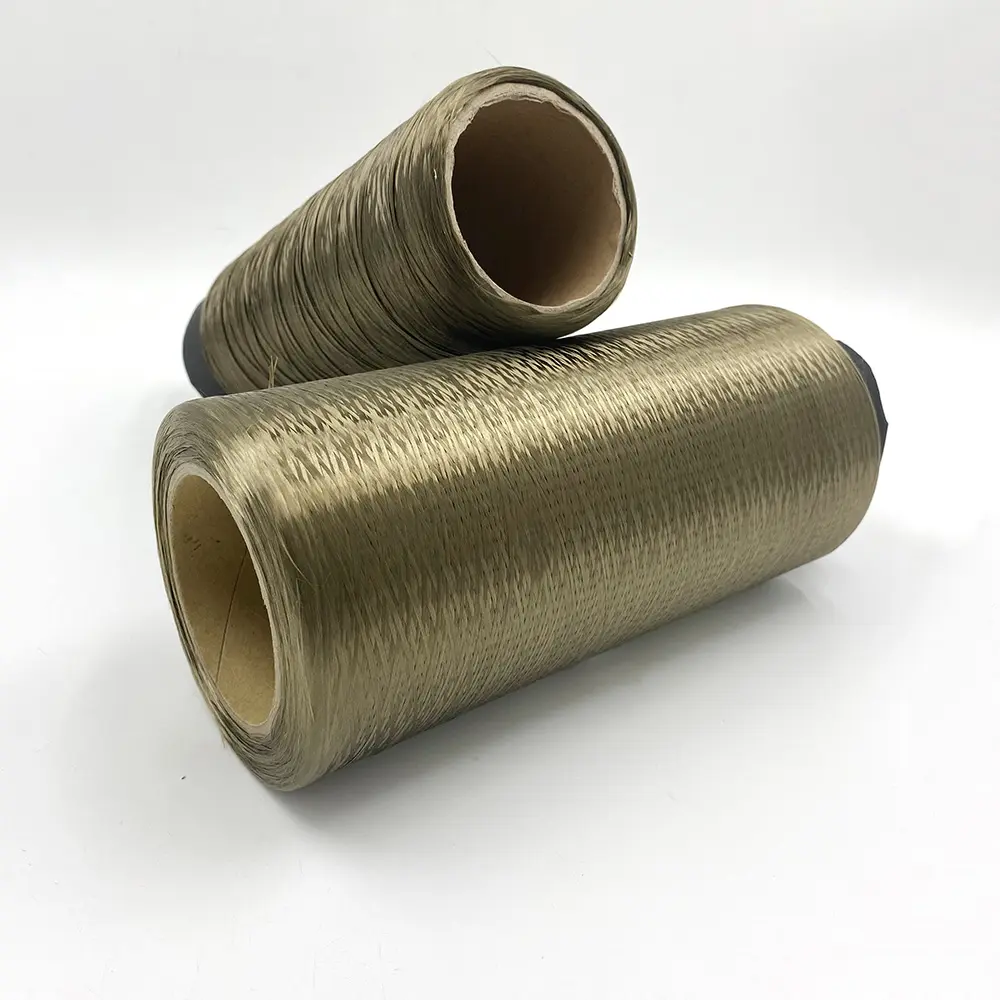
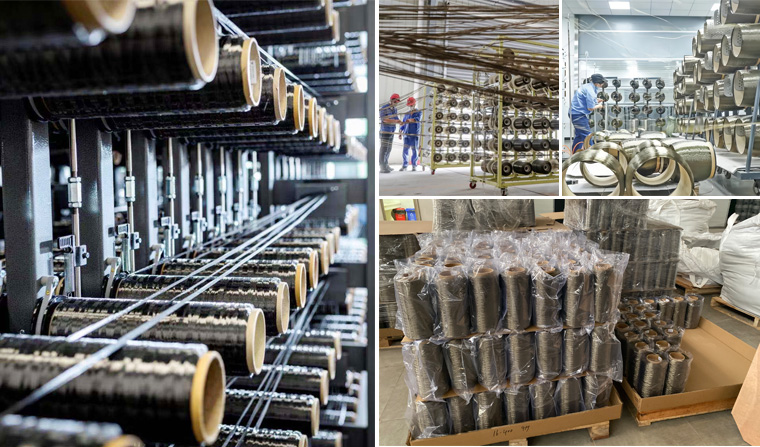
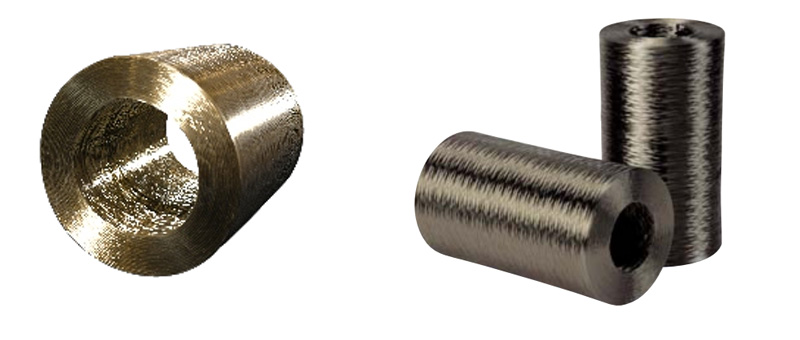
Type 1: Direct Roving
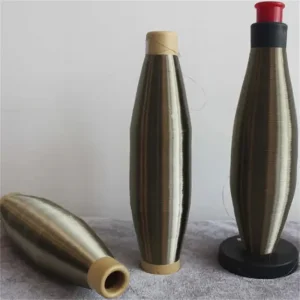
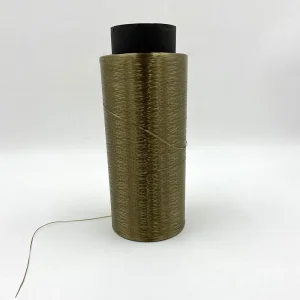
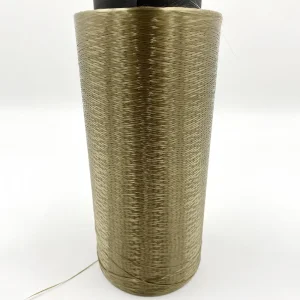
Direct roving is a ready-to-sell continuous one-end strand produced in the drawing process. It features zero catenary and excellent appearance. It is ideal for fabrics, geogrids, pultruded profiles, and rebar.
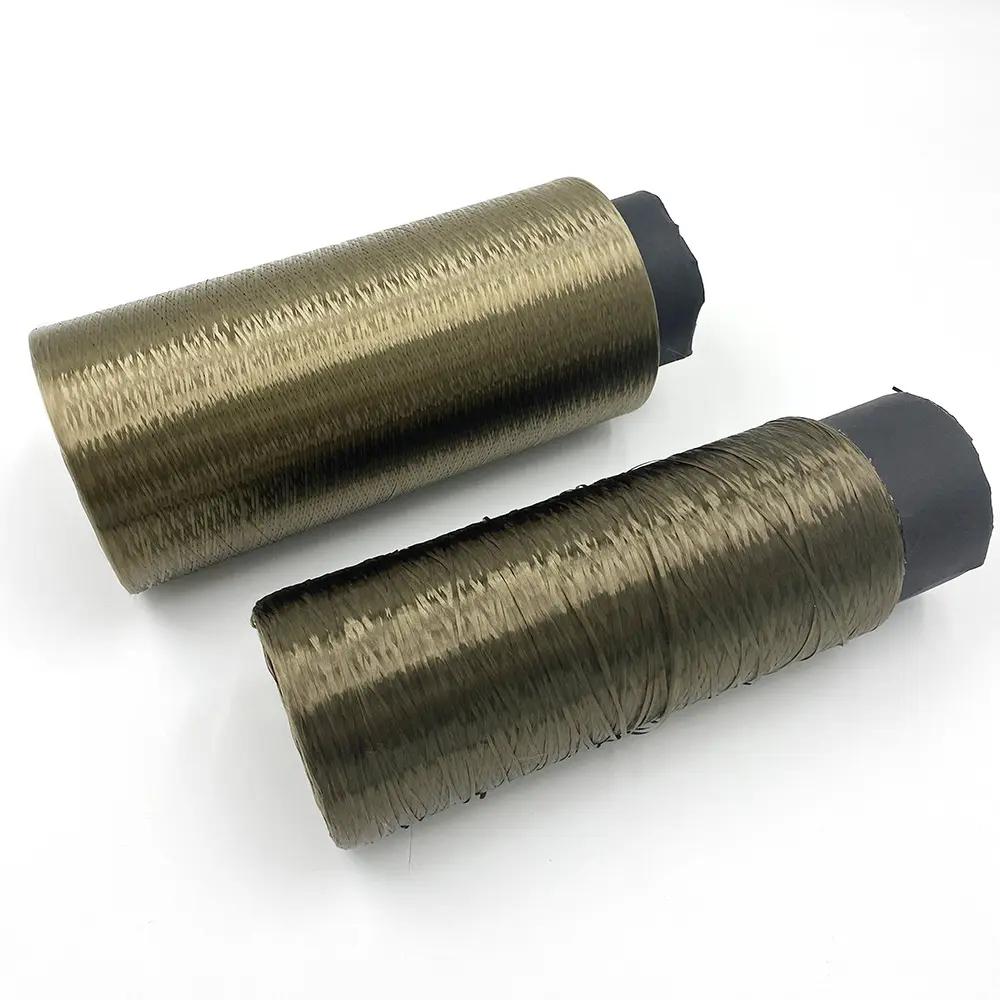
Type 2: Assembled Roving
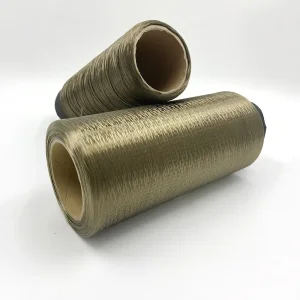
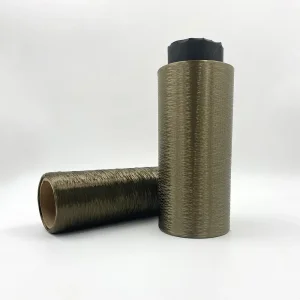
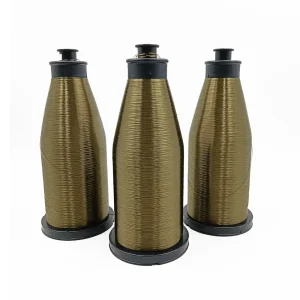
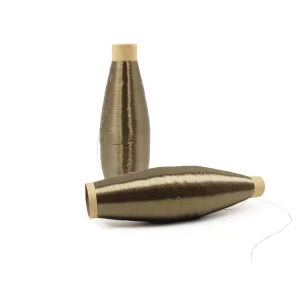
Consists of several single-end strands joined together without twisting. Supplied on bobbins with internal or external pools, suitable for customers requiring specific winding configurations.
Product Applications
Suitable for pultrusion, winding, weaving, LFT processes, and twin-screw direct extrusion. Compatible with UP, EP, VE, PPS, PP, PA, PF, and acrylate resin systems.
01
Reinforcing material for composites.
02
Unidirectional fabric for building reinforcement.
03
Checkered fabrics, mesh fabrics, and geotextiles.
04
Wrapping pipes, tanks, and gas cylinders.
05
High-temperature resistant SMC, BMC, and DMC.
06
Production of BFRP and basalt fiber composite rebar.
Frequently Asked Questions
What is the temperature resistance range of Basalt Roving?
Basalt roving offers exceptional thermal stability, withstanding low temperatures down to -270°C and high temperatures up to 700°C.
Which resin systems are compatible with these fibers?
It is highly compatible with UP, EP, VE, PPS, PP, PA, PF, and acrylate resin systems, ensuring strong bonding strength.
What are the primary processing techniques?
The roving is suitable for pultrusion, filament winding, weaving, and multiaxial fabric production.
Does basalt fiber resist chemical corrosion?
Yes, it features excellent resistance to chemical corrosion, including acid, alkali, and salt environments.
What is the difference between direct and assembled roving?
Direct roving is a single continuous strand with zero catenary, while assembled roving consists of multiple strands joined together without twisting for specific industrial needs.
What industries typically use basalt roving?
It is widely used in construction, pipeline manufacturing, automotive parts, electrical appliances, and high-temperature filtration systems.
 Beihai Fiberglass