Direct supply from state-of-the-art facilities with engineered polymer compatibility sizing.
In modern industrial applications, rubber compounds are constantly subjected to extreme operational demands, including cyclic load fatigue, intense heat degradation, chemical attack, and mechanical abrasion. Historically, carbon black, synthetic aramid, polyester, and steel cords stood as the primary reinforcing agents. However, engineering horizons have evolved. Basalt Chopped Strand Reinforced Rubber represents a paradigm shift, successfully combining the robust, inert properties of continuous igneous rock filament with the flexible elasticity of specialized vulcanized rubbers.
As a leading high-tech manufacturer rooted in Jiujiang, Jiangxi, China Beihai Group (founded in 2015) has dedicated years to bridging the micro-structural gap between organic elastomers and inorganic fibers. Our advanced research centers have solved the critical industry challenge—interfacial adhesion compatibility—through molecularly engineered organosilane sizing technologies. This technical breakthrough unlocks unprecedented thermal limits, dynamic load limits, and structural durability across countless demanding fields, ranging from petrochemical transport hoses to heavy-duty industrial conveyor systems.
Basalt fiber is ideal for your engineering projects. Its high strength, corrosion resistance, and lightweight properties allow it to easily solve a variety of complex challenges. In buildings, bridges, roads, and other critical infrastructure projects, basalt fibers demonstrate outstanding performance, extending structural life and reducing overall maintenance costs. Choosing basalt fiber means choosing absolute reliability and durability under real-world pressure.
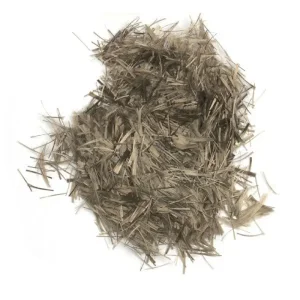
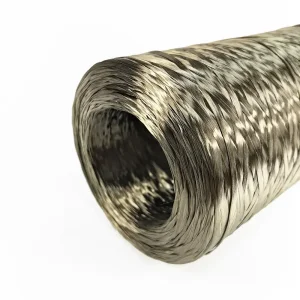
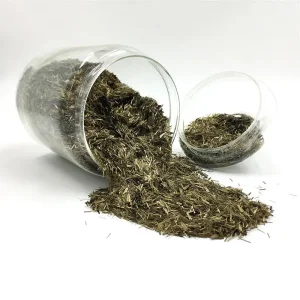
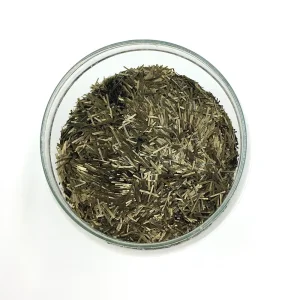
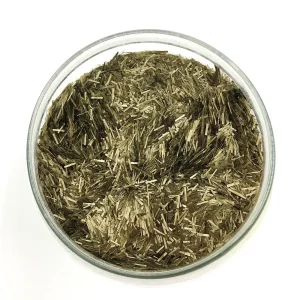
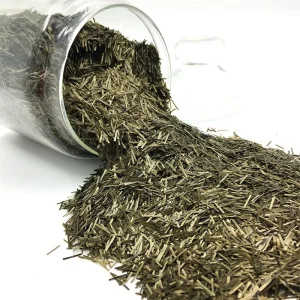
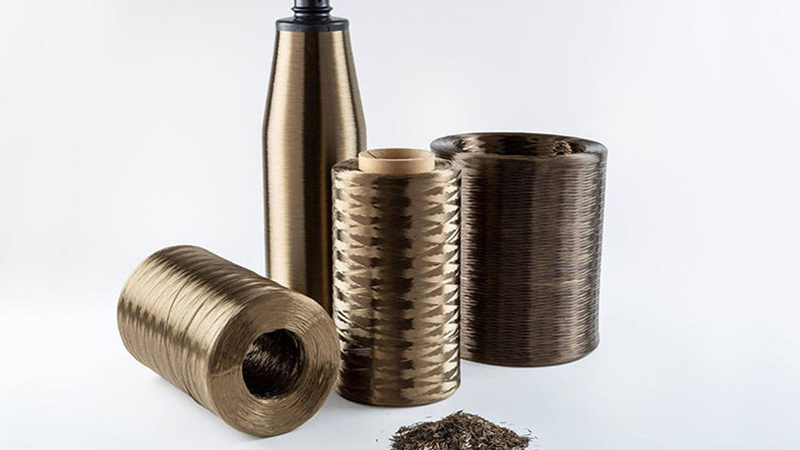
Basalt chopped strands are produced by pulling continuous filaments from molten basalt rock at temperatures exceeding 1450°C. The filaments are then rapidly quenched and treated with a proprietary chemical sizing agent before being chopped to highly precise lengths (typically 3mm, 6mm, 12mm, or 24mm). When integrated into elastomeric matrices (such as SBR, NBR, EPDM, or Natural Rubber), these strands form a dynamic 3D structural network that redirects micro-cracks and absorbs tensile stress.
| Physical property comparison | Basalt Chopped Strands | E-Glass Fiber | Aramid (Kevlar) | Carbon Fiber (PAN) |
|---|---|---|---|---|
| Tensile Strength (MPa) | 3,000 - 4,800 | 2,400 - 3,400 | 2,900 - 3,400 | 3,500 - 6,000 |
| Elastic Modulus (GPa) | 89 - 110 | 72 - 76 | 70 - 112 | 230 - 600 |
| Density (g/cm³) | 2.63 - 2.80 | 2.54 - 2.60 | 1.44 - 1.45 | 1.75 - 1.80 |
| Operating Temperature Range (°C) | -260 to +700 | -60 to +380 | -196 to +250 | -50 to +500 (in inert) |
| Alkali & Acid Resistance | Excellent (High pH inertness) | Fair to Poor | Moderate | Excellent |
| Eco-Footprint / Recycle Capacity | 100% Natural, High recyclability | Energy-intensive, synthetic | Non-recyclable synthetic | High carbon footprint |
The core scientific hurdle when adding glass or rock fibers to rubber is that elastomers are hydrophobic polymers, while basalt is a hydrophilic silicate. Unmodified basalt strands easily pull out under dynamic loads, leading to localized void propagation and premature failure. To combat this, China Beihai applies a multi-component Organofunctional Silane Sizing during the fiber-drawing process. The dual-functional molecules form powerful covalent siloxane bonds with the basalt surface while concurrently cross-linking with the rubber molecules during sulfur vulcanization. The resulting reinforced rubber composite maintains its physical integrity even after millions of high-frequency flexural cycles.
Peak Tensile Strength
Max Operating Temp
Tear Strength Improvement
Established Leadership
When procurement managers assess international bids for high-performance composite additives, the stability of the supply chain, product consistency, and price competitiveness are major considerations. Choosing a specialized Chinese manufacturer like China Beihai yields major advantages:
China is home to some of the world's most uniform basalt volcanic deposits. These raw materials contain optimal silica-alumina ratios, ensuring stable melt viscosities and highly consistent tensile parameters across large manufacturing campaigns.
Our Jiujiang facility operates large-scale, digitally controlled electric furnaces. The precision-engineered platinum-rhodium alloy bushing plates guarantee uniform filament diameters down to +/- 0.5 microns, preventing composite localized stress hotspots.
We do not just supply off-the-shelf fibers. We customize silane chemistry sizes based on your exact compounding polymer matrices, whether it is natural rubber, EPDM, nitrile (NBR), fluoroelastomers (FKM), or silicone.
China Beihai is founded in 2015 and located in Jiujiang, Jiangxi Province. As a high-tech enterprise focusing on the research, development, production, and sales of high-performance continuous basalt fiber and its proprietary processing equipment, the company has emerged as a premier force in the domestic market. Choosing to partner with China Beihai means working with a modern, forward-thinking developer that delivers high-performance solutions tailored to your unique dynamic criteria.
Empowering global enterprises with continuous innovations and complete material reliability.

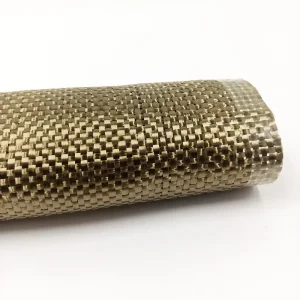
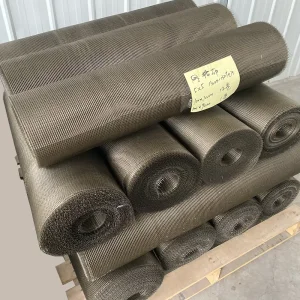
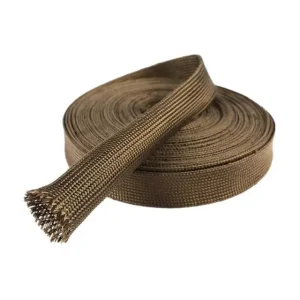
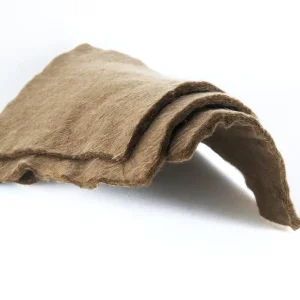
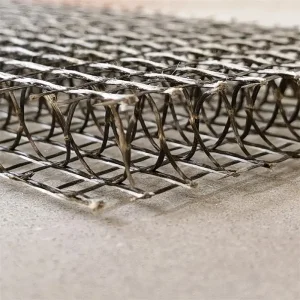
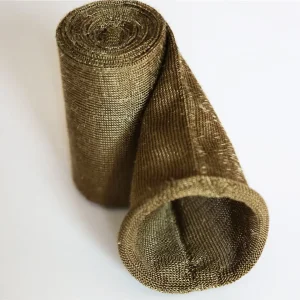
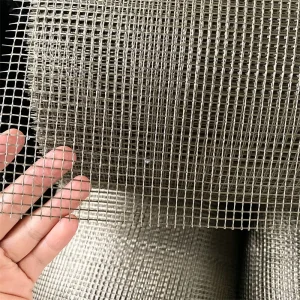
At China Beihai group, we specialize in the production of a wide range of products including basalt fiber mat (Basalt fiber chopped strand mat, Basalt fiber cloth), basalt fiber roving, basalt fiber yarn, basalt fiber chopped strands, and basalt fiber products (Basalt Fiber rebar, basalt fiber sleeves, and tape). Our products are designed to meet the diverse needs of various industries, providing high-quality solutions for our customers.

At China Beihai group, we are dedicated to the production of a wide array of basalt-based products, ranging from basalt fiber mat, fabric, and roving to chopped strand and specialized construction materials. Our focus is on delivering high-quality, sustainable solutions for industries such as construction, geotechnical engineering, and manufacturing. With a commitment to innovation and excellence, we strive to cater to the unique requirements of our clients by offering a comprehensive selection of basalt-derived products.

Choosing to work with China Beihai means working with a leading manufacturer of basalt products. Our commitment to quality, innovation, and sustainability sets us apart, ensuring our customers receive best-in-class solutions for their diverse needs. With reliability and customer satisfaction, we offer a wide range of high-quality basalt materials and construction products, backed by our dedication to excellence and industry expertise. When you partner with China Beihai, you can trust that you are working with a reliable and forward-thinking supplier for all your basalt product needs.
Where extreme properties meet real-world elastomeric compounding challenges.

Our basalt products have diverse, structural applications in house construction, seismic dampening, and reinforced bridge bearings.

In aerospace, basalt fibers are ideal for manufacturing light weight components, structural dynamic damping, and acoustic insulation panels.

Through fine process control and surface treatment technologies, we enable the use of basalt fibers in spacecraft shield materials and high-temp components.

Basalt-added concrete increases crack resistance, improves chemical stability, prevents steel rebar corrosion, and boosts structural service life.

Facing lightweight initiatives, basalt-fiber reinforced composites find extensive applications in engine shields, brake pads, and heavy-duty tires.

Protects vulnerable bridge abutments from violent vehicle impact, moisture corrosion, thermal cycles, and severe physical wear.

Exceptional acid-alkali chemical resistance makes basalt continuous fiber the ideal choice for high-pressure transfer hoses and chemical piping systems.

Resists salt spray corrosion, constant saltwater submersion, high mechanical shock loads, and structural fatigue in offshore platforms.
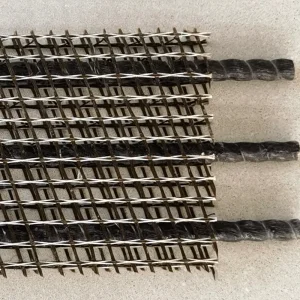
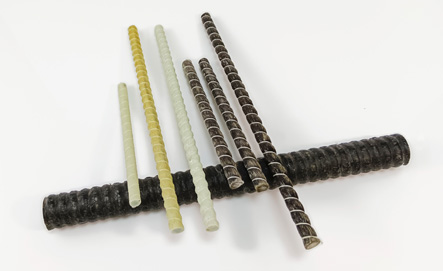
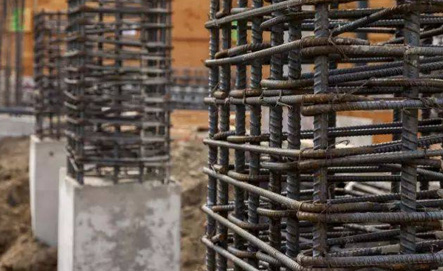
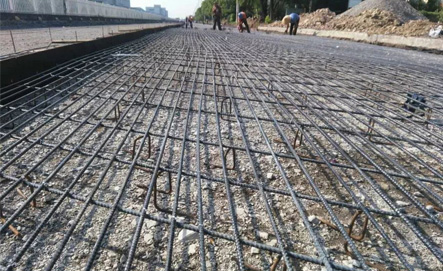
Traditional structural design relies heavily on carbon steel reinforcements, which inevitably rust under coastal exposure, acid rain, or de-icing salt ingress. Basalt Fiber Rebar serves as a direct, rustproof replacement that matches or exceeds steel's mechanical parameters at a fraction of its weight.
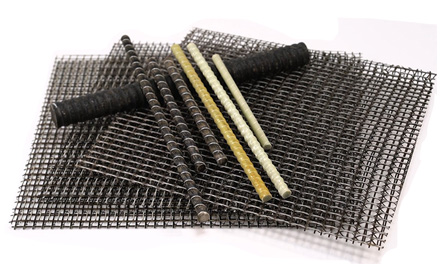
Our engineering division manufactures basalt rebar with high-grip helical sand-coated surfaces to maximize structural adhesion. This material represents the pinnacle of long-life composite engineering, especially useful in seawalls, bridge decks, and magnetic resonance imaging (MRI) building chambers where magnetic transparency is required.
Tested and validated materials in active industrial deployments around the world.
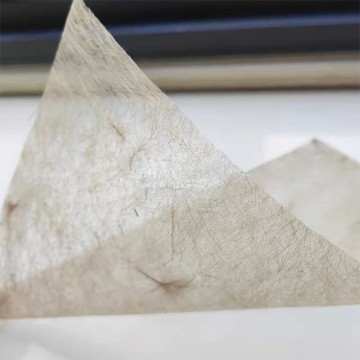
A non-woven thin sheet engineered to provide a smooth, resin-rich surface layer for fiber reinforced plastics.
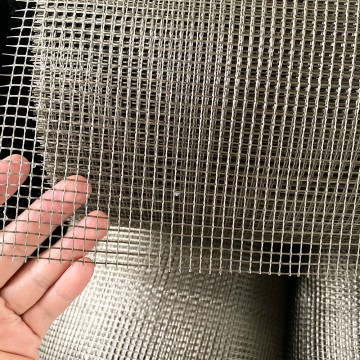
Provides superior reinforcement in cement plaster and highly alkaline concrete structural matrices.
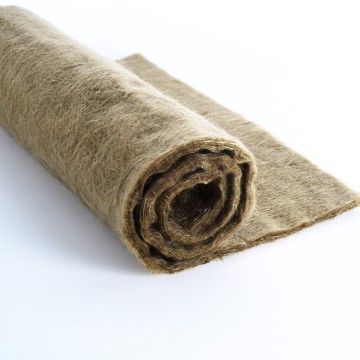
Bonded mechanically without any synthetic chemical binder to maximize clean thermal barrier properties.
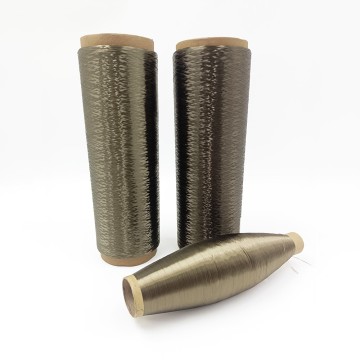
Engineered by twisting multiple continuous micro-filaments to optimize mechanical strength and winding properties.
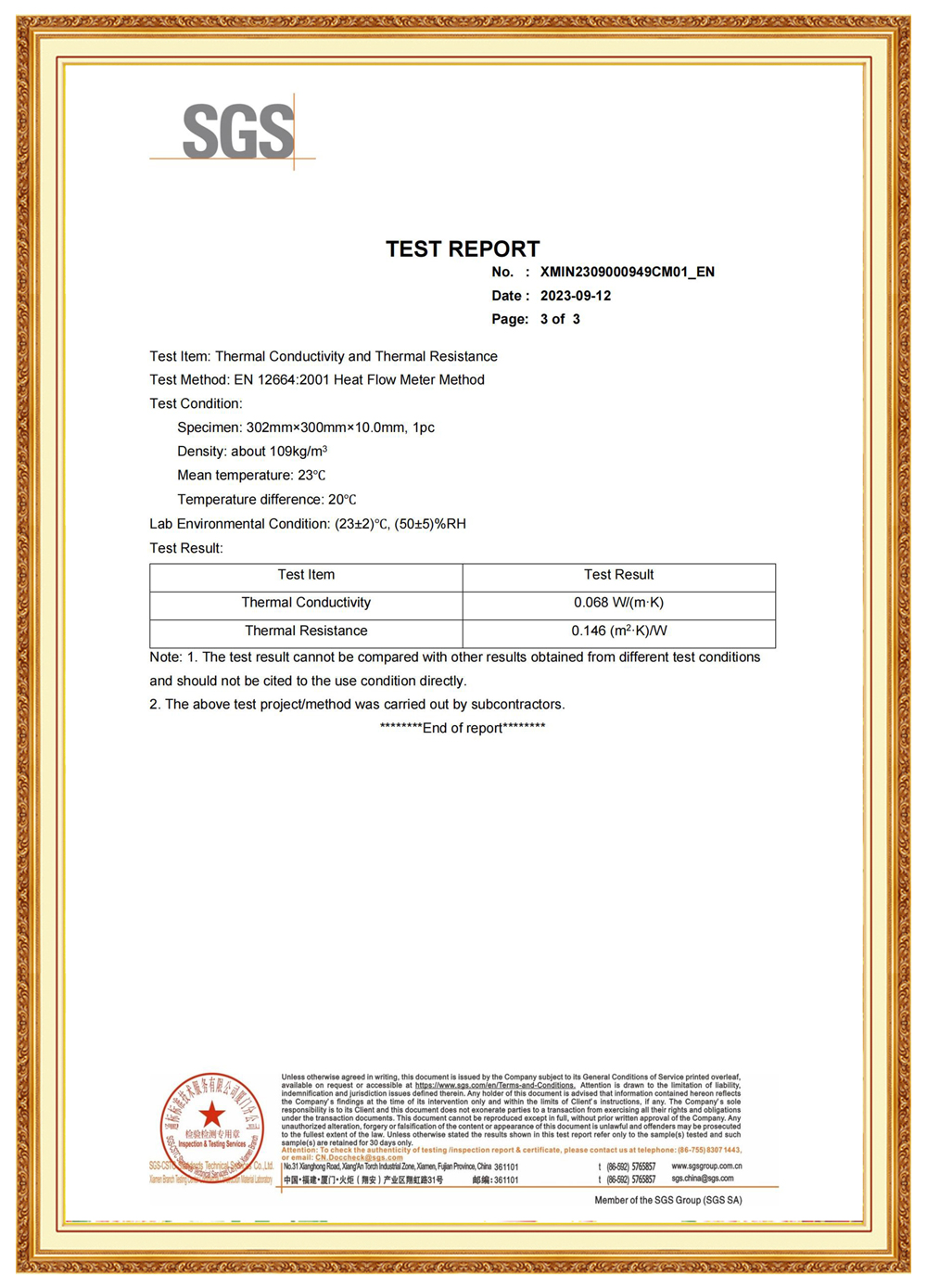
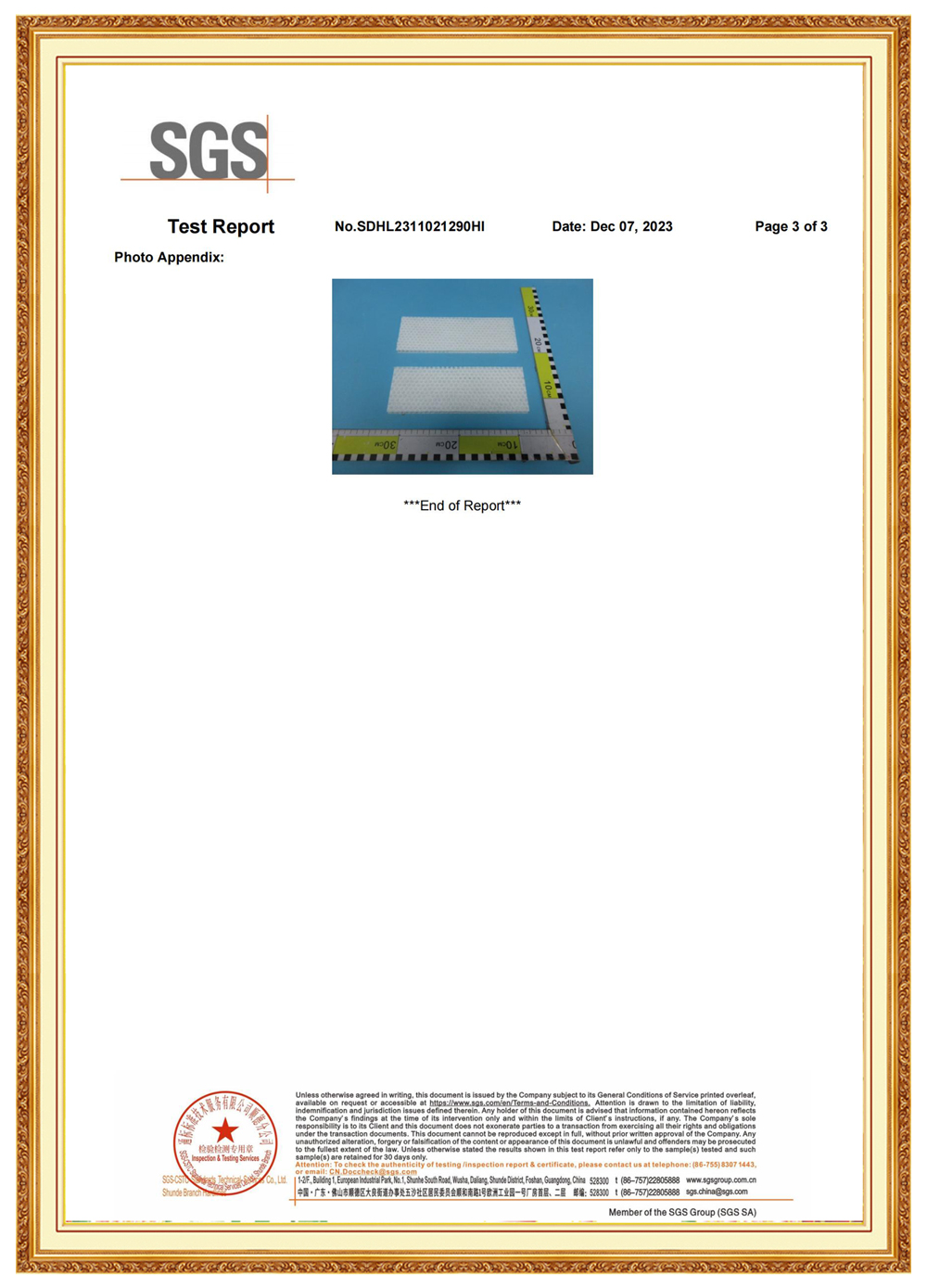
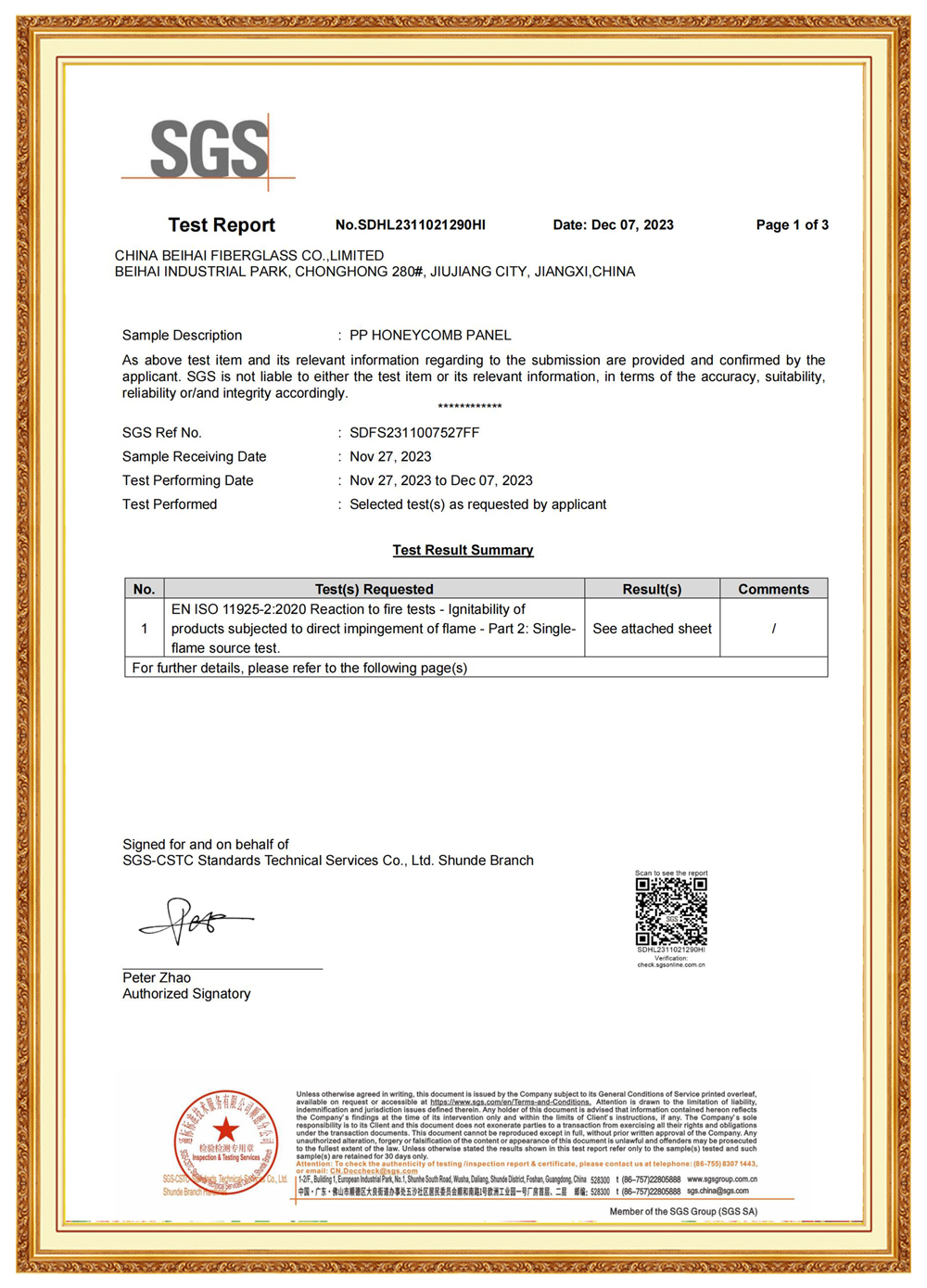
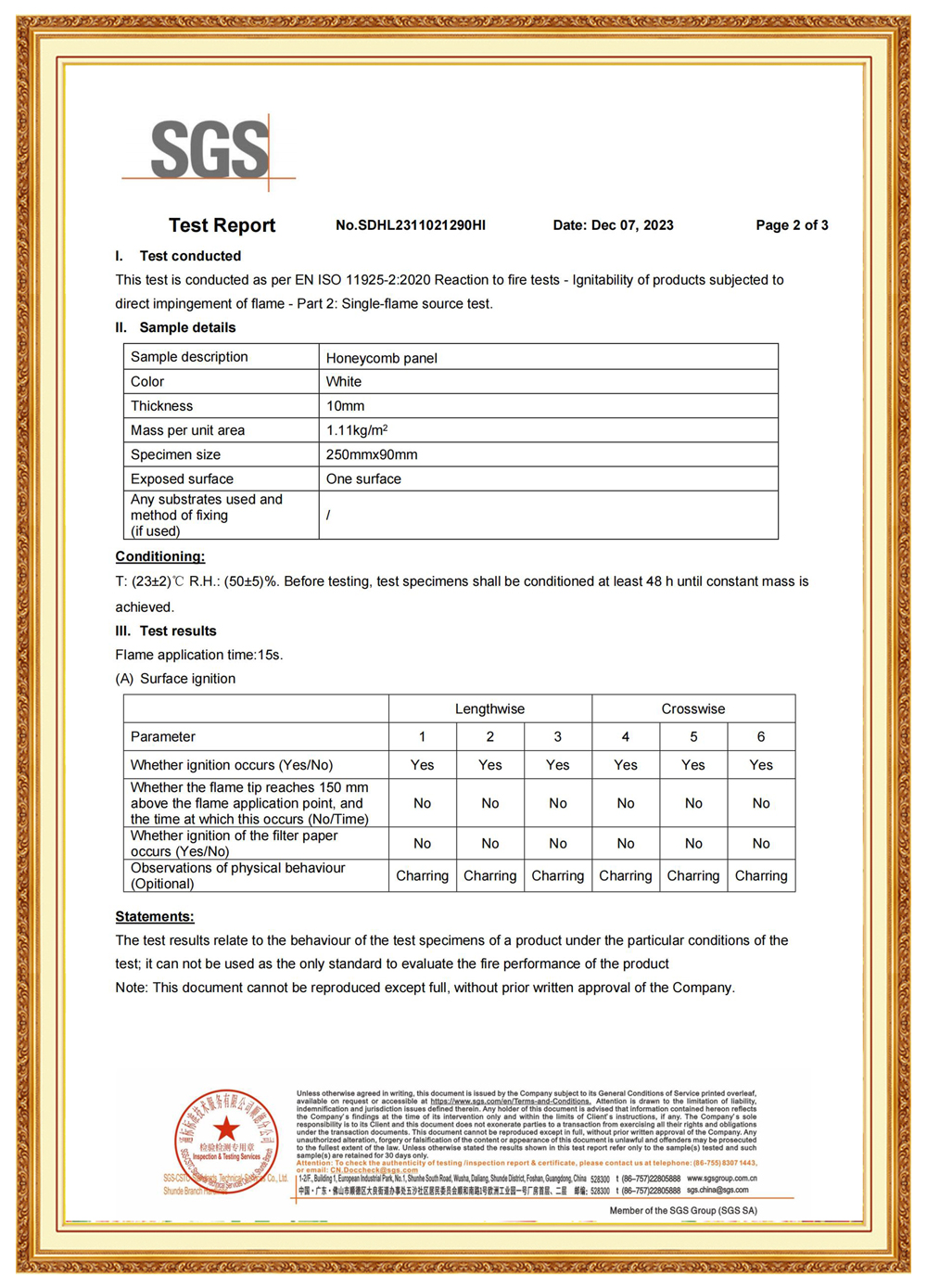
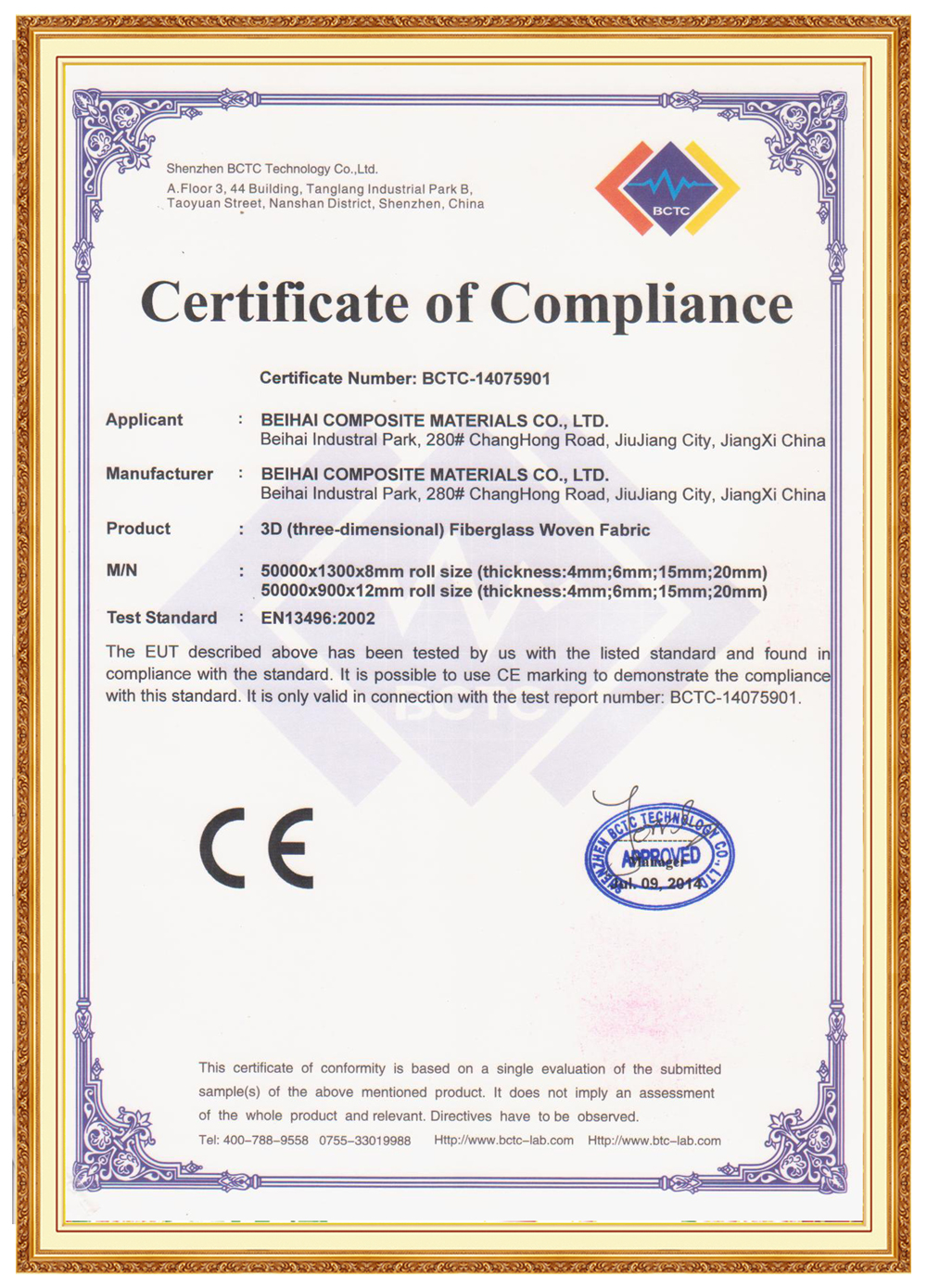
Our commitment to rigorous ISO standard controls and international regulatory compliances.
In classical material theory, an elastomer is a highly flexible, low-modulus network of long polymer chains that can undergo massive reversible elastic deformation. Conversely, basalt fiber is a high-stiffness, linear silicate glass-like structure with minimal strain capacity. Mixing these two distinct phases directly without a robust interfacial coupling mechanism creates internal stress gaps. Under dynamic shear forces, the flexible rubber matrix expands and pulls away from the stiff basalt strands, leading to fast mechanical failure.
To overcome this micro-structural boundary gap, our R&D group developed the "Hydrosilylation-Vulcanization Co-Reaction" (HVCR) model. The basalt strand is first coated with a custom organofunctional silane sizing agent ($Y-R-Si-X_3$). The $X$ represents hydrolyzable groups (e.g., methoxy, ethoxy) that bind directly with the silanol group ($Si-OH$) sites on the basalt fiber surface, forming strong, water-resistant $Si-O-Si$ chemical links. The organic $Y$ group, which is highly compatible with the target rubber matrix, contains chemical groups like vinyl, amino, mercapto, or sulfur chains. During vulcanization, these reactive groups chemically bind with the rubber matrix, locking the fiber and elastomer together into a single, cohesive unit.
Global logistics, supply chain issues, and strict clean manufacturing policies require that material buyers source their inputs from robust, established suppliers. Sourcing basalt chopped strands from small, low-tech suppliers exposes companies to three critical issues:
Our Jiujiang production plant addresses these issues with advanced electric booster melting technology and automated, continuous bushing plates. By maintaining strict thermal control at 1450°C (+/- 2°C), we ensure uniform chemical distribution throughout the melt, guaranteeing reliable mechanical performance for every batch of fiber we deliver.
As international environmental regulations tighten, industrial manufacturers are seeking green alternatives to high-carbon raw materials like carbon fiber and steel cord. Basalt fiber is an exceptionally sustainable, non-hazardous choice:
Stay informed on the cutting edge of industrial materials technology.

As drones slice through the sky to monitor wildfires, and intelligent robots execute repetitive tasks with precision on the factory floor, the efficient operation of this smart equipment is often underpinned by a "hardcore support". Our continuous basalt fiber formulations are leading this charge, delivering exceptional lightweight strength and thermal resistance to dynamic industrial operations worldwide.
Read the Full Story →Addressing core technical questions from design engineers and supply chain managers.
Basalt fiber offers an excellent balance of cost and performance. While carbon fiber has a higher modulus, its cost is often too prohibitive for mass industrial rubber formulations, and it is prone to brittle fracture under dynamic shear. Aramid fiber has excellent flex fatigue resistance but is highly sensitive to moisture absorption and thermal degradation at temperatures above 250°C. Basalt chopped strands are highly cost-effective, deliver exceptional acid and alkali resistance, and maintain structural integrity at temperatures up to 700°C without absorbing moisture.
Typical loading rates range from 5 phr to 30 phr (parts per hundred rubber), depending on the target hardness, modulus, and tear resistance of your EPDM/Nitrile compound. For conveyor belt cover compounds, 10 phr to 15 phr yields optimal cut, tear, and abrasion resistance without significantly reducing the compound's flexibility. We recommend conducting local laboratory compound evaluations to determine the optimal balance of raw materials.
Our chopped strands are treated with a specialized, quick-release water-soluble or polymer-compatible binder. When added to an internal mixer (Banbury or kneader), the binder dissolves smoothly under heat and shear. This allows the individual basalt filaments to disperse quickly and evenly throughout the compounding matrix, preventing the formation of dry fiber clumps and ensuring consistent performance.
Yes. We offer continuous filament diameters ranging from 9 microns to 22 microns. Standard chop lengths are 3mm, 6mm, 12mm, and 24mm. Custom lengths and surface sizing treatments can be engineered based on your specific polymer system and processing requirements.
Premium solutions for extreme thermal environments and high-durability composites.
Talk directly with our materials engineers in Jiujiang to design a customized sizing formula tailored to your polymer system.
Contact Engineering Desk Beihai Fiberglass