Frequently Asked Questions
What are the primary benefits of using Basalt Fiber in road construction?
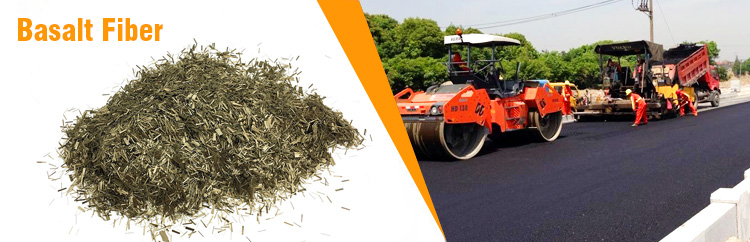
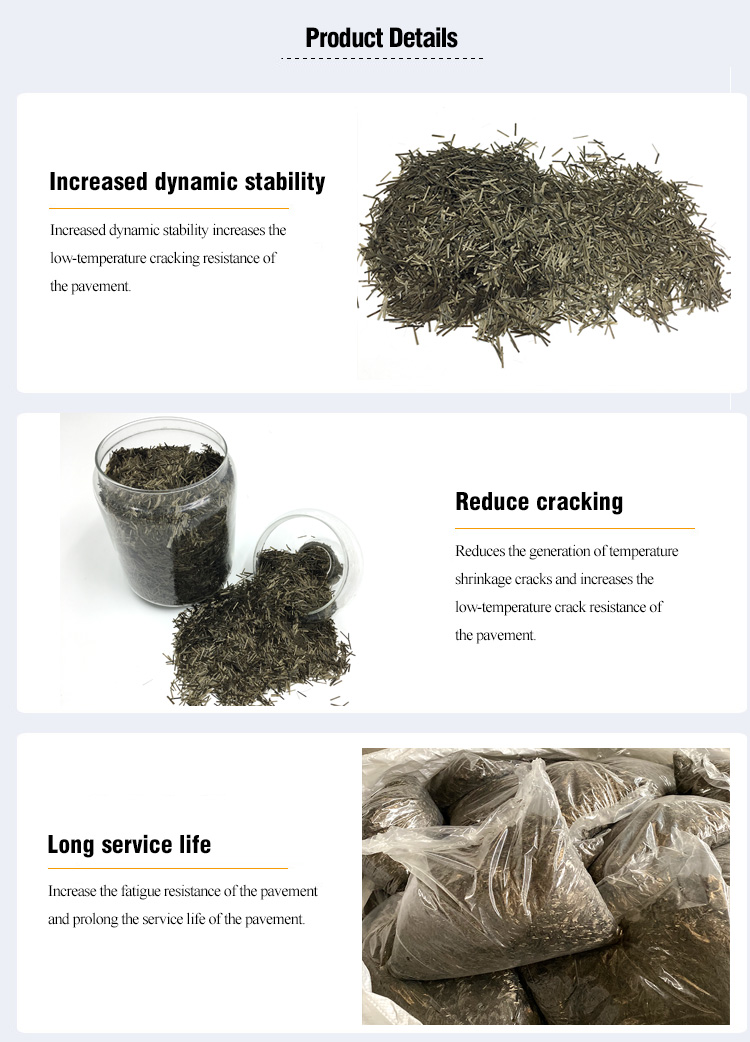
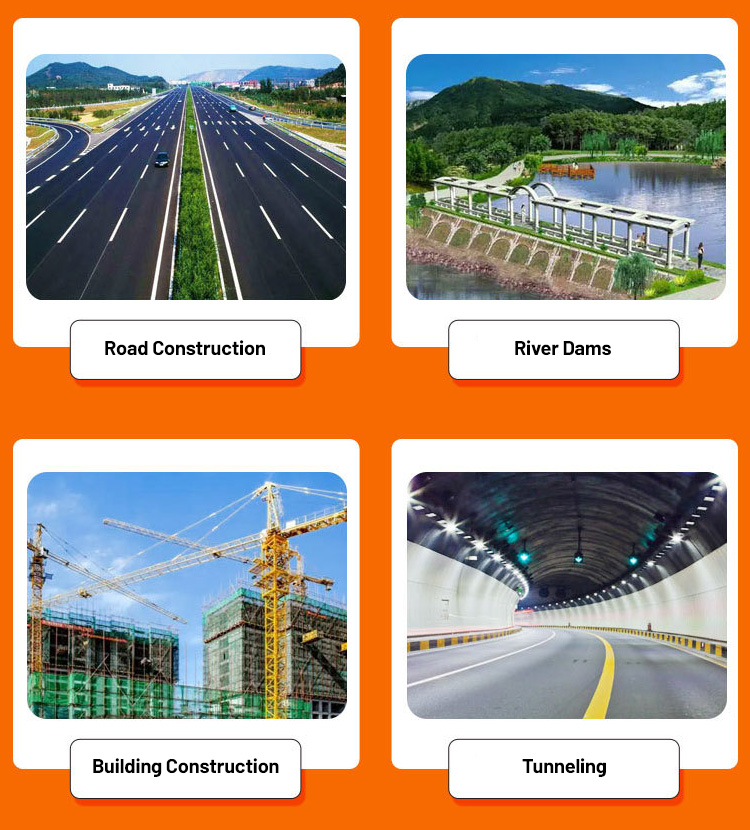
Basalt fiber significantly increases dynamic stability, improves high-temperature rutting resistance, and enhances the pavement's ability to resist temperature stress and cracks.
Is Basalt Fiber resistant to chemical environments?
Yes, it features high resistance to chemical corrosion, including acid, alkali, and salt, making it ideal for harsh industrial and marine environments.
Can it be used for electrical applications?
Absolutely. Basalt fiber is non-conductive and non-magnetic, providing excellent electrical insulation properties.
How does it perform under high temperatures?
It is highly temperature-resistant and is commonly used in high-temperature needling felt for automobile sound absorption and steel/aluminum tube protection.
Why is it used in concrete reinforcement?
It shares a similar thermal expansion coefficient to concrete, providing superior reinforcement that prevents seepage, cracking, and compression damage.
What molding processes is this fiber suitable for?
It is a high-quality material specifically suited for Sheet Molding Plastics (SMC), Block Molding Plastics (BMC), and Lump Molding Plastics (DMC).
 Beihai Fiberglass