Direct supply from Jiujiang, Jiangxi factory. Full compliance with international civil, geotechnical, and aerospace manufacturing standards.
A Comprehensive Technical Whitepaper on Advanced Molecular Bonding, Thermal Resistance, and Structural Polymer Mechanics
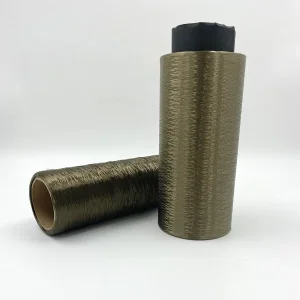
As engineering paradigms drift toward ecological sustainability and structural resilience, Milled Basalt Fiber has emerged as the premier microscopic reinforcing filler across modern composite sciences. Unlike traditional E-glass or high-carbon fibers, milled basalt fibers represent 100% natural, single-ingredient inorganic fibers derived entirely from volcanic basalt rocks through highly controlled melt-spinning and subsequent micro-milling processes.
The performance of micro-milled basalt fibers relies not only on their basalt core but also on their chemical sizing interface. At China Beihai Group, we utilize state-of-the-art organosilane coupling agents specifically modified for various resin systems, including Epoxies (EP), Polyesters (UP), Phenolics (PF), and Thermoplastics like Polypropylene (PP) and Polyamides (PA).
These specialized sizing treatments prevent the mechanical degradation typical of dry milling processes while creating covalent chemical bridges. This results in superior dispersion in dense matrices, minimizing microscopic stress concentrations and structural failures.
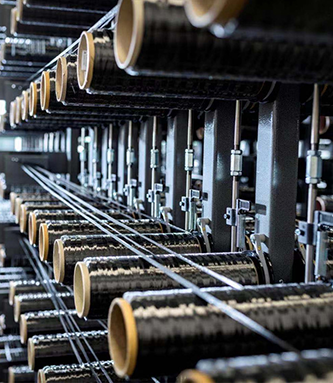
The chemical structure of milled basalt fiber inherits the raw basalt's natural composition: primarily silica (SiO₂), alumina (Al₂O₃), iron oxides (FeO and Fe₂O₃), calcium oxide (CaO), and magnesium oxide (MgO). This chemical profile delivers natural resistance to strong acids and highly alkaline cementitious mixtures, outperforming glass and organic polymer alternatives.
A comparative look at performance metrics. Basalt fiber offers cost efficiency, high thermal thresholds, and mechanical strength.
Understanding the exact physical variables is key when selecting microscopic reinforcements. Below is a structural property comparison showing how milled basalt fiber bridges the gap between cost-prohibitive carbon fiber and lower-performance glass fibers.
| Physical Property | Milled Basalt Fiber (Beihai) | E-Glass Milled Fiber | Milled Carbon Fiber |
|---|---|---|---|
| Density (g/cm³) | 2.63 - 2.80 | 2.54 - 2.60 | 1.75 - 1.85 |
| Tensile Strength (MPa) | 3,000 - 4,500 | 2,400 - 3,400 | 3,500 - 4,800 |
| Elastic Modulus (GPa) | 85 - 93 | 72 - 76 | 220 - 240 |
| Service Temperature (°C) | -260 to +650 | -60 to +380 | -50 to +450 |
| Alkali Resistance (% Retention) | 90% - Excellent | Poor to Moderate | Excellent |
| Dielectric Properties | Excellent (Insulative) | Good | Electrically Conductive |
| Eco-Footprint (CO₂ output) | Near-Zero Production Waste | Moderate | High Energy Intensive |
Note: Data points reflect typical laboratory tests under ISO and ASTM standards for China Beihai Group basalt products. Individual composite variations may occur based on final sizing selection and mixing methodology.
Targeted solutions for civil infrastructure, aerospace composites, and dynamic automotive systems.
 Building Construction
Our basalt products have diverse applications in the field of house construction. In building concrete, structural foundations, floor overlays, and micro-concrete plasters, milled basalt fibers suppress early-stage shrinkage cracks, improve fatigue life, and resist carbonation decay.
 Aviation & Aeronautics
In the aerospace field, basalt fibers are ideal for manufacturing aircraft wings, engine cowlings, and interior structural panels. The ultra-short profile allows smooth casting inside complex aeronautical molds, ensuring lightweight structural efficiency.
 Aerospace Systems
Through fine process control and surface treatment technologies, our research team has made it possible to use basalt fibers in spacecraft shell materials, thermal protection shields, and high-temperature-resistant components of rocket and jet engines.
 Concrete & Cement Reinforcement
Basalt-added concrete offers several advantages in engineering projects, including increased strength, enhanced structural durability, crack resistance, chemical stability, and improved fresh-mix workability.
 Automotive Engineering
Addressing the demand for lightweight automotive materials, China Beihai Group has developed basalt fiber composites widely used in lightweight automotive panels, heavy-duty brake pads, clutch facings, and heat shields.
 Bridge Pier Protection
Basalt's mechanical strength and protective properties make it ideal for protecting bridge abutments and pier structures from high-energy collisions, fire, chemical corrosion, and harsh environmental exposure.
 Petrochemical Piping
The chemical resistance of basalt fiber provides a unique advantage in the petrochemical sector, protecting complex piping and underground storage tanks from strong acids, crude oil compounds, and saline groundwater.
 Ship & Marine Engineering
This high-performance fiber creates composite materials with lightweight, high strength, design flexibility, and resistance to corrosion, acids, and alkalis, perfect for modern boat hulls and offshore structures.
Inside Beihai Group’s Advanced Manufacturing Complex in Jiujiang, Jiangxi Province

Founded in 2015 and located in the industrial city of Jiujiang, Jiangxi Province, China Beihai Group is a high-tech enterprise specializing in the research, development, production, and sales of high-performance continuous basalt fiber and its manufacturing equipment. Today, we are recognized as a domestic leader in the basalt fiber industry.
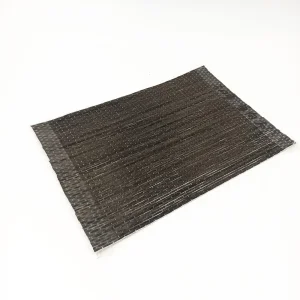
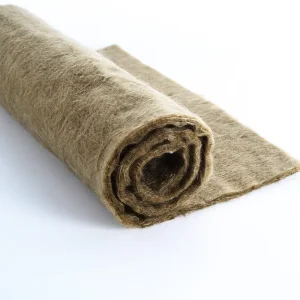
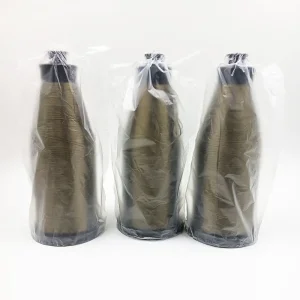
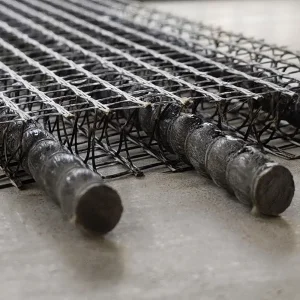
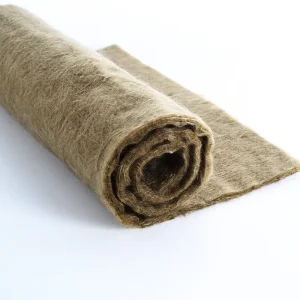
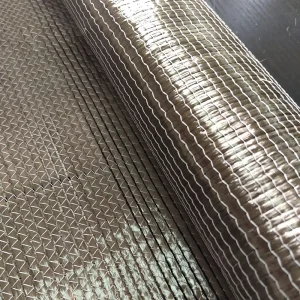
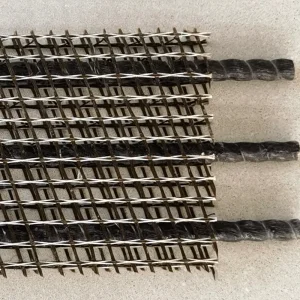
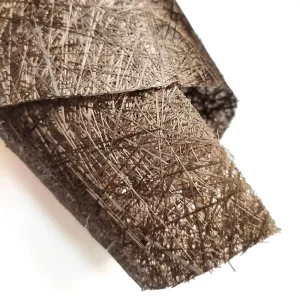
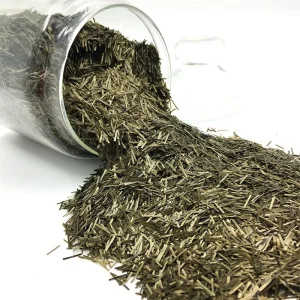
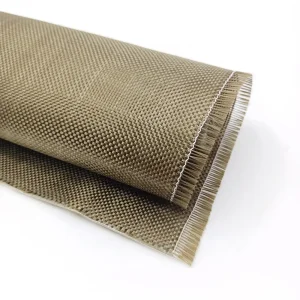
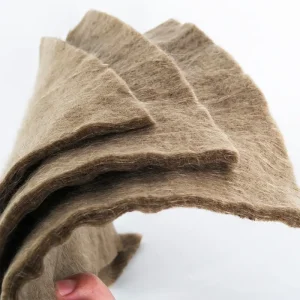
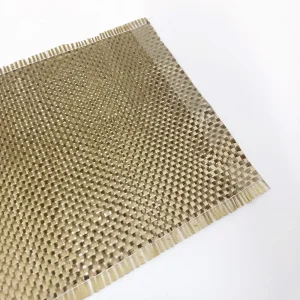
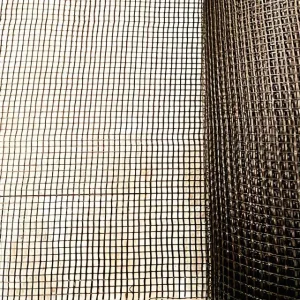
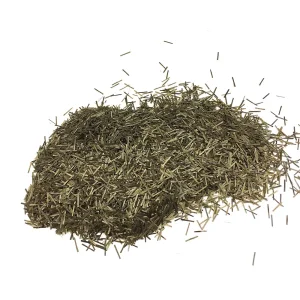
We produce a wide variety of basalt materials, including basalt fiber needled mats, woven fabric, rovings, chopped strands, specialized construction rebars, and custom-engineered micro-milled basalt powders.
Traditional milling methods often damage structural fibers. China Beihai Group uses high-efficiency mechanical air-jet milling systems that preserve the mechanical properties of the basalt filaments.
Our Jiangxi factory operates automated, energy-efficient continuous pool-kiln furnace lines. This precise thermal control maintains consistency across production runs, delivering uniform fiber diameter, optimal sizing coverage, and reliable aspect ratios for our global customers.

Partnering with China Beihai means working with a leading manufacturer of basalt products. Our commitment to quality, innovation, and sustainability sets us apart. We provide a reliable supply of high-grade construction and engineering materials, backed by rigorous quality control and technical expertise. When you partner with us, you can trust in our dedication to customer satisfaction and stable long-term supply.
Rigorous verification procedures ensuring performance in critical industrial applications.
Milled basalt fibers must meet strict quality standards to ensure performance in demanding environments like aerospace, automotive manufacturing, and chemical containment. Our products undergo extensive quality assurance testing before leaving our Jiangxi facility.
Our quality verification procedures include:

Innovating next-generation sizing agents, recycling solutions, and eco-friendly manufacturing.
As industries work to reduce their environmental footprint, basalt fiber offers a sustainable alternative to traditional carbon and glass fibers. The manufacturing of basalt fiber requires less energy and produces fewer CO₂ emissions compared to carbon fiber production.
Looking ahead, China Beihai Group is focused on three main research areas:
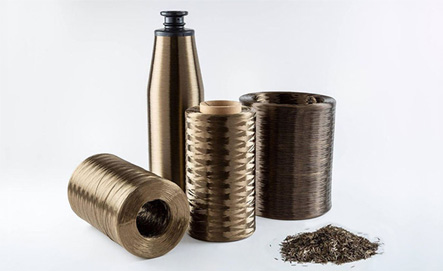
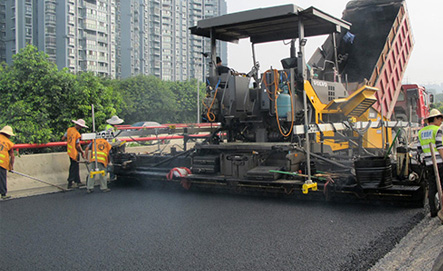
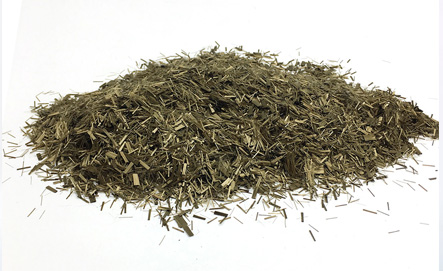
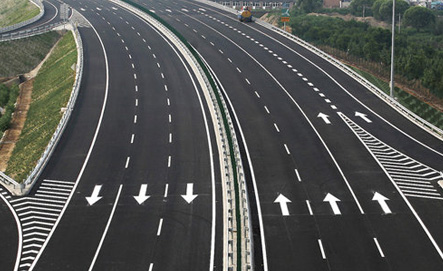
Premium architectural and reinforcing materials manufactured under rigorous ISO standards.
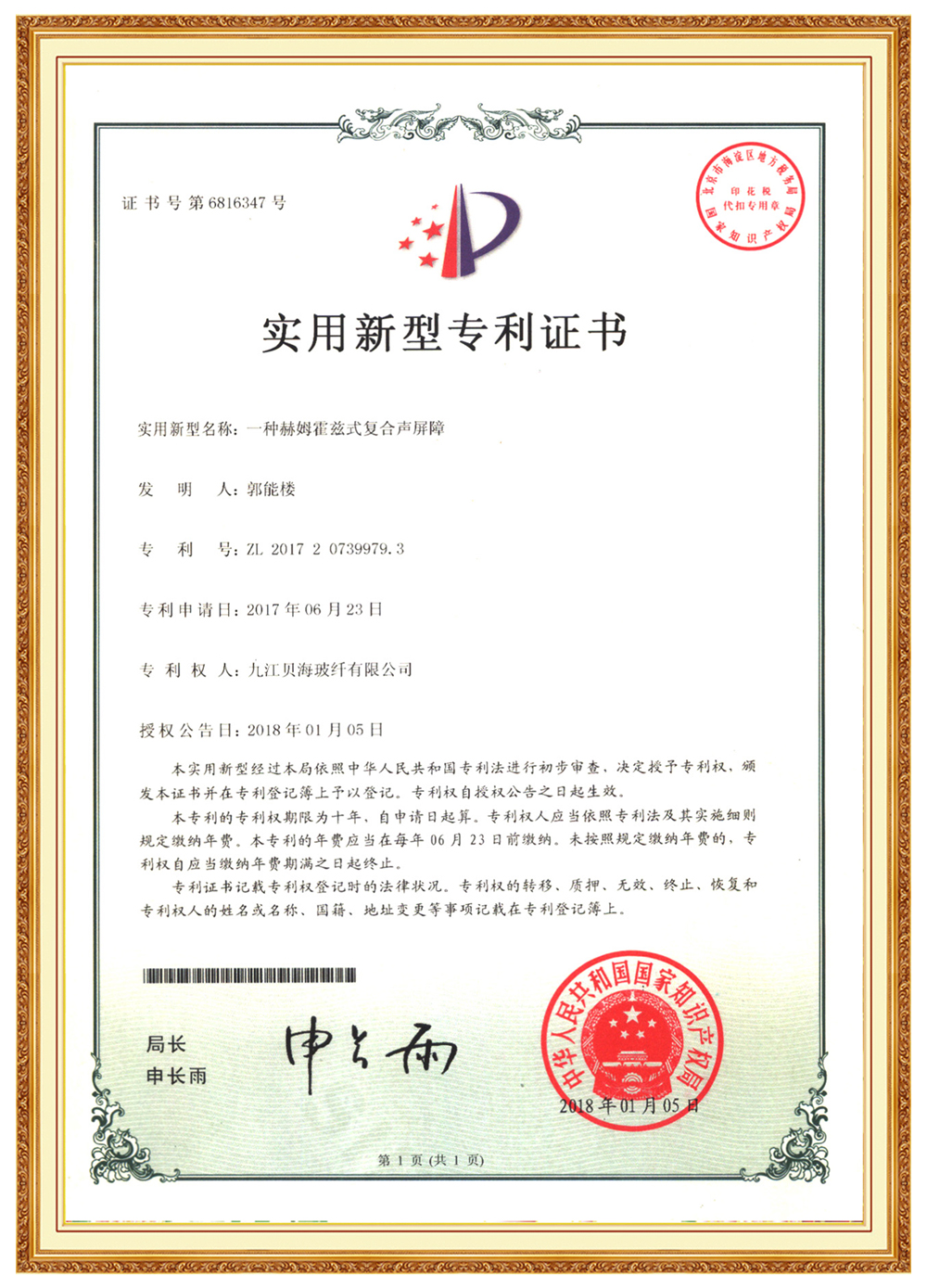
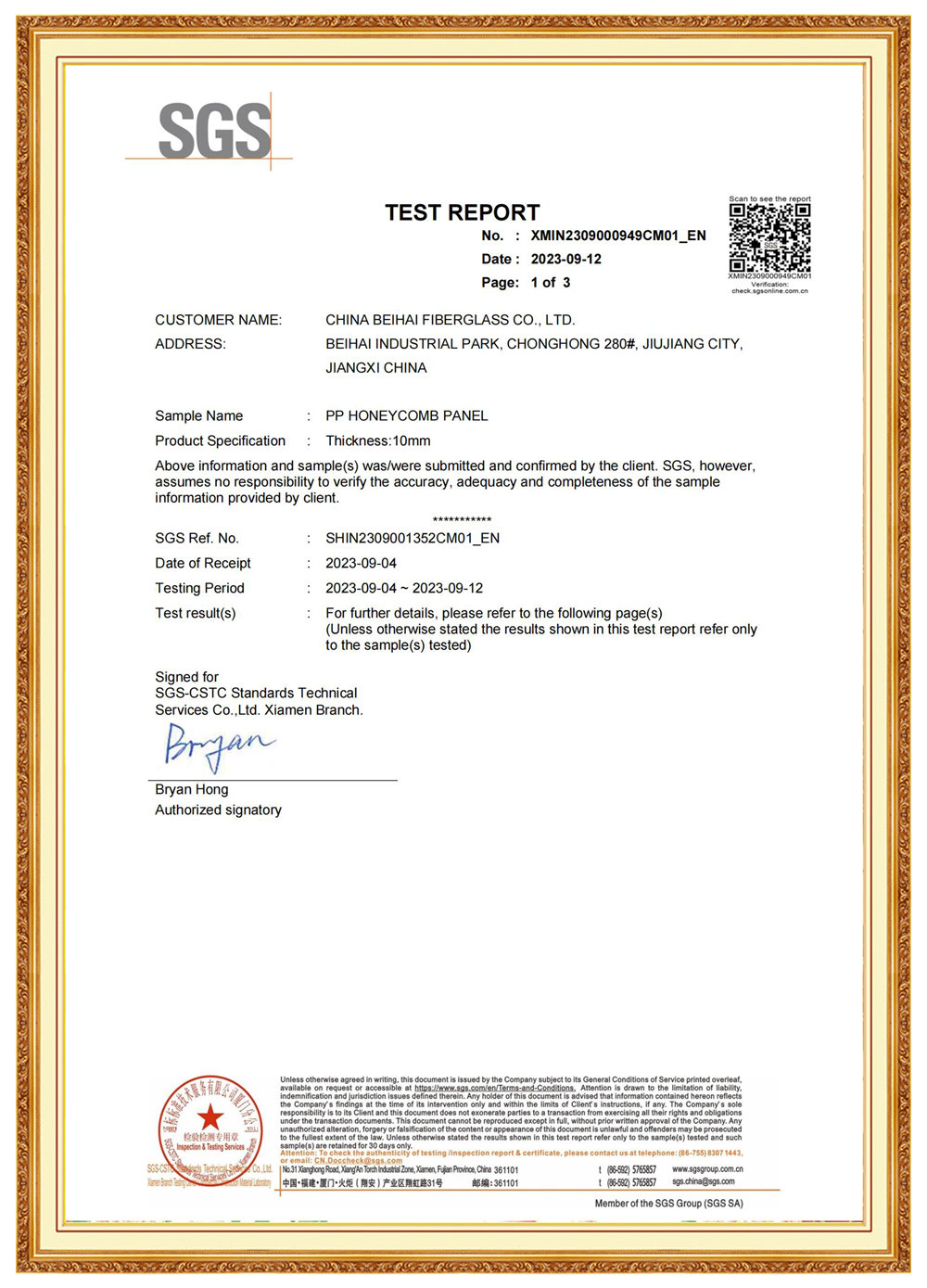
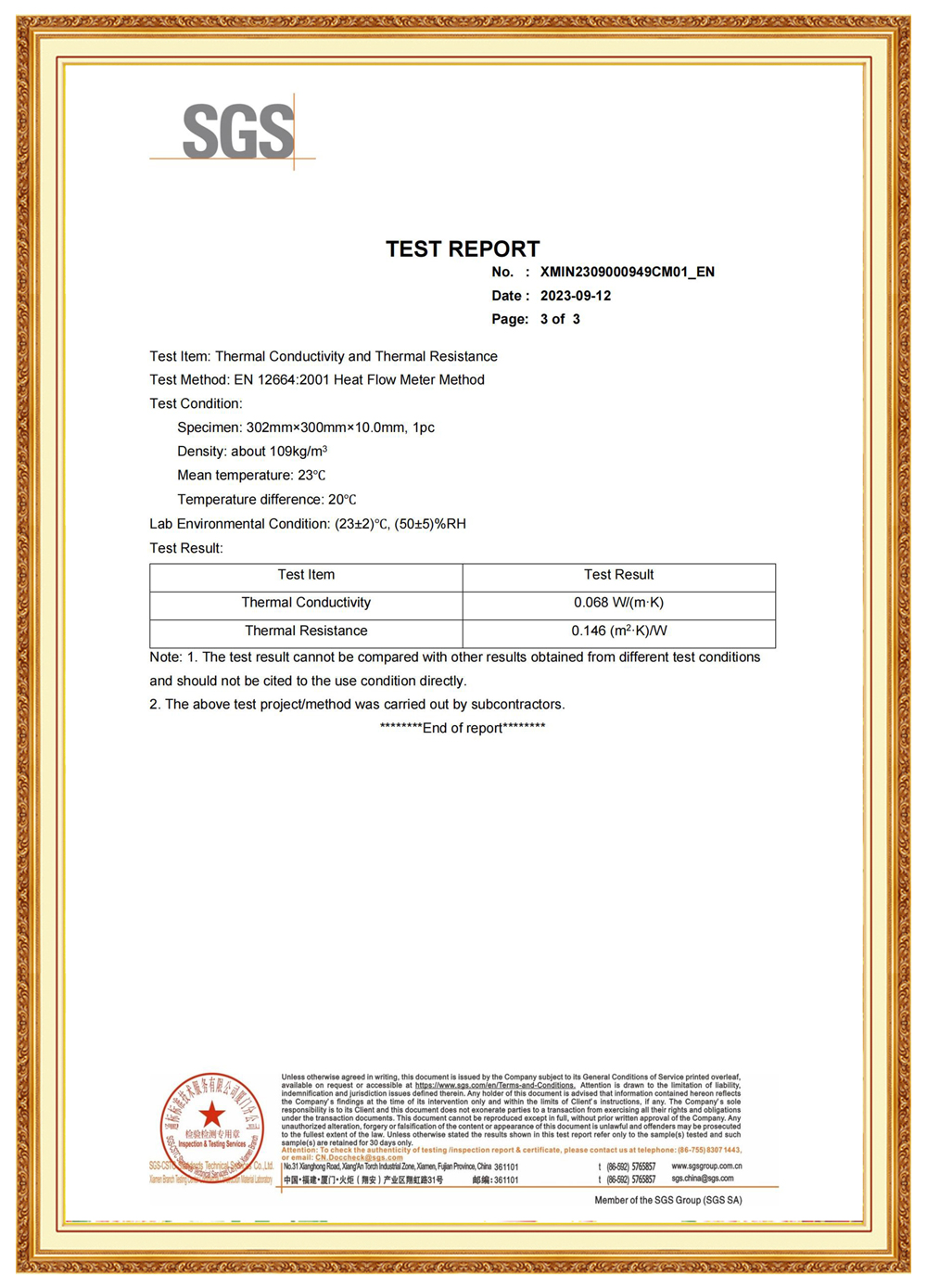
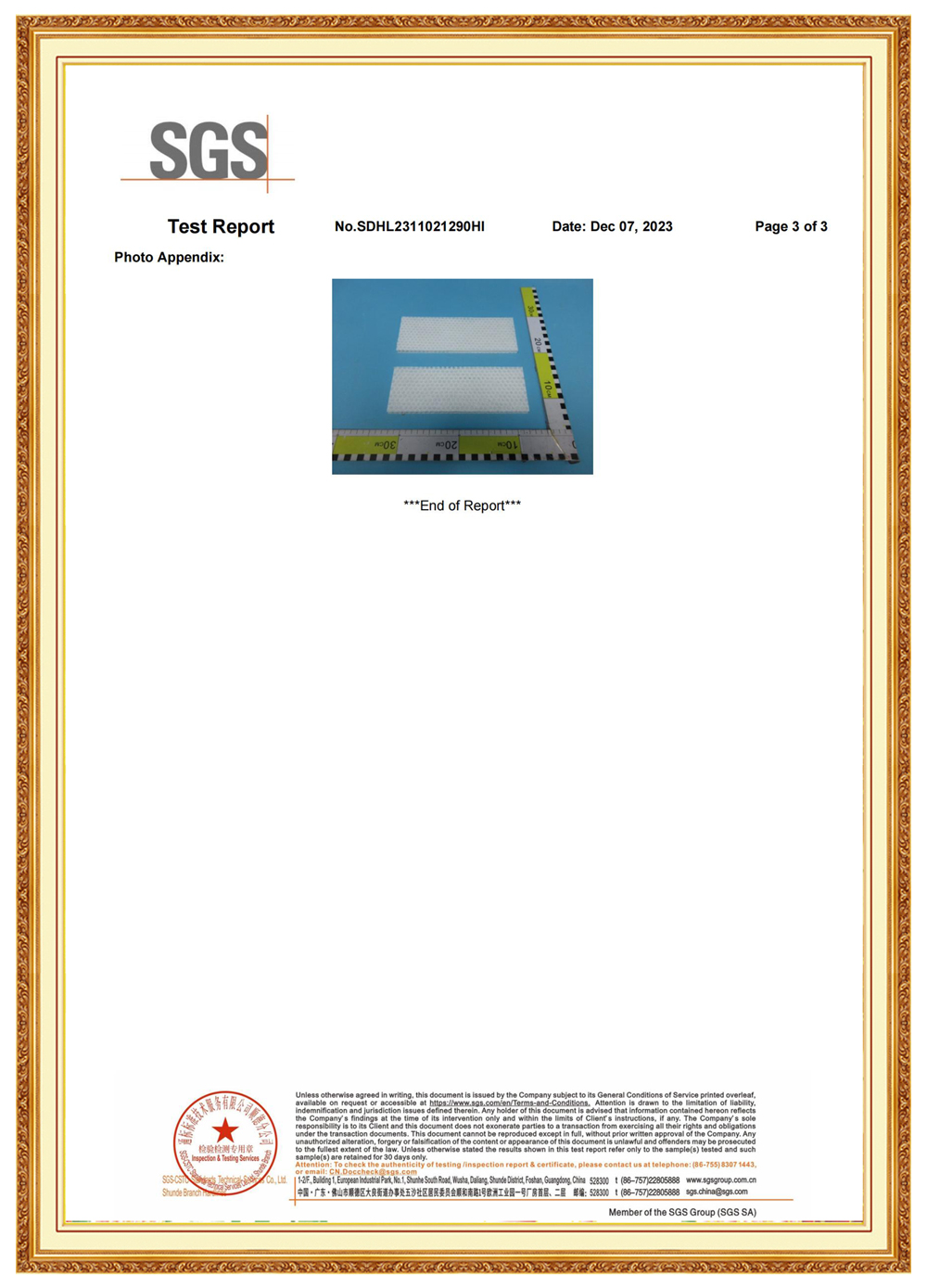
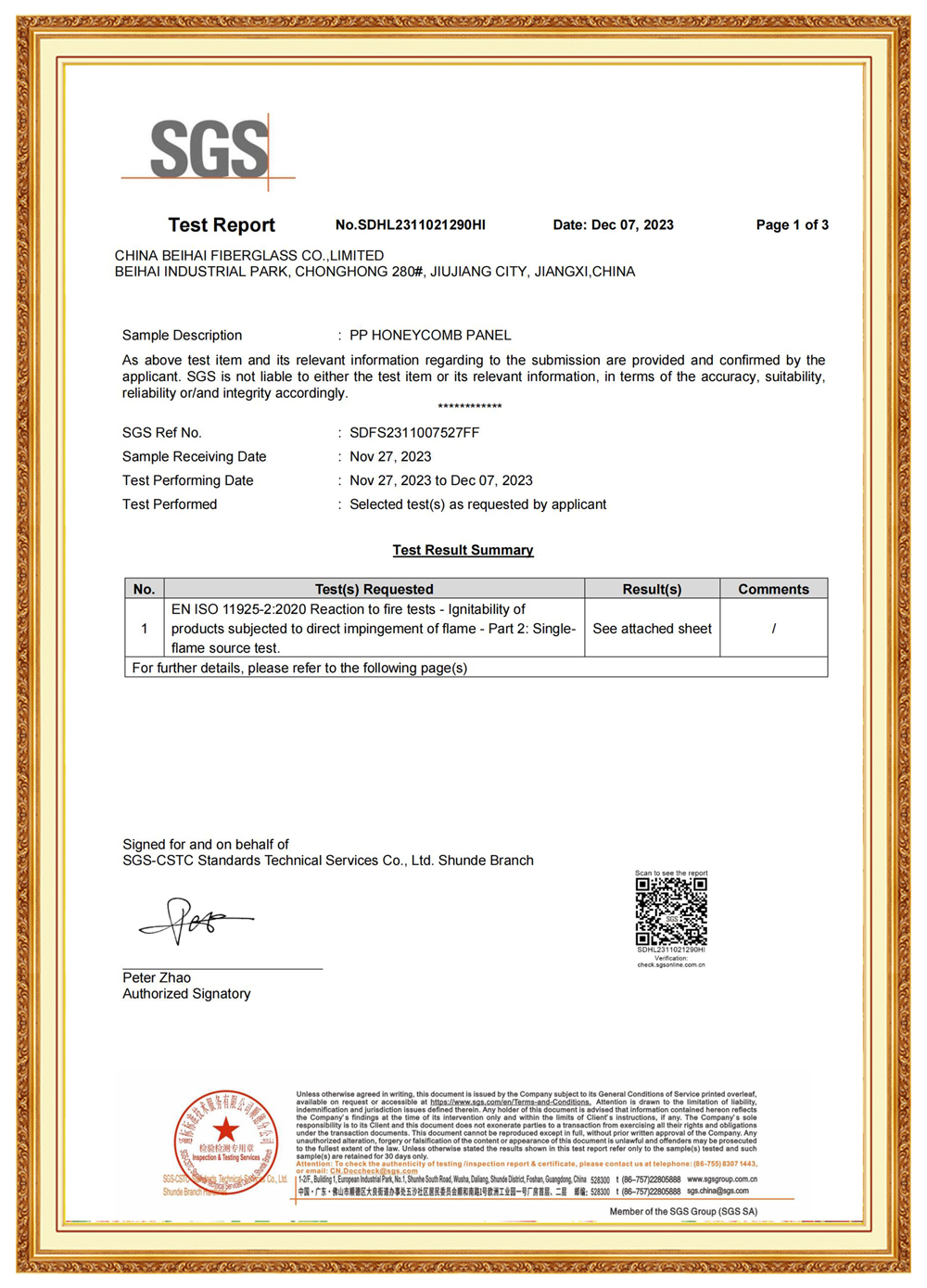
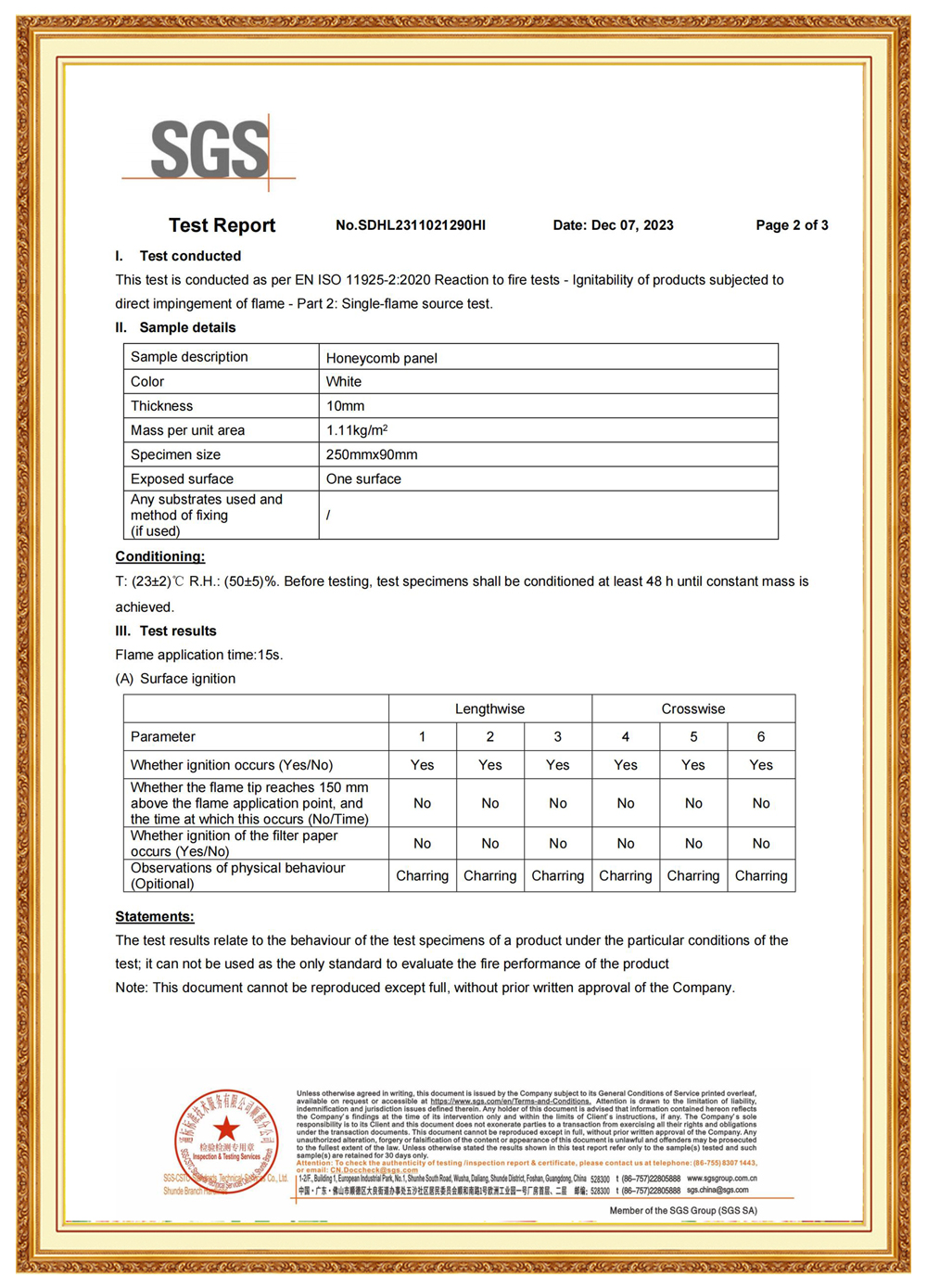
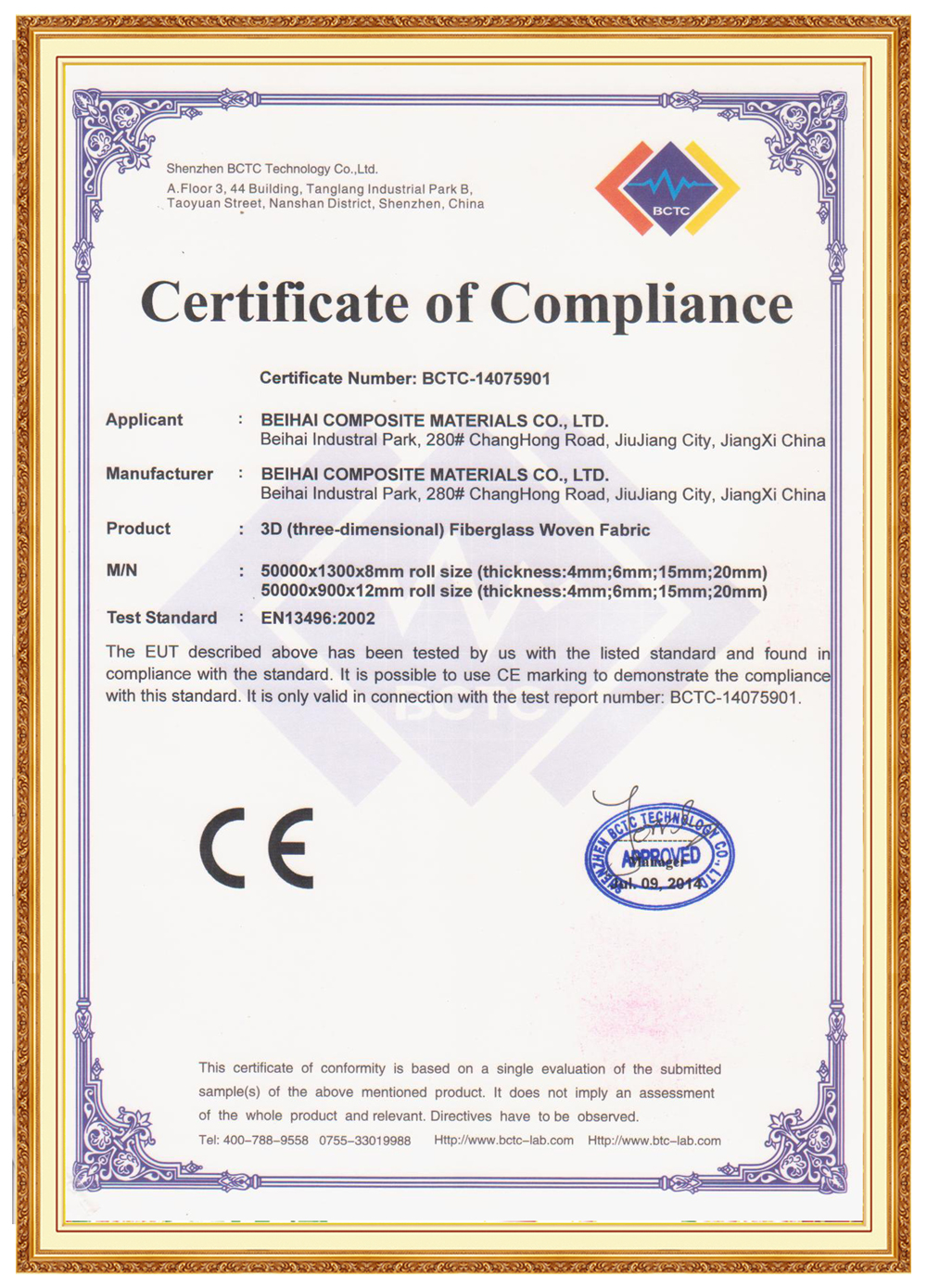
Our manufacturing and quality systems are certified by major international standards bodies.


Common questions regarding physical properties, chemical resistance, and processing guidelines.
Our standard milled basalt fibers feature nominal filament diameters between 9μm and 15μm, with cut lengths milled to 50μm, 100μm, or 300μm. This yields an aspect ratio range of approximately 4:1 to 30:1, designed to optimize processing viscosity and mechanical reinforcing efficiency in various polymer systems.
Milled basalt fiber maintains structural integrity at temperatures up to 650°C and does not melt below 1450°C. It exhibits minimal thermal shrinkage and does not release toxic fumes, making it ideal for automotive heat shields, brake pads, and flame-retardant industrial coatings.
Yes, basalt fiber is naturally resistant to alkaline environments. Unlike standard E-glass, which can degrade in cementitious systems, basalt's chemical structure helps it resist alkaline corrosion, making it a reliable choice for reinforcing concrete and mortar formulations.
We offer customized silane sizing agent formulas tailored to your matrix resin, including Epoxy (EP), Polyamide (PA/Nylon), Polypropylene (PP), Phenolic, and Polyurethane (PU). Proper sizing compatibility is critical for maximizing physical reinforcing properties and avoiding matrix separation.
Read about recent developments in basalt fiber technology and composite applications.
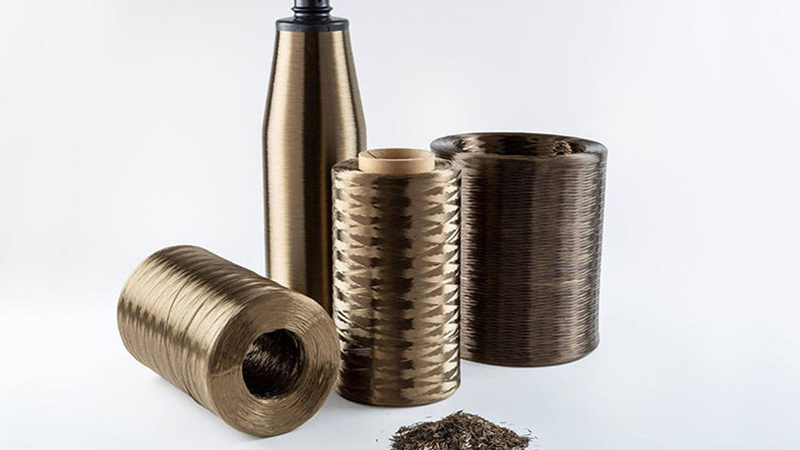
As advanced technologies like autonomous monitoring systems and robotic automation expand in demanding environments, the need for robust, heat-resistant, and chemically stable materials becomes critical. Milled basalt fiber-reinforced composites provide durable, high-performance solutions that help safeguard delicate component housings and complex structural components.
Read Full Technical Article
 Beihai Fiberglass