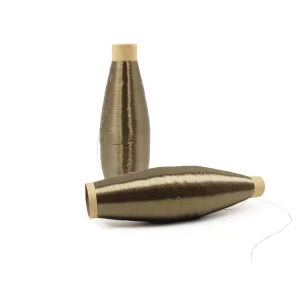
?
Frequently Asked Questions
Q1: What is the maximum working temperature of Basalt Roving?
Basalt Roving offers a wide working temperature range from -260°C up to 700°C, making it significantly more heat-resistant than standard glass fibers.
Q2: How does the strength of Basalt Fiber compare to E-glass?
Basalt fiber generally provides a tensile strength that is 15% to 20% higher than traditional E-glass fiber, offering better structural reinforcement.
Q3: Is Basalt Roving resistant to chemicals?
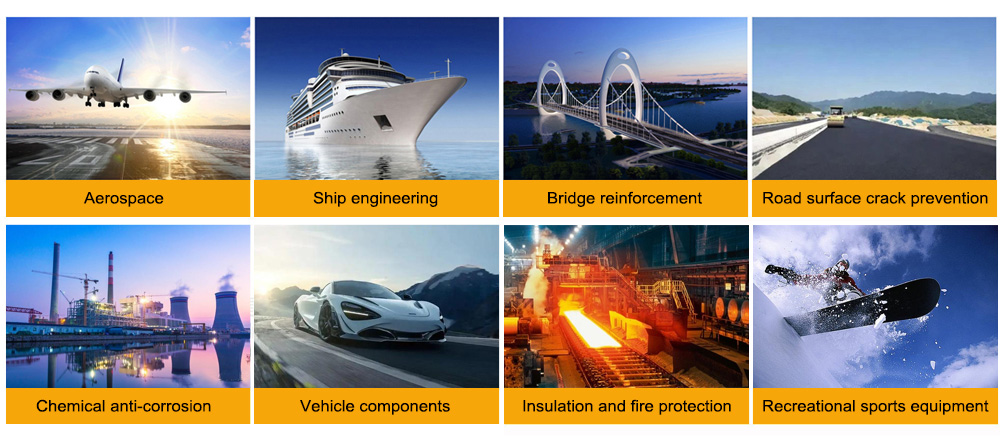
Yes, it features excellent acid and alkali resistance, which makes it ideal for use in chemical processing and other harsh environmental conditions.
Q4: Can this material be used for electrical insulation?
Absolutely. It has very good electrical and acoustic insulation properties and is frequently used for insulation boards and specialized yarns.
Q5: Is Basalt fiber an environmentally friendly material?
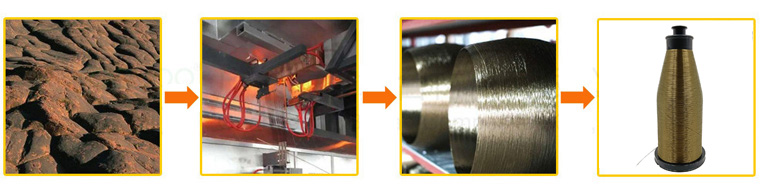
Yes, Basalt fiber is made from natural volcanic rock raw materials. Its production process has low pollution levels, and the final product is recyclable.
Q6: What are the common packaging and linear density options?
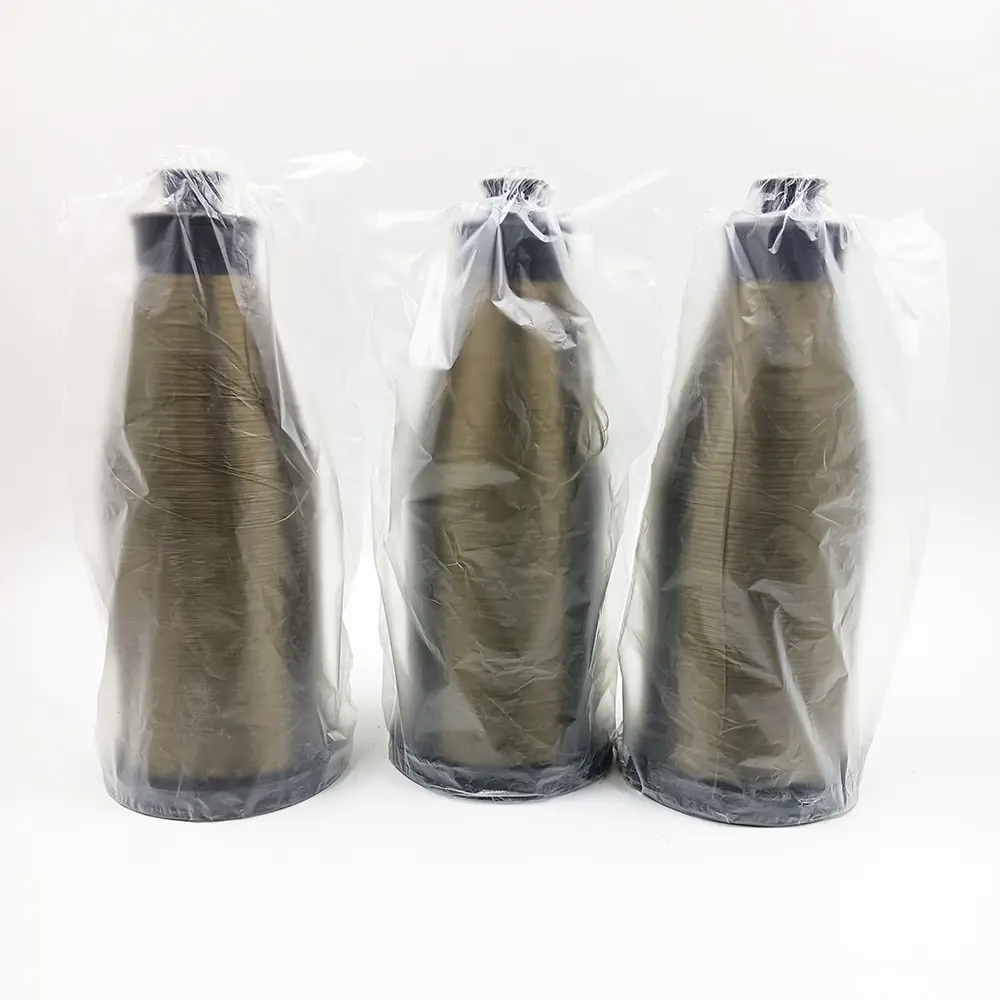
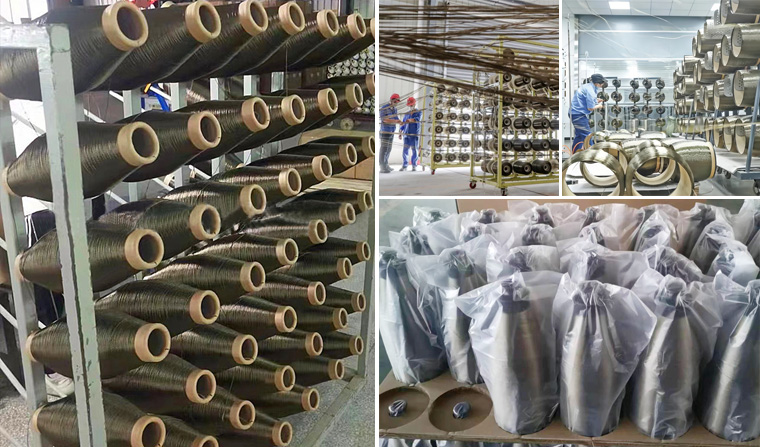
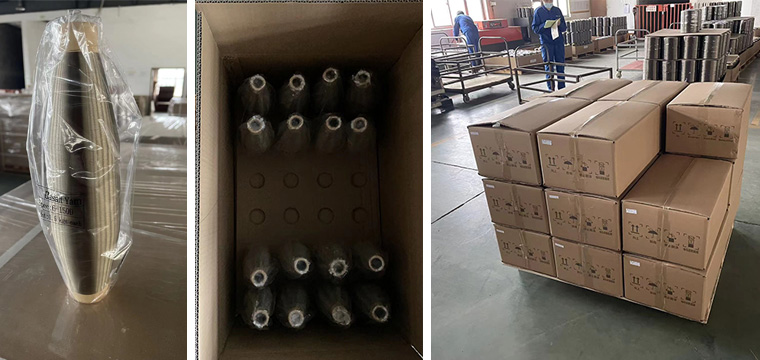
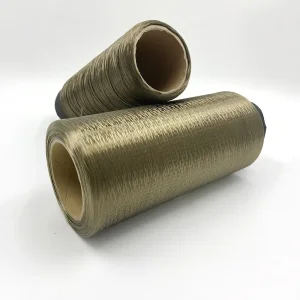
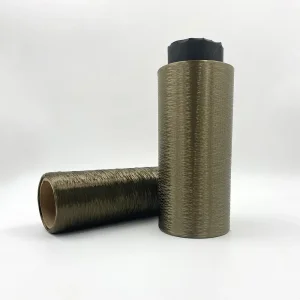
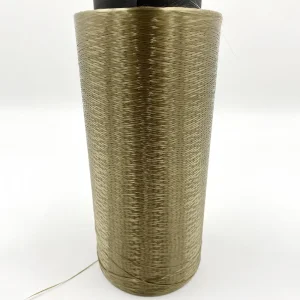
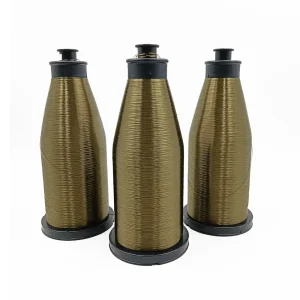
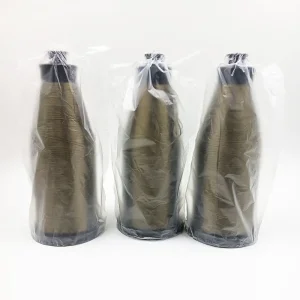
We provide various linear densities ranging from 200 tex to 2400 tex with filaments from 15μm to 22μm, all securely packed for industrial transport.
 Beihai Fiberglass