Advanced Material Engineering | High-Performance Solutions | Global Industrial Supply Chain
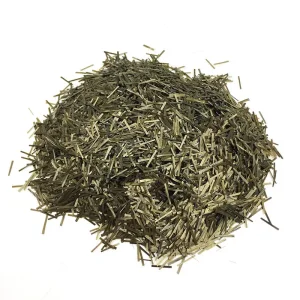
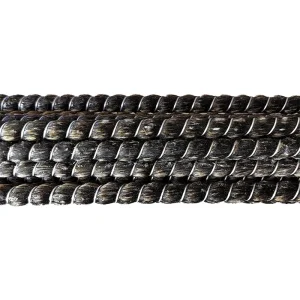
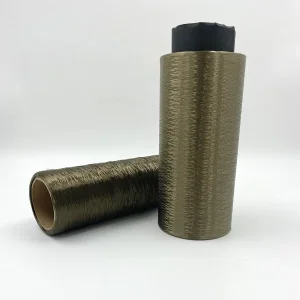
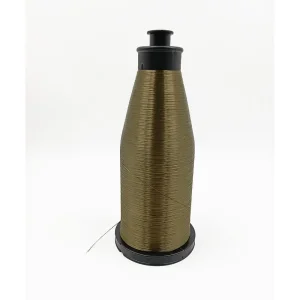
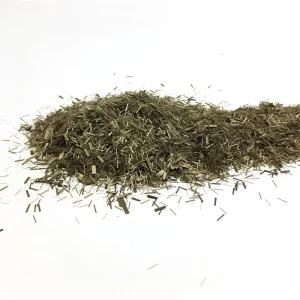
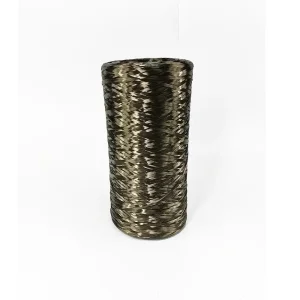
In the rapidly evolving landscape of advanced composite materials, Basalt Fiber Roving has emerged as the definitive successor to traditional E-Glass in high-demand industrial applications. As procurement leaders and engineers seek materials that bridge the gap between performance, sustainability, and cost-efficiency, understanding the nuances of volcanic rock-derived fiber is paramount.
Basalt fiber is manufactured through the melting of crushed volcanic basalt rock at high temperatures (approx. 1450°C). Unlike glass fiber, which requires chemical additives to achieve durability, basalt is chemically inert, naturally UV-resistant, and possess superior tensile strength. For factories specializing in pultrusion, filament winding, and weaving, adopting basalt fiber roving is not merely a material swap; it is an optimization of the product's entire lifecycle.
The global composites market is shifting toward ESG (Environmental, Social, and Governance) compliance. Basalt, being a natural mineral, boasts a carbon footprint significantly lower than carbon fiber and even E-Glass. Our supply chain at China Beihai is integrated to provide, not just the raw roving, but a complete technical roadmap for manufacturers transitioning from legacy materials to high-performance basalt solutions.
The technical superiority of our roving lies in its sizing compatibility. We engineer specific sizing formulations to ensure our basalt roving bonds flawlessly with:
We recognize that global supply chains require local assurance. Our quality protocols adhere to international standards including ISO 9001, ASTM, and CE certifications. By providing batch-traceable reports and localized technical support, we help clients navigate the complexities of structural engineering codes in their respective markets.
The trajectory of basalt fiber is tied to the electrification of transport and the revitalization of infrastructure. With the ongoing R&D in nan-modified basalt coatings, we anticipate a 30% increase in load-bearing capacity for bridge and roadbed reinforcements within the next decade.
Replacing steel rebar in corrosive environments (maritime, salt-heavy regions) with basalt fiber, reducing maintenance costs by up to 50% over a 20-year span.
Utilizing basalt fiber composites in chassis and body panels to reduce vehicle weight, improving battery efficiency in electric vehicles.
Providing high-thermal-resistance materials for power plants, petrochemical refineries, and aerospace propulsion systems.
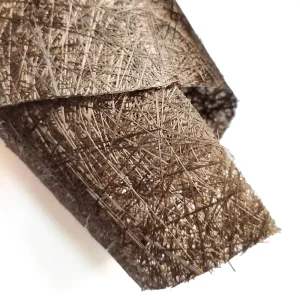
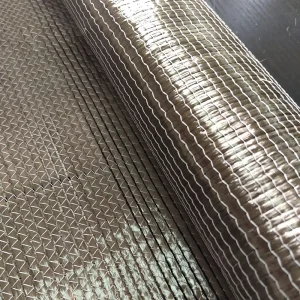
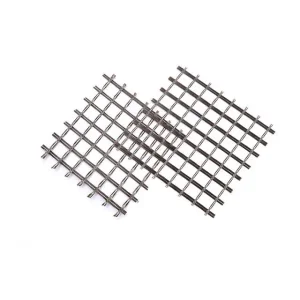
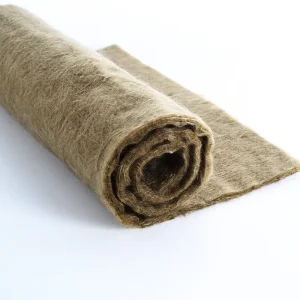
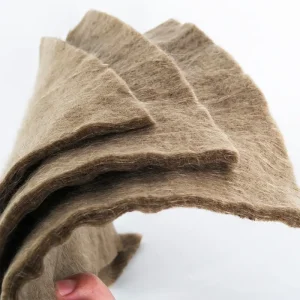
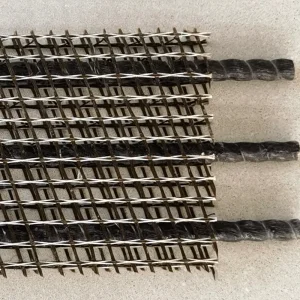
Applying basalt-based meshes and mats in modern architecture for seismic retrofitting and durable, eco-friendly structural support.
Q: How does Basalt Fiber Roving compare to Carbon Fiber in terms of cost-to-performance ratio?
A: While Carbon Fiber offers higher modulus, Basalt Fiber provides a vastly superior cost-to-performance ratio for 80% of industrial applications where extreme stiffness is not the sole requirement. It offers the same strength-to-weight advantages without the prohibitive cost.
Q: Can your basalt roving be used with existing E-glass machinery?
A: Absolutely. Our roving is optimized for direct substitution in most pultrusion and filament winding setups. Little to no modification is required for machinery designed for standard glass fiber strands.
Q: What is the lead time for bulk wholesale orders?
A: As a leading manufacturing entity with significant production capacity in Jiangxi, we maintain consistent inventory for standard tex counts, typically allowing for 7-14 day fulfillment cycles for global shipments.
 Beihai Fiberglass