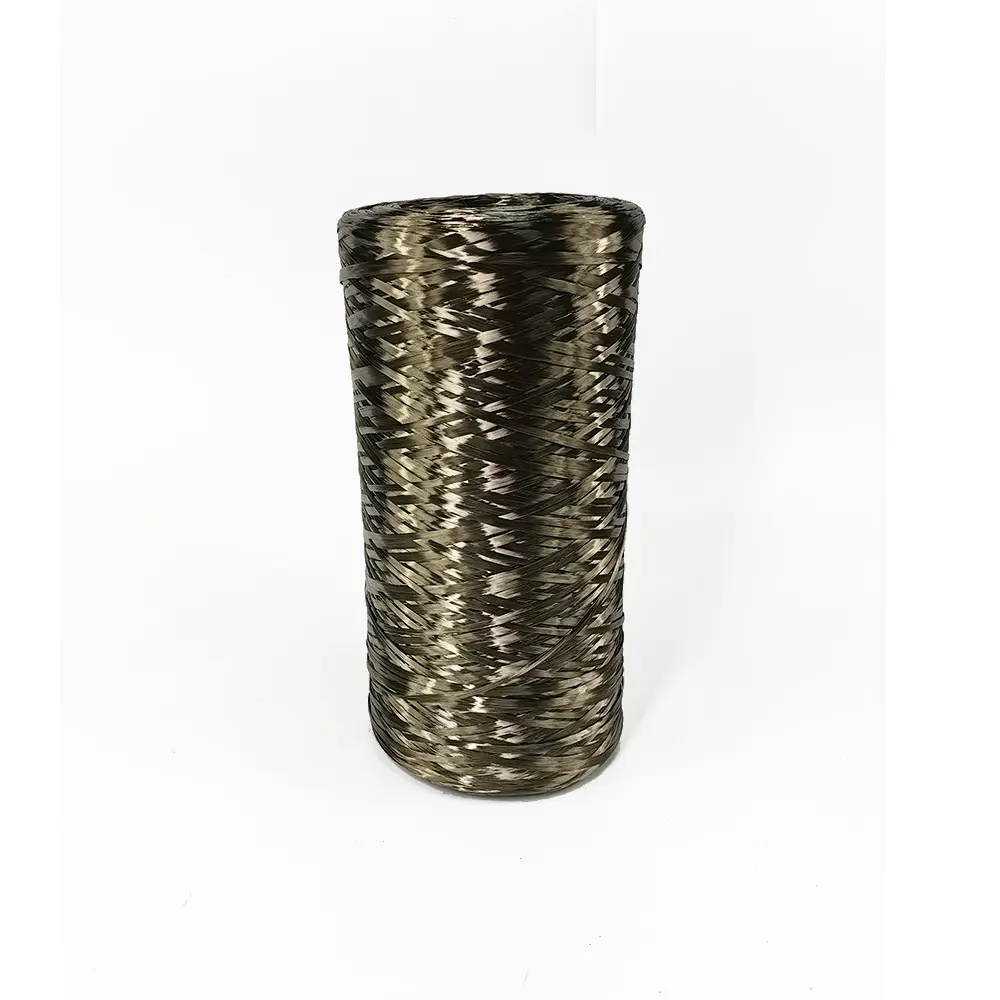
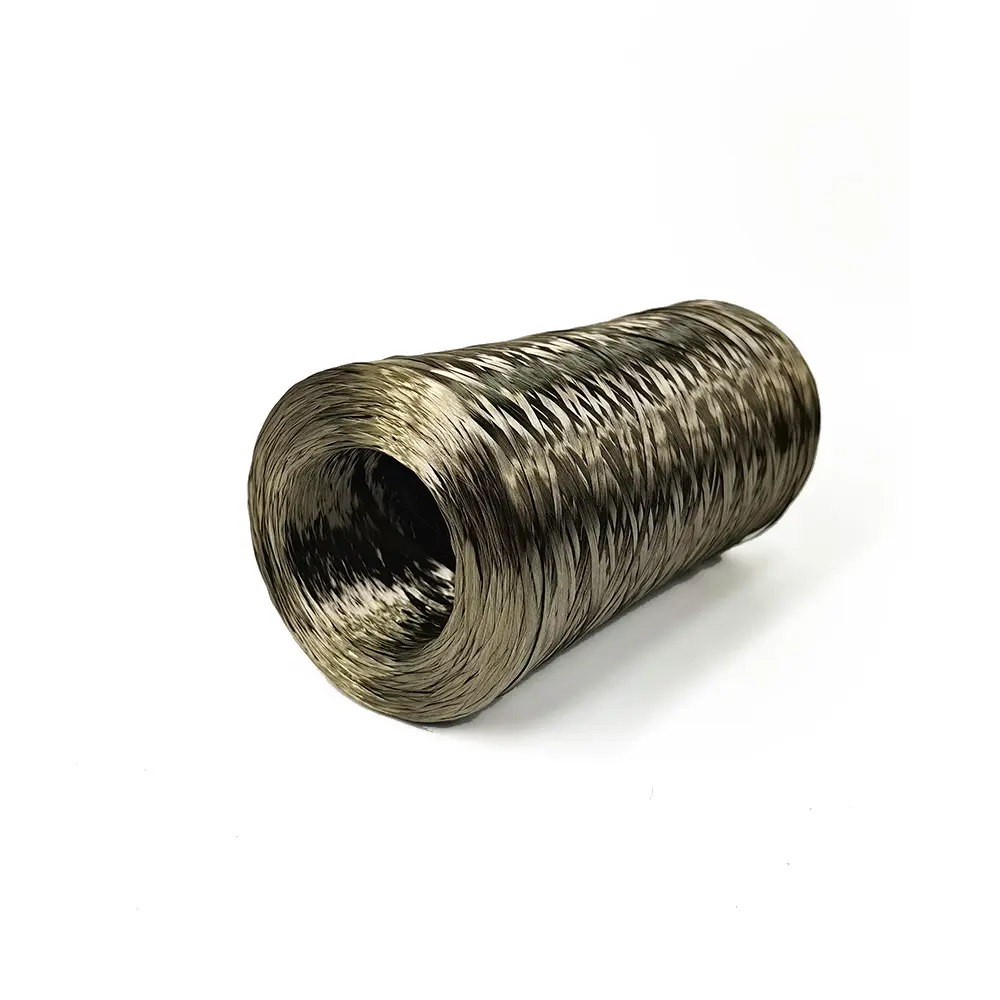
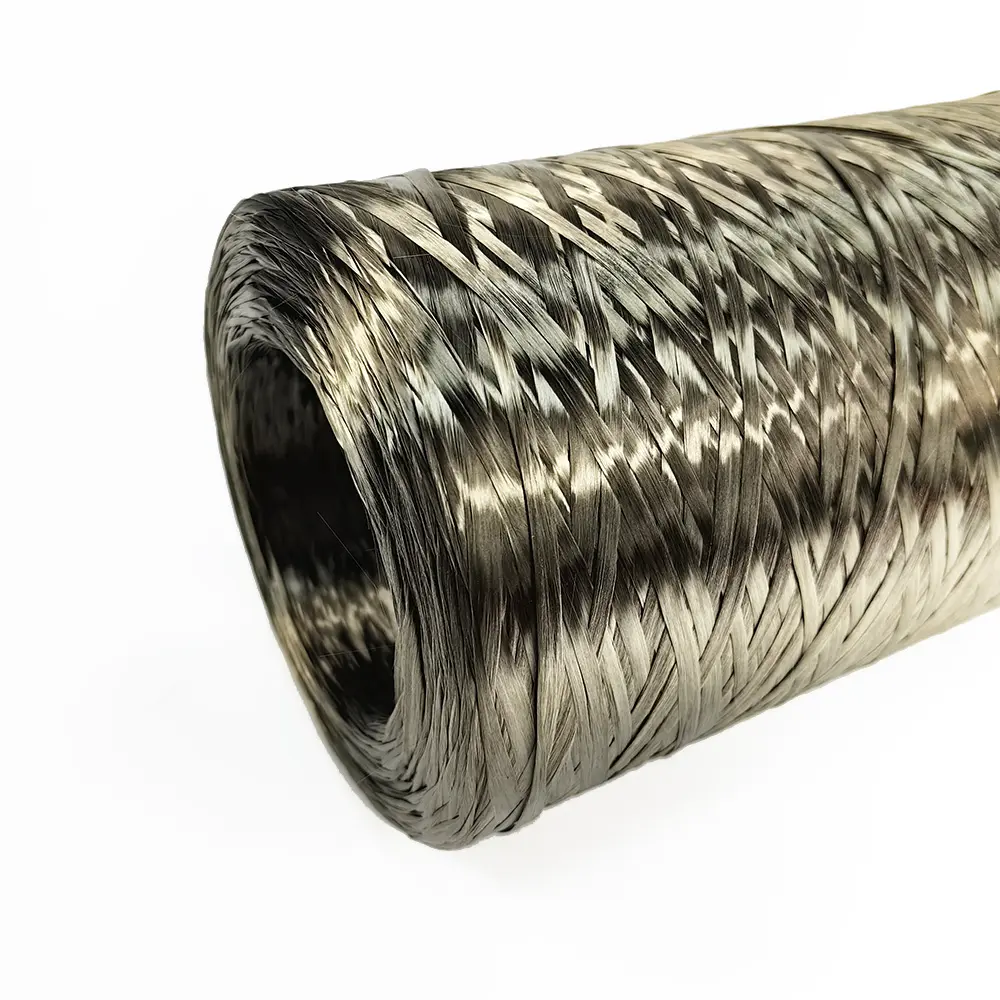
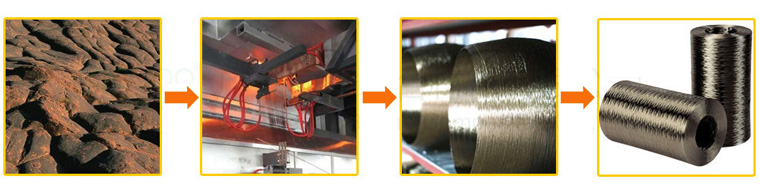
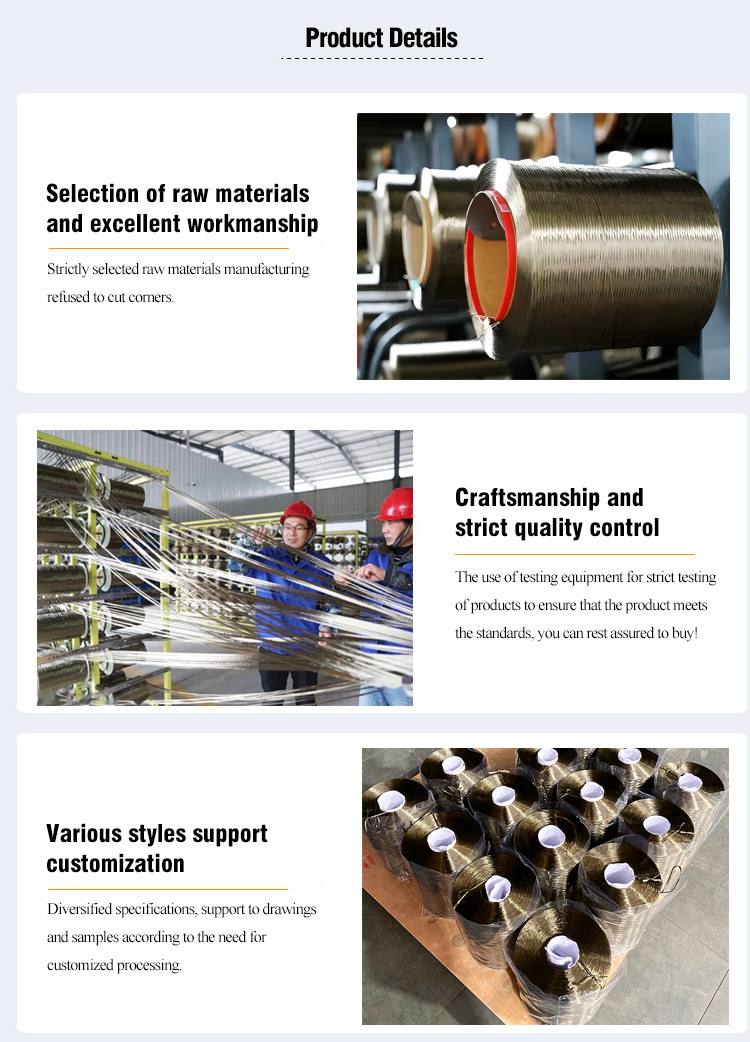
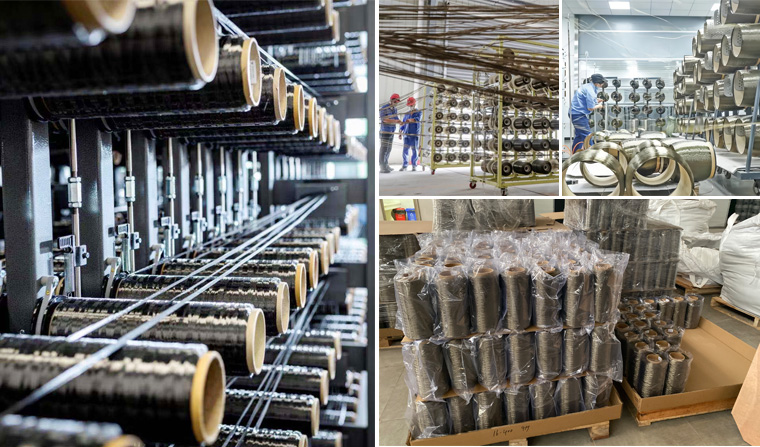
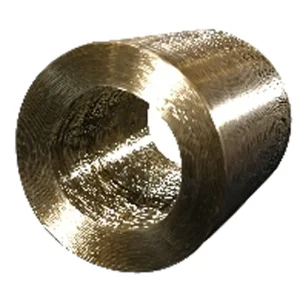
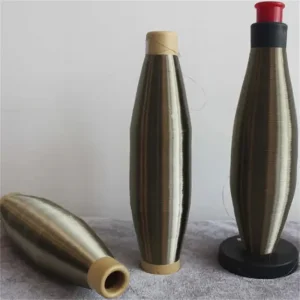
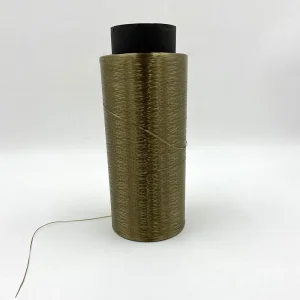
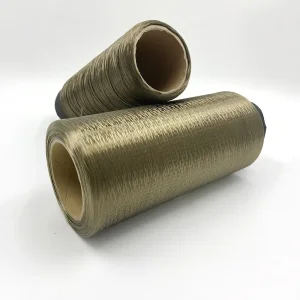
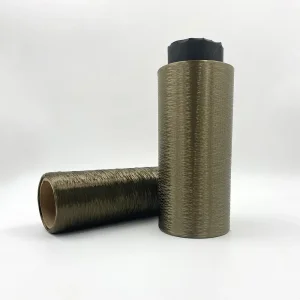
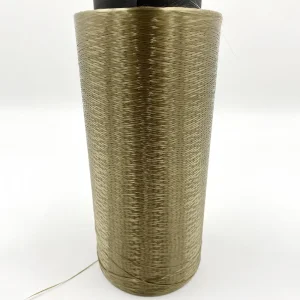
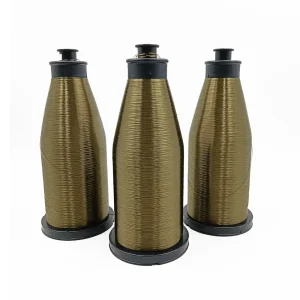
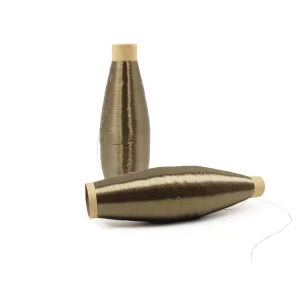
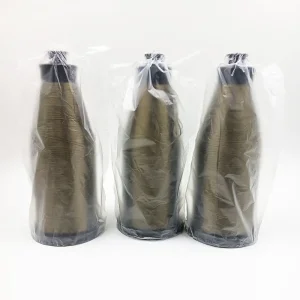
Basalt fiber roving is a yarn spun from high-quality basalt fibers. It has excellent strength, heat and corrosion resistance and can be used in a variety of textile and reinforcement applications. Basalt fiber yarn can be used in woven fabrics, woven composites, and other fiber reinforcements to provide strength, durability, and resistance to high temperatures.
★
High process flexibility
★
Can be combined with a variety of resin
★
Products have superior mechanical properties
★
Extremely acid and alkali resistance, high corrosion resistance
★
Extremely wear-resistant, good smooth transition
Compatibility with various resins is assured by appropriate sizings.
Frequently Asked Questions
Q1: What is the main advantage of Basalt Fiber Roving compared to glass fiber?
A1: Basalt fiber offers superior tensile strength, better chemical resistance (especially to acids and alkalis), and a higher operating temperature range than standard E-glass fibers.
Q2: Which resins are compatible with your basalt roving?
A2: Our basalt roving is treated with silane sizing, making it highly compatible with epoxy, polyester, vinyl ester, and phenolic resins.
Q3: Can basalt fiber roving be used for high-temperature applications?
A3: Yes, basalt fibers are naturally heat-resistant and can maintain their structural integrity at temperatures where glass fiber would typically begin to soften.
Q4: Is basalt fiber environmentally friendly?
A4: Yes, basalt fiber is made from 100% natural volcanic rock. The production process is more eco-friendly compared to synthetic fibers, and the material is inert and recyclable.
Q5: What are the common industrial uses for Basalt Roving?
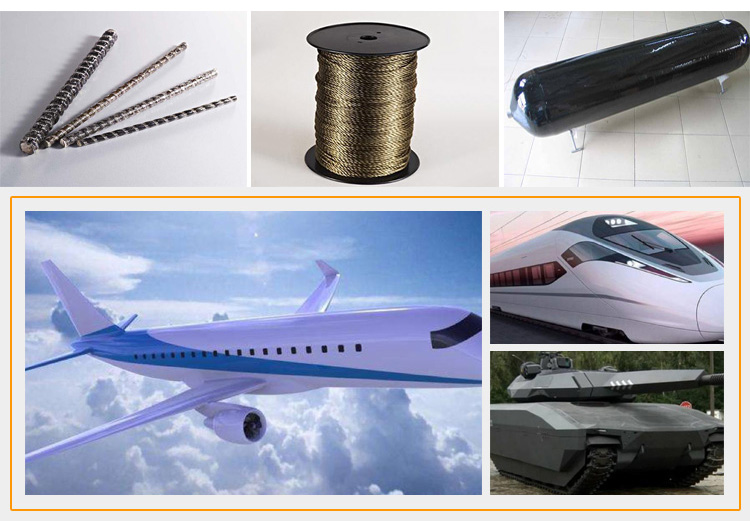
A5: It is widely used in filament winding for pipes and tanks, pultrusion profiles, weaving reinforcement fabrics, and as a reinforcement material for automotive and aerospace composites.
Q6: What linear densities (Tex) are available for your basalt roving?
A6: We offer a wide range of specifications including 200 Tex, 300 Tex, 400 Tex, 600 Tex, up to 2400 Tex to suit different manufacturing requirements.
 Beihai Fiberglass