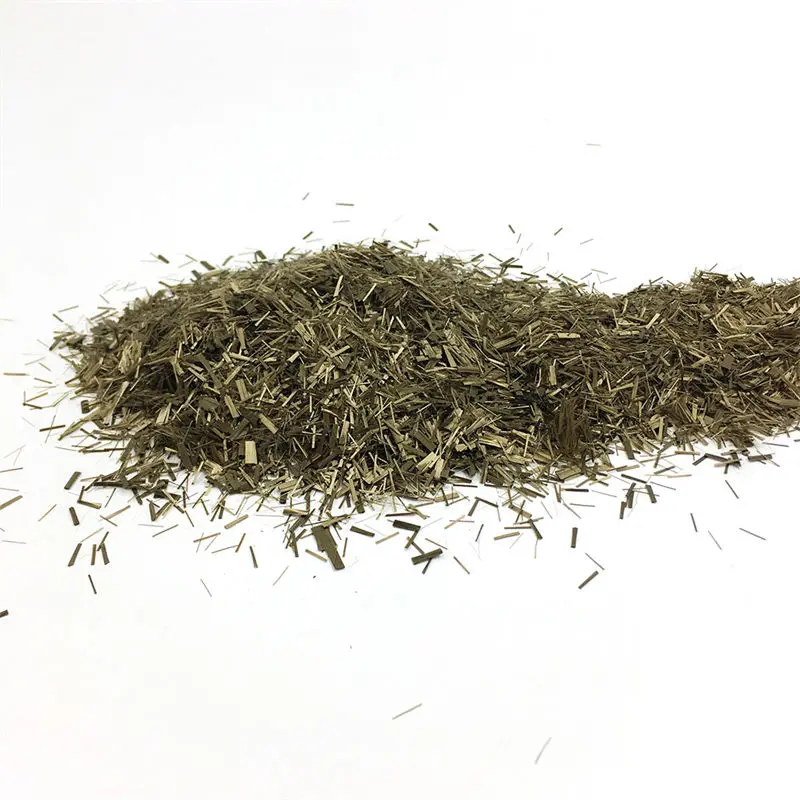
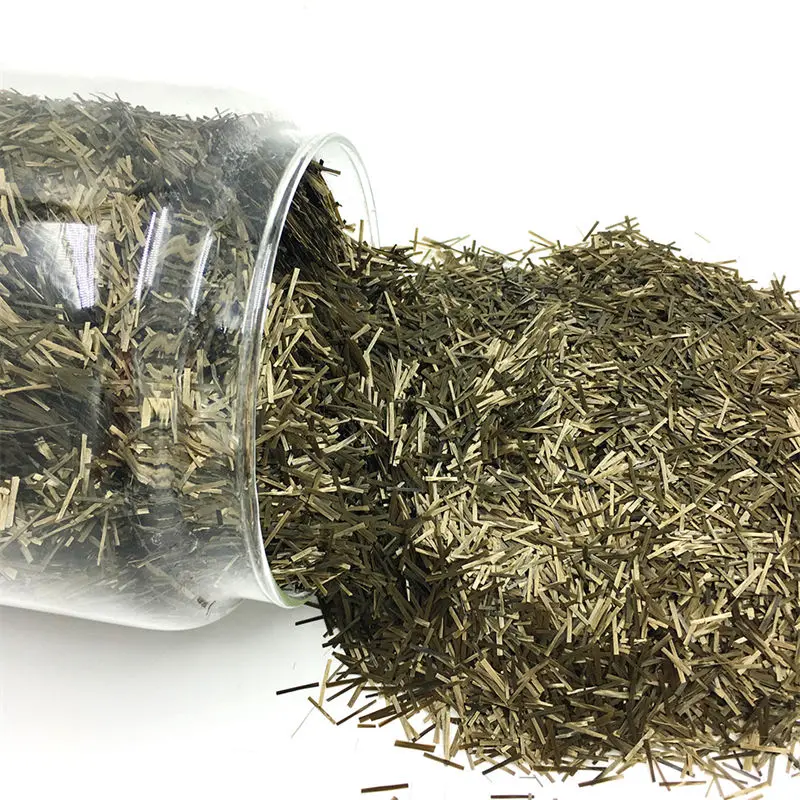
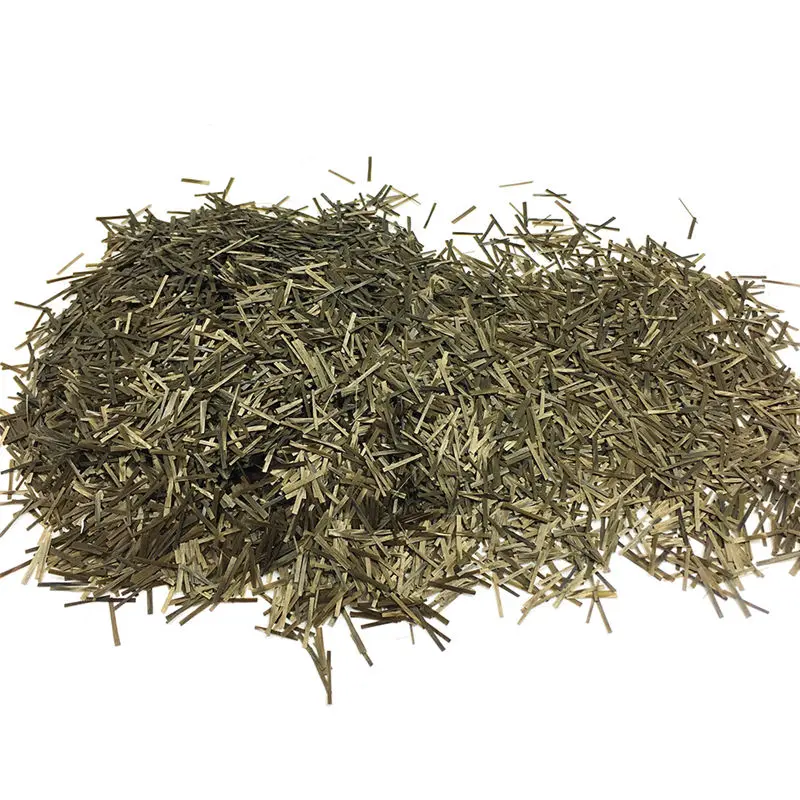
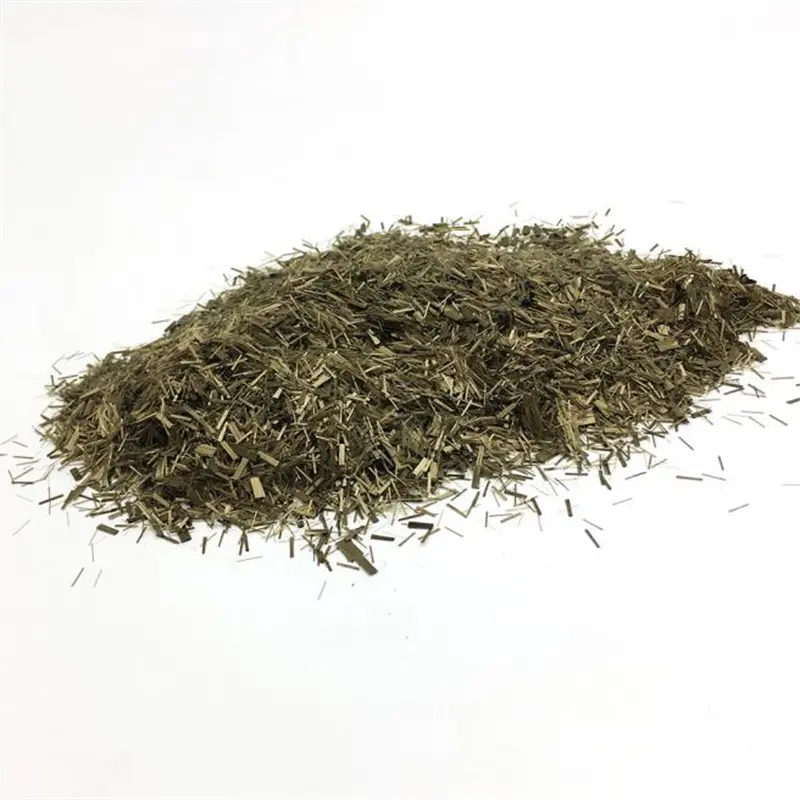
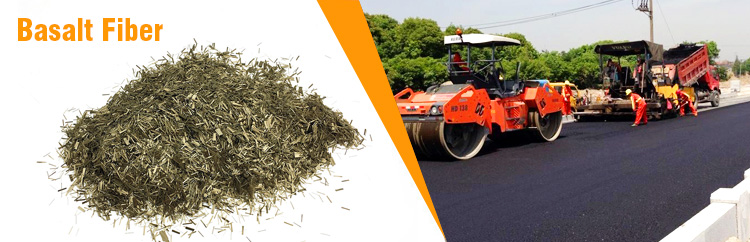
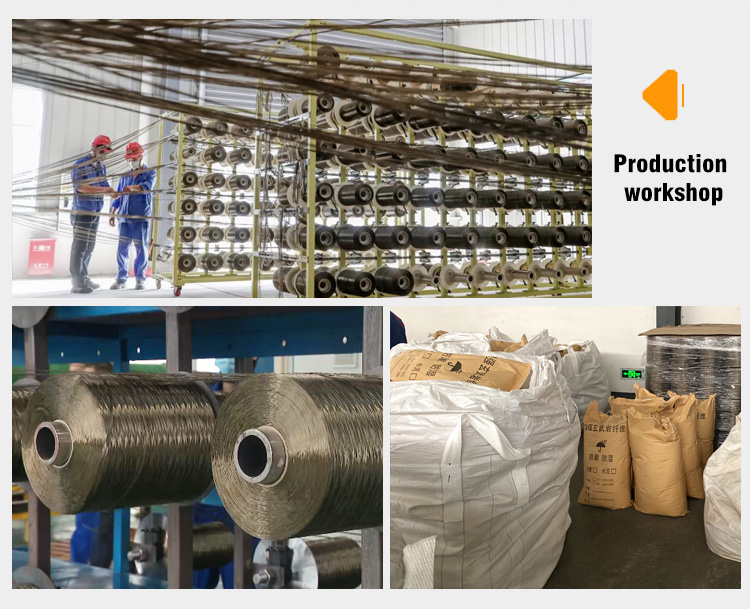
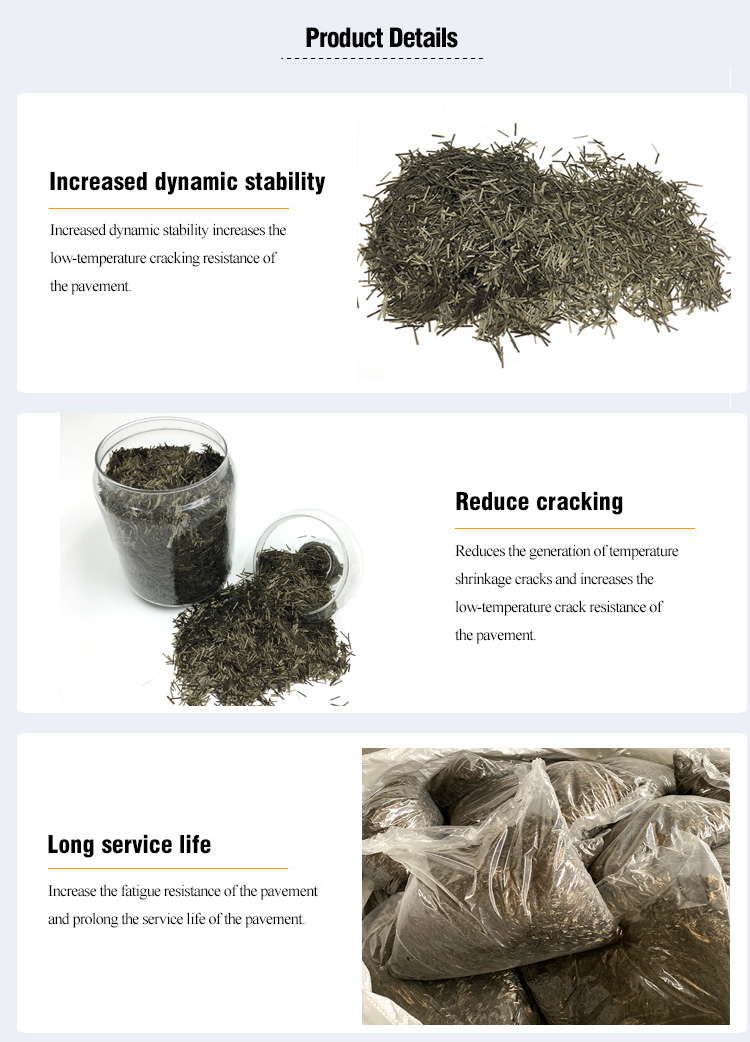
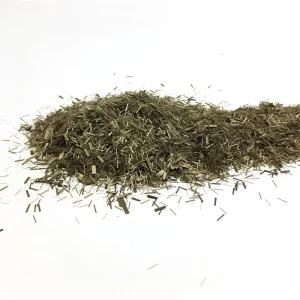
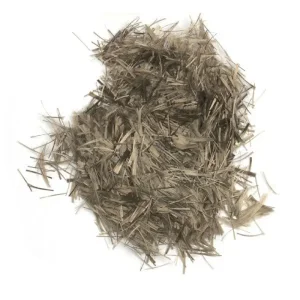
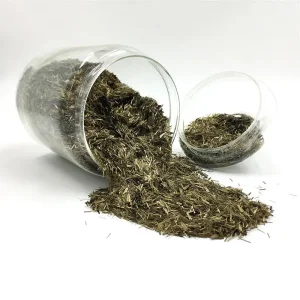
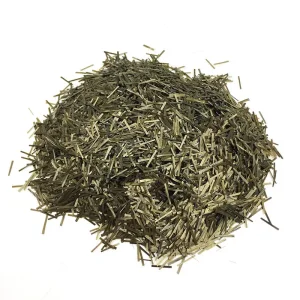
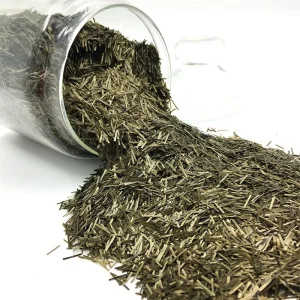
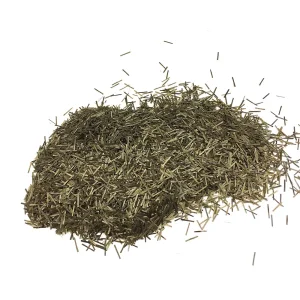
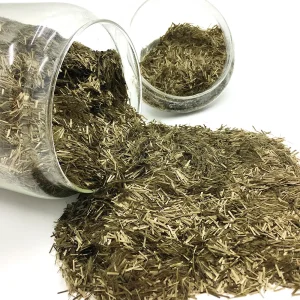
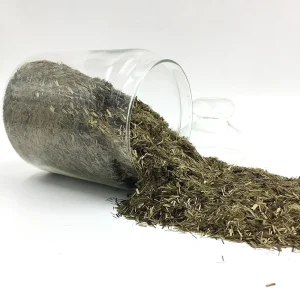
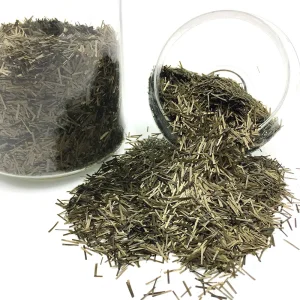
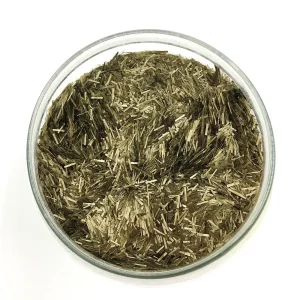
Basalt fiber chopped strands for thermoplastic composites have gained significant attention in recent years due to their exceptional properties and numerous advantages over traditional reinforcement materials. This innovative material is derived from natural basalt rock and is processed into fine strands, making it an ideal choice for enhancing the performance of thermoplastic composites in various applications.
One of the primary reasons why basalt fiber chopped strands are preferred for thermoplastic composites is their remarkable strength and stiffness. Basalt fibers exhibit high tensile strength and modulus, making them an excellent reinforcement material for thermoplastics. This results in composites with enhanced mechanical properties, including improved impact resistance and durability, making them suitable for demanding applications in industries such as automotive, construction, and aerospace.
Furthermore, basalt fiber chopped strands offer superior resistance to chemical and environmental degradation. Unlike traditional reinforcement materials like glass fibers, basalt fibers are highly resistant to alkalis, acids, and corrosive environments, making them an ideal choice for applications where exposure to harsh chemicals or outdoor elements is a concern. This exceptional resistance contributes to the longevity and reliability of thermoplastic composites reinforced with basalt fibers.
In addition to their mechanical and chemical properties, basalt fiber chopped strands are also known for their thermal stability. These fibers can withstand high temperatures without significant loss of strength or stiffness, making them suitable for applications that require resistance to heat and fire. This thermal stability makes basalt fiber chopped strands an excellent choice for thermoplastic composites used in high-temperature environments or in applications where fire safety is a priority.
Moreover, basalt fiber chopped strands are environmentally friendly and sustainable. As a natural material, basalt rock is abundant and widely available, and the manufacturing process for basalt fibers consumes less energy compared to other synthetic fibers. This makes basalt fiber chopped strands a more eco-friendly choice for reinforcing thermoplastic composites, aligning with the growing emphasis on sustainability in the materials industry.
In conclusion, the numerous advantages of basalt fiber chopped strands make them a superior choice for reinforcing thermoplastic composites. Their exceptional strength, chemical resistance, thermal stability, and environmental sustainability position them as a highly desirable reinforcement material for a wide range of applications. As industries continue to seek high-performance and sustainable materials, basalt fiber chopped strands for thermoplastic composites are poised to play a pivotal role in shaping the future of composite materials.
What are basalt fiber chopped strands?
Basalt fiber chopped strands are continuous basalt filaments cut to specific lengths (such as 3mm, 4.5mm, or 6mm) designed to reinforce thermoplastic and thermoset resins, providing superior mechanical and thermal properties.
Why choose basalt fiber over traditional glass fiber?
Basalt fiber offers significantly higher tensile strength, better chemical resistance to acids and alkalis, superior thermal stability, and is a highly sustainable, eco-friendly material derived from natural volcanic rock.
What thermoplastic resins are compatible with these chopped strands?
They are highly compatible with a wide range of thermoplastic resins, including PP, PA, PBT, PET, and AS/ABS, thanks to specialized silane sizing agents that ensure excellent dispersion and bonding.
What are the main applications of basalt fiber reinforced thermoplastics?
They are widely used in demanding industries such as automotive (under-the-hood components), construction (structural profiles), aerospace, electronics, and chemical processing equipment where high strength and chemical resistance are required.
How should basalt fiber chopped strands be stored?
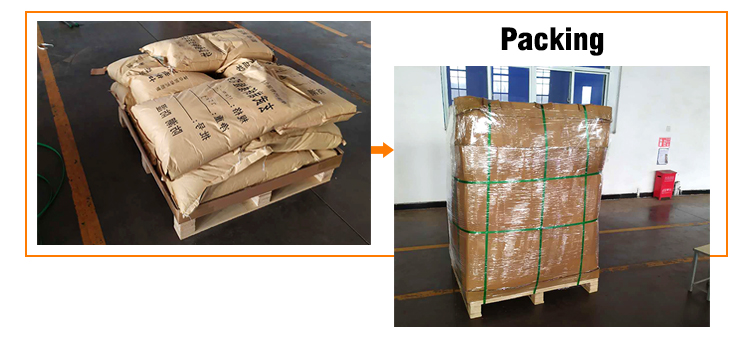
To maintain their quality, they should be stored in a cool, dry, and moisture-proof environment, and kept sealed in their original packaging until they are ready to be processed.
 Beihai Fiberglass