Explore our premium range of high-tensile, alkali-resistant, and thermal-insulated basalt fiber products engineered for demanding structural applications.
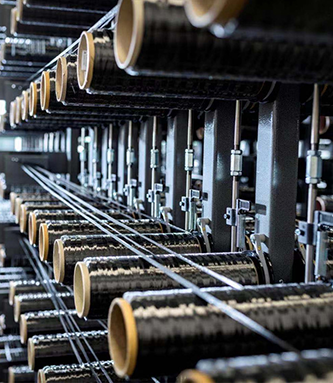
Founded in 2015 and strategically located in Jiujiang, Jiangxi Province, China Beihai is a premier high-tech enterprise dedicated to the advanced research, development, production, and global distribution of high-performance continuous basalt fiber and its state-of-the-art production machinery.
As a domestic pioneer and global leader in basalt fiber technology, we bridge the gap between volcanic raw materials and high-value engineering solutions. Our integrated production model ensures that we deliver consistent, high-tensile, and chemically stable products tailored for modern infrastructure, aerospace, and composite industries.
Why leading global engineering firms and distributors choose China Beihai as their long-term supply partner.

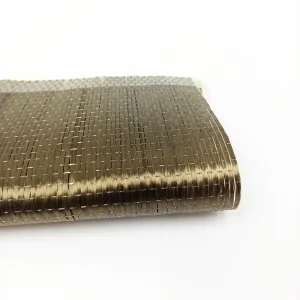
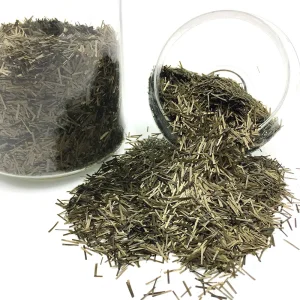
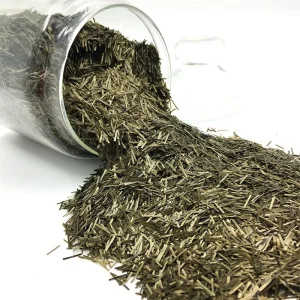
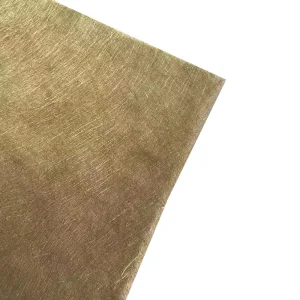
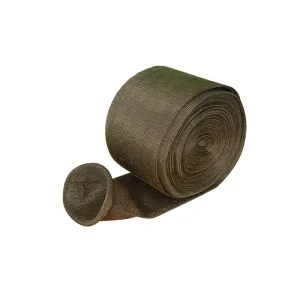
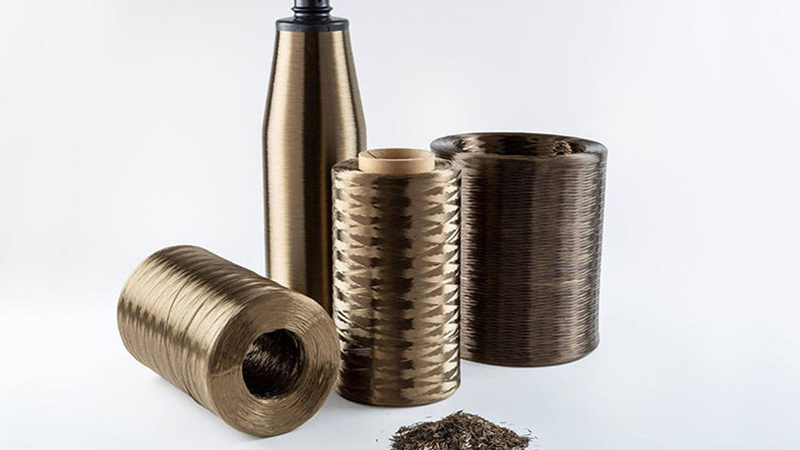
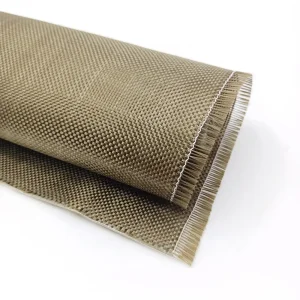
We specialize in manufacturing a comprehensive portfolio of basalt materials: basalt fiber mats (chopped strand mats, cloth), high-strength roving, twisted yarns, chopped strands, structural rebar, and protective sleeves/tapes designed to survive extreme environments.

We transform raw volcanic basalt rock into high-performance structural reinforcements. Through precision extrusion and sizing technology, we supply sustainable, non-corrosive, and high-temperature resistant alternatives to traditional steel and glass fiber reinforcements.

Partnering with China Beihai means securing a robust supply chain backed by rigorous quality assurance, continuous R&D innovation, and eco-friendly manufacturing processes. We provide customized sizing formulations to ensure optimal compatibility with your resin or cement matrices.
In the era of sustainable development and resilient infrastructure, civil engineers and material scientists are shifting away from traditional carbon-intensive, corrosion-prone reinforcing agents. Basalt Fiber Chopped Strands have emerged as the premier green alternative, offering an unparalleled combination of mechanical strength, chemical inertness, and ecological sustainability.
The global basalt fiber market is experiencing exponential growth, driven by stringent environmental mandates (such as the EU Green Deal and US Buy Clean initiatives) and the urgent need to rehabilitate aging concrete infrastructure. Unlike glass fiber, which suffers from alkali degradation in concrete's highly alkaline environment, basalt fiber is naturally resistant to chemical attacks. Furthermore, its carbon footprint is up to 80% lower than that of steel reinforcement, making it a critical component for achieving LEED and BREEAM certifications in modern green buildings.
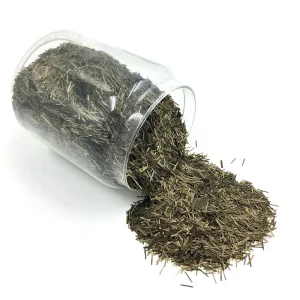
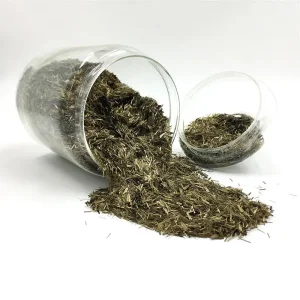
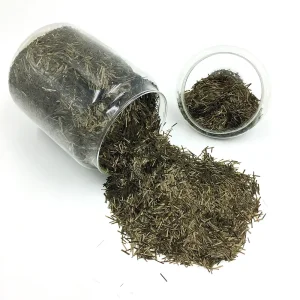
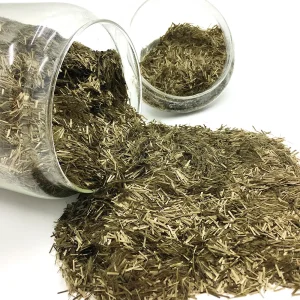
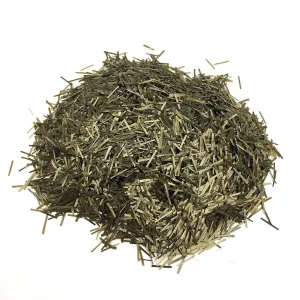
Basalt continuous fiber is manufactured by melting quarried volcanic basalt rock at temperatures exceeding 1450°C, followed by rapid extrusion through platinum-rhodium alloy bushings. When chopped into strands ranging from 6mm to 50mm, these fibers act as a three-dimensional reinforcing network when mixed into concrete or mortar. Key technical advantages include:
At China Beihai's manufacturing hub in Jiangxi, we have integrated Factory 4.0 smart manufacturing protocols. Our automated furnace control systems ensure thermal homogeneity during the melting process, which is critical for eliminating structural defects in the continuous filaments.
Crucially, we utilize advanced nanotechnology-based sizing formulations. The sizing agent acts as the chemical bridge between the inorganic basalt fiber and the organic polymer or cementitious matrix. By customizing the sizing for concrete, BMC, or thermoplastic composites, we ensure 100% fiber dispersion, preventing clumping during mixing and maximizing interfacial shear strength (IFSS).
Engineered to solve complex structural challenges in buildings, highways, and marine environments.
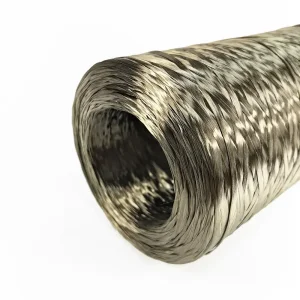
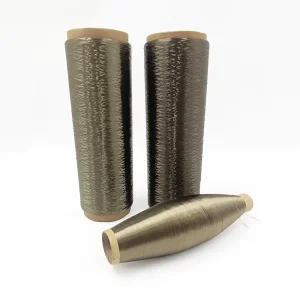
Our continuous basalt fiber roving is the foundational building block for high-performance composites. It features high tensile strength, excellent dielectric properties, and superior resistance to acidic and alkaline environments. Ideal for filament winding, pultrusion, and weaving applications.
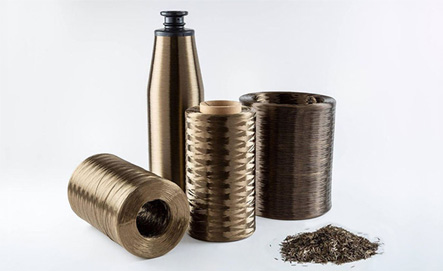
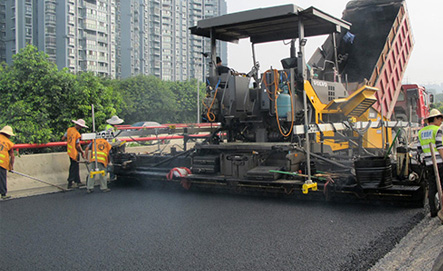
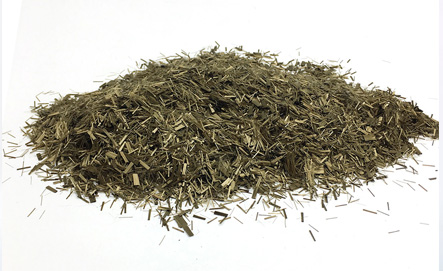
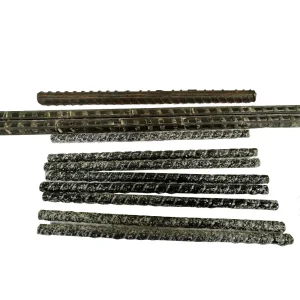
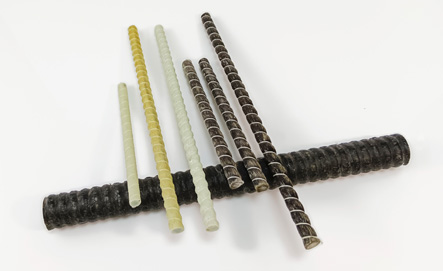
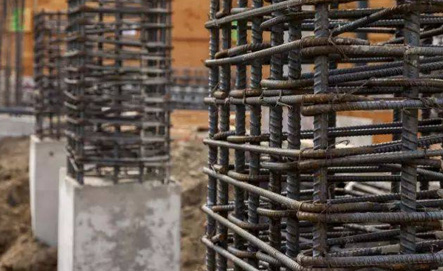
An advanced, rust-proof alternative to steel rebar. Basalt fiber rebar is 4 times lighter than steel while offering twice the tensile strength. It is completely non-conductive and highly resistant to chemical corrosion, making it the ultimate choice for bridge decks, sea walls, and MRI rooms.
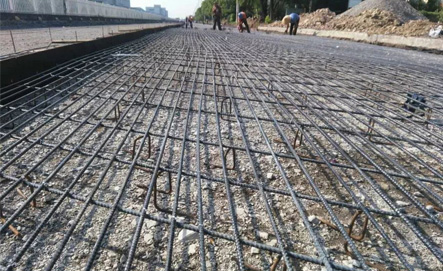
Industry-leading formulations engineered for specialized industrial and construction applications.
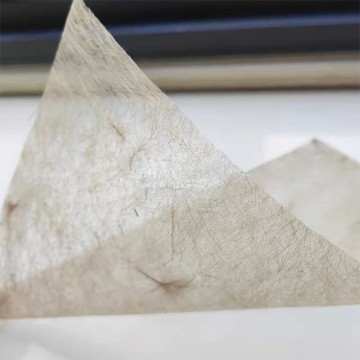
A non-woven thin sheet engineered to provide a smooth, resin-rich surface layer for fiber-reinforced plastics, enhancing corrosion and weather resistance.
Read More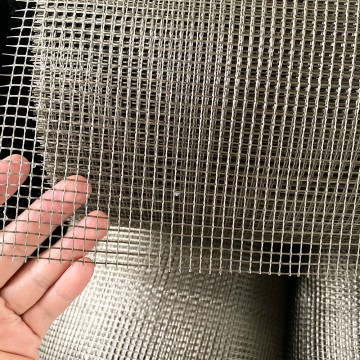
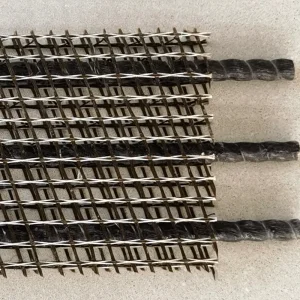
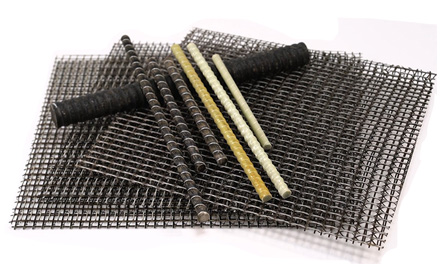
Provides a superior reinforcement solution for concrete, plaster, and external wall insulation systems where high alkali resistance is mandatory.
Read More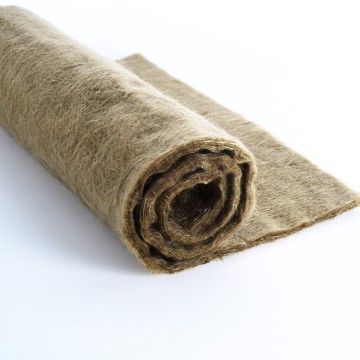
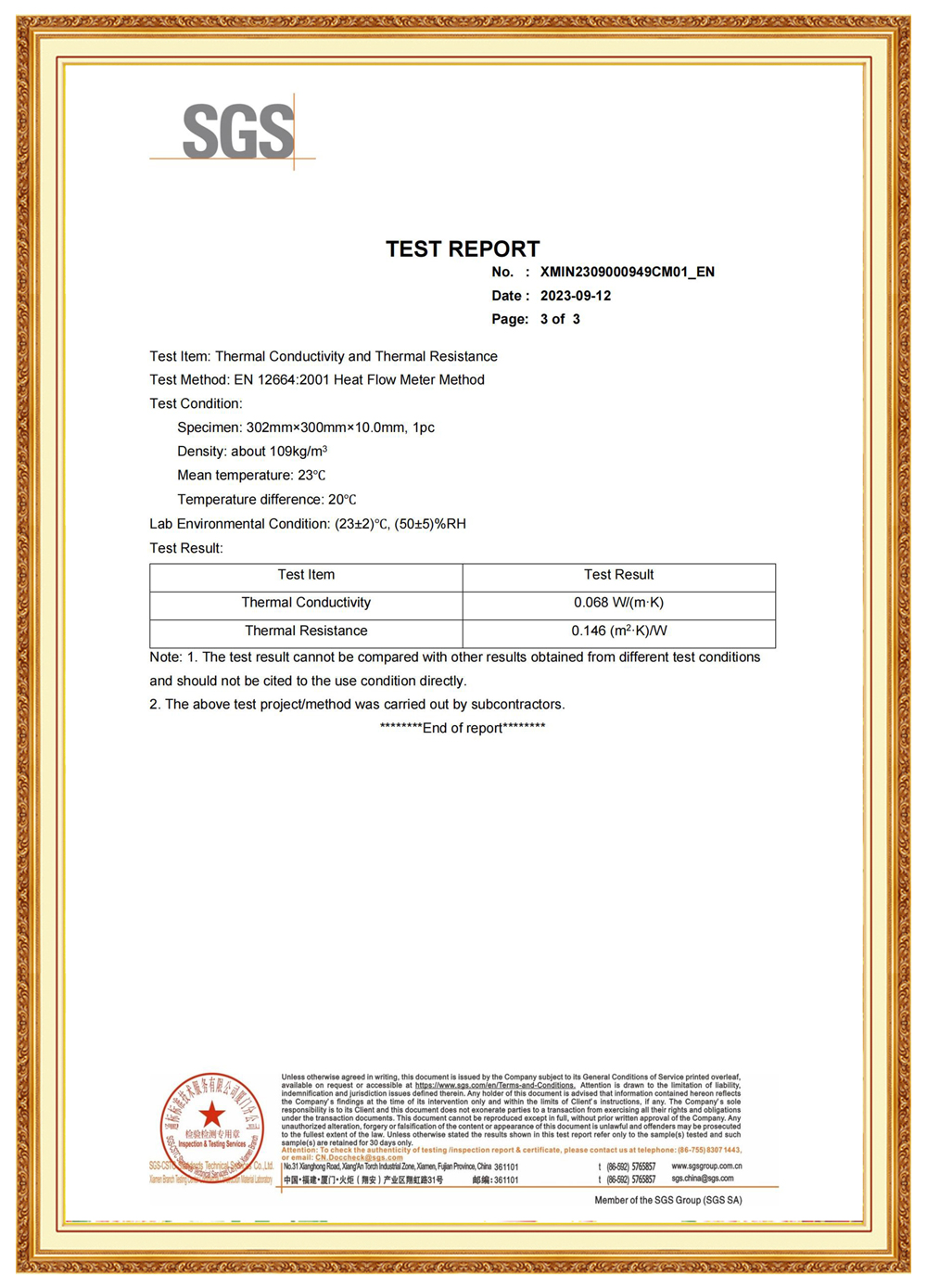
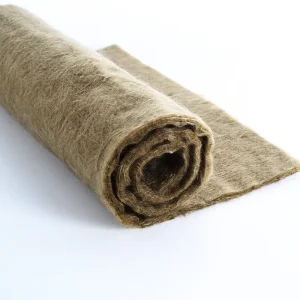
A high-density insulation material manufactured by mechanically bonding continuous basalt fibers without chemical binders, offering eco-friendly thermal protection.
Read More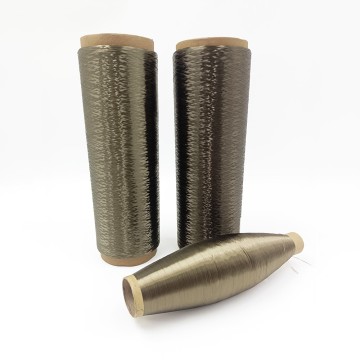
Engineered by twisting multiple continuous filaments to enhance mechanical strength and processing stability for industrial weaving and high-temperature sewing.
Read MoreFrom deep-sea marine engineering to outer space exploration, basalt fiber is the material of the future.
Enhancing concrete durability, reducing micro-cracks, and providing lightweight reinforcement for modern architectural designs.

Utilized in structural components and cabin interiors to reduce weight while maintaining high impact resistance and fire safety.

Providing critical thermal protection systems, spacecraft shell reinforcements, and engine component insulation.

Drastically improving the flexural toughness, crack resistance, and chemical durability of concrete structures.

Supporting the lightweight vehicle trend by replacing heavy metal parts with high-strength basalt composite panels and mufflers.

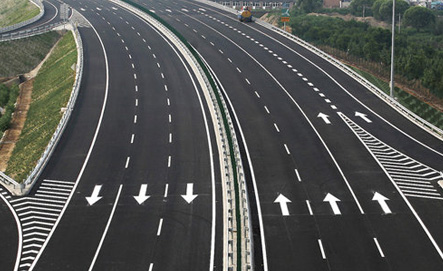
Shielding critical bridge structures from high-impact vehicle collisions, water erosion, and corrosive de-icing salts.

Providing corrosion-resistant piping, storage tank linings, and high-temperature insulation for oil and gas refineries.

Offering completely rust-proof reinforcement for offshore platforms, docks, and ship hulls exposed to harsh saltwater.
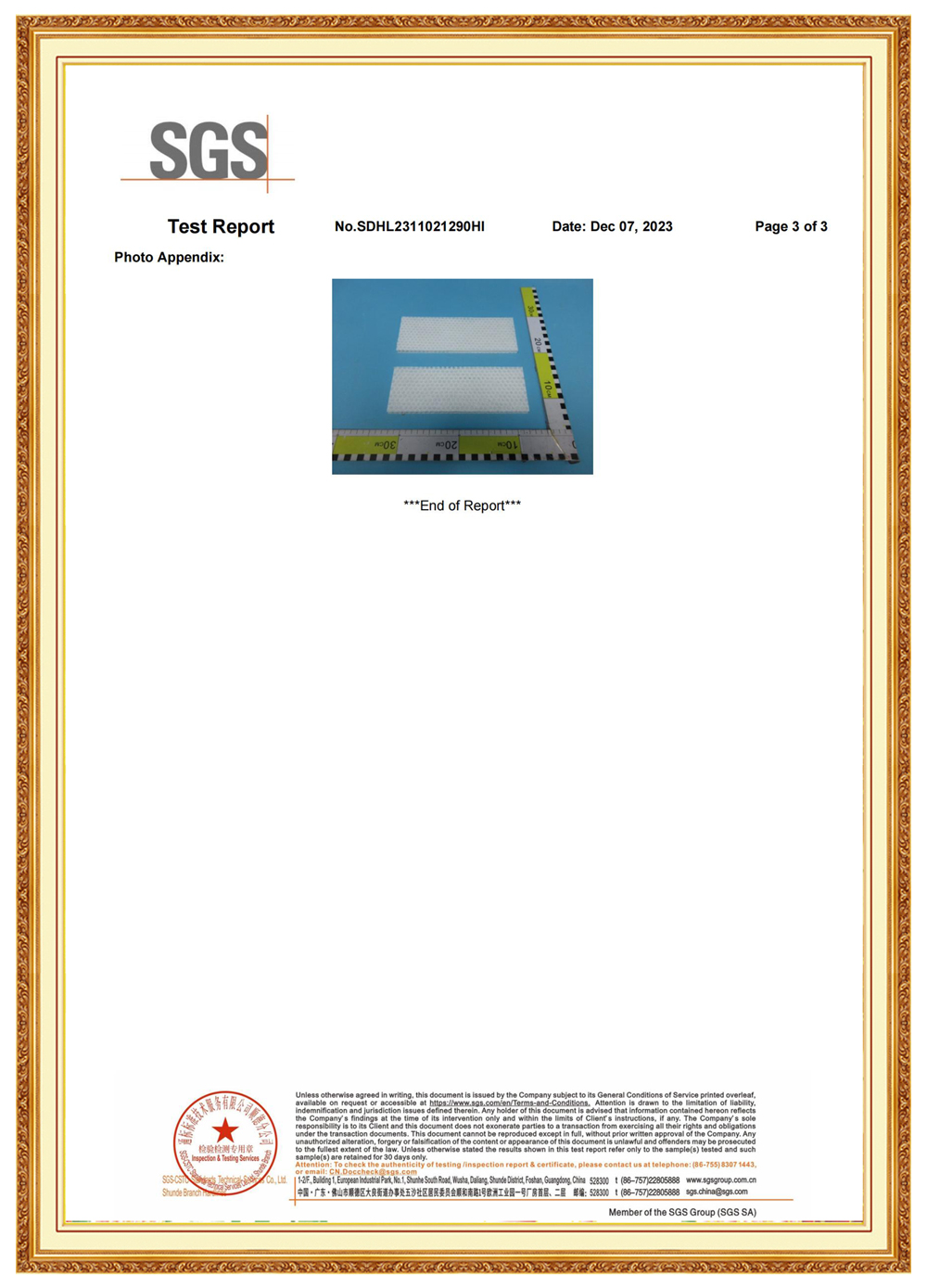
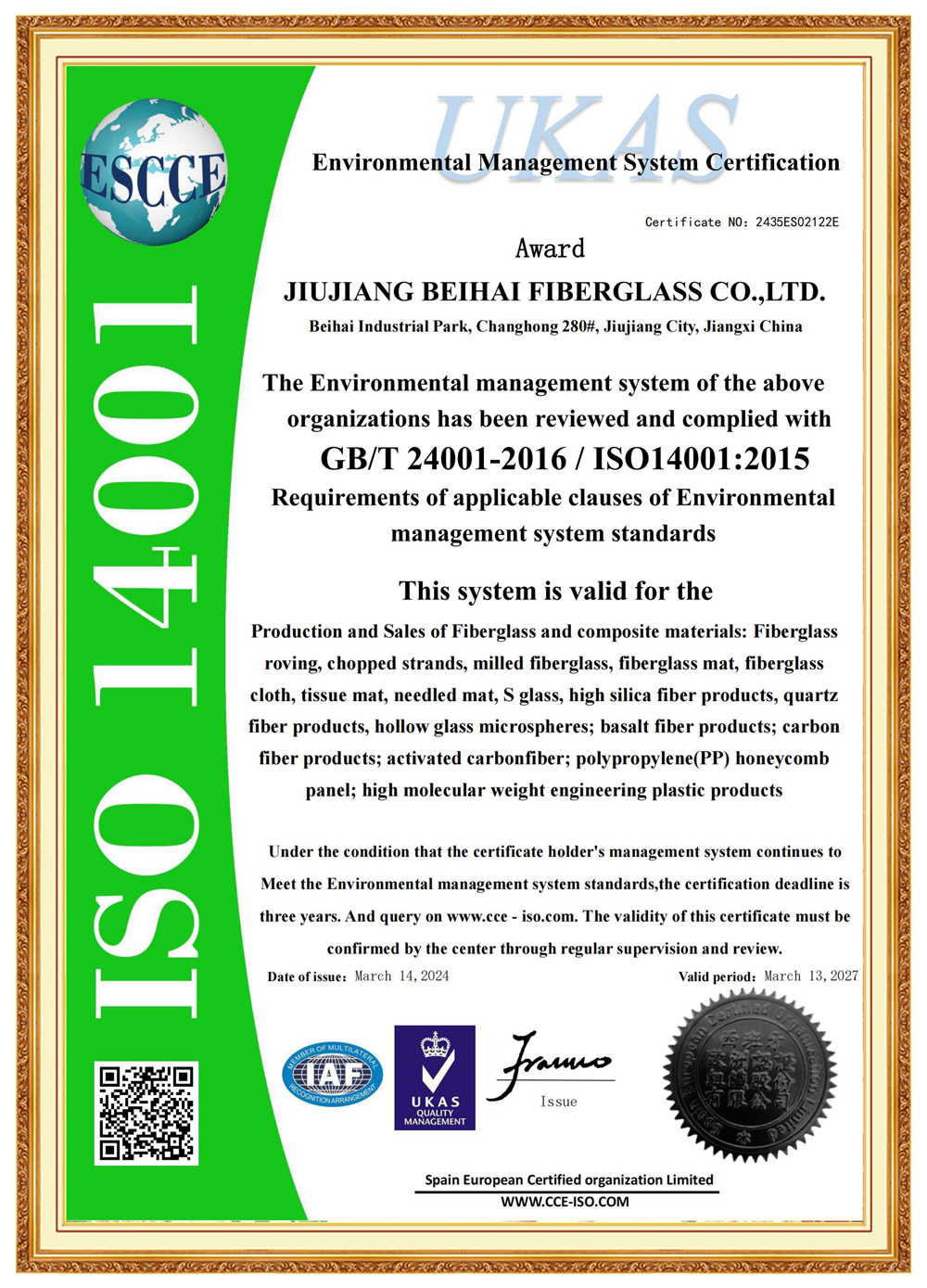
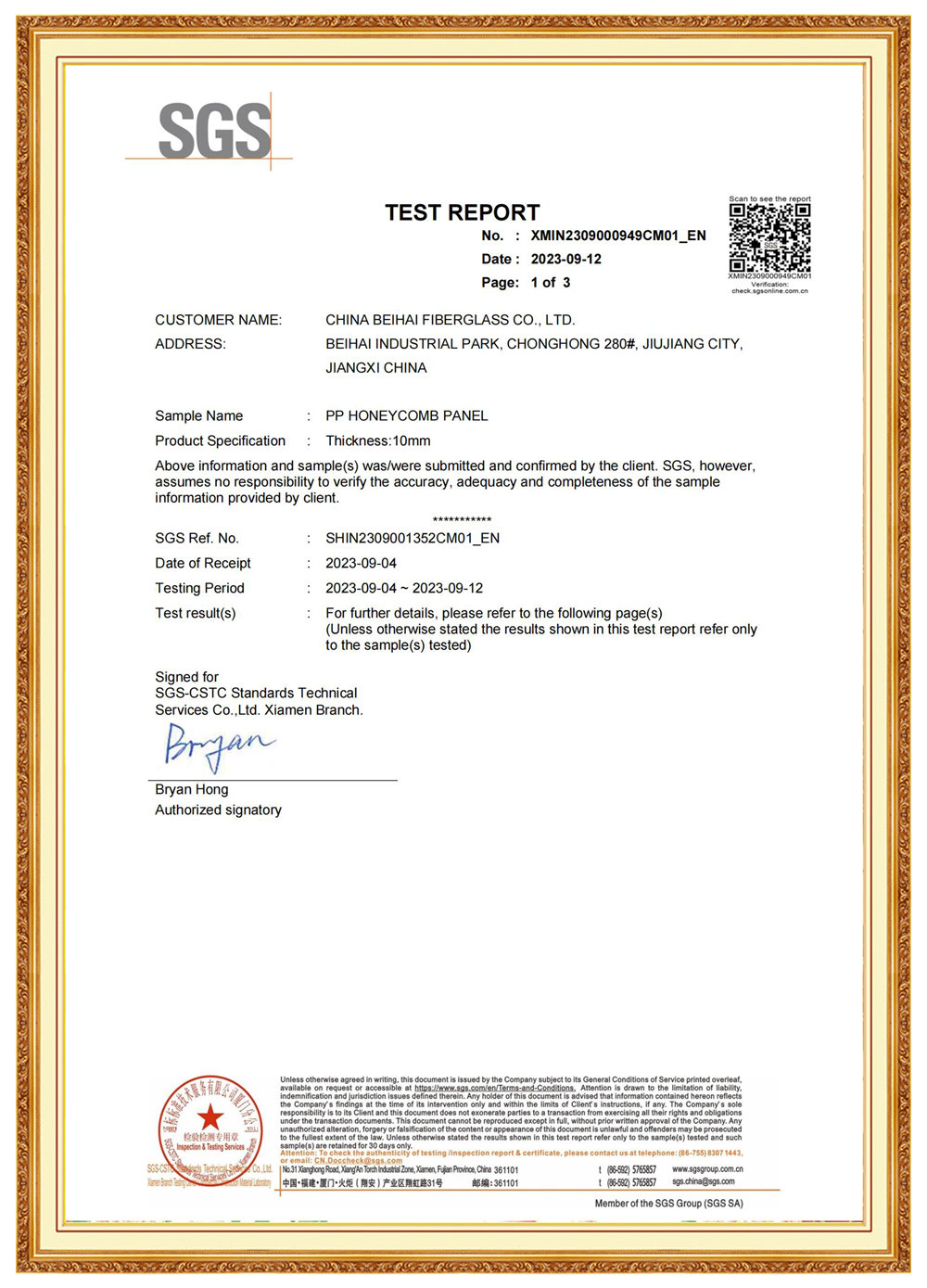
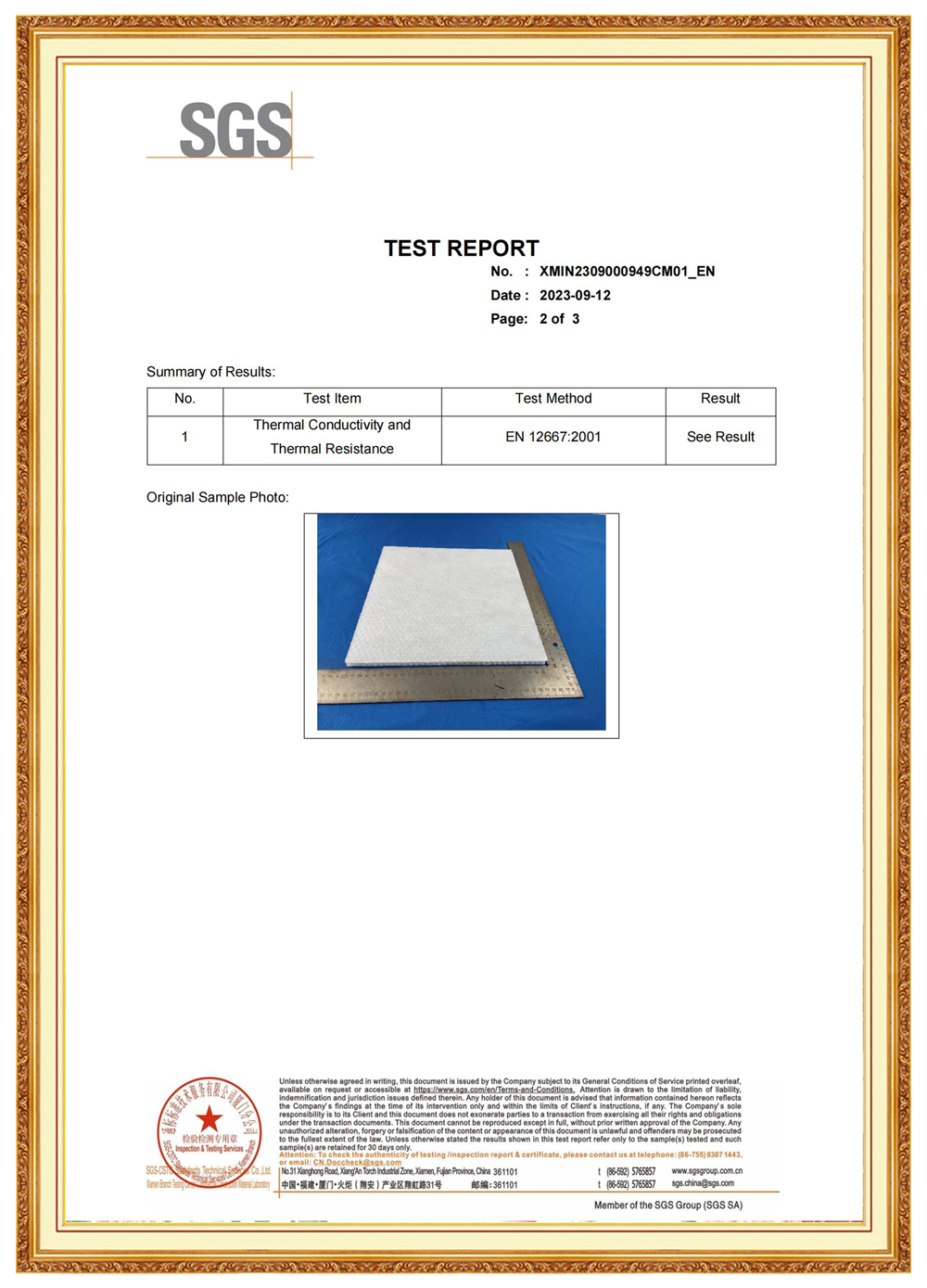
Rigorous quality control processes certified by international standards to ensure absolute reliability.
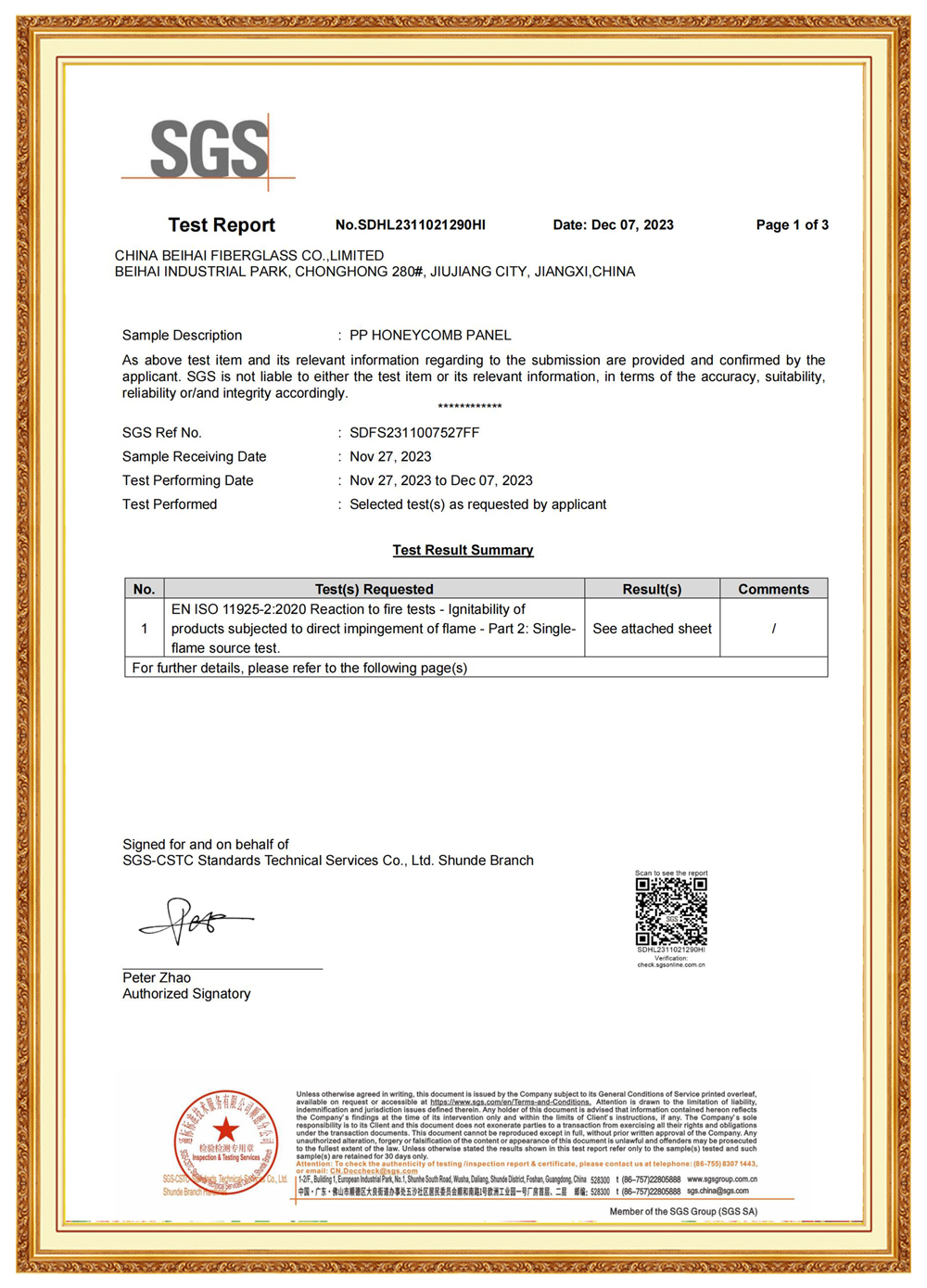
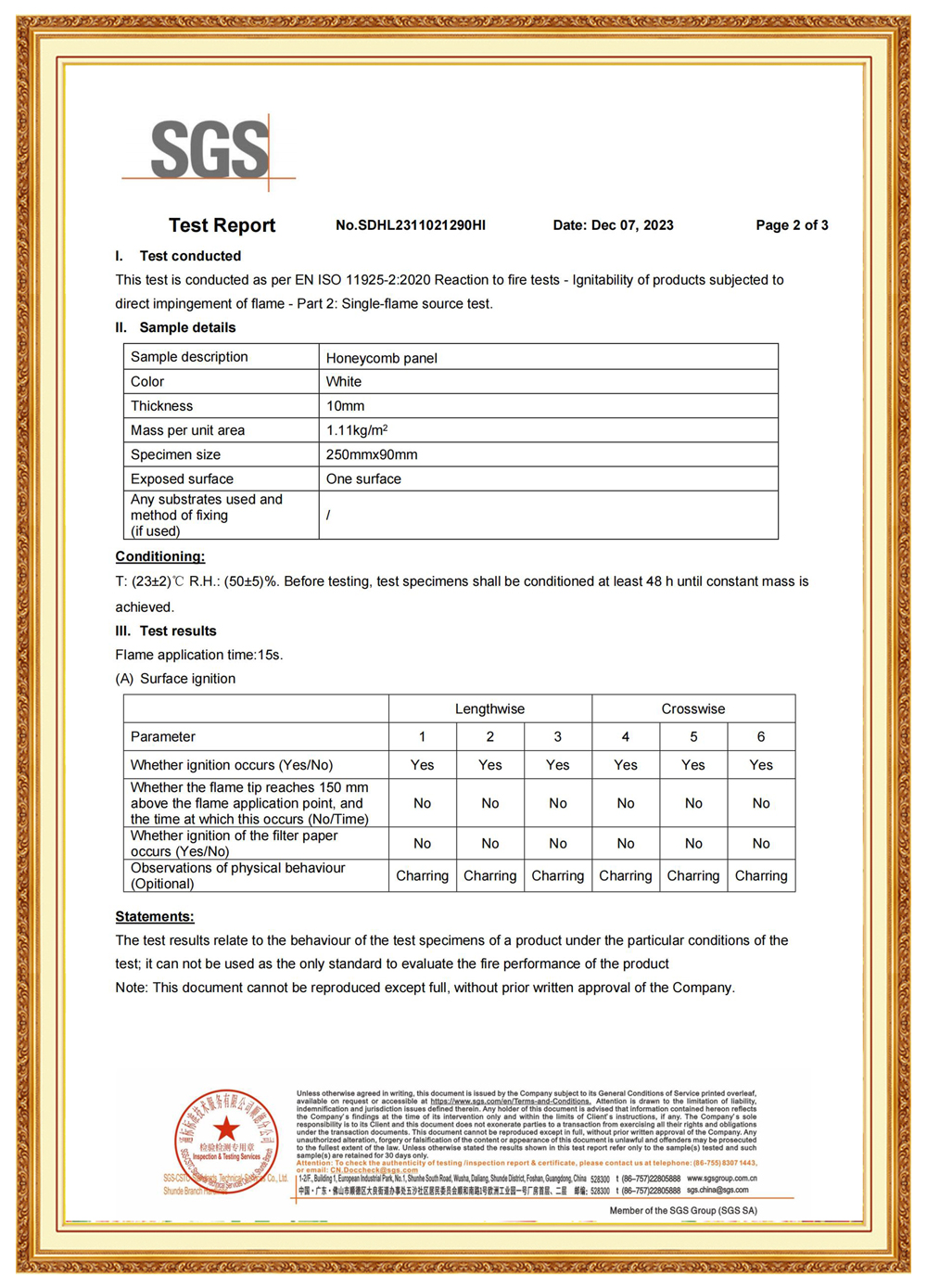
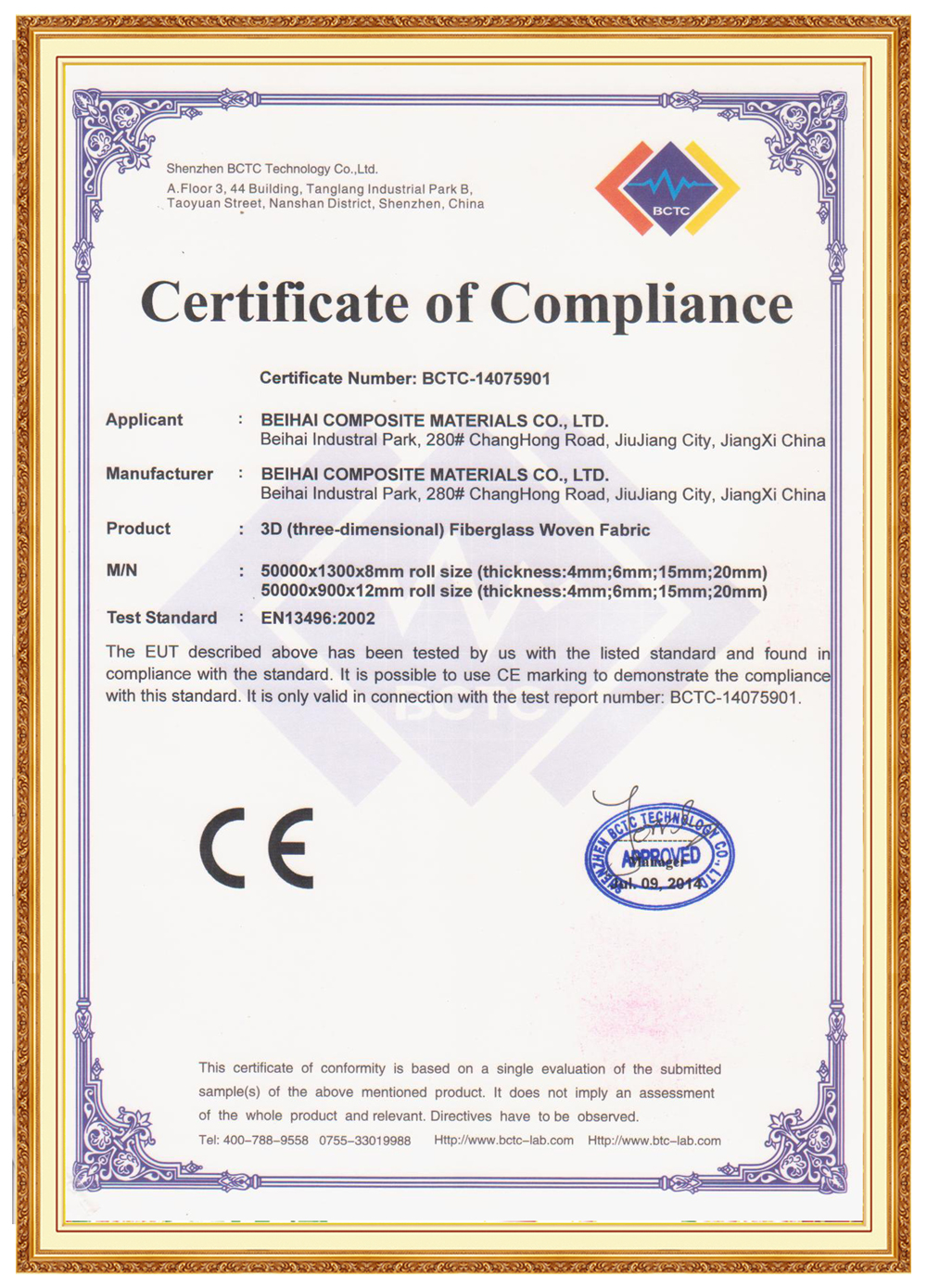
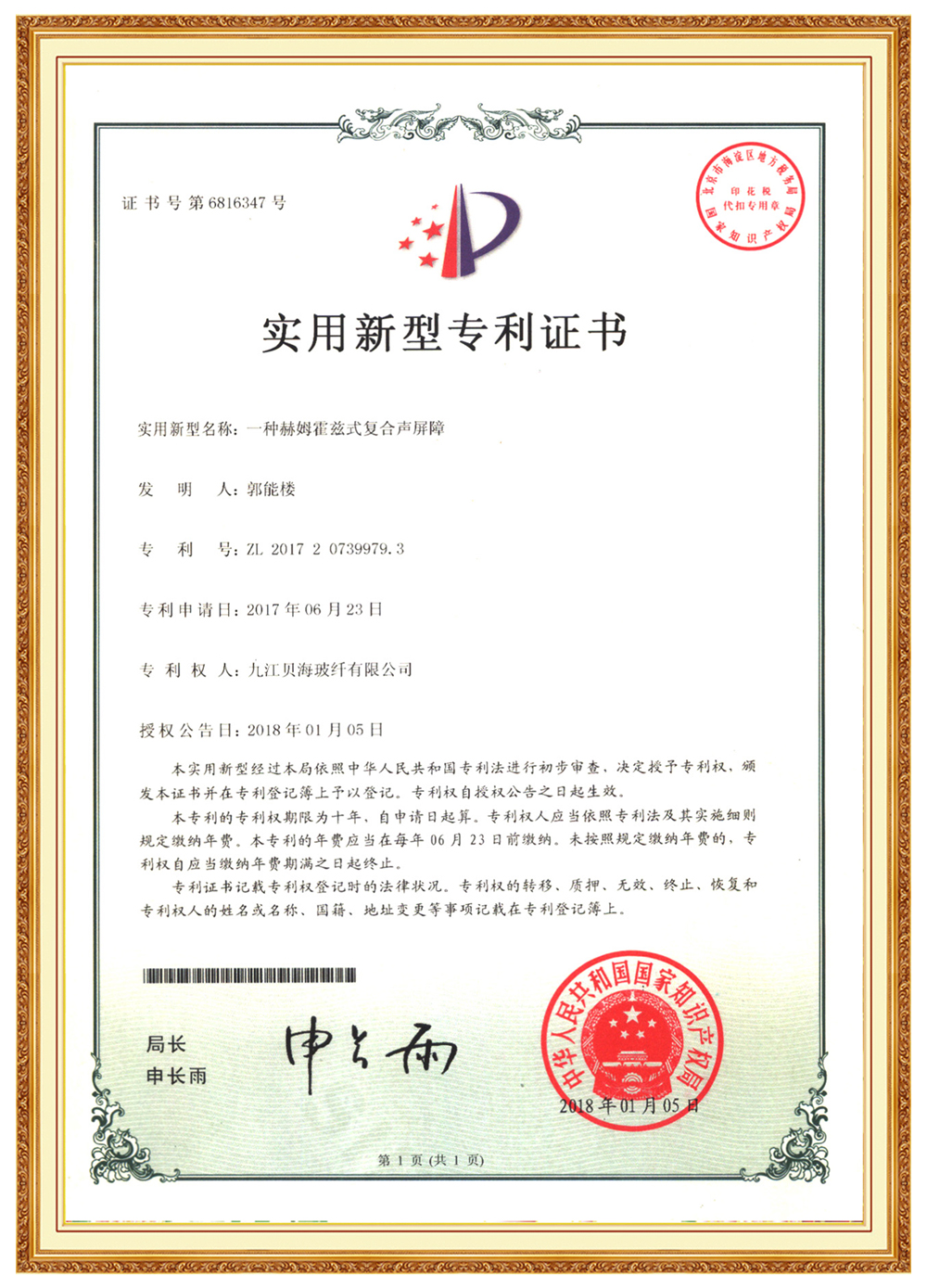

Stay updated with the latest technological breakthroughs and market trends in basalt fiber composites.

As drones slice through the sky to monitor wildfires, and intelligent robots execute repetitive tasks with precision on the factory floor, the efficient operation of this smart equipment is often underpinned by a "hardcore support"—high-performance continuous basalt fiber composites. Discover how our latest R&D breakthroughs are driving the next generation of industrial automation and structural resilience.
Get authoritative answers to technical and procurement questions about concrete basalt fiber reinforcement.
Unlike glass fiber, which is highly vulnerable to the alkaline environment of concrete (causing it to degrade over time), basalt fiber is naturally alkali-resistant. It maintains its structural integrity and tensile strength within the concrete matrix indefinitely. Additionally, basalt fiber has a higher tensile strength and elastic modulus than standard E-glass, providing superior crack control and structural reinforcement.
When mixed into concrete, millions of basalt chopped strands disperse three-dimensionally throughout the matrix. This creates a micro-reinforcing network that intercepts micro-cracks as they form due to plastic shrinkage or thermal expansion. By arresting these cracks early, basalt fibers prevent them from coalescing into macro-cracks, significantly improving the flexural toughness and fatigue resistance of the concrete.
The standard dosage rate typically ranges from 2.0 kg to 5.0 kg per cubic meter of concrete, depending on the specific engineering requirements. For high-performance applications like bridge decks, industrial floors, or marine structures, higher dosages may be used in conjunction with specialized water-reducing admixtures to maintain workability.
For secondary reinforcement (shrinkage and temperature crack control), basalt chopped strands can fully replace welded wire mesh and light steel rebars. For primary structural load-bearing elements, basalt fiber rebar is used as a direct, non-corrosive replacement for steel rebars, offering twice the tensile strength at a quarter of the weight.
We utilize advanced Factory 4.0 automated production lines in Jiangxi to control melting temperatures precisely. Furthermore, we apply custom-formulated chemical sizing agents to the fibers during extrusion. This sizing is engineered to be highly compatible with cementitious binders, ensuring that the chopped strands disperse rapidly and uniformly during the concrete mixing process without clumping.
High-tensile, corrosion-resistant, and thermally stable solutions for global industrial distribution.
 Beihai Fiberglass