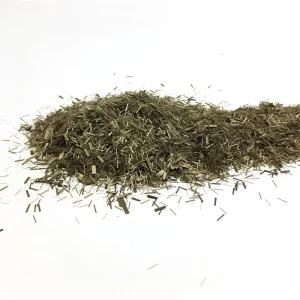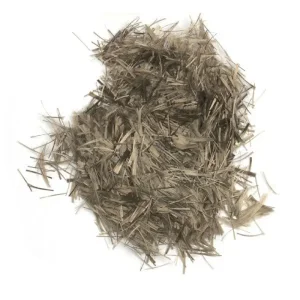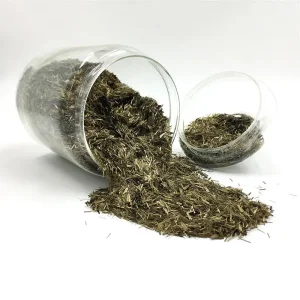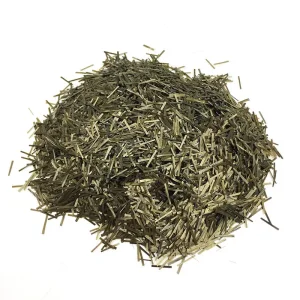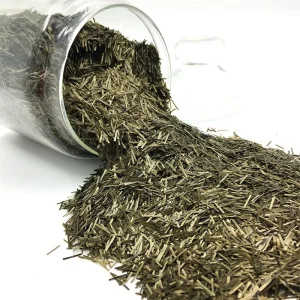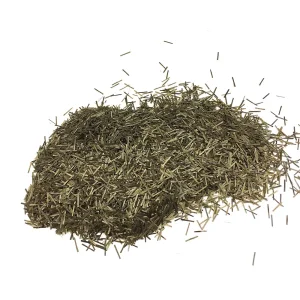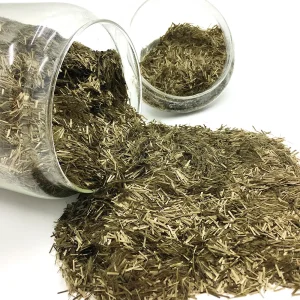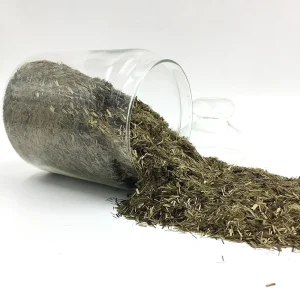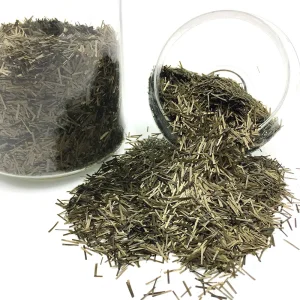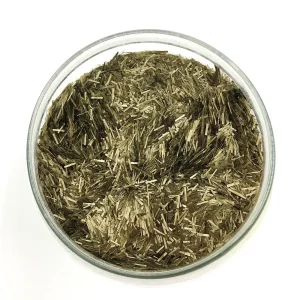
Wholesale Alkali Resistance Basalt Short Cut Fiber Basalt Chopped Strands for Constructional Reinforcement Products, Manufacturer

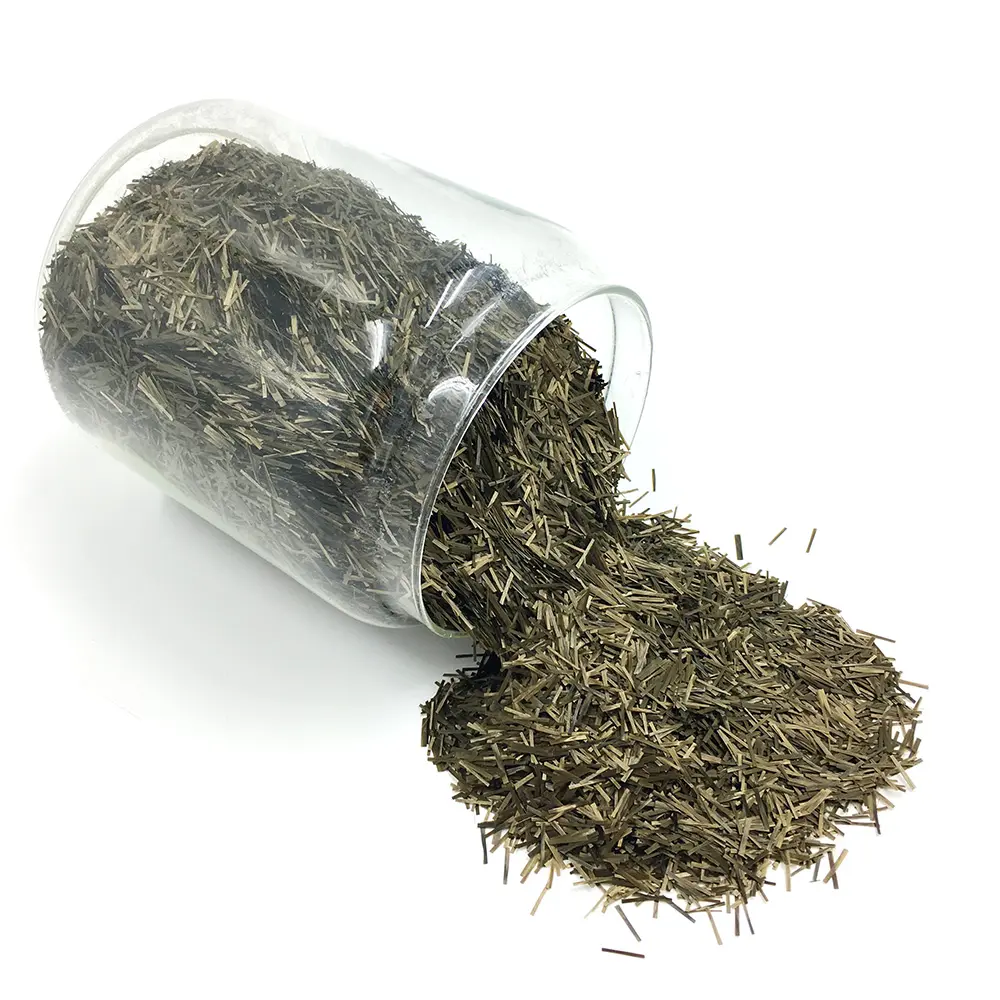
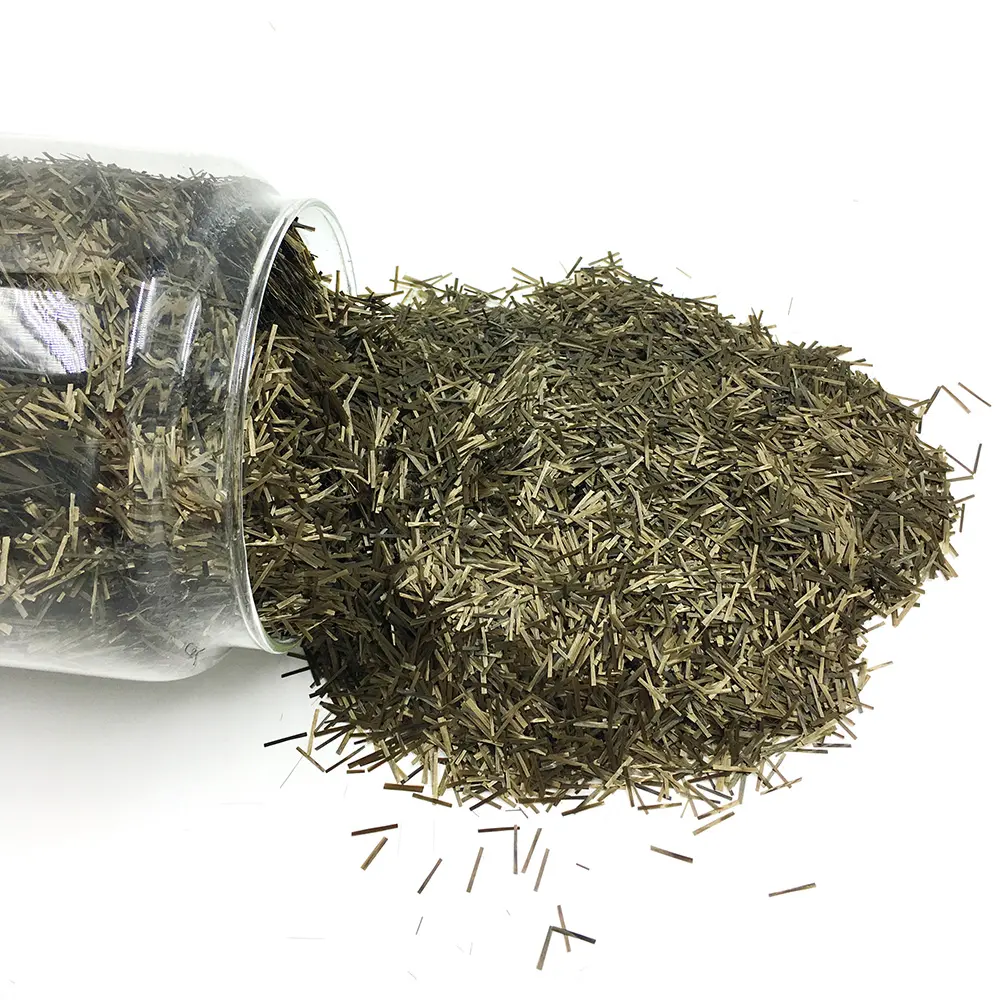
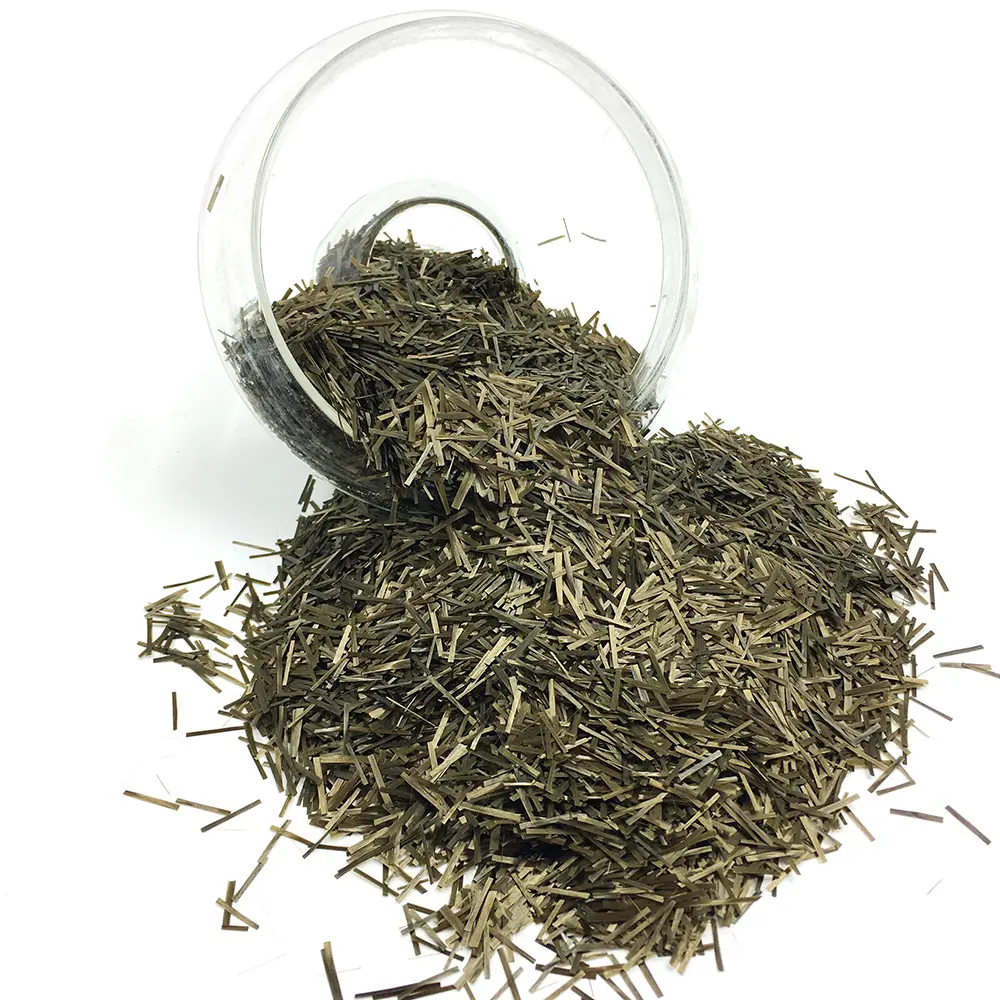
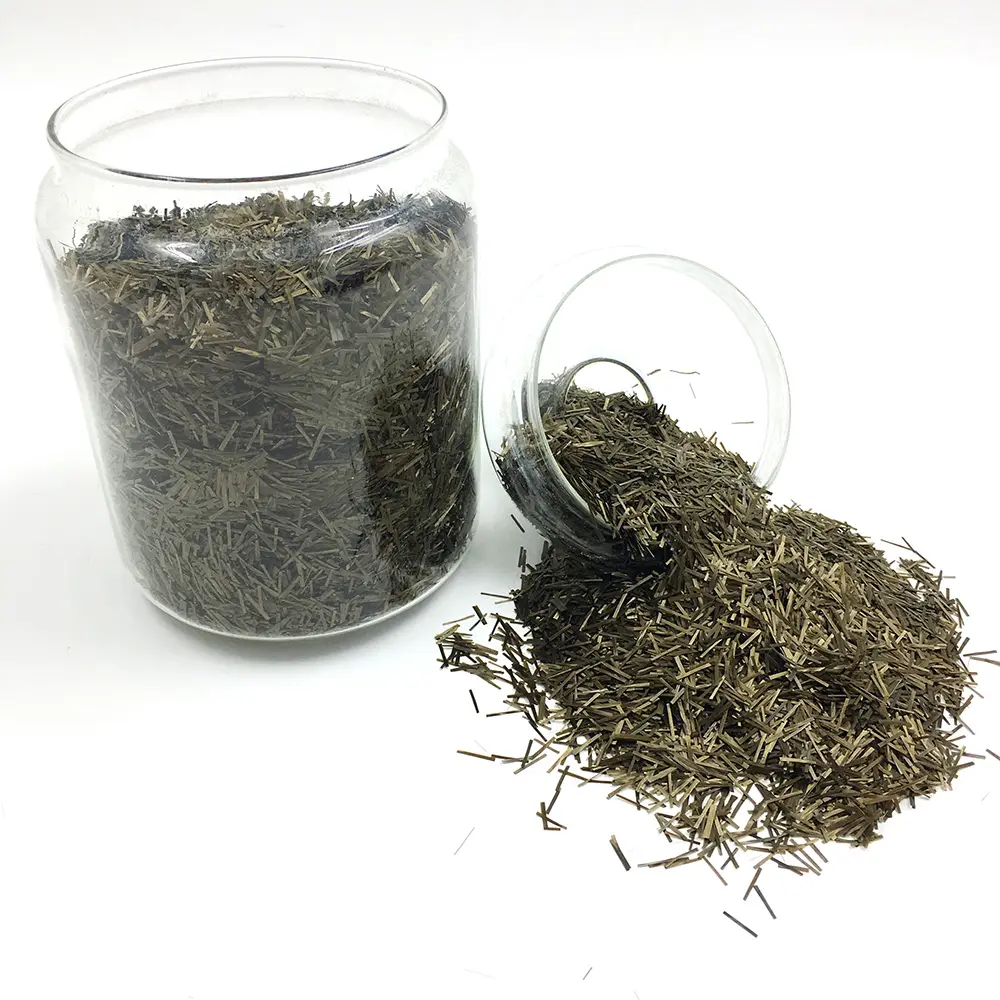
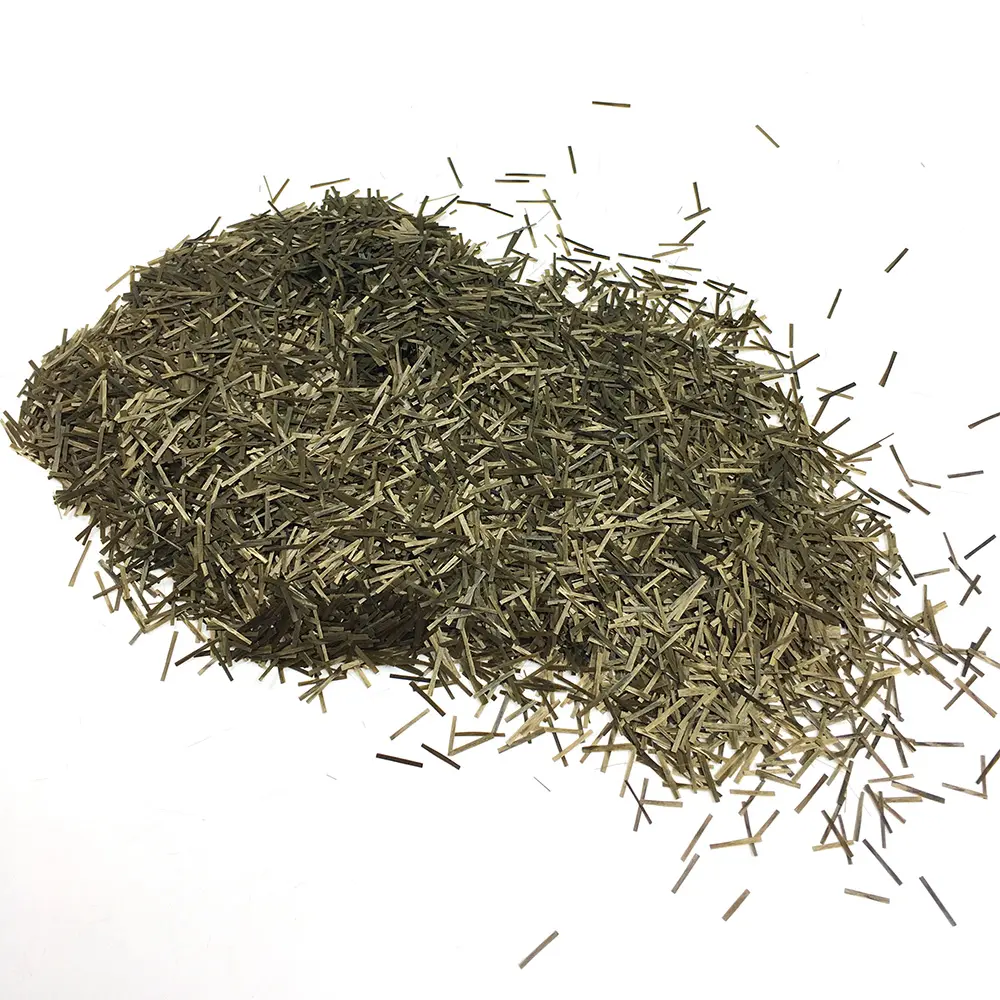
Basalt fibers are continuous fibers made by high-speed drawing of platinum-rhodium alloy wire-drawing leak plate after basalt material is melted at 1450 ~1500 C. Similar to glass fibers, its properties are between high-strength S glass fibers and alkali-free E glass fibers. Pure natural basalt fibers are generally brown in color, and some are golden in color..

Basalt Fiber Chopped Strand is has been widely used in fiber reinforced composites, friction materials, shipbuilding materials, thermal insulation materials, automotive industry, high temperature filter fabrics and protection fields.

Product Description

Basalt Fiber Performance
Product Features
  • High temperature resistance: Wide range of working temperature (-269℃~700℃), stable performance under high temperature.
  • Corrosion resistance: Acid and alkali resistance, oxidation resistance, suitable for harsh environments.
  • High strength: Tensile strength higher than ordinary glass fiber, close to S glass fiber.
  • Insulation: Excellent electrical insulation and sound insulation properties.
  • Environmental protection: No harmful substances in the production process, and the waste can be naturally degraded.
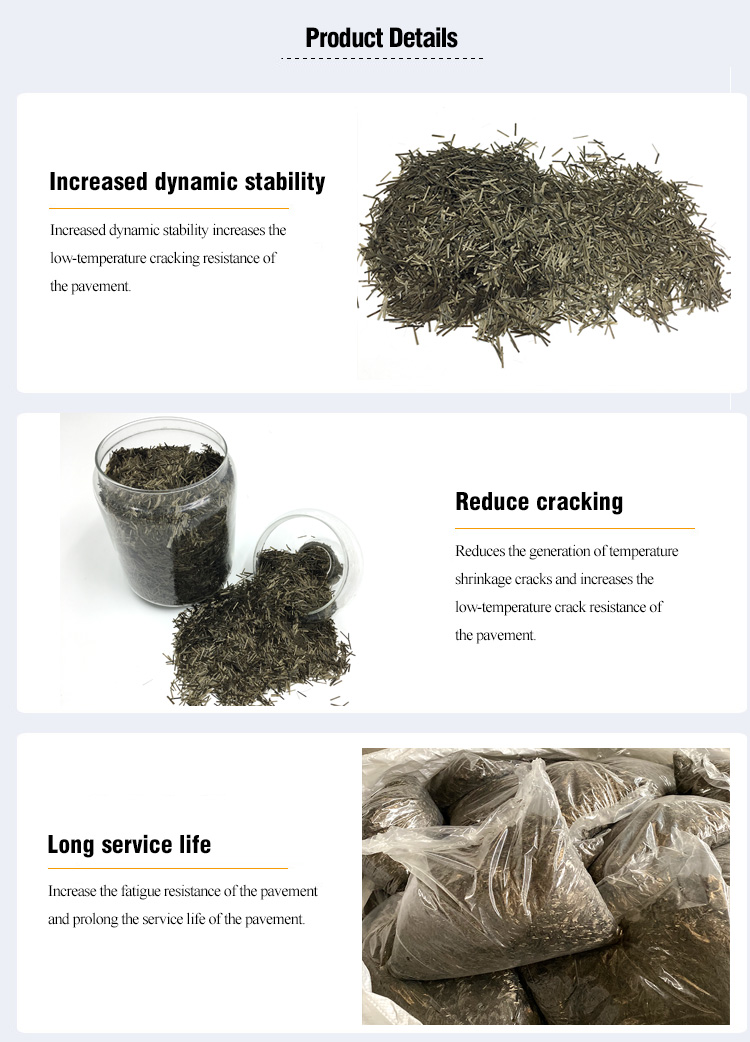
Basalt Fiber Details
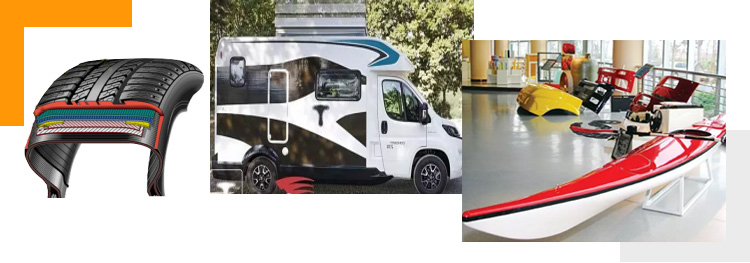
Basalt Fiber Application
Applications
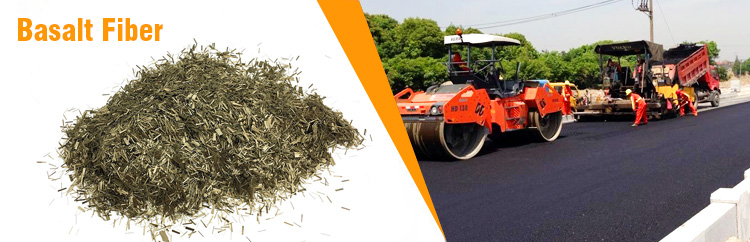
Concrete/Mortar: Improve crack resistance and durability; ideal replacement for asbestos or polypropylene fibers.
Plastics/Rubber: Enhance mechanical strength for automotive parts, industrial pipes, and reinforced plastics.
Friction Materials: Serves as a key reinforcing component in brake pads and clutch plates.
Insulation Materials: Used in high-temperature filter felts, fireproof sheets, and circuit substrates.
Aerospace: Ideal for lightweight composite components, such as drone structures.
Environmental Protection: Advanced adsorption materials and sewage treatment filter media.
Precautions for Use
  • Dispersibility: Surface treatment is required before short-cutting to avoid agglomeration in the substrate.
  • Length Selection: Adjust according to application (e.g., 12-25mm for concrete, 3-6mm for plastic).
  • Mixing Process: High-speed mixing or ultrasonic dispersion is required to ensure uniformity.
Workshop Gallery
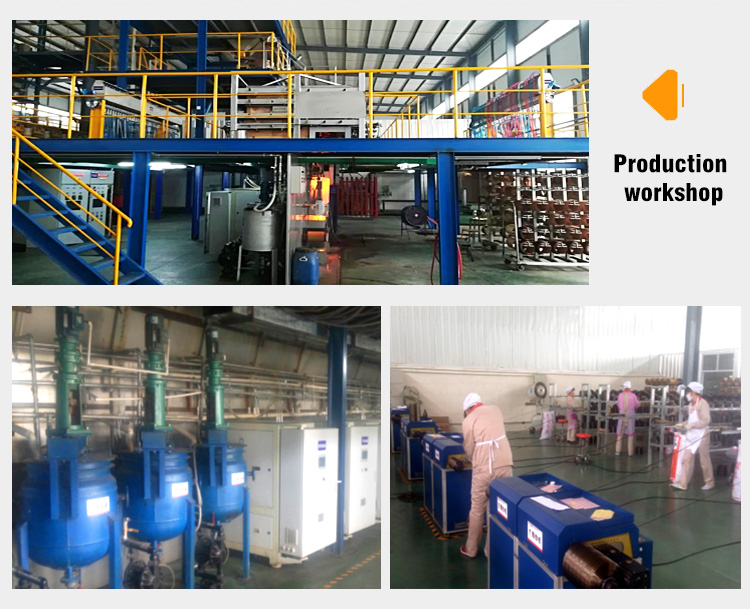
Manufacturing Workshop
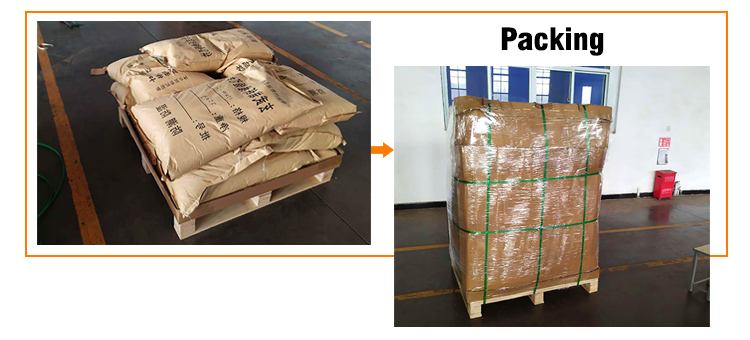
Packing Specifications
Length (mm/in) 950 (37.4)
Wide (mm/in) 950 (37.4)
Height (mm/in) 1000 (39.4)
Weight (kg/lb) 900-1000 (1984-2205)
Storage Note: Basalt Fiber products should be stored in a dry, cool, and moisture-proof area. Keep in original packaging until use.
Product Packing
Frequently Asked Questions (FAQ)
What is the maximum working temperature for Basalt Fiber?
Basalt fiber features an impressive working temperature range from -269°C up to 700°C, maintaining stable performance even in extreme thermal conditions.
How does Basalt Fiber compare to glass fiber in terms of strength?
Basalt fiber offers higher tensile strength than ordinary E-glass fiber and is comparable to high-strength S-glass fiber, making it an excellent choice for reinforcement.
Is Basalt Fiber environmentally friendly?
Yes, the production process involves no harmful substances, and the material itself is naturally derived and can be naturally degraded.
Which fiber length should I choose for concrete reinforcement?
For concrete and mortar applications, a fiber length of 12-25mm is typically recommended to optimize crack resistance and durability.
Can Basalt Fiber resist chemical corrosion?
Absolutely. Basalt fiber is highly resistant to acids, alkalis, and oxidation, making it suitable for use in harsh or chemically aggressive environments.
What is the best way to ensure uniform mixing?
To avoid agglomeration, high-speed mixing or ultrasonic dispersion is recommended, along with choosing the appropriate surface-treated fiber for your substrate.

Related Products