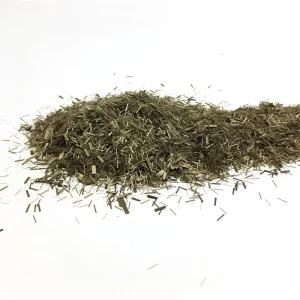
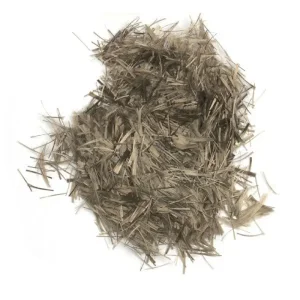
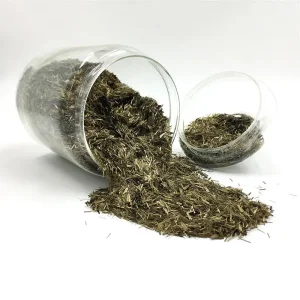
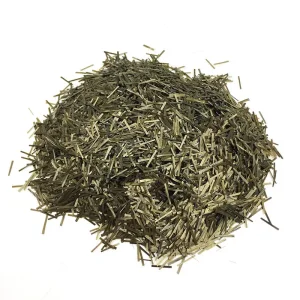
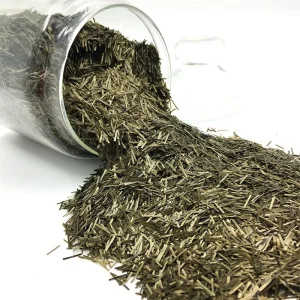
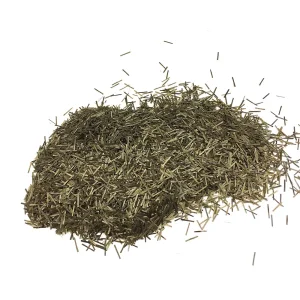
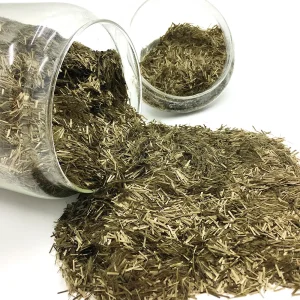
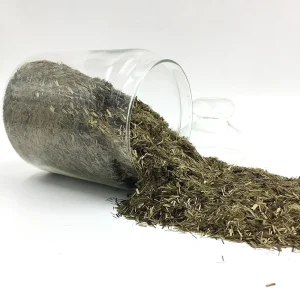
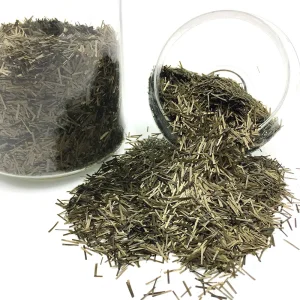
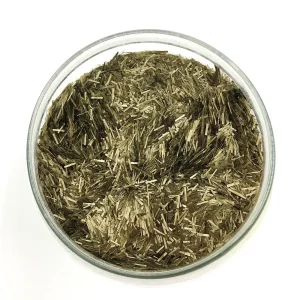
Product Features
- High temperature resistance: Wide range of working temperature (-269℃ ~ 700℃), maintaining stable performance under extreme heat.
- Corrosion resistance: Excellent acid and alkali resistance, as well as oxidation resistance, ideal for harsh environments.
- High strength: Tensile strength is significantly higher than ordinary glass fiber and comparable to S glass fiber.
- Insulation: Provides outstanding electrical insulation and sound insulation properties for various industrial uses.
- Environmental protection: No harmful substances are released during production, and the waste is naturally degradable.
Applications
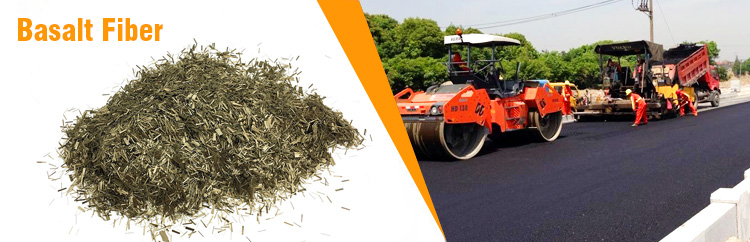
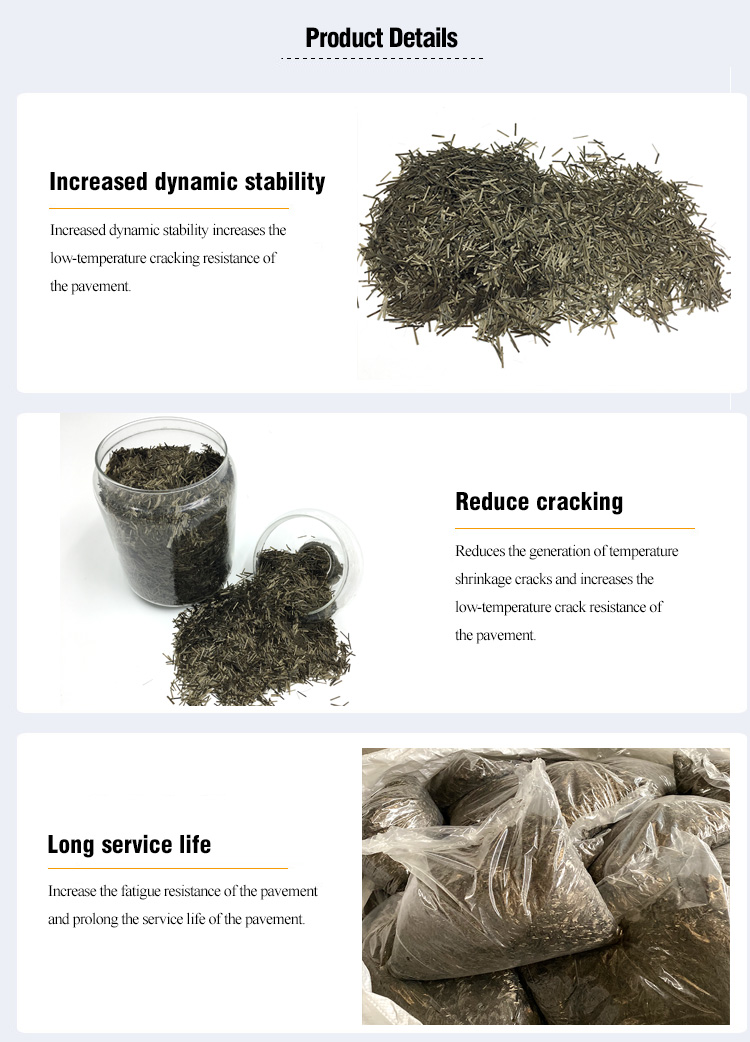
- Concrete/Mortar: Effectively improves crack resistance and durability, serving as a superior replacement for asbestos or polypropylene fibers.
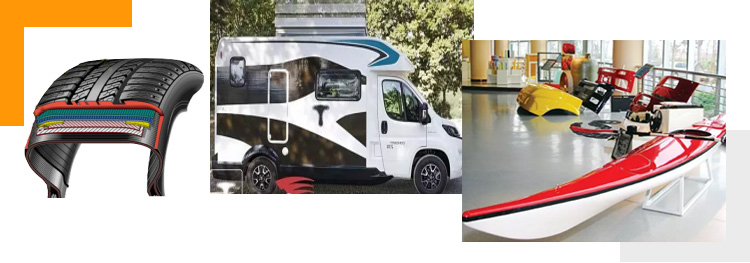
- Plastics/Rubber: Enhances mechanical strength in automotive parts, industrial pipes, and reinforced plastics.
- Friction materials: Used as a key reinforcing component in brake pads and clutch plates for enhanced safety.
- Insulation materials: Applied in high-temperature filter felts, fireproof sheets, and circuit substrates.
- Aerospace: Ideal for lightweight composite components such as drone structures.
- Environmental Protection: Utilized in adsorption materials and sewage treatment filter media.
Precautions for Use
Dispersibility: Surface treatment is essential before short-cutting to prevent agglomeration within the substrate.
Length Selection: Adjust the fiber length based on the application (e.g., 12-25mm for concrete reinforcement, 3-6mm for plastic enhancement).
Mixing Process: High-speed mixing or ultrasonic dispersion is required to ensure uniform distribution throughout the material.
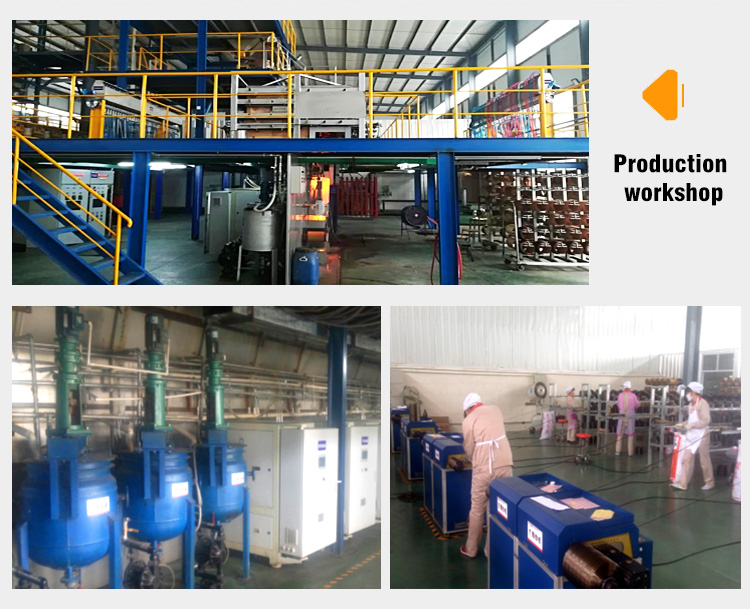
Workshop
Frequently Asked Questions
What is the temperature range for Basalt Fiber?
Basalt fiber has a very wide working temperature range, from as low as -269℃ to as high as 700℃, remaining stable throughout.
How does Basalt Fiber compare to Glass Fiber?
Basalt fiber offers higher tensile strength than ordinary glass fiber and performs similarly to high-performance S glass fiber.
Is Basalt Fiber environmentally friendly?
Yes, the production process involves no harmful substances, and the fiber waste is naturally degradable, making it an eco-friendly choice.
What are the main benefits of adding Basalt Fiber to concrete?
It significantly improves crack resistance and overall durability, making it an excellent alternative to synthetic or asbestos fibers.
What lengths of Basalt Fiber should I use?
Length depends on the application: typically 12-25mm is used for concrete/mortar, while 3-6mm is preferred for plastics and rubber reinforcement.
Does the fiber require special mixing techniques?
To ensure uniform dispersion and avoid agglomeration, high-speed mixing or ultrasonic dispersion is recommended during the mixing process.
 Beihai Fiberglass