 Beihai Fiberglass
1 / 5
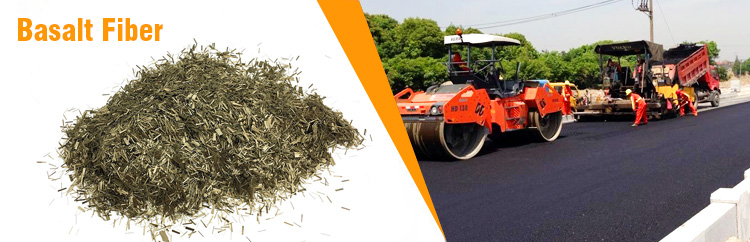
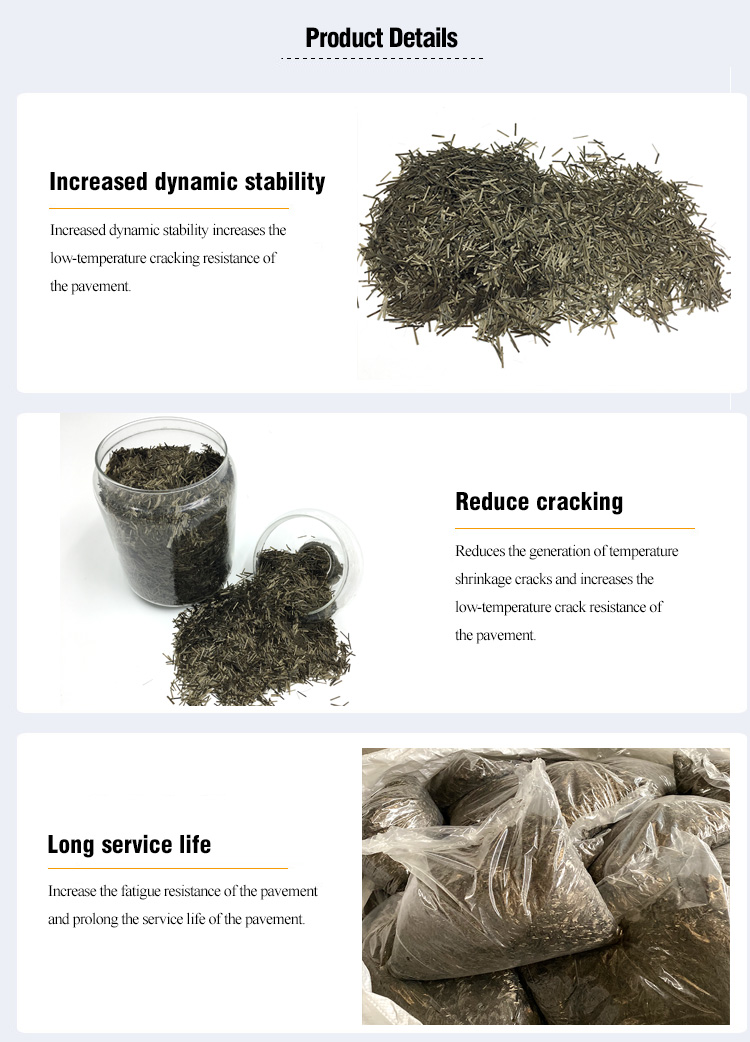
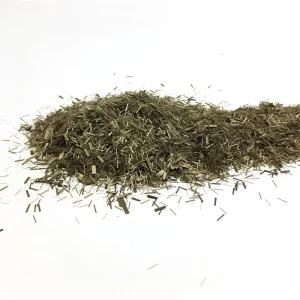
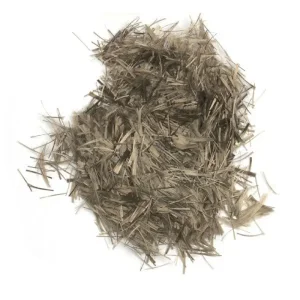
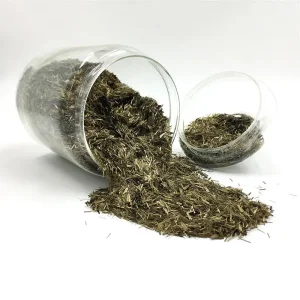
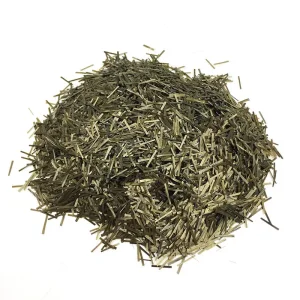
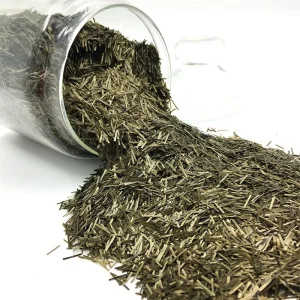
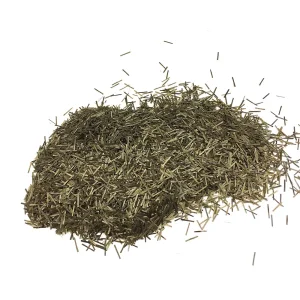
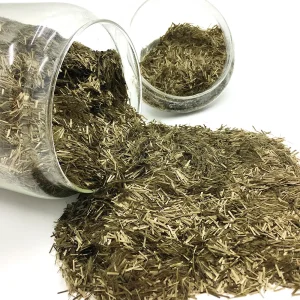
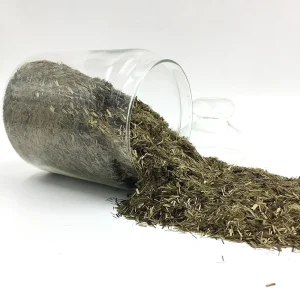
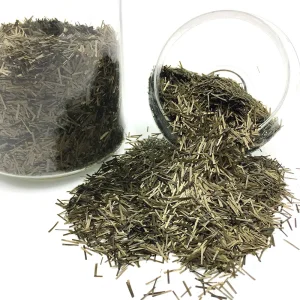
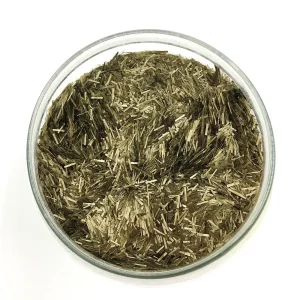
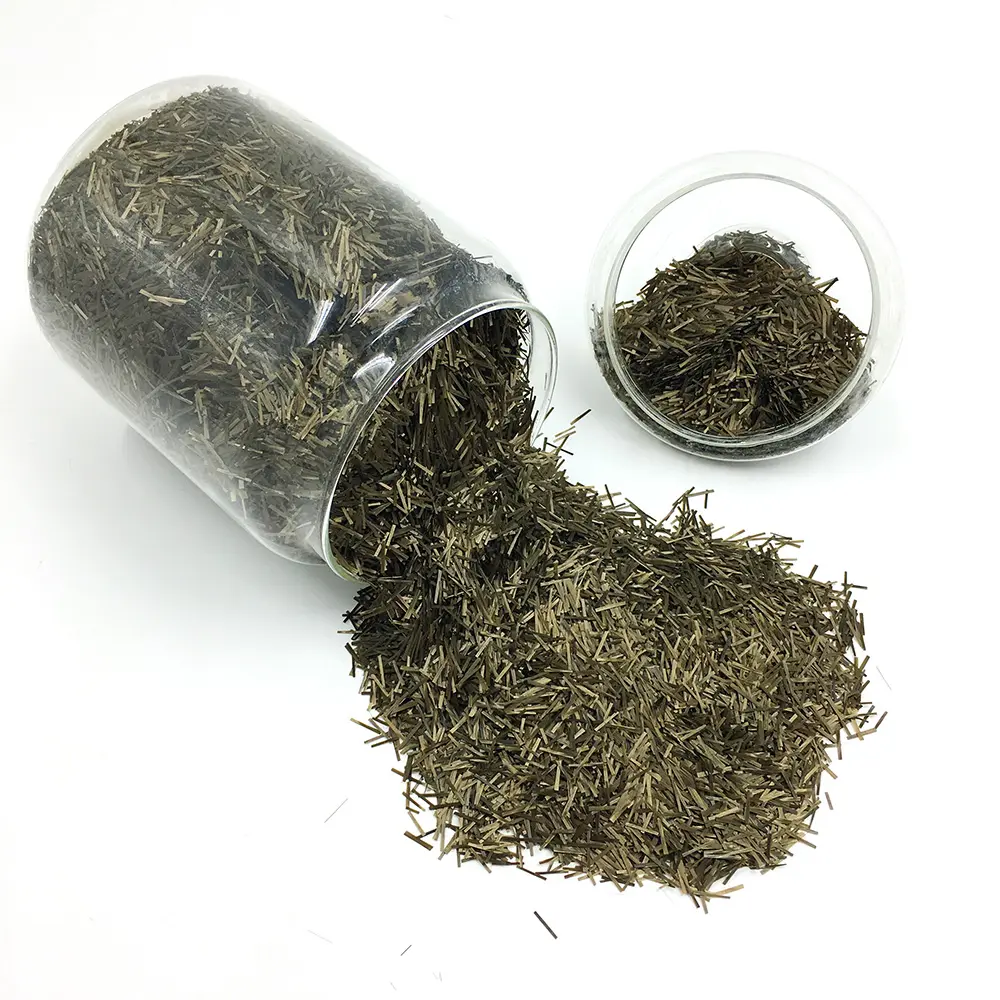
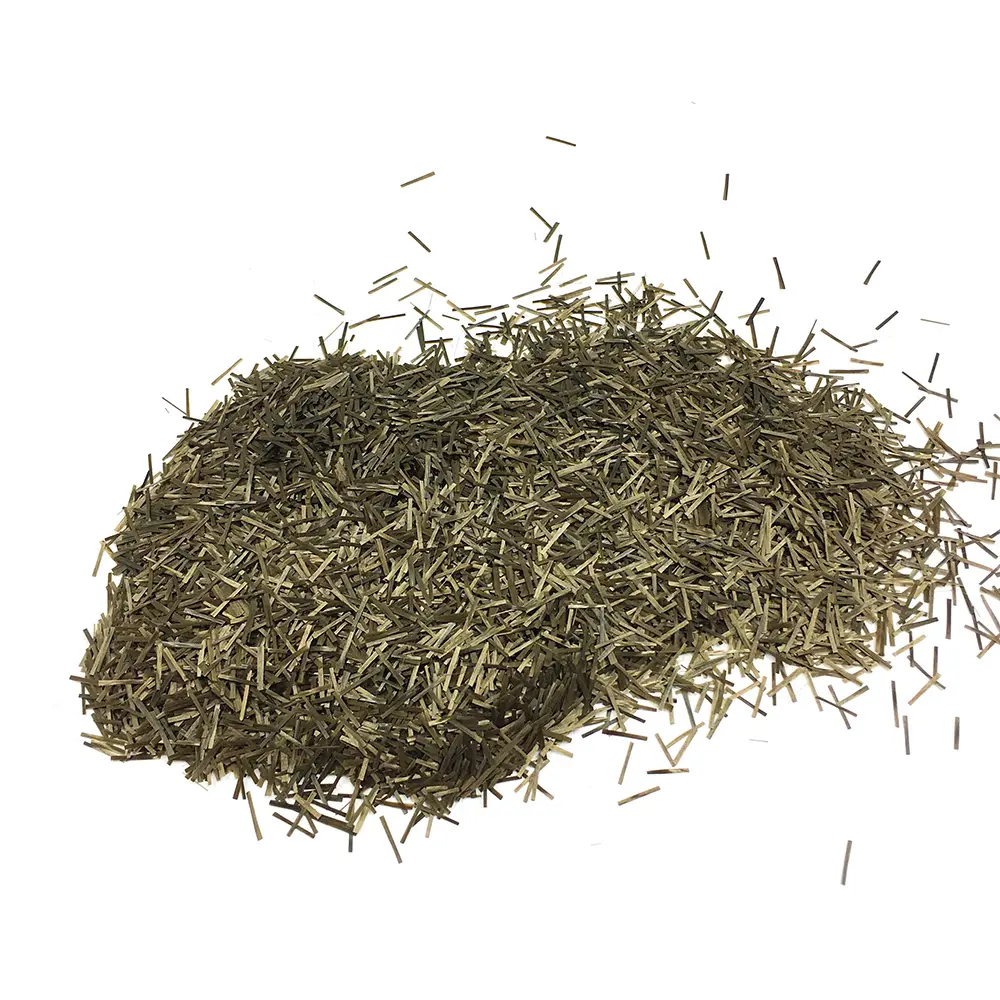
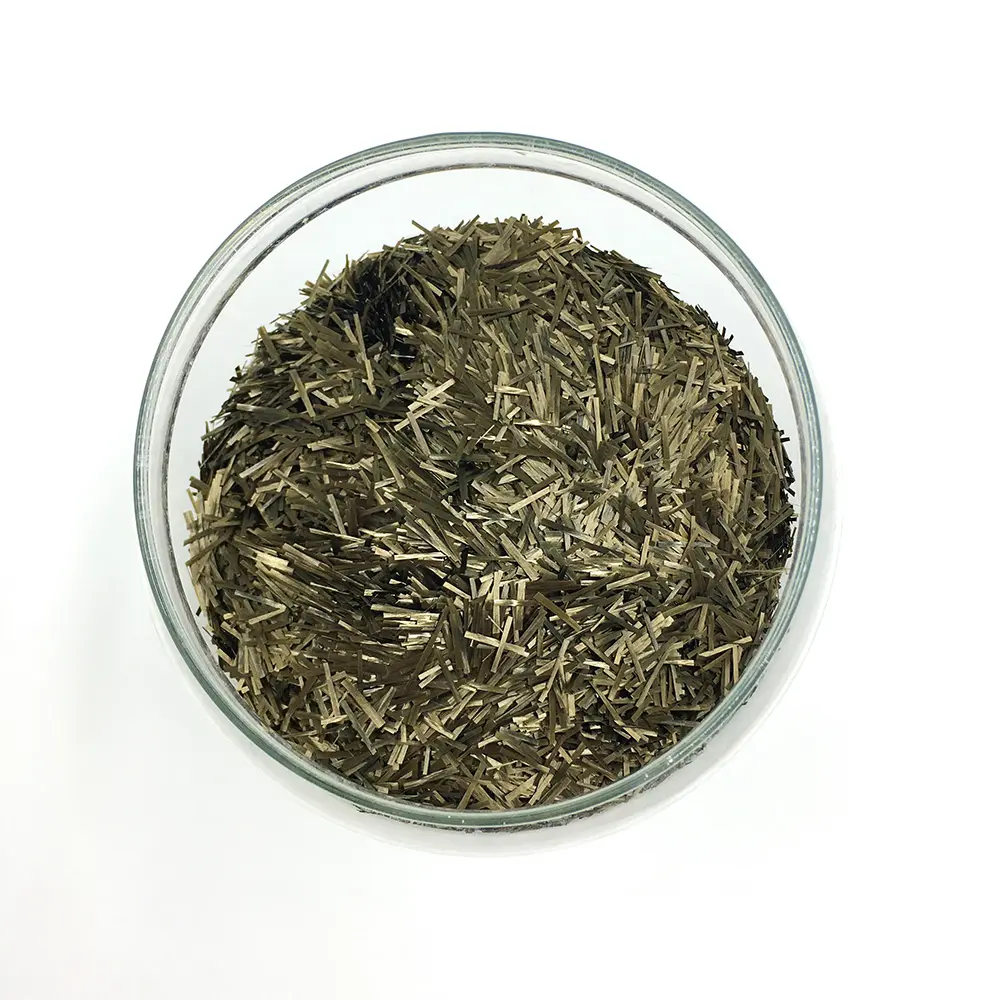
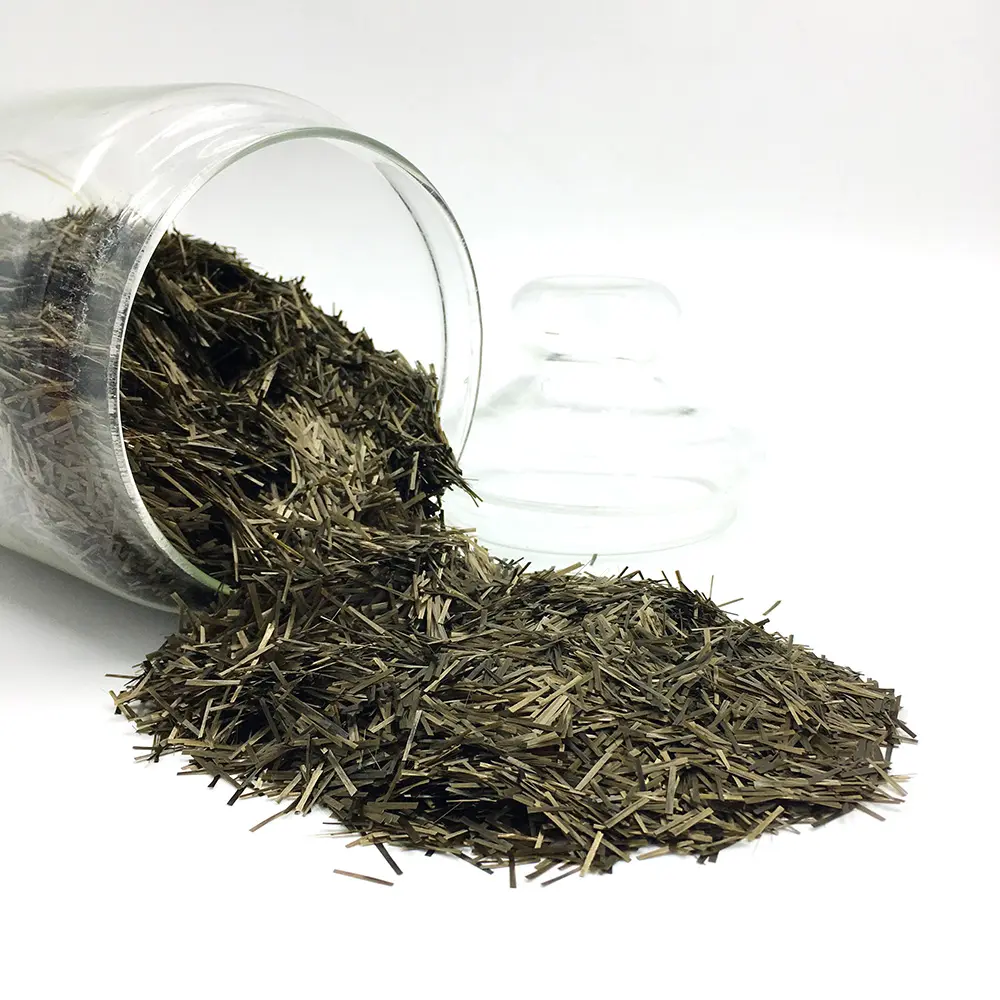
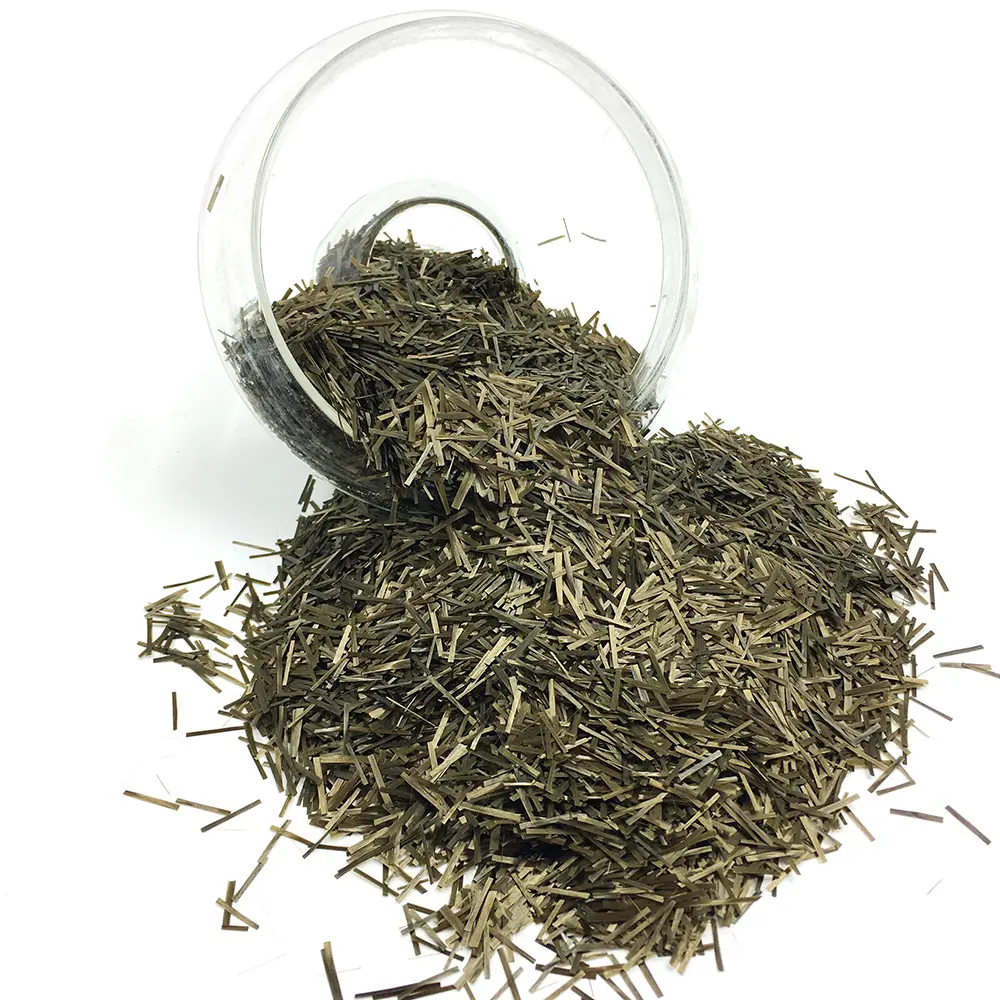
Basalt fibers mixed with cement concrete and mortar have stable volume, good workability, good durability, excellent reinforcing and toughening, anti-seepage and anti-cracking, anti-impact and prolonging the service life of buildings.
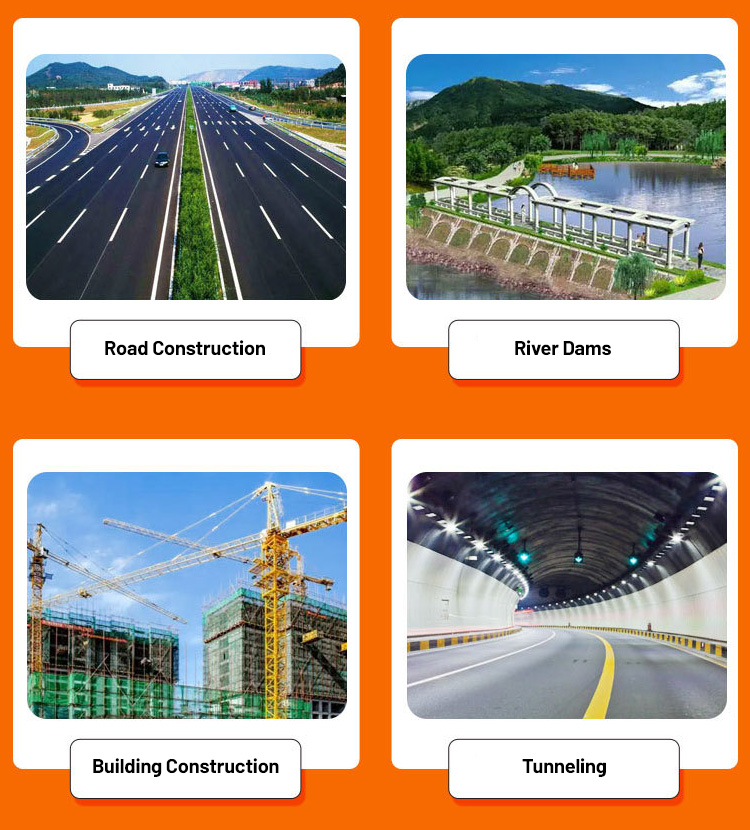
They can be widely used in the field of national defense and transportation engineering infrastructure, petrochemical industry, fire protection, environmental protection, automobile, ship manufacturing and other fields, and can be used in buildings and bridges. Expressways, high-speed railways, urban viaducts, airstrips, harbour terminals, metro tunnels and other construction areas.
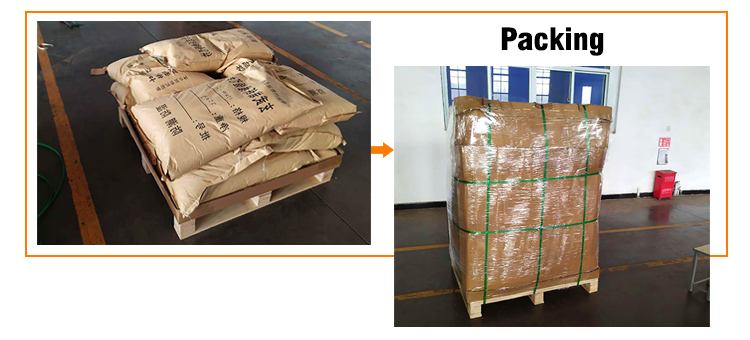
| Length (mm/in) | 950 (37.4) |
| Wide (mm/in) | 950 (37.4) |
| Height (mm/in) | 1000 (39.4) |
| Weight (kg/lb) | 900-1000 (1984-2205) |
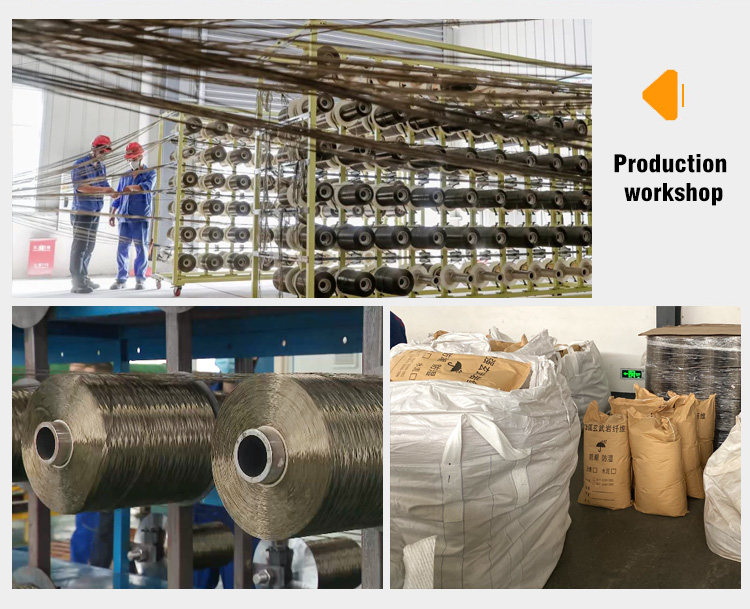
Basalt Fiber offers better chemical resistance, higher strength, and higher modulus compared to traditional E-glass fibers.
Yes, it features excellent high-temperature resistance and good light resistance, making it suitable for demanding thermal applications.
Absolutely. It is compatible with various resins, including unsaturated polyester, vinylester, epoxy, and phenolic resins.
It is widely used in expressways, high-speed railways, bridges, metro tunnels, urban viaducts, and harbour terminals for reinforcement and crack prevention.
Yes, Basalt Fiber is environment-friendly, recyclable, and poses no known health or safety risks during handling and processing.
They should be kept in their original packaging and stored in a cool, dry, and moisture-proof environment to maintain quality.