 Beihai Fiberglass
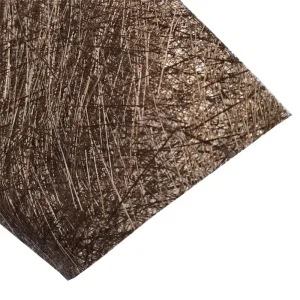
Wholesale Basalt Fiber Chopped Strand Mat Manufacturer, Manufacturers
Designed for premium resin infusion, providing superior isotropic reinforcement in complex structural moldings and industrial laminates in Denmark.
DetailsEngineered to withstand Baltic sea corrosion, extreme heat profiles, and demanding mechanical structural criteria across Danish environments.
Designed for premium resin infusion, providing superior isotropic reinforcement in complex structural moldings and industrial laminates in Denmark.
Details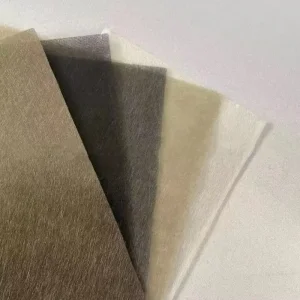
Ensures a smooth, corrosion-resistant, resin-rich outer layer for Danish composite pipes, storage vessels, and advanced aerodynamic fairings.
Details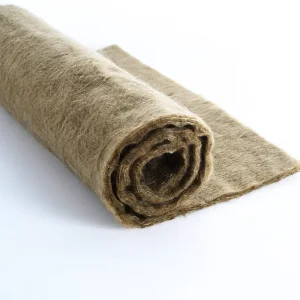
High-density binder-free insulation offering excellent thermal limits up to 820°C for exhaust systems and turbine wraps within Denmark.
Details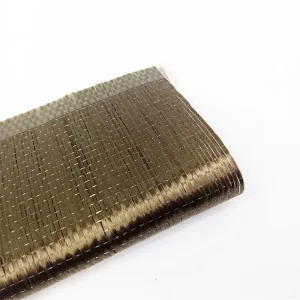
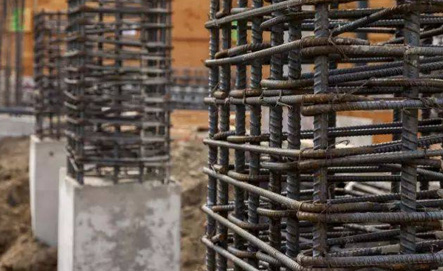
Exhibits high longitudinal tensile properties, perfect for reinforcing aging Danish bridges, seismic columns, and structural concrete beams.
DetailsDenmark is universally recognized as a global leader in the green transition, driven by the ambitious Climate Act to reduce greenhouse gas emissions by 70% by 2030 and achieve climate neutrality by 2050. This green shift is not confined to energy generation alone; it demands a radical overhaul of the raw materials used in Danish heavy industry, marine engineering, construction, and transport sectors.
Traditional composite materials, such as E-glass and carbon fiber, come with significant ecological liabilities. The manufacturing process of carbon fiber is energy-intensive and produces high carbon emissions, while recycling remains a major hurdle. In contrast, basalt fiber fabric is derived from pure, abundant basalt rock through a single-component melting process without synthetic chemical additives, achieving an extremely low carbon footprint.
For Danish marine structures, maritime engineering, and offshore wind giants located along Esbjerg and Odense Ports, the chemical inertness of basalt rock offers unmatched resistance to saltwater, acidic environments, and alkaline attack. This makes continuous basalt fiber fabrics a vital technical solution for next-generation civil engineering projects throughout the Nordic region.
Request Technical Whitepaper
A trusted research-oriented manufacturer of high-tech basalt continuous fibers since 2015, located in the prestigious industrial hub of Jiujiang, Jiangxi Province.
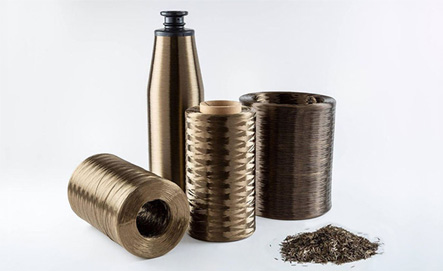
Founded in 2015, China Beihai is a designated national high-tech enterprise focusing on the R&D, advanced manufacturing, and global supply of high-performance continuous basalt fiber products. We are uniquely positioned in the industry because we control the entire supply chain—from high-temperature furnace designs to final woven and needle-punched products.
Our key advantages include:
How Danish engineering enterprises utilize basalt fiber fabrics to tackle core engineering, safety, and circular economy requirements.
Under severe Baltic Sea climatic conditions, glass fiber structures can suffer from moisture ingress and delamination, while carbon fiber presents dynamic galvanic corrosion risks against steel assemblies. Basalt multiaxial fabrics provide high fatigue resistance, exceptional seawater inertness, and a completely non-conductive reinforcing layer for turbine nacelles, fairings, and wave energy converters.
Conforming with Denmark's strict BR18 fire protection codes, basalt fiber woven fabrics serve as the gold standard for high-risk buildings and district heating chambers. Withstanding continuous heat up to 820°C without melting, toxic gas emission, or smoke generation, our fireproof basalt cloths are ideal for fire curtains, expansion joint thermal shields, and insulation linings.
Many of Denmark's bridges and marine piers built in the mid-20th century suffer from salt-induced concrete spalling. Basalt unidirectional wraps are applied with structural epoxy adhesives to provide external reinforcement. This process restores load-bearing capacity without adding unnecessary dead weight, bypassing the need for disruptive, carbon-heavy reconstruction projects.
A rigorous engineering comparison outlining mechanical, thermal, and environmental parameters critical to Danish buyers.
| Property / Characteristic | Continuous Basalt Fiber Fabric | E-Glass Fiber Fabric | Carbon Fiber Fabric (Standard) |
|---|---|---|---|
| Tensile Strength (MPa) | 3,000 - 4,500 | 2,400 - 3,400 | 3,500 - 4,800 |
| Elastic Modulus (GPa) | 85 - 110 | 72 - 76 | 230 - 240 |
| Operating Temp Range (°C) | -260 to +820 °C | -60 to +650 °C | Up to +450 °C (Oxidizes) |
| Resistance to Seawater & Alkalis | Excellent (Highly inert silicate basis) | Moderate (Degrades under alkaline attack) | Excellent |
| Galvanic Corrosion Risk | Zero (Completely dielectric) | Zero | High (Conductive relative to steel/metals) |
| Ecological Footprint (LCA) | Extremely Low (100% natural volcanic stone) | Moderate (Synthetic chemical sizing and glass components) | Very High (Complex energy-intensive synthesis) |
Providing end-to-end composite material supply chain and engineering services for international procurement offices.
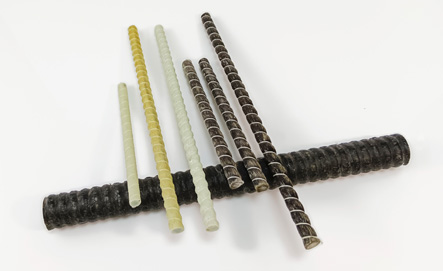
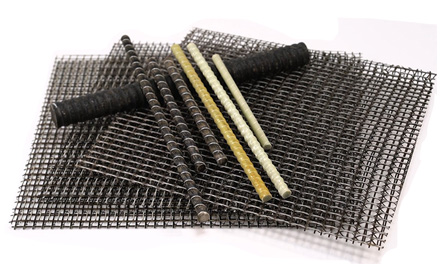
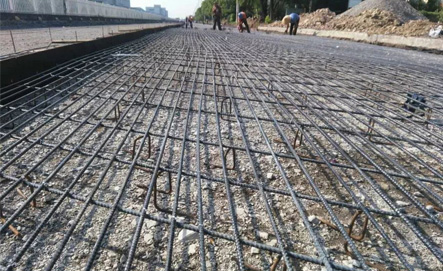
For large-scale infrastructure and industrial applications, off-the-shelf fabrics rarely suffice. China Beihai Group offers fully customized basalt engineering designs, including bespoke fabric configurations (plain, twill, unidirectional, multi-axial, or hybrid weaves with aramid or carbon fibers) to meet specific structural and technical requirements.
Our standard manufacturing processes are optimized to support procurement specialists through:
Complete range of continuous basalt fiber products manufactured under rigorous ISO standards for immediate delivery to Denmark.
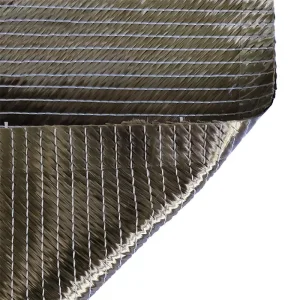
Engineered for superior multi-directional shear resistance, highly sought after by Denmark's marine hull and wind power blade composite designers.
Specifications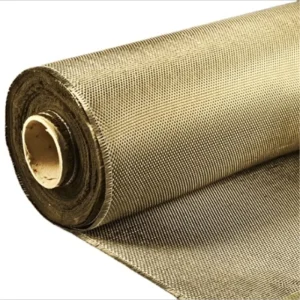
A highly conformable material optimal for complex geometry prepregs, marine repairs, and high-temp automotive protective shielding.
Specifications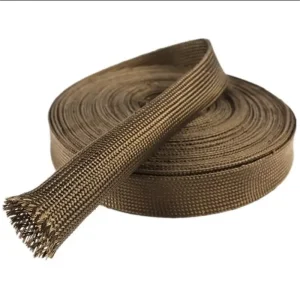
Excellent thermal insulation wraps for district heating lines, industrial manifolds, and electrical conduit insulation in Denmark.
Specifications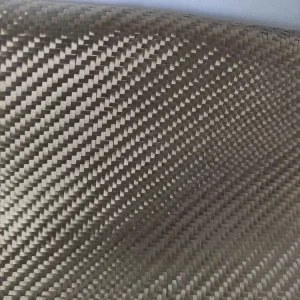
Non-flammable high-density barrier material designed to meet strict Class A1 European fire safety requirements for public spaces.
Specifications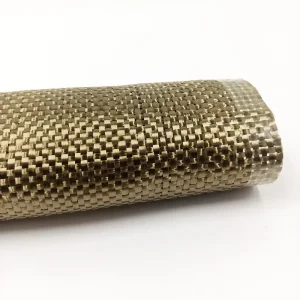
Woven from pristine roving filaments to guarantee reliable impact attenuation, ideal for manufacturing tough sporting goods and safety helmets.
Specifications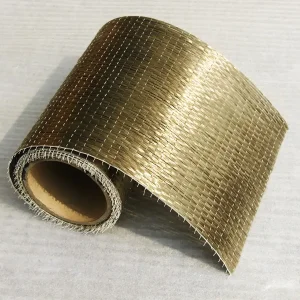
Specifically sized to interface seamlessly with advanced high-temperature thermoplastic matrices and epoxy-based concrete reinforcements.
Specifications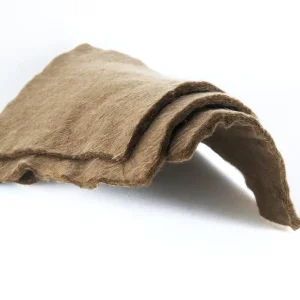
Needle-punched without organic binders to prevent outgassing, ensuring exceptional thermal isolation performance at extreme operating temperatures.
Specifications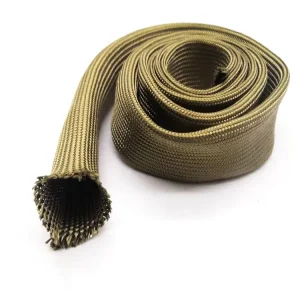
Chemically resistant sleeve design ideal for wrapping pipelines and marine cable systems vulnerable to galvanic corrosion and harsh saltwater.
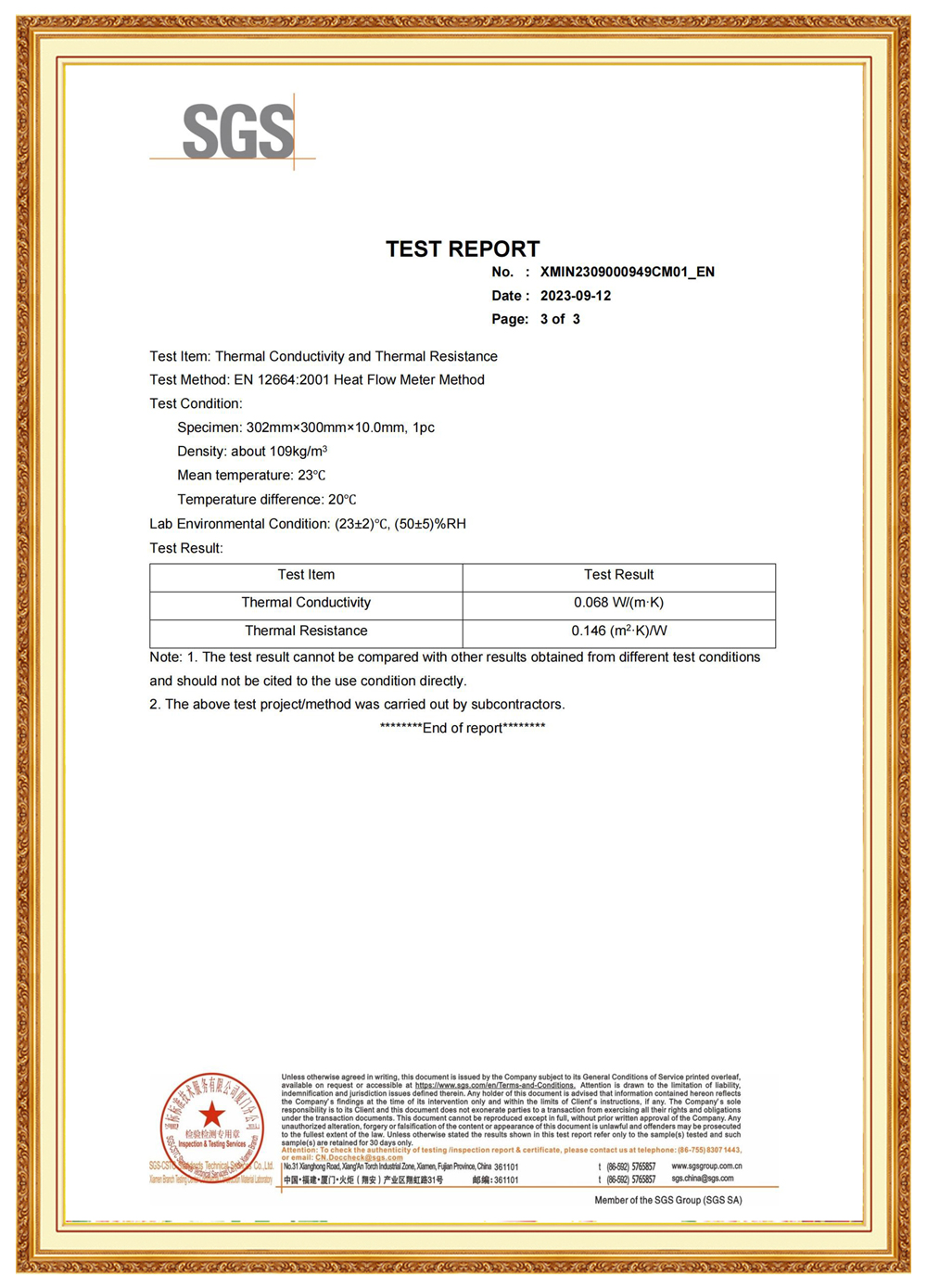
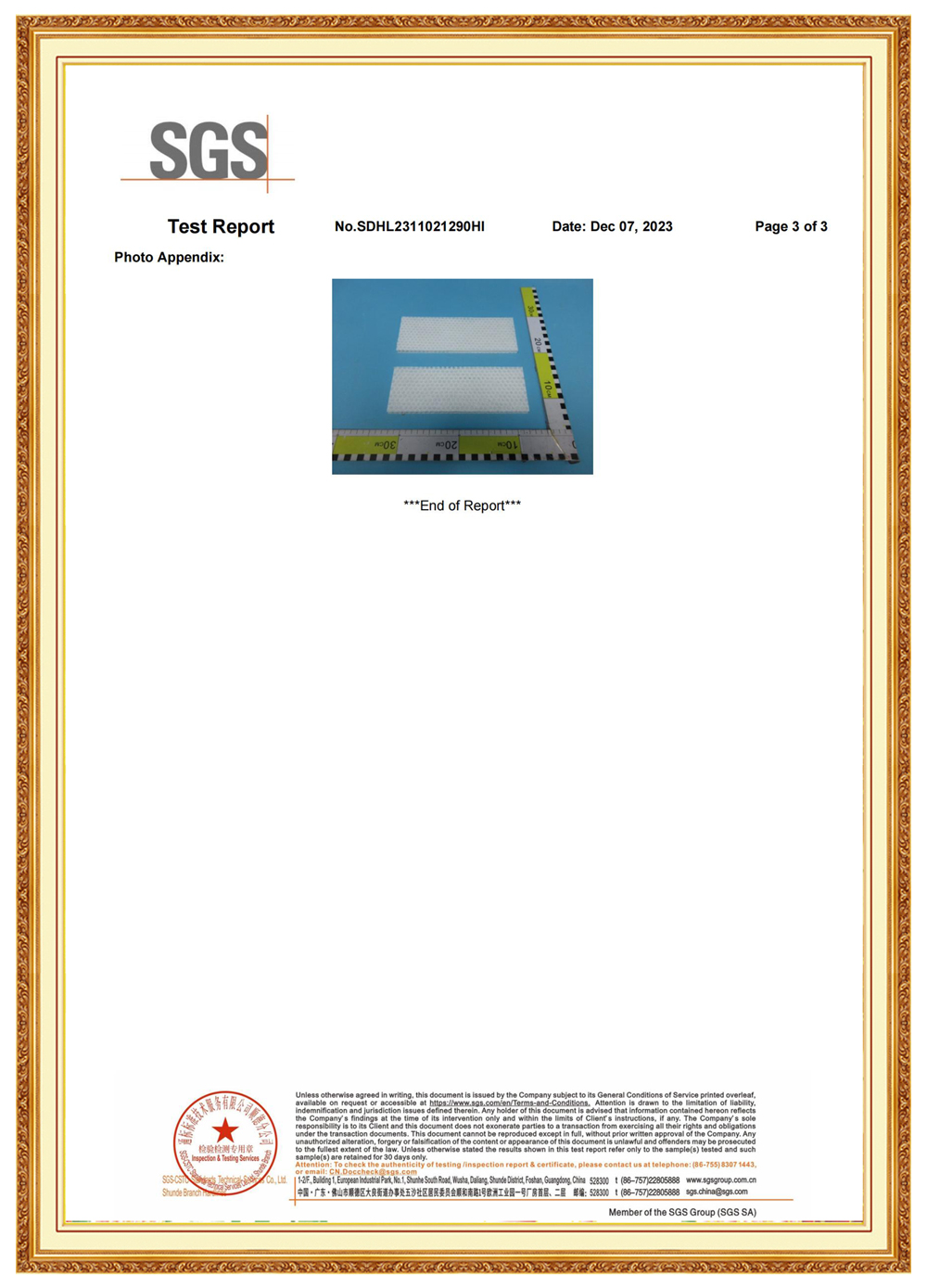
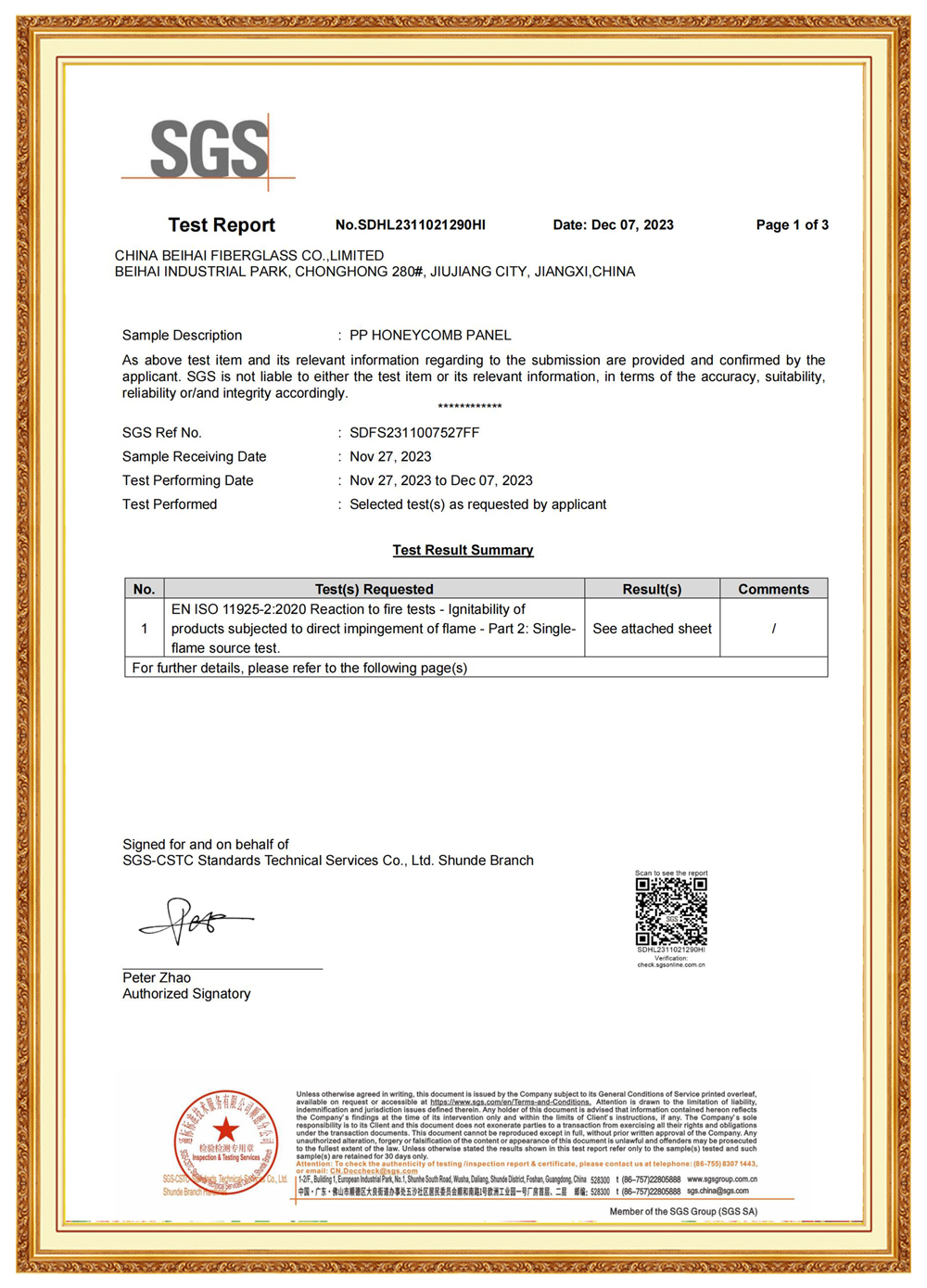
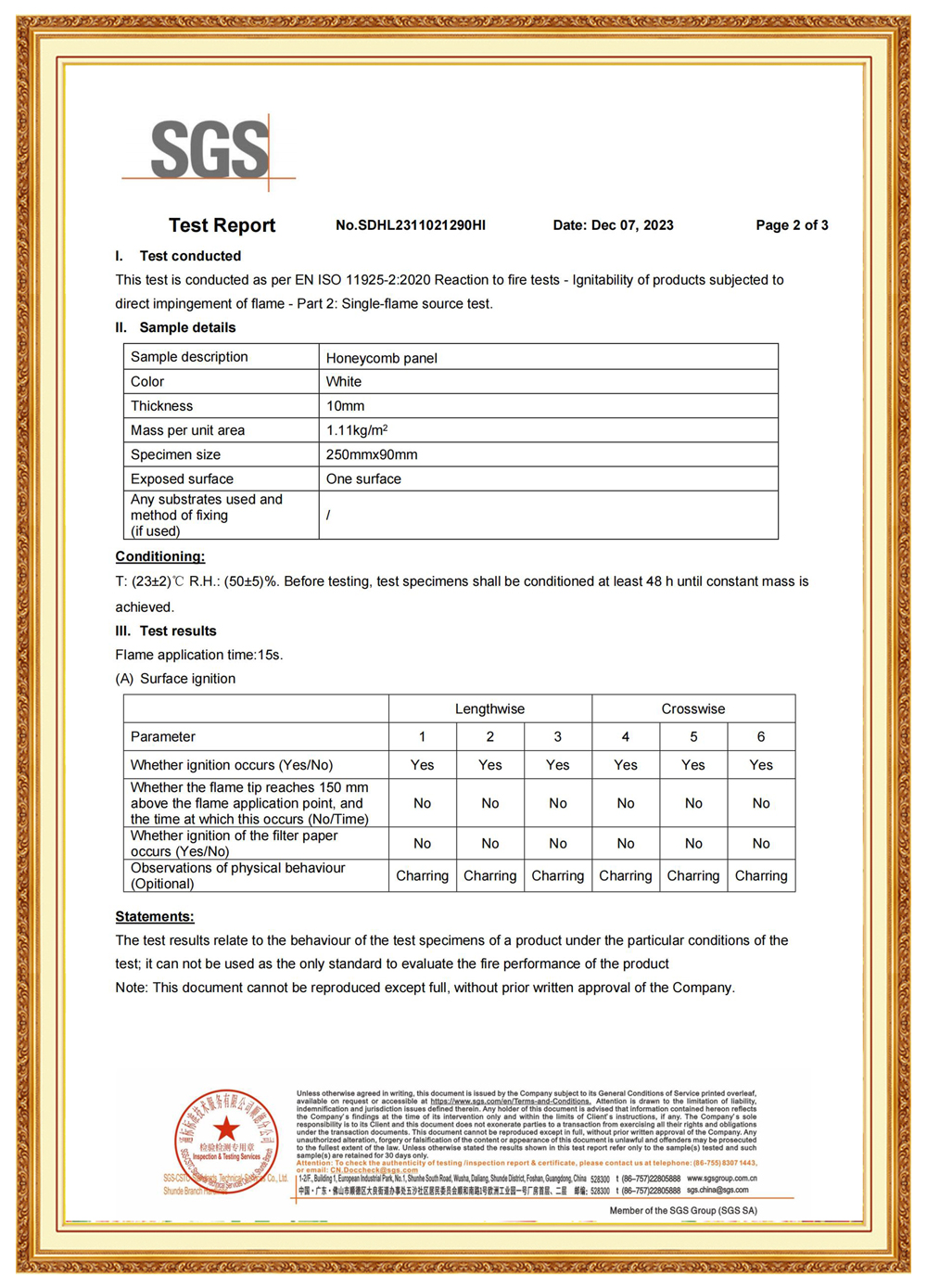
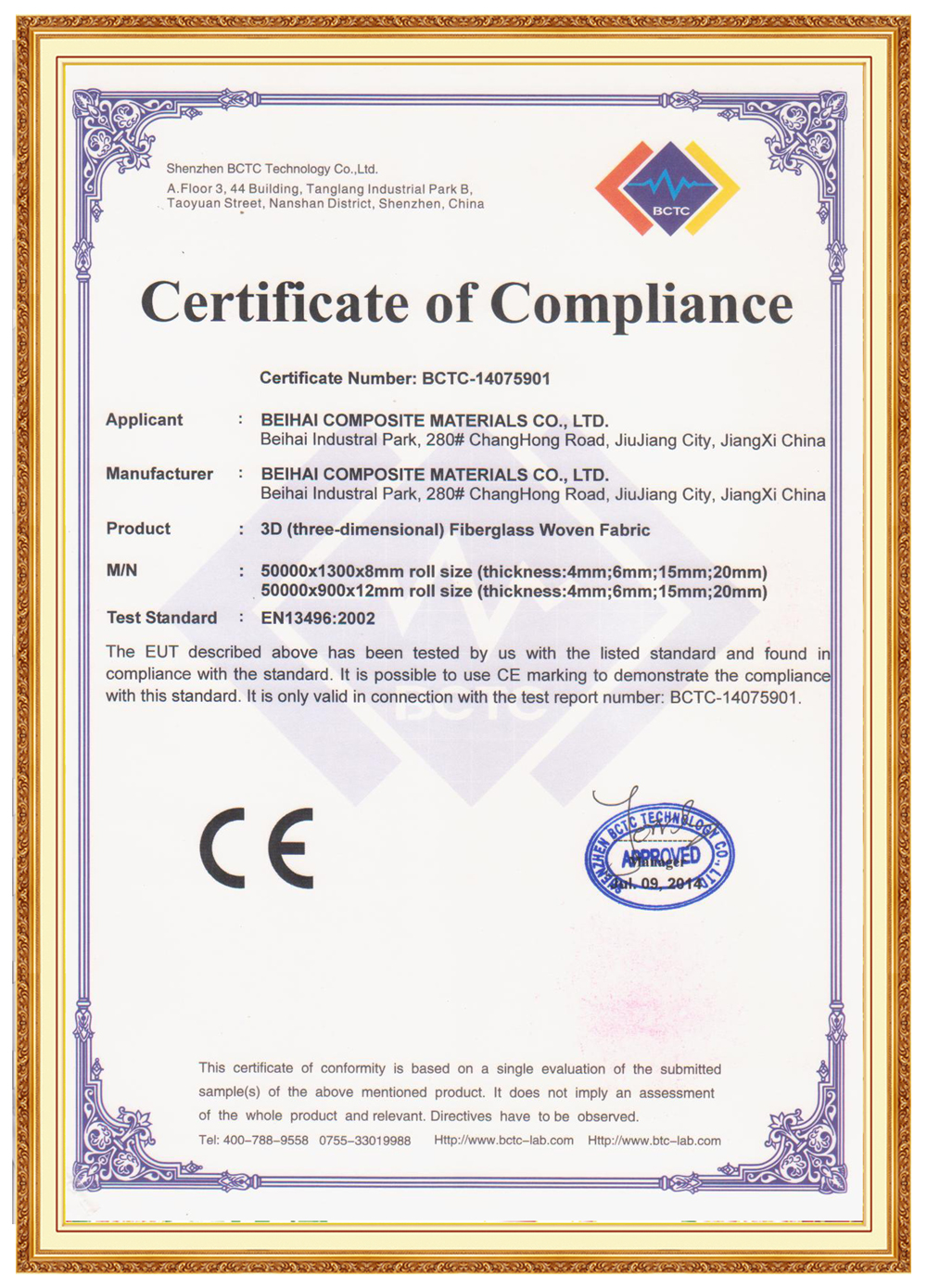
SpecificationsOur production facilities maintain strict adherence to international quality management and material performance validation protocols.
From drones monitoring Nordic forests and offshore wind parks to intelligent marine robots executing subsea inspections with high precision, modern equipment relies on advanced composite structures. Heavy components must be replaced with materials that offer a superior strength-to-weight ratio while resisting environmental degradation.
Continuous basalt fiber is fast becoming a vital material for deep-tech applications. Our research team consistently develops high-performance basalt fiber composites with tailored sizing systems. These innovations are widely applied in the automotive and aerospace industries, providing stable solutions for thermal management systems, impact shields, and chemical containment units.

Expert answers addressing the chemical, structural, and procurement criteria of basalt fiber fabrics for Denmark's industrial sectors.
Unlike glass fiber (especially E-glass), which contains silica networks vulnerable to hydrolytic degradation and salt attack, basalt fiber is produced from volcanic rock (plagioclase, pyroxene, and olivine minerals). This gives it a highly dense silicious network with excellent resistance to saltwater. Basalt fiber retains over 85% of its structural properties in harsh marine environments, compared to less than 50% for standard E-glass over identical exposure periods.
Our basalt products provide a significantly lower carbon footprint (low embodied carbon) because they are manufactured using a clean thermal process without added chemical agents. They are 100% natural, fully recyclable, and contain no hazardous heavy metals, aligning perfectly with Denmark's BR18 building regulations and circular economy goals.
Yes. Combining basalt and carbon fibers creates highly optimized hybrid composites. Basalt adds impact resistance, fracture toughness, and cost efficiency, while carbon fiber delivers high structural stiffness. Furthermore, because basalt is completely non-conductive, it acts as an excellent galvanic isolation layer between carbon and adjacent metal parts.
Our standard manufacturing lead time is 15 to 25 days from our Jiujiang plant. Shipping to Danish ports like Esbjerg, Copenhagen, or Aarhus typically takes 35 to 40 days. Each shipment is protected by heavy-duty moisture barrier wraps and includes a comprehensive factory Certificate of Analysis (COA) detailing areal weight, tensile strength, sizing density, and weave uniformity.