Specifically cataloged and designed for Norwegian maritime infrastructure, offshore installations, and demanding Scandinavian winter climates.
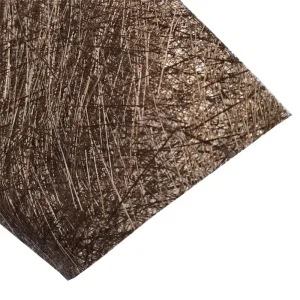
Provides isotropic reinforcement with exceptional chemical stability, ideal for Norwegian wind turbine nacelles and boat deck structures.
View Specifications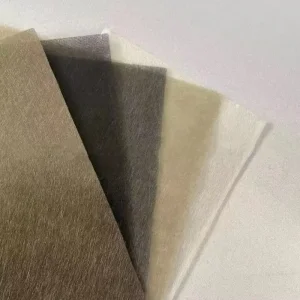
Engineered to deliver smooth, resin-rich, and highly corrosion-resistant surfaces for North Sea subsea pipelines and FRP hulls.
Get Custom Quote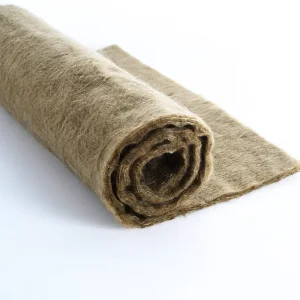
Mechanically bonded pure basalt fibers designed to offer extreme sub-zero thermal insulation and fire safety across Norway.
View Technical Data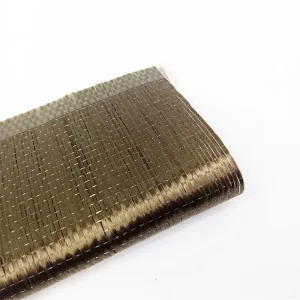
Highly concentrated tensile performance along a single axis, perfect for reinforcement projects on Norwegian coastal bridges and structures.
Request PricelistNorway is a global pioneer in the deployment of sustainable engineering. With extensive coastlines, numerous fjords, offshore oil & gas rigs, and the rapid expansion of floating offshore wind energy (such as the Hywind projects), the need for materials capable of surviving extremely corrosive, cold, saline marine splash zones is critical. Traditional carbon fiber remains prohibitively expensive for large-scale maritime hulls, while E-glass fiber degrades rapidly in salt spray. Continuous Basalt Fiber (CBF) represents a breakthrough structural middle-ground.
Global demand for basalt fiber is expanding at a CAGR of 11.4%. The primary drives behind this acceleration are carbon-neutral initiatives and strict material cycle declarations (such as the EU's Circular Economy Action Plan). Since basalt fiber is manufactured 100% from natural volcanic rock without chemical additives during the melting phase, it features a carbon footprint up to 80% lower than carbon fiber and 40% lower than typical fiberglass production, positioning it as the ultimate green alternative.
Founded in 2015 and located in the industrial epicenter of Jiujiang, Jiangxi, China Beihai is a designated high-tech national enterprise. We have pioneered continuous single-component melt extrusion technology to manufacture high-purity basalt fibers. Equipped with state-of-the-art platinum-rhodium alloy bushing ovens, we maintain strict thermal controls at 1450°C to guarantee consistent molecular dispersion, yielding high-tensile basalt rebars, roving, mats, and woven textiles tailored for elite European projects.
Comprehensive analysis showing structural superiority across marine and sub-zero deployment zones in Northern Europe.
| Physical Property | Continuous Basalt Fiber (CBF) | E-Glass Fiber | Carbon Fiber (Standard) |
|---|---|---|---|
| Tensile Strength (MPa) | 3000 - 4800 | 1500 - 2500 | 3500 - 6000 |
| Elastic Modulus (GPa) | 89 - 110 | 69 - 76 | 230 - 600 |
| Operating Temperature Range (°C) | -260 to +700 | -50 to +380 | -50 to +500 |
| Corrosion Resistance in Saltwater | Outstanding (No Degradation) | Moderate (Prone to Acid Attack) | Excellent (Electrolytic Hazard with Steel) |
| Carbon Footprint & Eco-Rating | Eco-Neutral (100% Volcanic) | Low/Medium (Chemical Melt) | High (Petrochemical Intensive) |
In Norway's northern territories, temperatures routinely drop below -30°C. Standard composites experience brittle transitions under cold temperatures, leading to localized shear delamination. However, continuous basalt fibers preserve structural ductility down to -260°C. This makes our fabrics highly stable and crack-resistant under extreme weather conditions.
Moisture absorption leads to catastrophic mechanical breakdown in standard glass fibers. Basalt fiber contains a naturally high concentration of iron and silicate compounds. This unique chemistry prevents hydrolytic attacks along the fiber surface, maintaining its physical strength over decades in subsea and splash-zone installations.
Basalt is inherently non-conductive, making it perfect for Norwegian infrastructure upgrades (such as railway tunnels, high-speed rail lines, and EV charging platforms). Unlike steel or carbon fiber, it does not conduct electromagnetic currents or rust when exposed to stray currents, minimizing maintenance overheads.
Unlocking maximum performance across Norway's core marine, arctic, civil engineering, and environmental preservation sectors.
Used to construct ultra-durable wind turbine components, including floating hulls and lightweight structural panels, offering resistance to seawater fatigue in deep North Sea operations.
Protects concrete columns against corrosion caused by high salt concentration and ice scour, extending the operational life of vital coastal transportation links.
Ensures robust heat shielding and structural integrity in subsea tunnels (such as Rogfast), meeting strict EU and Norwegian fire safety regulations.
Our comprehensive production catalog is optimized for mechanical stability, structural reinforcements, and reliable chemical barrier performance.
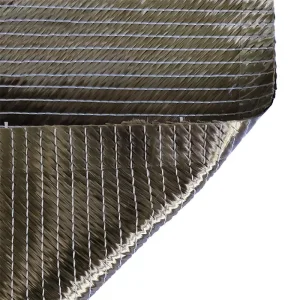
Delivers multi-directional load sharing, optimized for high-shear marine and aerospace panel applications in Oslo.
Request Details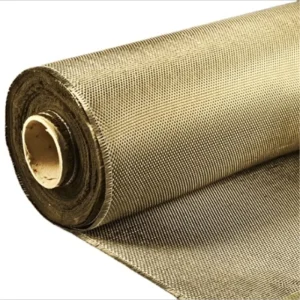
Highly drapeable cloth designed for complex composite geometries, vacuum infusions, and architectural overlays.
Request Samples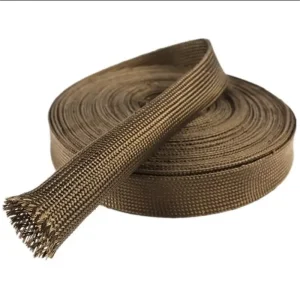
Flexible tubular shielding designed to insulate subsea hydraulic systems and high-pressure steam conduits.
Explore Options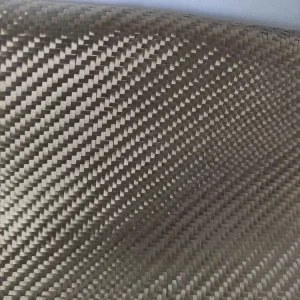
Withstands flame exposure up to 700°C without producing toxic fumes, perfect for heavy industrial insulation.
Get Fire Ratings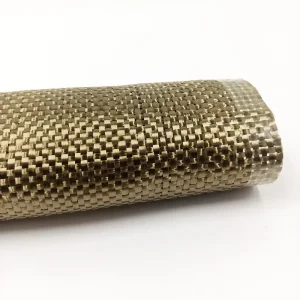
Delivers excellent impact resistance and tensile stiffness for structural reinforcements and armor layers.
Request Catalog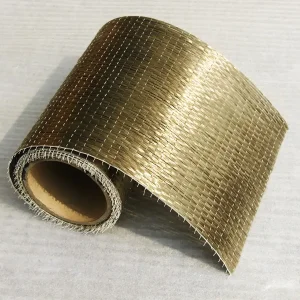
Engineered for high-strength retrofits, strengthening aging steel structures and concrete under extreme loads.
Learn More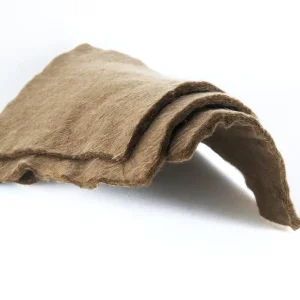
Engineered to prevent heat dissipation in offshore pipelines and high-temperature processing chambers.
Request Datasheet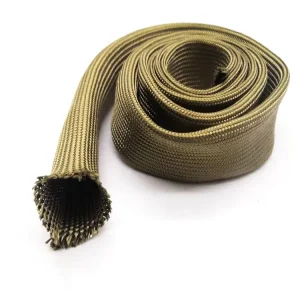
Custom-fabricated wrapping designed to isolate marine plumbing from corrosive saltwater intrusion.
Request QuoteGet in touch with China Beihai's technical support team today. We provide professional assistance, custom material recommendations, design drawings, and quick pricing estimates.
 Beihai Fiberglass