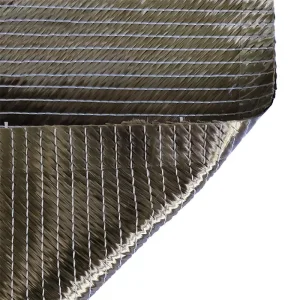
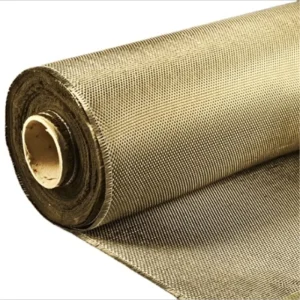
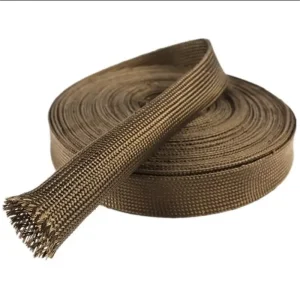
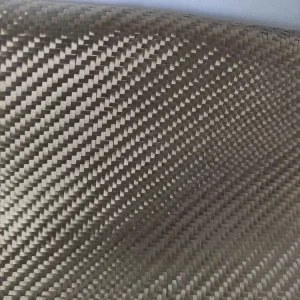
Empowering Munich’s Automotive, Aerospace, and Sustainable Construction Industries with High-Performance Volcanic Rock Technology from China Beihai.
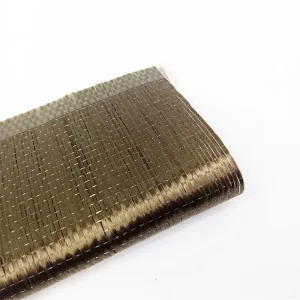
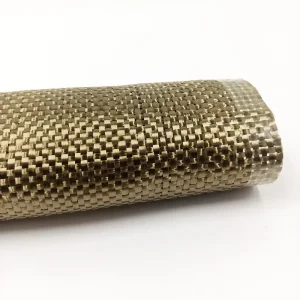
Munich, the heart of Bavaria’s "Isar Valley," is globally recognized as a pinnacle of engineering excellence. With giants like BMW, Siemens, and MTU Aero Engines headquartered here, the demand for materials that offer high thermal stability, chemical resistance, and extreme lightweighting is at an all-time high. Basalt Fiber Fabric, derived from volcanic rock, has emerged as the "green alternative" to carbon fiber and glass fiber in the Munich industrial landscape.
As Germany pushes toward Industrie 4.0 and carbon neutrality, basalt fiber provides a unique Information Gain: it is 100% natural, recyclable, and possesses a melting point of up to 1450°C. In Munich’s cutting-edge automotive EV battery enclosures and high-speed rail components, basalt fiber cloth is no longer just an alternative—it is the standard for safety and durability.
Munich's stringent environmental regulations favor basalt's low-carbon production footprint compared to carbon fiber.
High tensile strength (up to 4800 MPa) makes it ideal for Munich’s premium vehicle reinforcement.
Founded in 2015 and based in Jiujiang, Jiangxi Province, China Beihai has established itself as a global leader in high-performance basalt continuous fiber. Our facility integrates R&D, advanced melting technology, and automated weaving to produce fabrics that meet German DIN standards.
For Munich's procurement officers, China Beihai offers the perfect balance of cost-efficiency and uncompromising quality, backed by ISO certifications and a decade of specialized expertise.
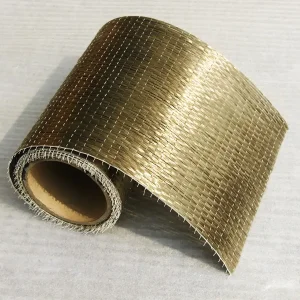
Munich’s historic restoration and modern "Passivhaus" constructions utilize Basalt Fiber Rebar and Basalt Mesh. Unlike steel, basalt does not rust, making it perfect for the humid Bavarian climate and urban infrastructure longevity.
In the aviation corridor near Oberpfaffenhofen, basalt fabric is used for secondary aircraft structures. Its non-conductive nature and RF transparency are critical for Munich's drone and satellite manufacturing sectors.
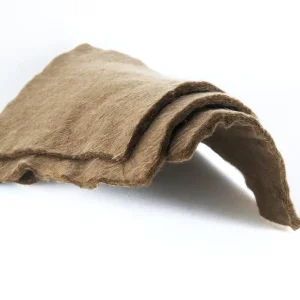
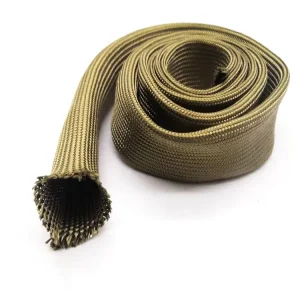
As Munich transitions to electric mobility, Basalt Fiber Fireproof Fabric serves as the ultimate barrier in battery housing, preventing thermal runaway and providing lightweight fire protection.
For research vessels and luxury yachting components, the chemical stability of basalt fiber provides superior resistance to saline corrosion and alkaline environments.
| Property | Basalt Fiber (China Beihai) | E-Glass Fiber | Carbon Fiber |
|---|---|---|---|
| Density (g/cm³) | 2.65 - 2.80 | 2.55 - 2.60 | 1.75 - 1.90 |
| Tensile Strength (MPa) | 3000 - 4800 | 2400 - 3400 | 3500 - 6000 |
| Max Temp (°C) | 700 (Stable) / 1450 (Melt) | 380 (Stable) | 500 (Oxidizes) |
| Eco-Sustainability | Excellent (Natural Rock) | Moderate | Low (Energy Intensive) |
For international corporations and Munich-based SMEs, procurement of basalt materials requires a strategic partner. China Beihai simplifies the global supply chain by offering:
Eliminate middlemen costs. We ship directly from Jiujiang to the Port of Hamburg or via the China-Europe Railway Express directly to Munich terminals.
We provide full material data sheets (MDS), REACH, and RoHS certifications required for the German market.
With optimized inventory management, we ensure that Munich's manufacturing lines never face downtime.
Choosing Basalt Fiber Fabric from China Beihai is a decision to invest in the future of sustainable engineering. Whether you are a lead engineer at an Automobile manufacturer in Munich or a procurement manager for a Bavarian construction firm, our basalt products offer the E-E-A-T backed reliability your projects demand.
With high temperature resistance, alkali immunity, and eco-friendly origins, basalt fiber represents the next leap in composite technology. Contact us today to receive our full technical white paper and product pricelist tailored for the Munich industrial market.
 Beihai Fiberglass