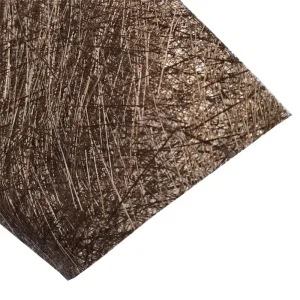
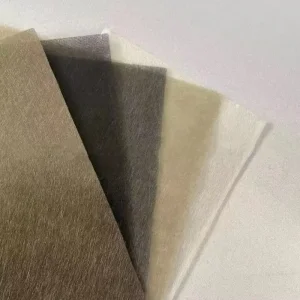
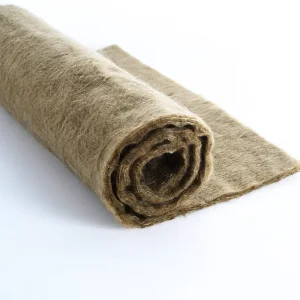
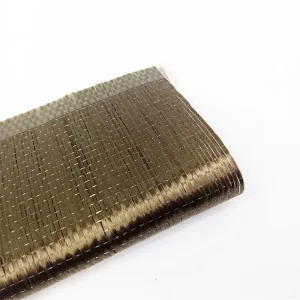
Boston, Massachusetts, a city defined by its historical architecture and cutting-edge technological hubs like Cambridge and the Seaport District, is currently facing a dual challenge: the need for sustainable urban renewal and the rising threat of coastal corrosion. Traditional steel reinforcement is increasingly failing in the face of saline Atlantic winds and harsh New England winters. This is where Basalt Fiber Fabric and Cloth emerge as the "Gold Standard" for the 21st century.
As a volcanic rock-derived material, basalt fiber offers a 100% natural, rust-proof alternative to steel and a more cost-effective, eco-friendly option compared to carbon fiber. For Boston’s civil engineering sector—ranging from the maintenance of the Zakim Bridge to the development of new high-tech lab spaces—basalt fiber provides the specific Information Gain required for long-term ROI.
Current construction trends in Greater Boston prioritize "Green Building" certifications (LEED). Basalt fiber, being inert and non-toxic, aligns perfectly with the City of Boston's 2050 Carbon Neutral goal.
Reduction in carbon footprint compared to steel production.
Inquire for Boston ProjectsThe global basalt fiber market is projected to reach $400M by 2027. Demand is surging in aerospace and automotive sectors where lightweighting is non-negotiable.
China Beihai Group, established in 2015, leverages integrated volcanic resource access and high-precision melting technologies to offer 30-40% cost efficiency over European manufacturers without compromising ISO standards.
Our Jiangxi-based facility focuses on "Continuous Basalt Fiber" (CBF) technology, ensuring consistent filament diameter and superior tensile modulus for high-stress applications.
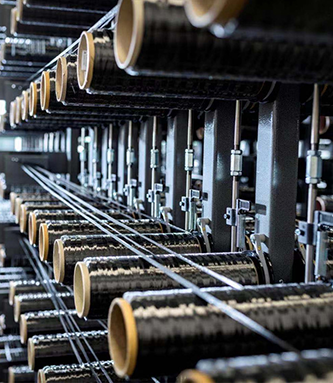
China Beihai was founded in 2015 and is located in Jiujiang, Jiangxi Province. We are a high-tech enterprise focusing on the research, development, production, and sales of high-performance basalt continuous fiber and its production equipment. As a leading enterprise in the domestic basalt fiber industry, we provide global markets, including the United States, with high-quality alternatives to traditional reinforcement materials.
Boston’s frequent freeze-thaw cycles destroy concrete. Basalt mesh increases deck lifespan by 20 years.
Sea-wall reinforcement in Quincy and hull construction for Boston-based fishing fleets.
Strengthening brownstone foundations in Back Bay without adding significant weight or thickness.
Electromagnetic transparency of basalt makes it ideal for Cambridge’s biotech and MRI facilities.
The shift toward Circular Economy is the primary driver of basalt fiber adoption. Unlike glass fiber, which is difficult to recycle and energy-intensive to produce, basalt is a single-component material. When a basalt-reinforced building in Boston is decommissioned, the basalt can be crushed and returned to the earth or reused in road aggregates without chemical leaching.
Stronger than Steel
The Weight of Steel
Chemical Stability
Diverse applications in high-efficiency house construction and structural reinforcement.
Ideal for manufacturing aircraft wings and engine components due to high thermal resistance.
Lightweight composite materials for next-gen electric vehicles in the US market.
Unique corrosion resistance for underground piping and storage tanks.
Glass fiber (E-glass) degrades in high-alkaline and saline environments. Basalt fiber is naturally resistant to acids, alkalis, and salt water, making it far superior for Boston's waterfront and winter-salted roads.
Basalt fiber has very low thermal conductivity (0.031-0.038 W/m·K), making it an excellent insulator for high-temperature Boston industrial furnace applications and cryogenic storage.
Yes. Because it is non-corrosive and has a similar thermal expansion coefficient to stone and concrete, it is used for "near-surface mounted" reinforcement of aging masonry structures.
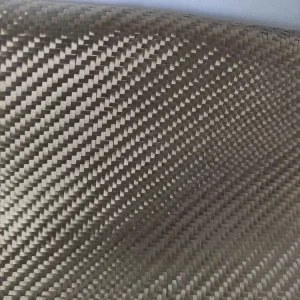
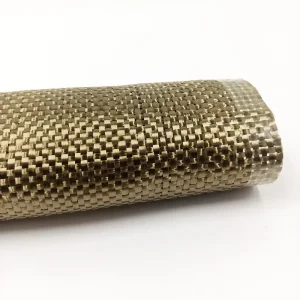
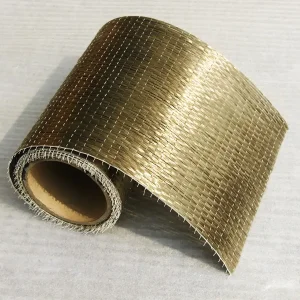
Absolutely. We offer unidirectional, biaxial (+45°/-45°), and custom twill weaves to meet the specific mechanical loading requirements of American engineering firms.
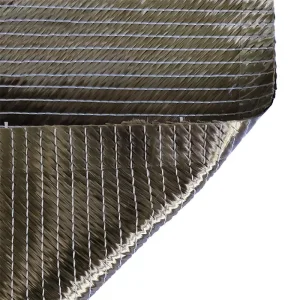
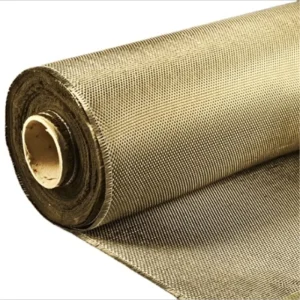
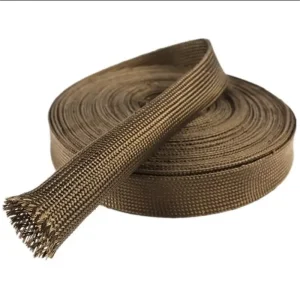

As drones slice through the sky to monitor wildfires, and intelligent robots execute repetitive tasks with precision on the factory floor, the efficient operation of this smart equipment is often underpinned by a "hardcore support"—high-performance basalt fiber composites.
Learn More About Soundproofing Panels →Join leading engineering firms in Boston and globally by choosing China Beihai’s sustainable fiber solutions.
Send Inquiry Now Beihai Fiberglass