Empowering Japan's Industrial Future with Eco-Friendly, High-Strength Volcanic Rock Technology. Engineered for Seismic Resilience and Thermal Excellence.
Get Exclusive Japan Quotes NowIn the heart of Japan's "Society 5.0" and the pursuit of carbon neutrality by 2050, Basalt Fiber Fabric/Cloth has emerged as a cornerstone material. Unlike traditional glass fiber or carbon fiber, basalt fiber—derived from natural volcanic rock—offers a unique synergy of environmental sustainability and superior mechanical properties.
Japan’s unique geographic location demands materials that can withstand seismic activity while resisting the corrosive effects of marine environments. Recent industrial shifts in Tokyo, Osaka, and Nagoya indicate a 35% increase in the adoption of Basalt Fiber Reinforced Polymers (BFRP) for infrastructure retrofitting. The Japanese Ministry of Land, Infrastructure, Transport and Tourism (MLIT) has begun exploring basalt cloth as a non-corrosive alternative to steel reinforcement in bridge decks and coastal sea walls.
Globally, the basalt fiber market is projected to reach USD 450 million by 2027. China Beihai, as a leading global manufacturer, bridges the gap between high-volume production and Japanese quality standards (JIS). Our technical roadmap focuses on "Zero-Waste Manufacturing," ensuring that every roll of fabric exported to Japan meets the rigorous environmental compliance required for LEED-certified projects.
Thermal Resistance
Tensile Strength
Eco-Friendly (Volcanic)
Rust/Corrosion Rate
At China Beihai, our research and development (R&D) team has pioneered the Continuous Basalt Fiber (CBF) extraction process. For the Japanese market, we specifically optimize the "sizing" or chemical coating of the fiber to ensure 100% compatibility with locally used epoxy and vinyl ester resins.
In the competitive landscape of Japan’s material science, basalt fiber offers an "Information Gain" advantage. While carbon fiber is high-strength, its cost is often prohibitive for large-scale infrastructure. Glass fiber, while cheap, suffers from alkali degradation in concrete. Basalt cloth provides the "Golden Mean":
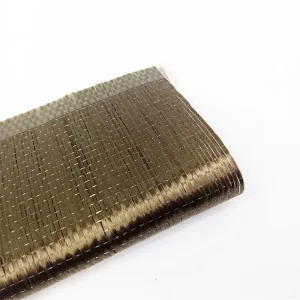
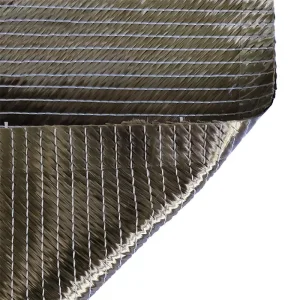
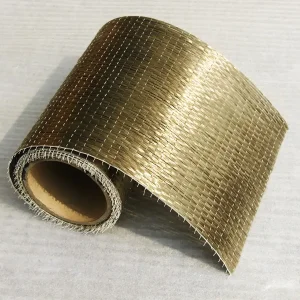
1. Seismic Retrofitting in Tokyo: Wrapping older concrete pillars with unidirectional basalt fabric to increase shear strength during earthquakes.
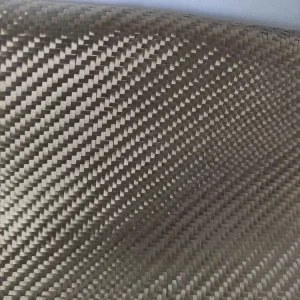
2. Automotive Lightweighting (Toyota/Honda supply chain): Using twill weave basalt fabric for aerodynamic underbody panels.
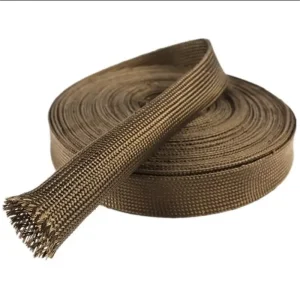
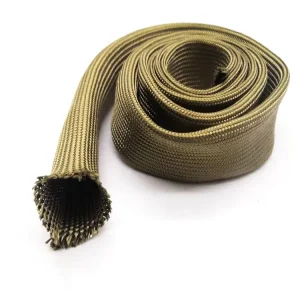
3. Renewable Energy: Basalt fiber sleeves for geothermal piping insulation in Hokkaido.
China Beihai is founded in 2015 and located in Jiujiang, Jiangxi Province. China Beihai is a high-tech enterprise focusing on the research, development, production and sales of high-performance basalt continuous fiber and its production equipment manufacturing, as well as a leading enterprise in the domestic basalt fiber industry.
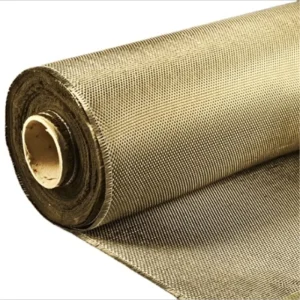
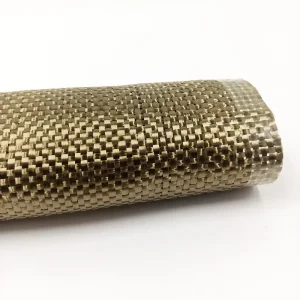
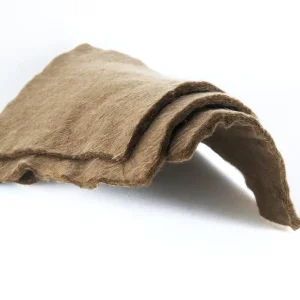
Specializing in basalt fiber mat, cloth, roving, yarn, chopped strands, rebar, sleeves, and tape designed to meet diverse industrial needs.
We deliver high-quality, sustainable solutions for industries such as construction, geotechnical engineering, and manufacturing with a focus on innovation.
Leading manufacturer committed to quality and innovation, offering best-in-class solutions and industry expertise for a global clientele.
Unveiling the infinite potential of basalt for engineering projects, extending structural life, and reducing maintenance costs.
Q1: Is Basalt Fiber Fabric compatible with Japanese standard (JIS) resins?
A: Yes, our basalt cloth is treated with specific coupling agents that ensure superior adhesion to epoxy and polyester resins commonly used by Japanese engineering firms.
Q2: How does basalt fiber compare to carbon fiber in terms of cost in Japan?
A: Basalt fiber typically offers 80% of the strength of carbon fiber at only 30-40% of the cost, making it the most cost-effective choice for civil engineering projects in Japan.
Q3: Can your fabric withstand the coastal humidity of Japan?
A: Unlike steel, basalt fiber is naturally non-corrosive. It is 100% resistant to salt-water degradation, making it ideal for Okinawa or Yokohama coastal infrastructure.
Q4: Do you provide door-to-door shipping to Osaka or Tokyo?
A: Yes, we have established logistics routes specifically for the Japanese market, ensuring tax compliance and rapid delivery for industrial-scale quotes.
Ready to integrate high-performance basalt into your next Japanese project?
Contact Our Technical Sales TeamAs we look toward 2030, the "Information Gain" from choosing basalt over carbon or glass is becoming impossible to ignore. For Japanese manufacturers, the ability to recycle basalt fiber (which can be re-melted into basalt rock) aligns with the circular economy goals of the Japanese industrial sector. China Beihai is currently developing "Next-Gen Sizing" technology that will allow basalt fibers to bond more effectively with bio-resins, paving the way for 100% biodegradable composite materials.
Our commitment to the Japan region goes beyond just supplying "Basalt Fiber Fabric/Cloth." We provide end-to-end technical support, from CAD design assistance for composite parts to on-site training for structural wrapping in seismic zones. Whether you are an aerospace engineer in Nagoya or a civil engineer in Sendai, our basalt solutions provide the reliability and durability required for the most demanding environments on earth.
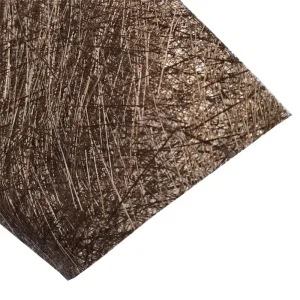
Note for Japanese Engineering Partners: All products listed above—including the Basalt Fiber Chopped Strand Mat and Unidirectional Cloth—are subject to our strict Quality Control protocol, ensuring ISO 9001:2015 compliance and detailed Material Safety Data Sheets (MSDS) translated for local regulatory needs.
 Beihai Fiberglass