Engineered to withstand volcanic heat, extreme saline corrosion, and demanding industrial conditions
Founded in 2015 and located in Jiujiang, Jiangxi Province, China Beihai is a state-of-the-art enterprise specializing in the research, development, manufacturing, and distribution of premium basalt continuous fibers. Backed by industry-leading melting furnace technologies, we control the entire lifecycle of basalt processing, delivering high-performance composites to partners globally.
Eritrea's aggressive structural needs—ranging from marine reinforcement at the ports of Massawa and Assab, to chemical pipeline protections and high-temperature thermal barriers in mining sites—require structural materials with unmatched stability. China Beihai’s basalt offerings are uniquely qualified, demonstrating complete inertness to chemical degradation, superior thermal boundaries, and structural strength properties that significantly outperform typical glass fiber structures.
Request Technical Datasheet
Unlocking value through vertical integration, engineering excellence, and specialized global distribution

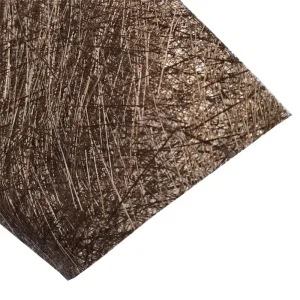
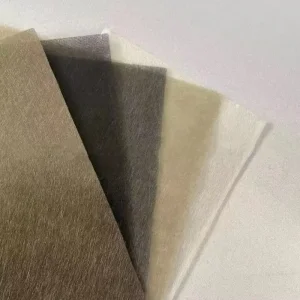
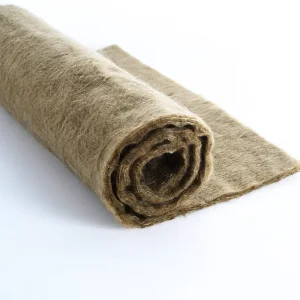
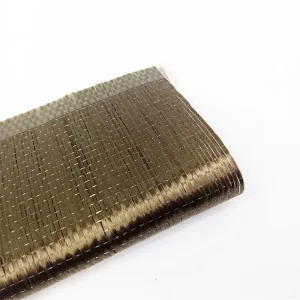
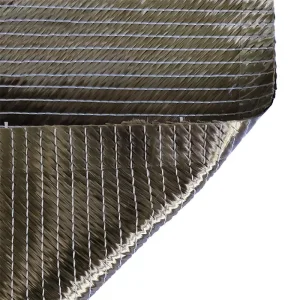
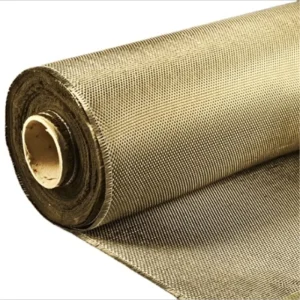
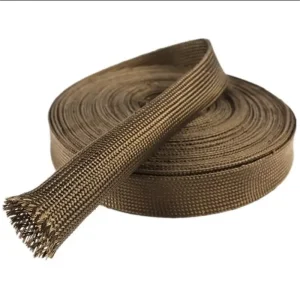
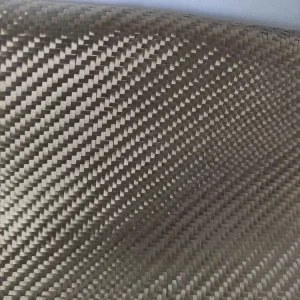
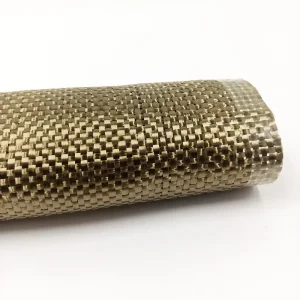
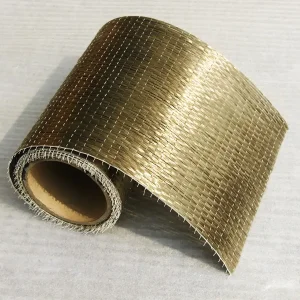
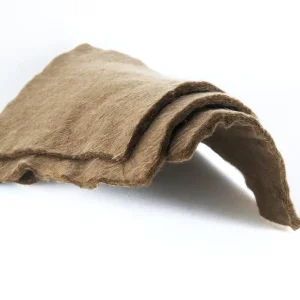
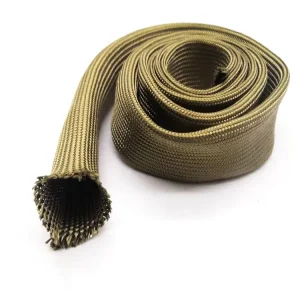
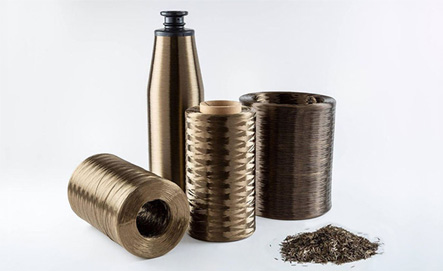
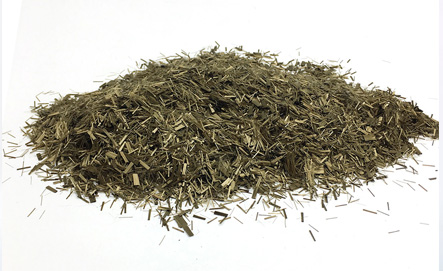
At China Beihai group, we specialize in the production of a wide range of products including basalt fiber mat (Basalt fiber chopped strand mat, Basalt fiber cloth), basalt fiber roving, basalt fiber yarn, basalt fiber chopped strands, and basalt fiber products (Basalt Fiber rebar, basalt fiber sleeves and tape). Our products are designed to meet the diverse needs of various industries, providing high-quality solutions for our customers.

At China Beihai group, we are dedicated to the production of a wide array of basalt-based products, ranging from basalt fiber mat, fabric, and roving to chopped strand and specialized construction materials. Our focus is on delivering high-quality, sustainable solutions for industries such as construction, geotechnical engineering, and manufacturing. With a commitment to innovation and excellence, we strive to cater to the unique requirements of our clients by offering a comprehensive selection of basalt-derived products.

Choosing to work with China Beihai means working with a leading manufacturer of basalt products. Our commitment to quality, innovation and sustainability sets us apart, ensuring our customers receive best-in-class solutions for their diverse needs. Reliability and customer satisfaction, we offer a wide range of high-quality basalt materials and construction products, backed by our dedication to excellence and industry expertise. When you partner with China Beihai, you can trust that you are working with a reliable and forward-thinking partner. A thought supplier for all your basalt product needs.
Addressing localized engineering trials in East Africa's critical sectors
Eritrea's distinct geographical positioning along the East African Rift System, combined with its long coastline along the Red Sea, subjects local infrastructure to unique environmental challenges. Traditional construction materials like structural steel and standard E-glass are highly vulnerable to degradation in these environments.
1. Marine & Port Logistics Infrastructure (Massawa and Assab): High saline concentration, coastal humidity, and extreme heat accelerate chloride-induced corrosion in reinforced concrete docks, seawalls, and port warehouses. Basalt fiber products, including basalt rebar and woven fabric, are completely rust-proof and chemically inert, making them the ideal reinforcement agent for maritime civil construction.
2. Geothermal Energy & High-Temperature Environments: With volcanic fields like Dubbi and Alid, Eritrea is positioned to exploit geothermal energy. Pipelines, turbine components, and isolation valves require thermal barriers that can survive continuous exposure to temperatures exceeding 600°C. Basalt needled mats and tapes provide sustainable insulation, remaining stable up to 700°C.
3. Mining & Structural Stabilization (Bisha & Colluli Sites): Gold, copper, and potash mining projects require high-strength, acid-resistant rock-support meshes. Woven basalt fiber fabrics and high-tensile unidirectional sheets deliver superior structural reinforcement in underground shafts where acidic water runoffs would rapidly compromise carbon steel alternatives.
| Material Parameter | Continuous Basalt Fiber (CBF) | Standard E-Glass Fiber | Structural Steel (Rebar Grade) |
|---|---|---|---|
| Density (g/cm³) | 2.63 - 2.80 | 2.54 - 2.60 | 7.85 |
| Tensile Strength (MPa) | 3,000 - 4,800 | 1,500 - 2,500 | 400 - 600 |
| Elastic Modulus (GPa) | 89 - 110 | 72 - 76 | 200 - 210 |
| Service Temp. Limits (°C) | -260 to +700°C | -60 to +380°C | Up to +500°C (Mechanical drop-off) |
| Corrosion Resistance | Excellent (Acids, Alkalis, Salts) | Moderate (Degrades in high alkali) | Poor (Prone to oxidation) |
High strength, corrosion resistance and lightweight properties that solve modern engineering challenges
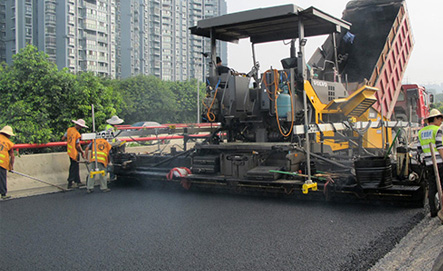
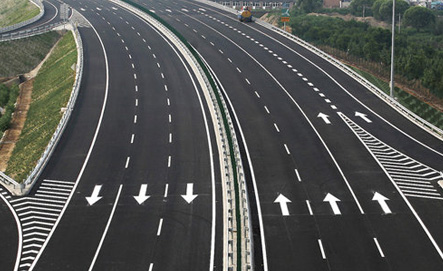
In buildings, bridges, highways, and other infrastructure projects, basalt fibers demonstrate outstanding performance, extending structural life and reducing long-term maintenance costs. Choose basalt fiber for reliability and durability.
Metric Tons Monthly Output
Max Operating Temperature
Strength-to-Weight Ratio vs. Steel
Natural & Eco-Friendly Material
Meeting demanding global standards from aerospace structures to civil reinforcement

Providing reinforced concrete grids, wall insulation mats, and seismic mesh structures for robust buildings.

Engineered basalt composites used in manufacturing lightweight aircraft wings, body structures, and fairings.

Leveraged in rocket shell panels, thermal insulation wraps, and highly resilient components for engines.

Improves flexural modulus, halts crack propagation, and protects against chemical attacks.

Enables vehicle weight reduction, sound dampening panels, and high-temp heat shield plates.

Defends structural pillars against impact, temperature shifts, and aggressive maritime environments.

Provides insulation and anti-corrosion barrier layers for pipelines, pressure vessels, and refinery plants.

Delivers high durability for hull panels, harbor docks, and deep-sea mineral extraction equipment.
Pioneering technological upgrades to reduce ecological footprints and enhance performance
As a forward-thinking director, our roadmap focuses on improving the performance parameters of basalt fiber while lowering production energy consumption.
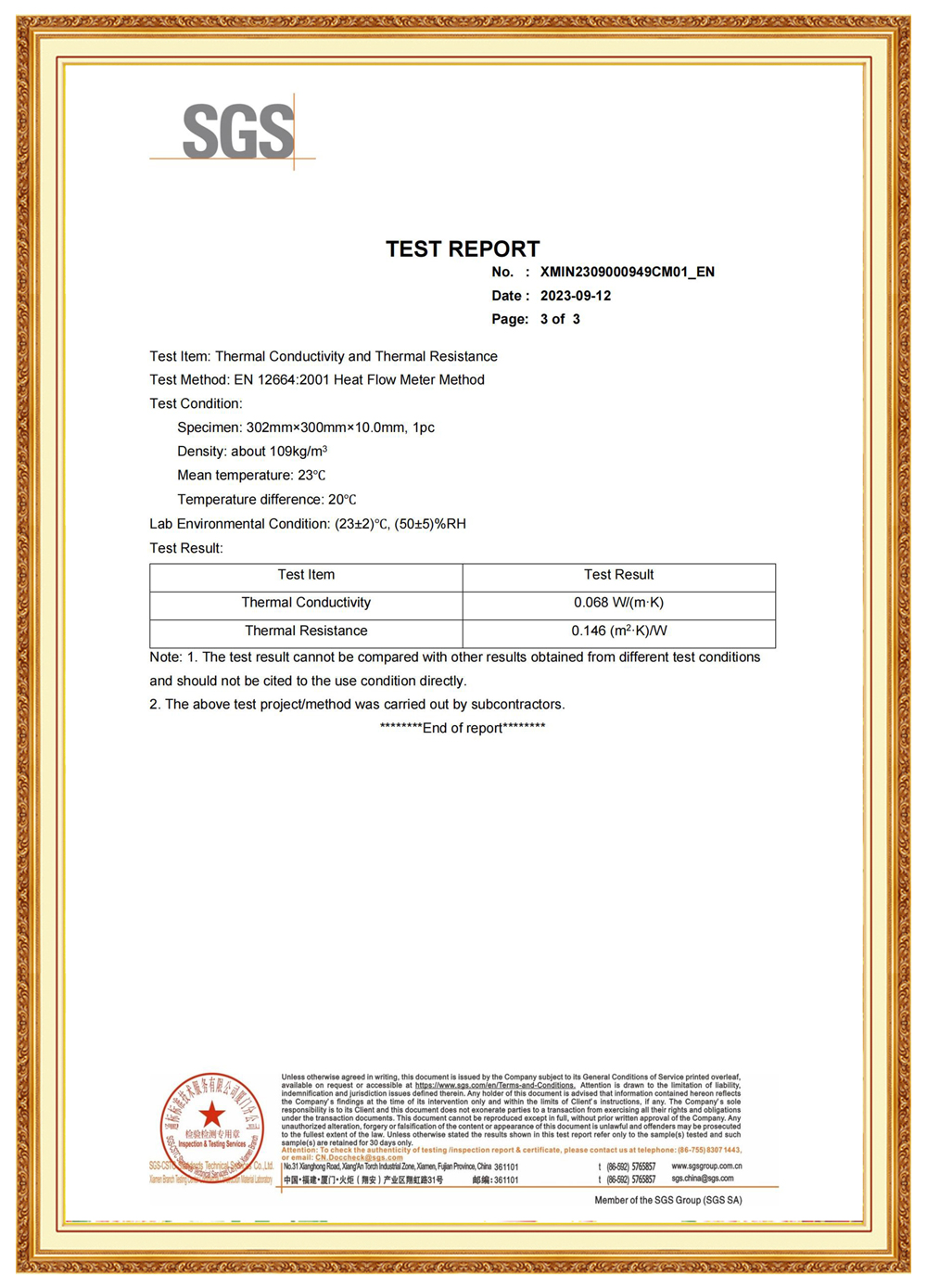
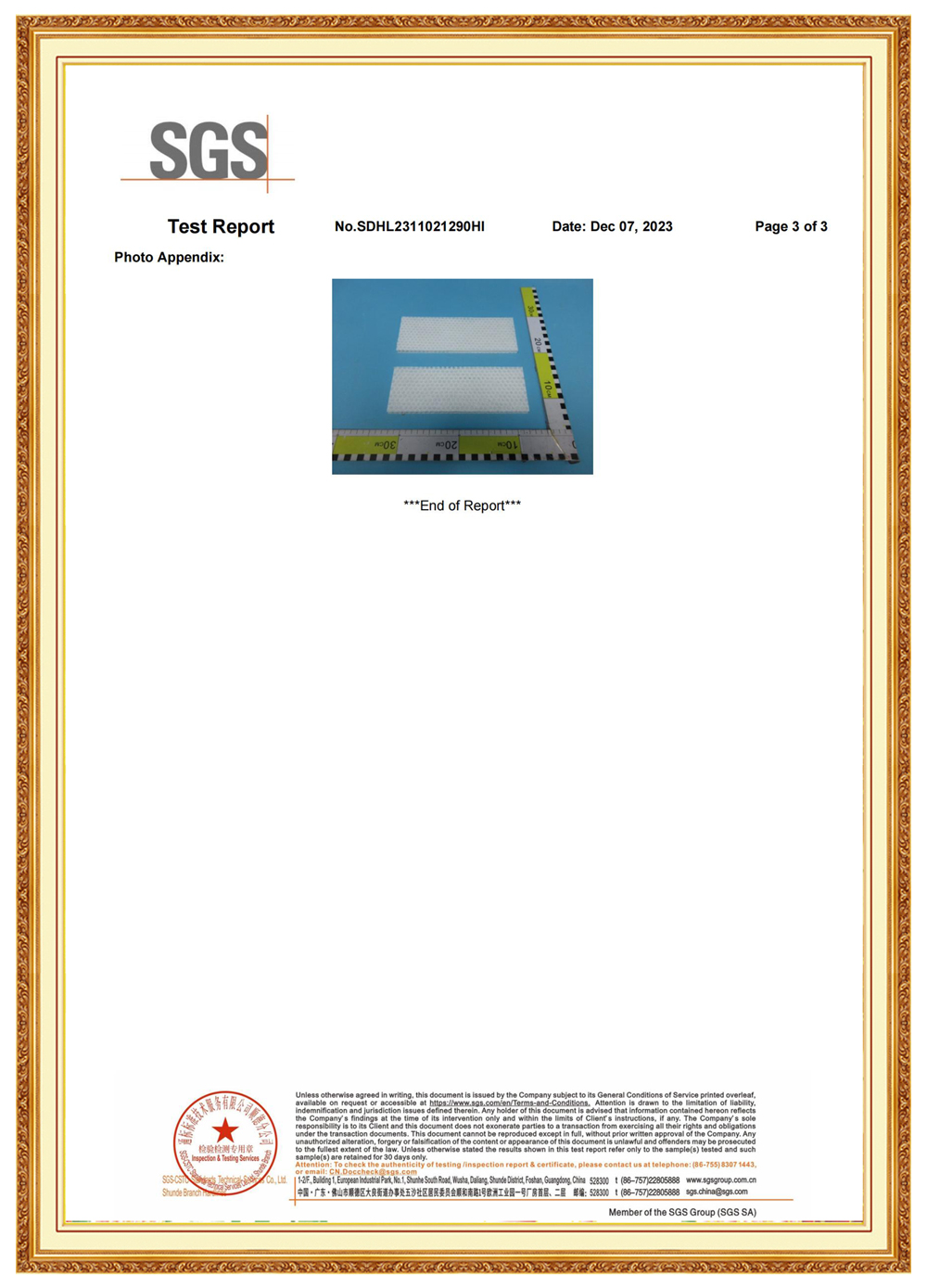
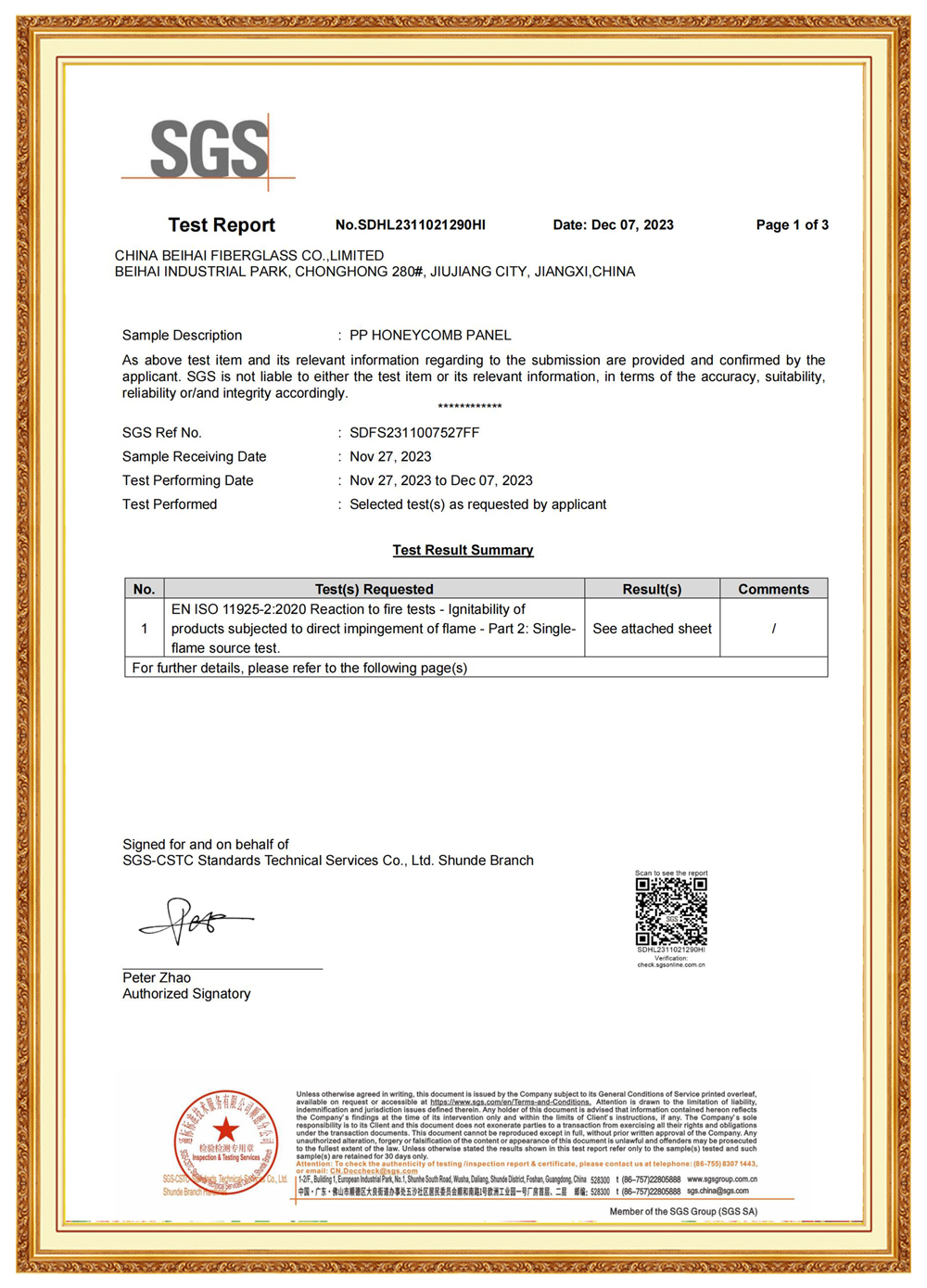
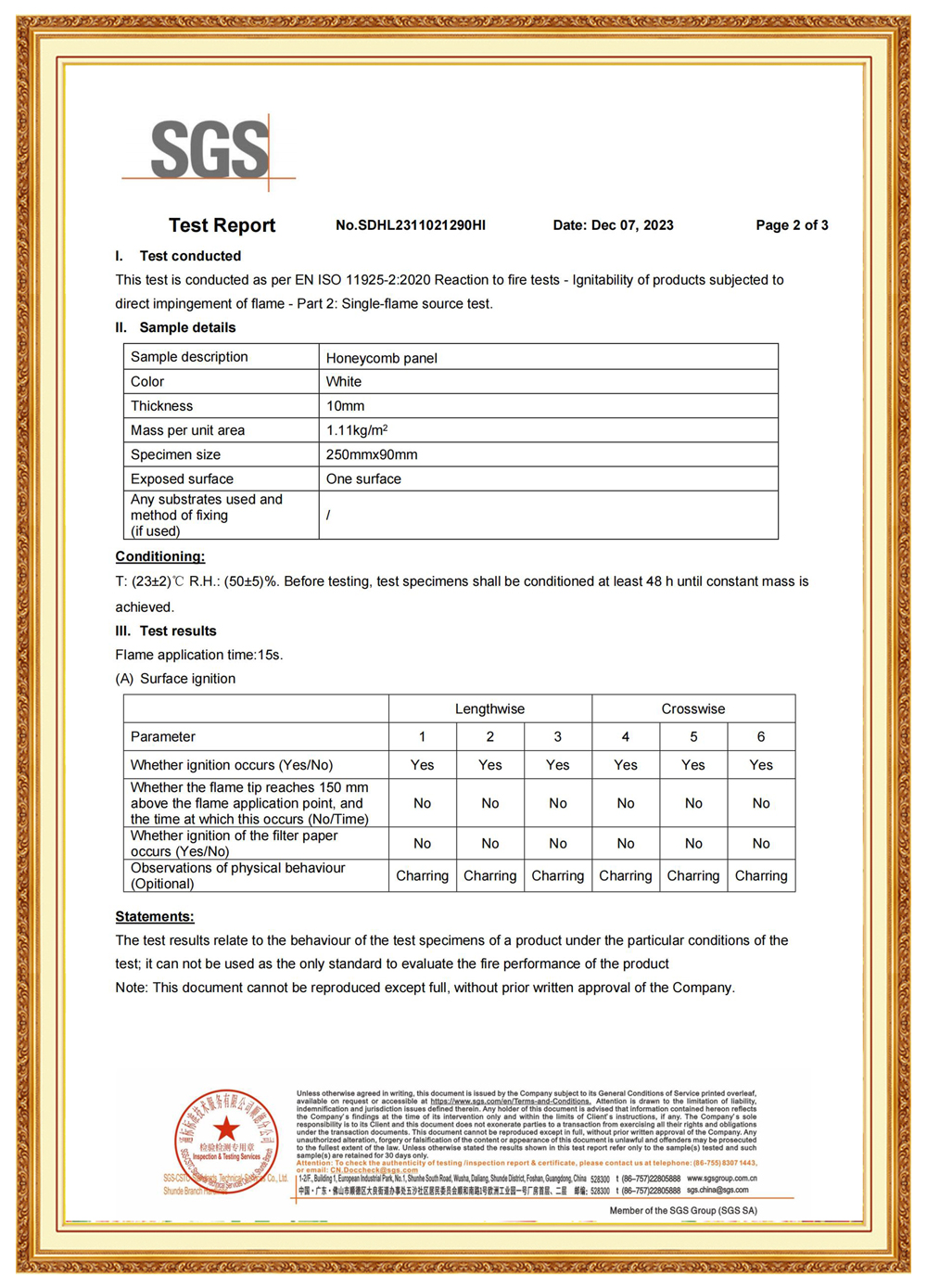
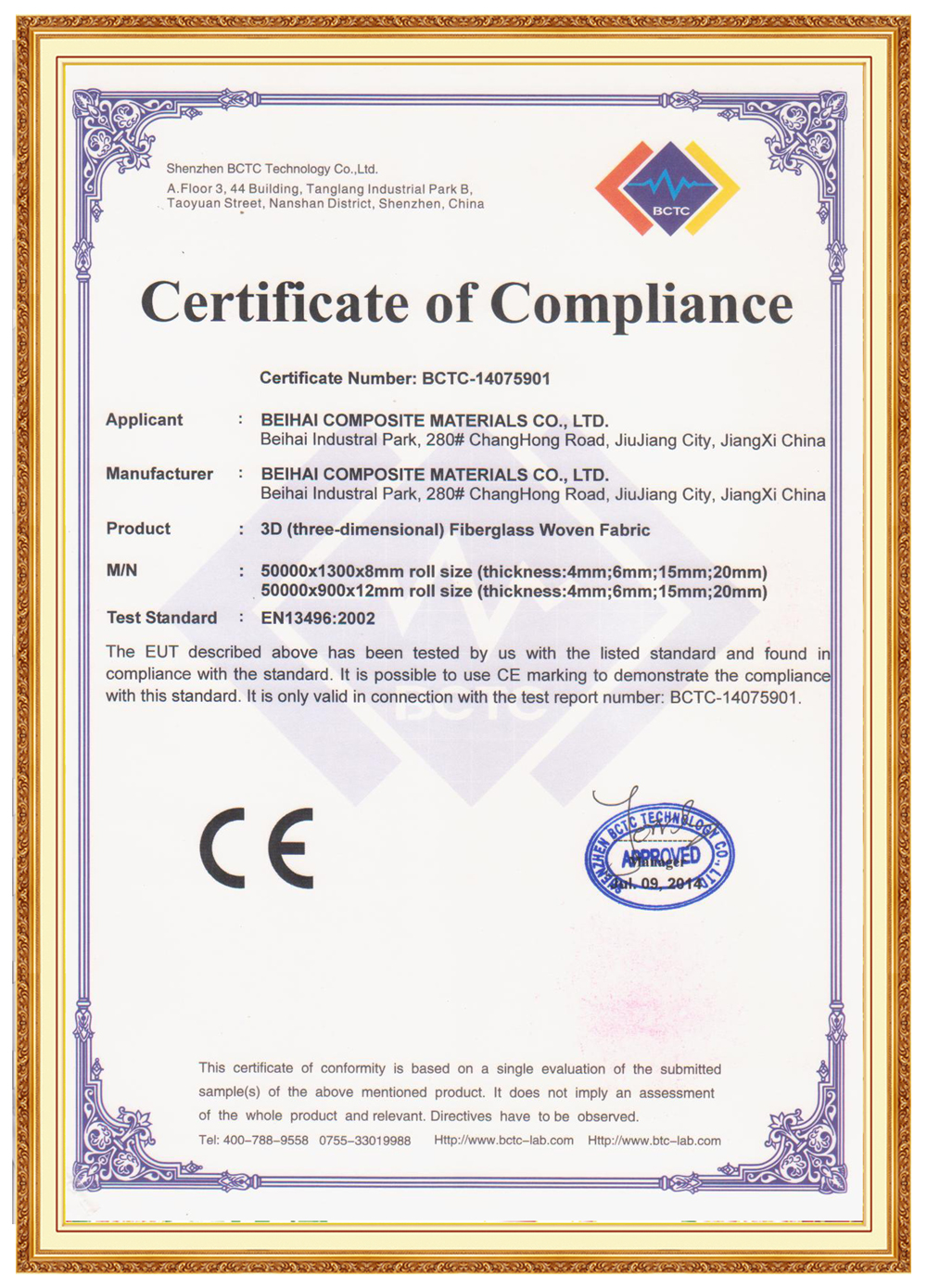
Ensuring compliance, reliability, and traceabilty across our complete product lifecycle
Stay up to date with the latest advancements in continuous basalt fiber production and applications

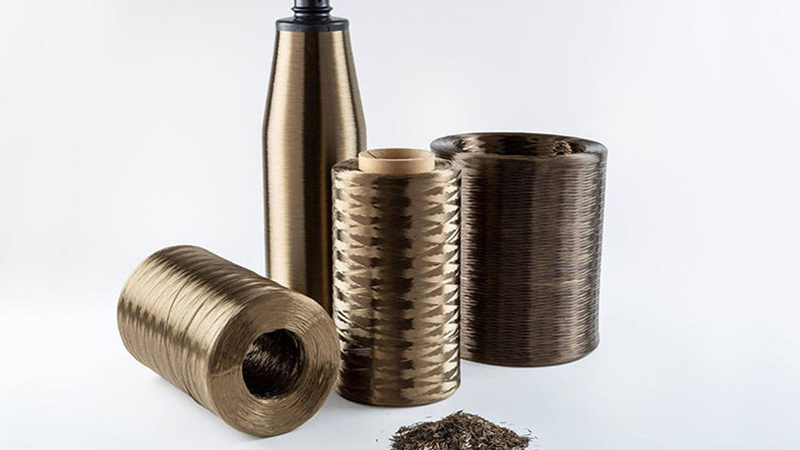
As drones slice through the sky to monitor wildfires, and intelligent robots execute repetitive tasks with precision on the factory floor, the efficient operation of this smart equipment is often underpinned by a "hardcore support" of basalt fiber composite structures, delivering high strength and low density properties.
Answers to technical questions regarding custom specifications, performance limits, and logistics to Eritrea
Basalt fiber features superior natural resistance to salt solutions, chemical alkalis, and acids. Glass fiber, especially standard E-glass, can lose up to 50% of its strength in alkaline or highly saline marine water over extended periods, whereas basalt fiber remains unaffected. Additionally, basalt fiber has a 15-20% higher tensile strength and modulus of elasticity compared to standard glass fiber, ensuring structural reliability under extreme stress.
Yes. China Beihai offers comprehensive customization. We can weave unidirectional, biaxial, plain, or twill basalt fabrics in widths ranging from 100mm up to 2000mm, with weights ranging from 160g/m² to 800g/m². We also offer custom roll lengths to match specific construction site machinery or composite production lines.
We work with major ocean carriers to offer reliable shipping routes to Massawa and Assab ports. Our typical manufacturing lead time for standard containers of basalt fiber fabric and mats is 15 to 20 days, and the transit time from China ports (such as Shanghai or Qingdao) is approximately 30 to 40 days, depending on shipping schedules.
Basalt fiber maintains its physical and mechanical properties in temperature ranges from -260°C up to +700°C. It does not degrade, shrink, or emit toxic fumes at elevated temperatures, making it a safer and higher-performing alternative to carbon fiber and glass fiber in petrochemical refineries, geothermal energy projects, and industrial thermal insulation systems.
Yes. Basalt fiber is manufactured from 100% natural volcanic basalt rock with no added chemical components or solvents. The manufacturing process releases far lower CO2 emissions compared to steel or carbon fiber production. Additionally, basalt fibers are fully inert, meaning they present no environmental hazards and can be recycled easily at the end of their service life.
Keeping original product listings with custom-adapted names for East African commercial requirements
 Beihai Fiberglass