Leading the Sustainable Infrastructure Revolution with High-Performance Volcanic Rock Composites
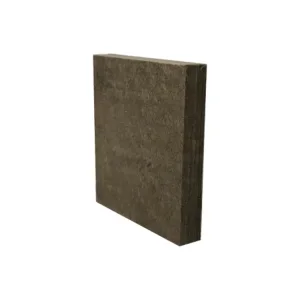
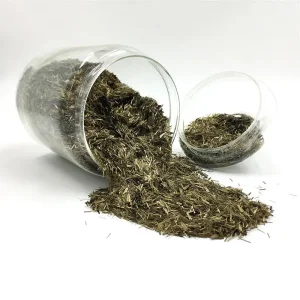
Optimized for seismic dampening and thermal insulation in urban skyscrapers.
View Specifications
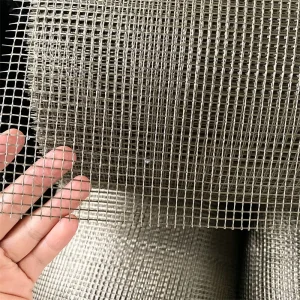
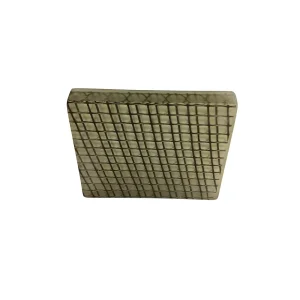
Grade-A fire resistance and chemical stability for commercial facilities.
Request Quote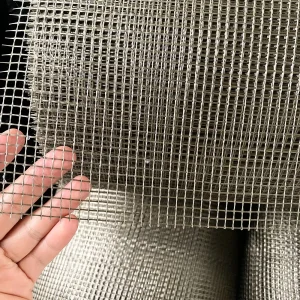
Reinforcement for marine environments and coastal wall strengthening.
See Performance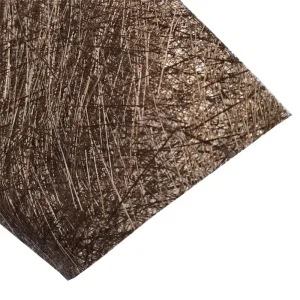
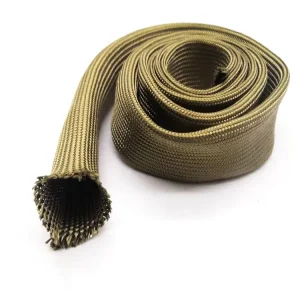
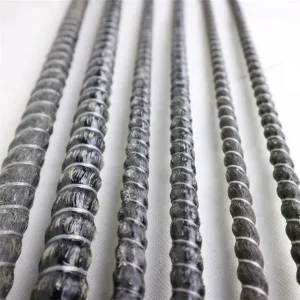
Superior bonding for FRP applications in Tokyo's manufacturing sector.
Explore OptionsAs Tokyo pushes toward its "Sustainable High City" goals, the construction and industrial sectors are pivoting away from traditional carbon-heavy materials. Basalt fiber, derived from natural volcanic rock, offers a 100% eco-friendly alternative to glass fiber and steel. In the dense urban landscape of Tokyo—from the Shinjuku business district to the Tokyo Bay industrial zone—the demand for non-corrosive, lightweight, and fireproof materials has reached an all-time high.
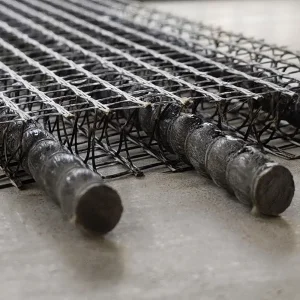
Tokyo’s geographic location requires infrastructure that can withstand both frequent seismic activity and salt-air corrosion from the Pacific. Basalt Fiber Reinforced Polymer (BFRP) rebar and mesh provide high tensile strength (up to 3x that of steel) while being completely immune to chloride-induced rust. This is critical for Tokyo’s aging bridge networks and underground expressway expansions (Shuto Expressway).
The global basalt fiber market is projected to grow at a CAGR of 12.5% through 2030. Key drivers include the automotive industry's push for lightweighting (EV range extension) and the wind energy sector's need for durable turbine blades. Europe and North America have established strict LCA (Life Cycle Assessment) standards, which basalt fiber satisfies more effectively than petroleum-based synthetic fibers.
Founded in 2015, China Beihai has revolutionized the production of continuous basalt fiber through automated melting and drawing processes. Located in Jiujiang, our facility leverages significant economies of scale and energy-efficient kilns. For Tokyo buyers, this translates to:
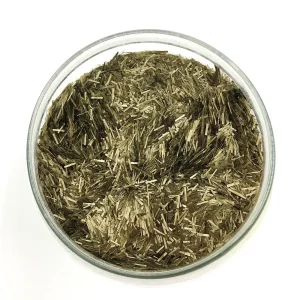
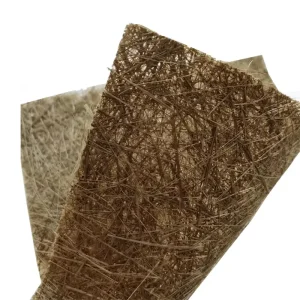
Using basalt fiber chopped strands in concrete sleepers and noise barriers to reduce maintenance frequency and improve acoustic absorption.
Replacing steel rebar with Basalt Rebar in sea walls and pier foundations to eliminate the risk of saltwater degradation.
Applying high-tensile basalt mesh for external wall strengthening in earthquake-prone neighborhoods like Setagaya and Nakano.
1. Hybrid Composites: Tokyo's tech-heavy industries are now exploring Basalt-Carbon hybrids. By combining the high modulus of carbon with the impact resistance of basalt, engineers are creating a new class of materials for the aerospace and automotive sectors.
2. 3D Printing Concrete: Basalt chopped strands are becoming the preferred reinforcement for 3D-printed buildings, providing the necessary tensile strength without clogging printing nozzles.
3. Zero-Carbon Construction: As corporate social responsibility (CSR) becomes a mandate for Tokyo’s "Big Five" construction firms (Kajima, Obayashi, etc.), basalt’s low carbon footprint is making it a "must-have" in procurement specs.
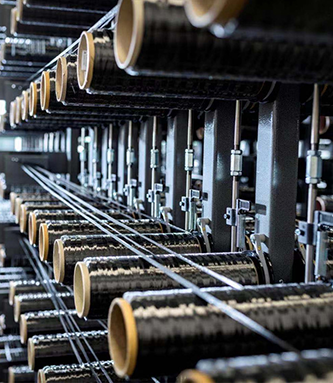
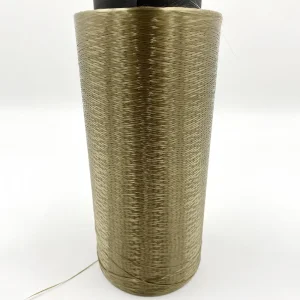
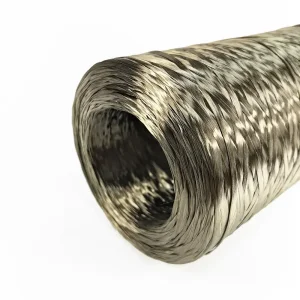
China Beihai is founded in 2015 and located in Jiujiang, Jiangxi Province. As a high-tech enterprise focusing on high-performance basalt continuous fiber, we lead the industry in production equipment manufacturing and material innovation. Our dedication to excellence ensures that every roving, rebar, and mesh meets the rigorous safety standards required by the Tokyo metropolitan government and international engineering bodies.
Supplying 50+ countries with localized support.
In-house R&D for custom basalt solutions.
Partner with China Beihai for high-performance, sustainable basalt solutions.
Send Inquiry Now Beihai Fiberglass