China High Quality Corrosion Resistant Basalt Fiber Roving Quotes, Manufacturers

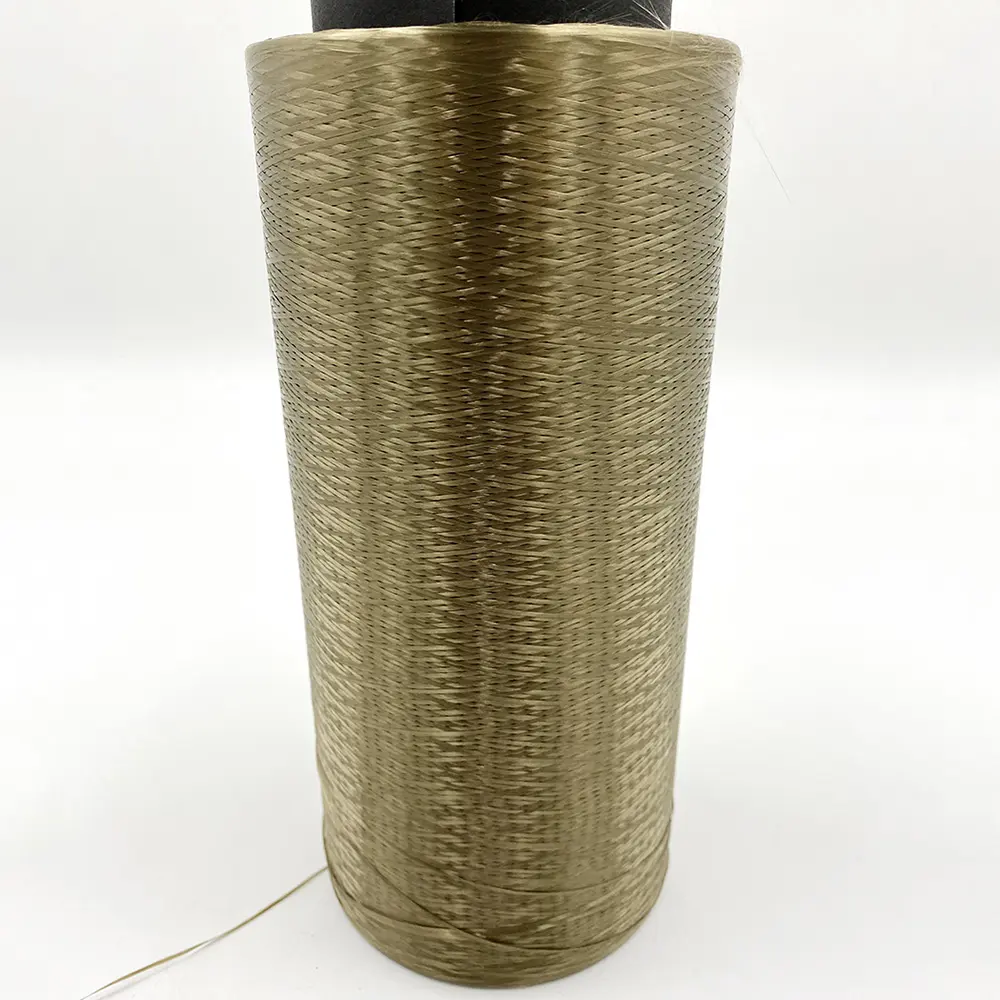
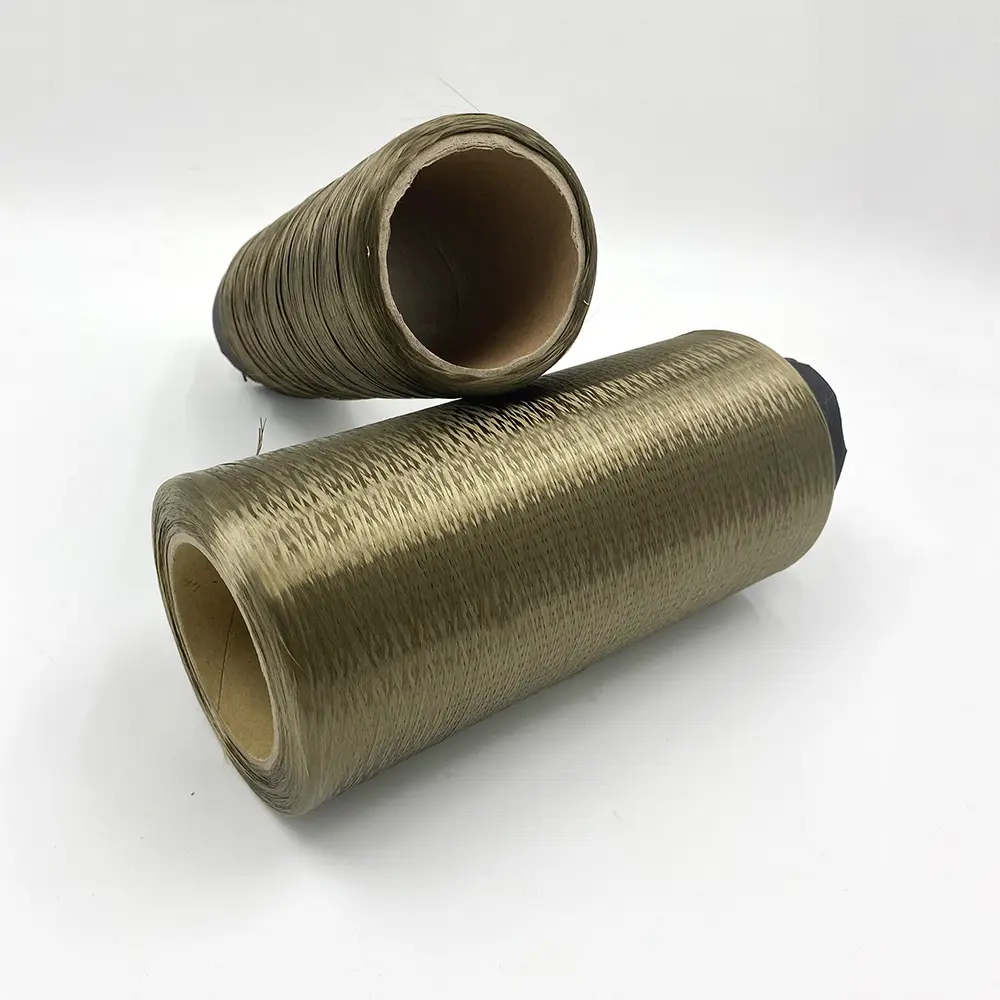
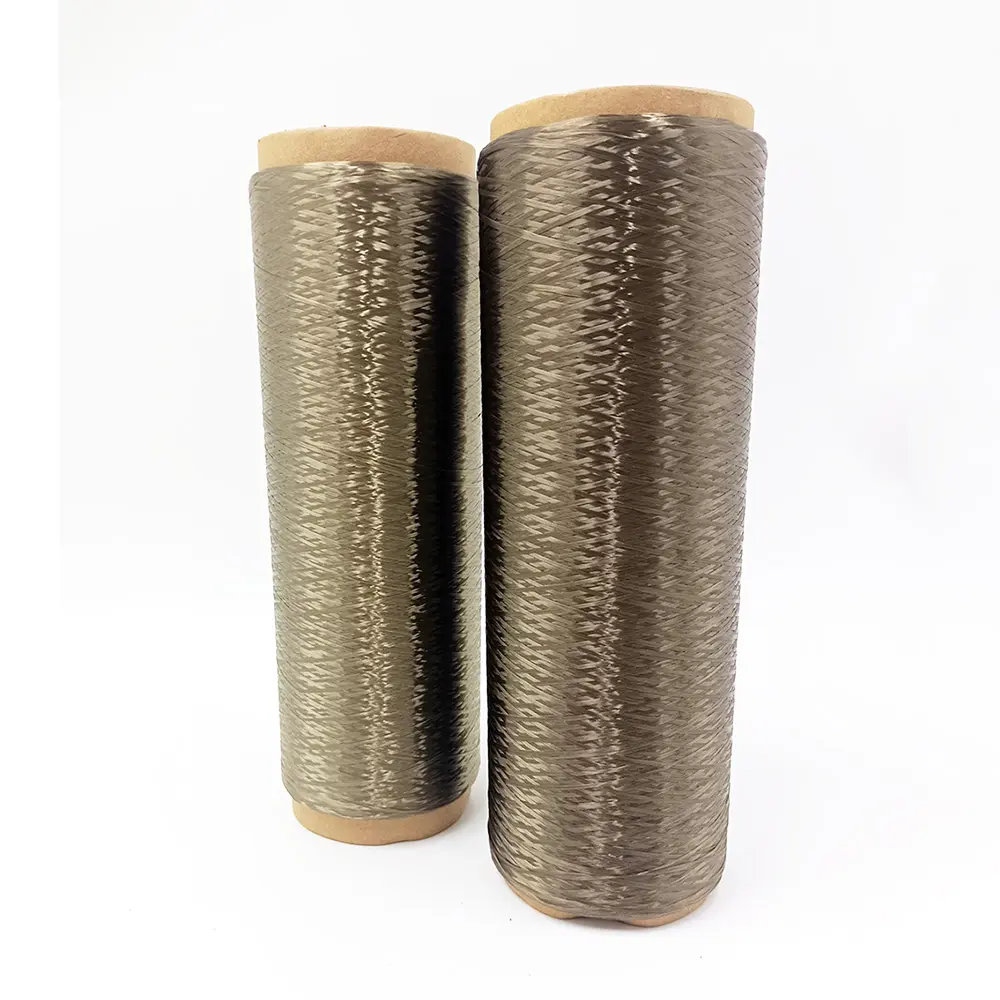
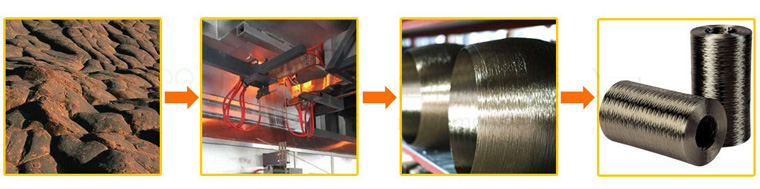
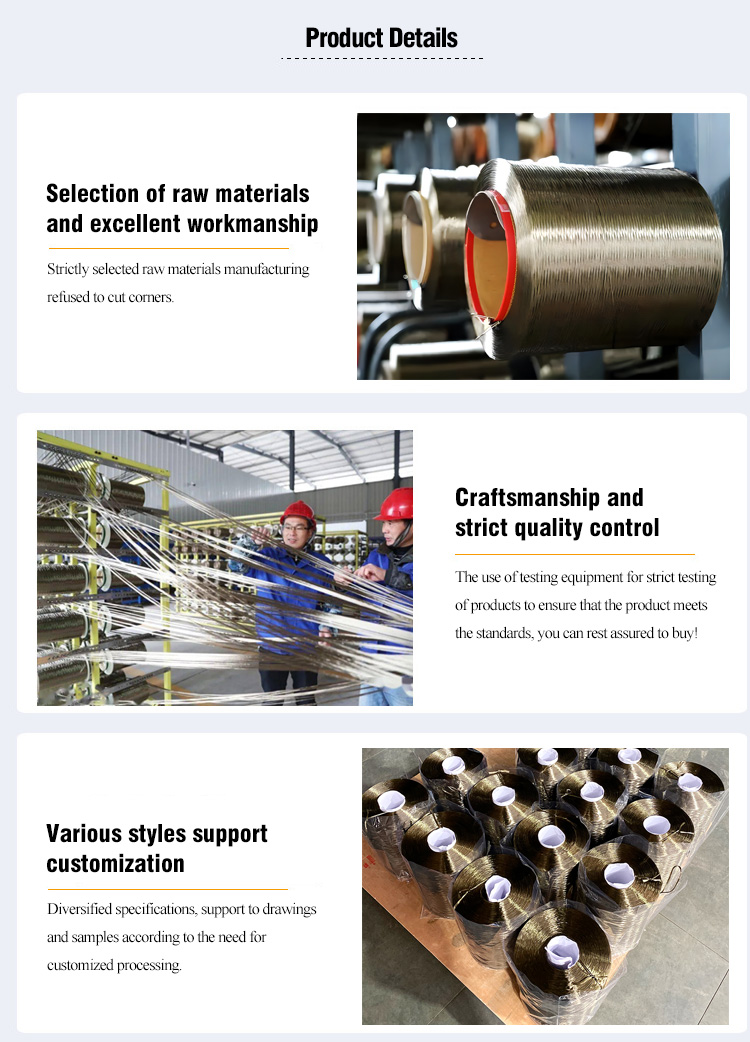
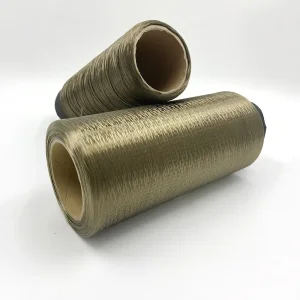
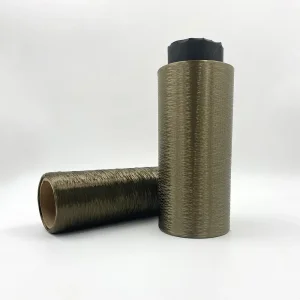
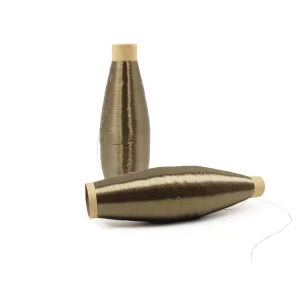
Basalt fiber roving, made from natural basalt ore by high temperature melting and drawing, is a new type of inorganic environmentally friendly fiber material. It inherits the excellent characteristics of basalt, and with its excellent performance, it shows great application potential in many fields.

Product Description

Production Process
Product Characteristics
  • High strength: The strength of basalt fiber roving is higher than ordinary steel, which can effectively enhance the mechanical properties of composite products.
  • High temperature resistance: It can be used in the temperature range of -269℃ to 700℃ for a long time, with excellent performance of high temperature resistance.
  • Corrosion resistance: Good resistance to acid, alkali, salt and other chemical media, suitable for harsh environments.
  • Good insulation performance: Excellent electrical insulation performance, can be used for electrical insulation materials.
  • Environmentally friendly and non-toxic: No harmful substances are discharged during the production process, and the products can be recycled, in line with environmental requirements.
Product Details
Product Specification
Item Basalt Roving
Type of Size Silane
Size Code BH
Typical Linear Density (tex) 500 200 600 700 400 1600 1200
300 1200 1400 800 2400
Filament (μm) 15 16 16 17 18 18 22

Compatibility with various resins is assured by appropriate sizings.

Processing Technologies
  • Pultrusion
  • Filament winding
  • Weaving
  • Multiaxial fabrics production
Product Types

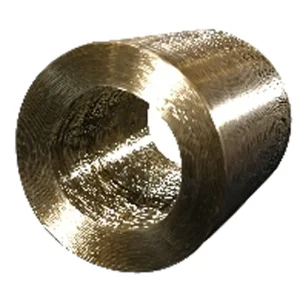
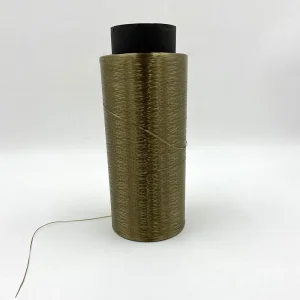
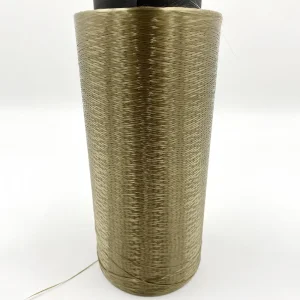
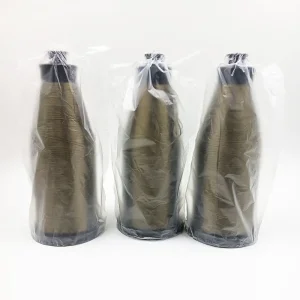
1. Direct Roving: A ready-to-sell continuous one-end strand produced in the drawing process and wound on bobbins with 200 mm or 160 mm internal diameter. The main advantage is zero catenary and excellent appearance. It is widely used for fabrics, geogrids, pultruded profiles, and rebar.

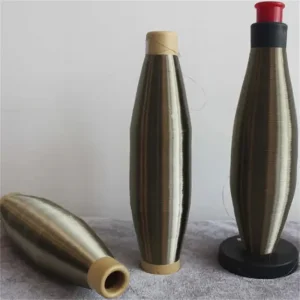
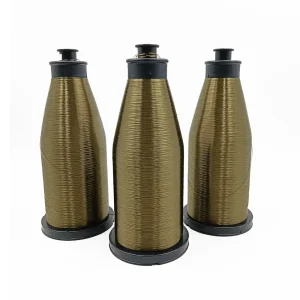
2. Assembled Roving: Consists of several single-end strands joined together without twisting. It is supplied on bobbins with internal pool (tubeless, 76 mm) or external pool (wound on a tube).
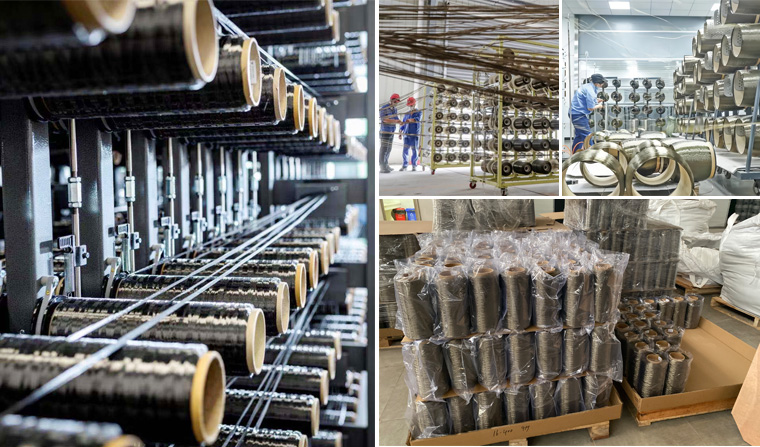
Workshop
Application Areas
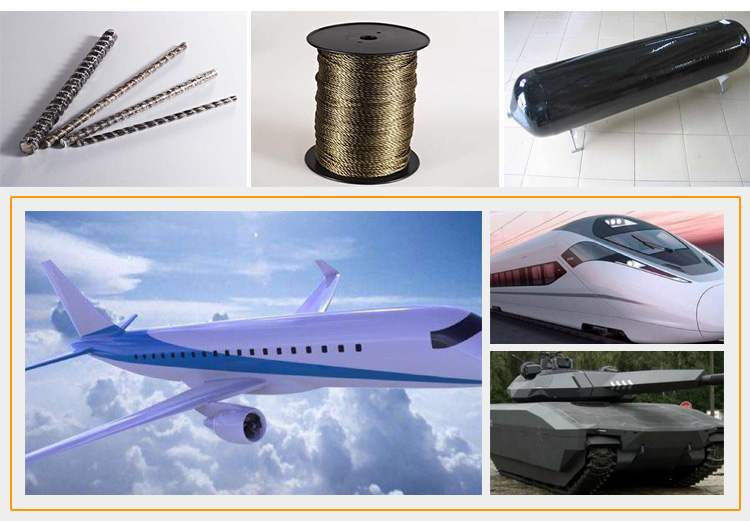
  • Composite material reinforcement: Automobile parts, ships, wind turbine blades.
  • High temperature filtration: Flue gas filtration in cement and power plants.
  • Fireproof and heat insulation: Building fire prevention and industrial insulation.
  • Friction sealing materials: Brake pads and clutch plates for wear resistance.
  • Other fields: Electronic appliances, aerospace, and more.
Application
Frequently Asked Questions
What are the main advantages of Basalt Roving?
Basalt roving offers high tensile strength, exceptional thermal stability (-269°C to 700°C), and superior corrosion resistance to acids and alkalis compared to traditional glass fibers.
Is Basalt Roving environmentally friendly?
Yes, it is produced from natural basalt rock with no harmful additives. The production process is clean, and the final products are fully recyclable.
What is the difference between Direct and Assembled Roving?
Direct roving is a single continuous strand with zero catenary, ideal for weaving and pultrusion. Assembled roving joins multiple strands together, typically used when higher tex or specific bobbin types are required.
What resins are compatible with your Basalt Roving?
Our roving is treated with silane-based sizing, ensuring excellent compatibility and bonding with various resins, including epoxy, polyester, and vinyl ester.
In which industries is Basalt Roving most commonly used?
It is widely used in automotive, aerospace, construction (rebar), renewable energy (wind blades), and industrial filtration due to its mechanical and thermal properties.
Can it be used for electrical insulation?
Yes, basalt fiber has excellent electrical insulation properties, making it suitable for high-end electronic and electrical applications.

Related Products