 Beihai Fiberglass
1 / 4
Basalt fibers are naturally stronger than steel per unit weight and significantly more durable than standard fiberglass.
Unlike steel, it does not rust or corrode when exposed to salt, acids, or alkalis, making it ideal for coastal or chemical environments.
Capable of withstanding extreme temperatures from -260°C to over 700°C and is inherently fire-resistant.
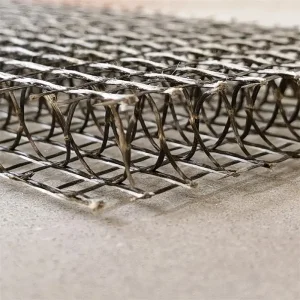
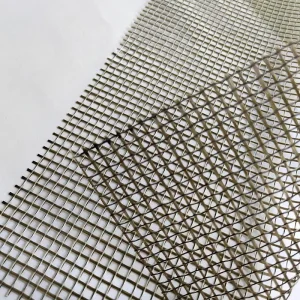
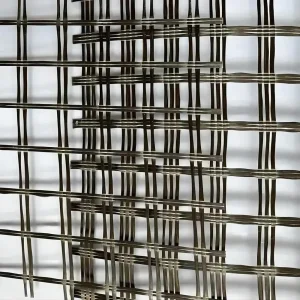
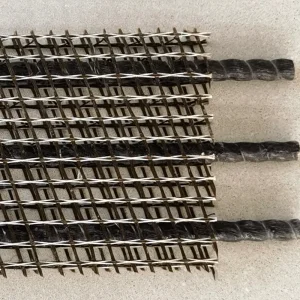
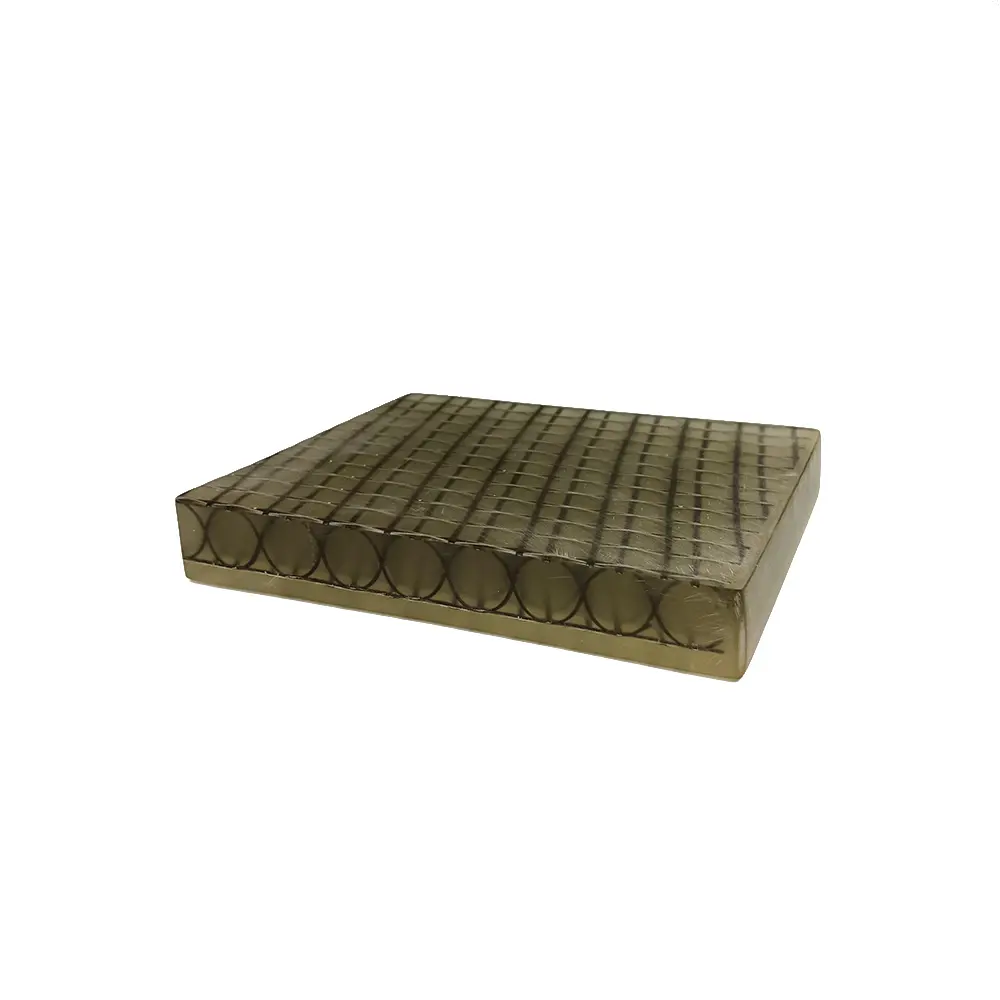
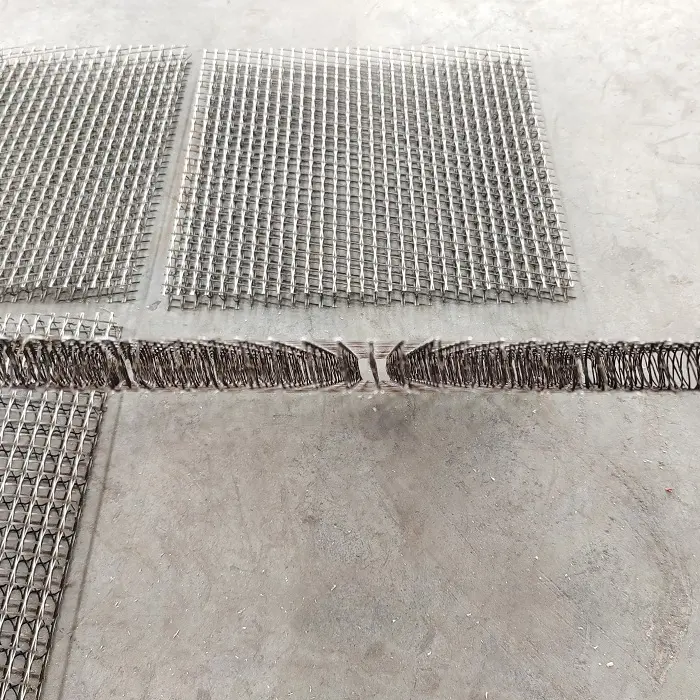
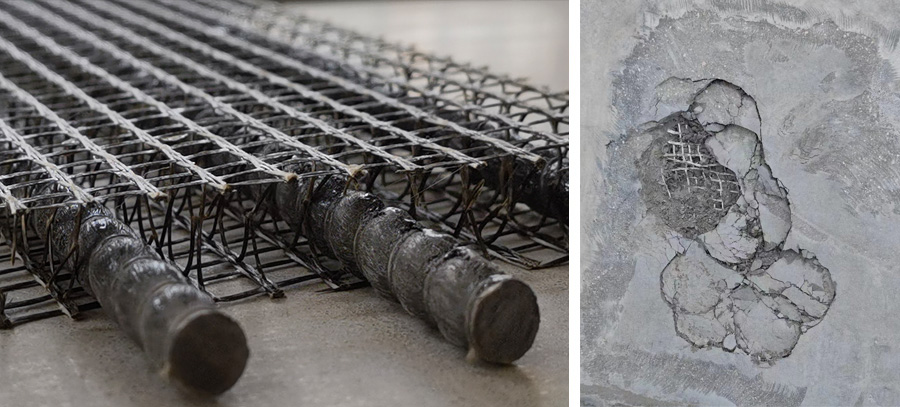
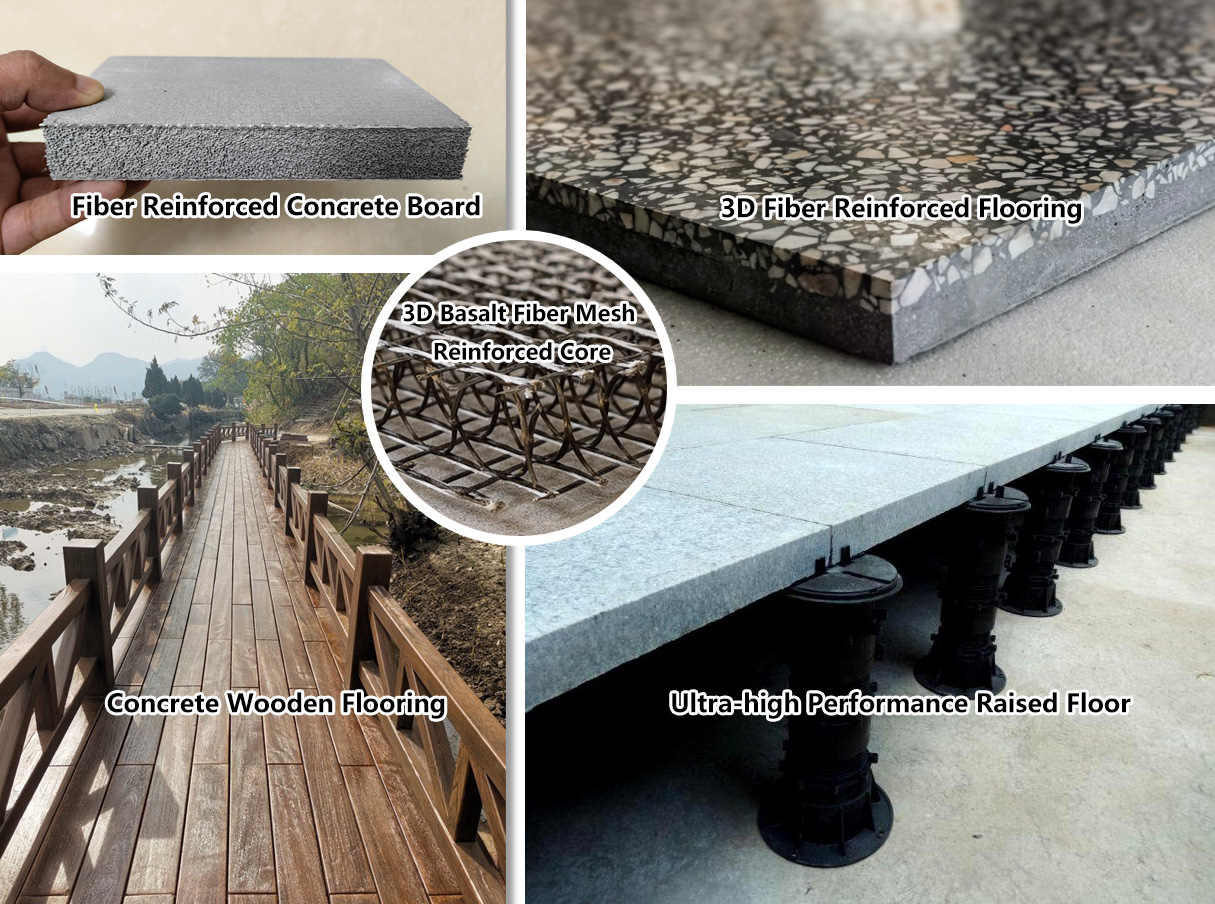
The vertical distance between mesh faces creates a powerful mechanical lock when filled with concrete or resin, reducing surface cracking.
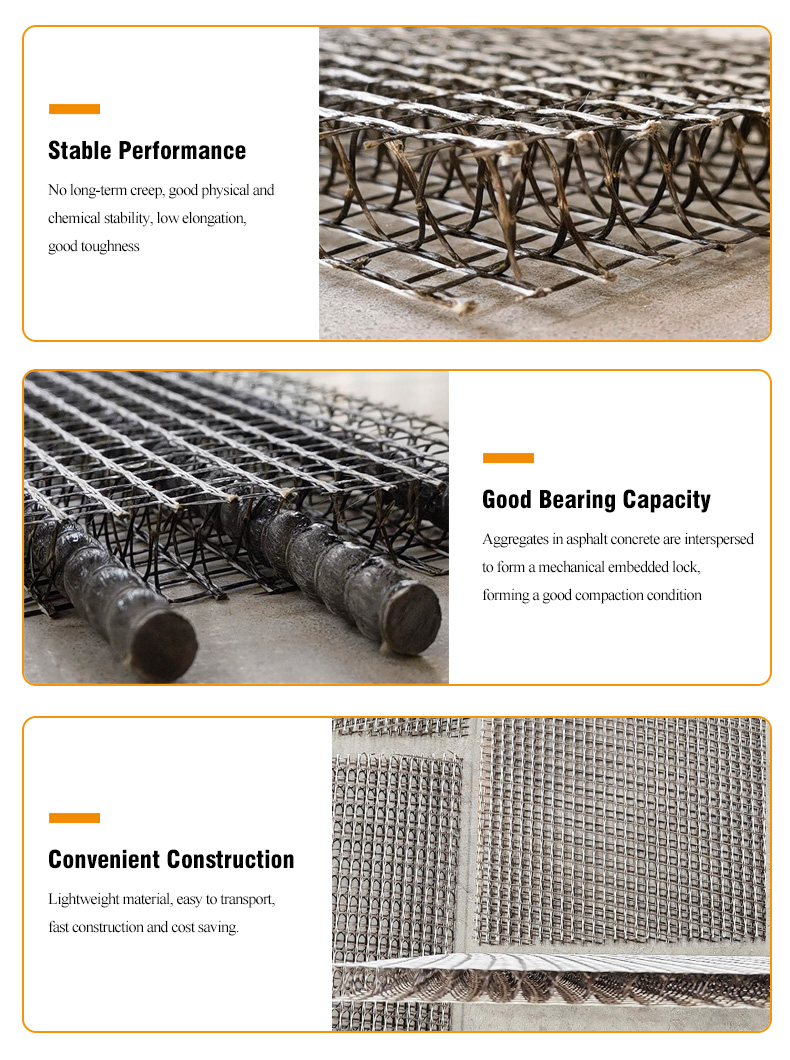
Serves as a reinforcing skeleton for high-performance Basalt Fiber Reinforced Polymer (BFRP) composites.
Used in asphalt pavements and runways for anti-reflective cracking and durability enhancement.
Per unit weight, basalt fiber is naturally stronger than steel and provides significantly higher durability and resistance to environmental fatigue.
Yes. One of its primary advantages is corrosion resistance. It does not rust when exposed to salt, acids, or alkaline substances found in marine environments.
Basalt fiber mesh remains stable in extreme conditions, withstanding temperatures from as low as -260°C up to over 700°C.
The vertical structure between the mesh layers creates a physical lock with the filling material (like concrete). This structure prevents delamination and absorbs stress to minimize surface cracking.
It is widely used in asphalt pavements and airport runways to prevent reflective cracking and to extend the overall lifespan of the infrastructure.
Yes, basalt fiber is made from natural volcanic rock, making it an environmentally sustainable alternative to traditional reinforcement materials.