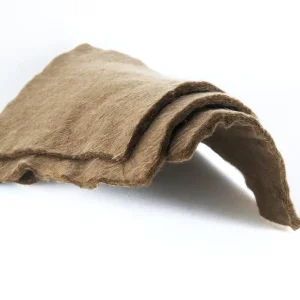
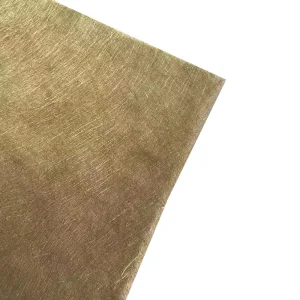
Explore our core high-performance basalt fiber line, custom-optimized for Dominica's severe environmental conditions, including thermal insulation for geothermal ventures, high-strength structural geogrids, and marine-grade alkali-resistant reinforcing meshes.
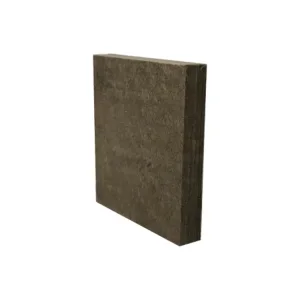
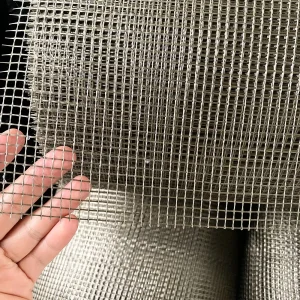
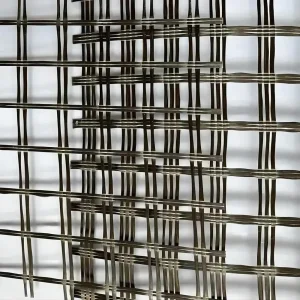
The Commonwealth of Dominica, known as the "Nature Island of the Caribbean," presents unique geological and environmental conditions that make conventional construction materials highly vulnerable to rapid degradation. Positioned in the Lesser Antilles volcanic arc, the island's terrain features active fumaroles, geothermal springs, and acidic volcanic soils. The combination of intense tropical humidity, high seismic activity, coastal salt-water intrusion, and frequent Category 5 hurricanes requires structural materials that offer extreme tensile strength, complete chemical inertness, and zero rust susceptibility.
Historically, civil engineering projects in Roseau, Portsmouth, and across the rugged interiors have relied on steel-reinforced concrete. However, the high chloride concentration in seawater and coastal winds rapidly penetrates porous concrete, leading to inner steel corrosion, structural spalling, and premature failure. Additionally, Dominica's aggressive push toward developing geothermal power plants in the Wotten Waven caldera demands materials capable of withstanding extreme underground heat and acidic vapors. Continuous Basalt Fiber (CBF) products represent the ultimate evolution in civil engineering materials for these contexts, offering structural lifespans that far exceed traditional carbon steel and polymer-coated alternatives.
With storms carrying winds exceeding 160 mph, external plaster and structural walls are subjected to high flexural pressures. Basalt fiber mesh embedded in outer wall renders acts as a macro-fracture arrestor, holding walls intact under high-amplitude cyclic wind loads.
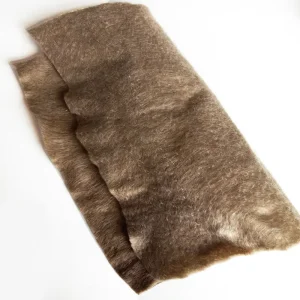
In Dominica's volcanic valleys, geothermal power development requires materials with low thermal conductivity and extreme chemical resistance. Basalt fiber needle mats provide exceptional insulation up to 700°C, remaining immune to sulfurous gases.
Mountain roads in Dominica suffer from frequent landslides and washouts. Installing high-strength basalt fiber geogrids distributes dynamic tire loads, arrests reflective cracking, and stabilizes volcanic subgrades, keeping logistics open.
Continuous basalt fiber is drawn directly from melted volcanic rock without chemical additives. The resulting physical properties deliver unmatched protection in highly corrosive environments.
To understand the strategic advantage of Basalt Continuous Fiber (CBF), engineers must analyze the material on a chemical level. Drawn at 1450°C from pure basalt igneous rock, the fiber consists primarily of SiO2, Al2O3, Fe2O3, FeO, CaO, and MgO. This chemical matrix forms a highly stable silicate structure that resists aggressive alkaline attacks from cement mixtures and harsh acidic coastal rains.
Over a 100-year projection, concrete structures reinforced with basalt fibers do not experience carbonation-induced failure. Unlike steel rebar, which expands up to seven times its volume when rusting, basalt fiber remains structurally dimensionally stable. This eliminates internal tensile pressures that cause spalling, guaranteeing structural integrity for docks, breakwaters, and bridges along the Dominican coastlines.
Careful mineralogical selection of volcanic rocks ensures consistent silica and iron content, laying the foundation for stable extrusion.
Melted inside single-component gas furnaces with zero chemical binders, maintaining absolute ecological neutrality.
Applying custom silane sizing agents guarantees compatibility with epoxy, vinyl ester, or mineral cement matrices.
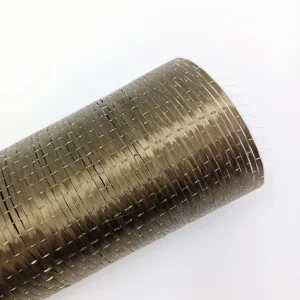
Processing continuous fibers into high-density needle mats, unidirectional cloths, geogrids, and boards.
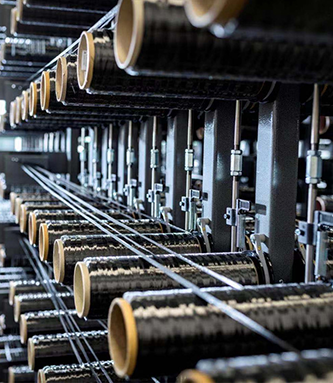
China Beihai was founded in 2015 and is located in Jiujiang, Jiangxi Province. As a state-level high-tech enterprise, we focus deeply on the research, development, production, and sales of high-performance basalt continuous fiber and its specialized production equipment. Today, China Beihai stands as a pioneering enterprise in the domestic basalt fiber industry, scaling production capacities to meet global demands.
We operate state-of-the-art platinum-rhodium alloy bushing furnace lines, providing complete traceability from raw material selection to continuous yarn extrusion. This allows us to guarantee physical uniformity, high sizing stability, and exceptional mechanical consistency across every batch shipped internationally.
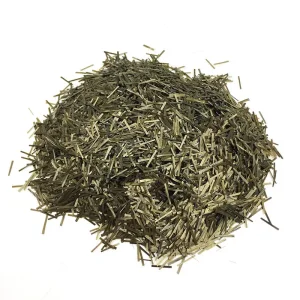
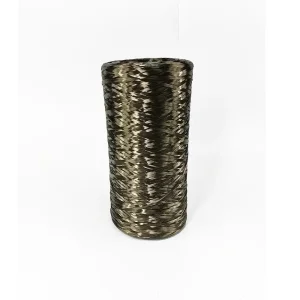
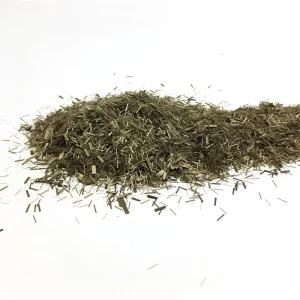
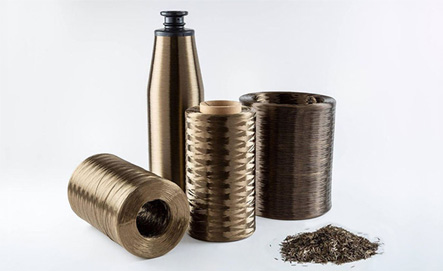
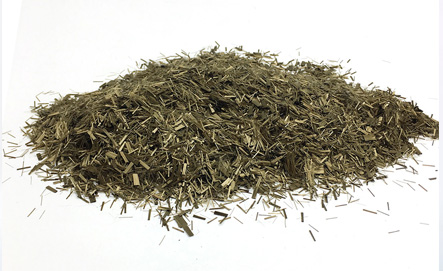
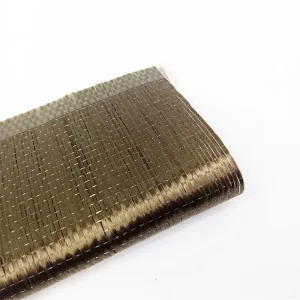
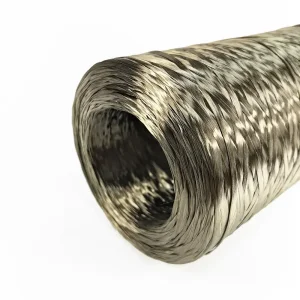
At China Beihai Group, we specialize in the comprehensive production of a wide range of basalt-based products, including basalt fiber mat (chopped strand mats, surfacing tissue mats), basalt fiber cloth, basalt fiber roving, basalt fiber yarn, chopped strands, basalt fiber rebar, basalt fiber sleeves, and structural thermal insulation boards. Our solutions cater to critical engineering demands in geotechnical, marine, and construction sectors globally.
Choosing to partner with China Beihai means collaborating with a vertically integrated manufacturer. Our commitment to continuous material innovation, strict adherence to global standards, and supply chain resilience ensures that our Caribbean and South American partners receive premium, long-lasting basalt structural solutions at highly competitive rates.
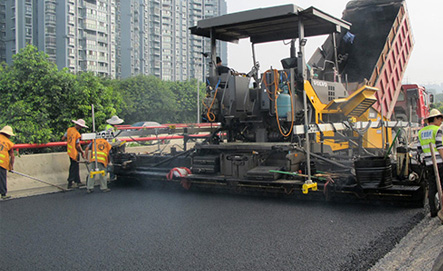

Developing mega infrastructure projects in Dominica requires a reliable material flow. Small-scale domestic supply chains cannot fulfill the volume and speed demands of public works projects, which is where China Beihai Group’s production capacity becomes a major asset. Located in Jiujiang, Jiangxi, our factory has direct access to high-quality raw volcanic basalt reserves and has developed major domestic shipping corridors to all major international ports (including Shanghai, Ningbo, and Shenzhen).
To optimize logistics for Roseau and Portsmouth ports, China Beihai uses heavy-duty moisture-proof packaging, protecting basalt fabrics, meshes, and mats from high relative humidity during shipping. By managing container space and maintaining stock levels for standard geogrids and reinforcing meshes, we reduce transit delays, ensuring Dominica’s infrastructure projects stay on schedule.
Our products are manufactured under strict ISO 9001 and CE protocols, ensuring consistent tensile strengths and sizing formulas. Below are the certificates confirming our factory compliance:
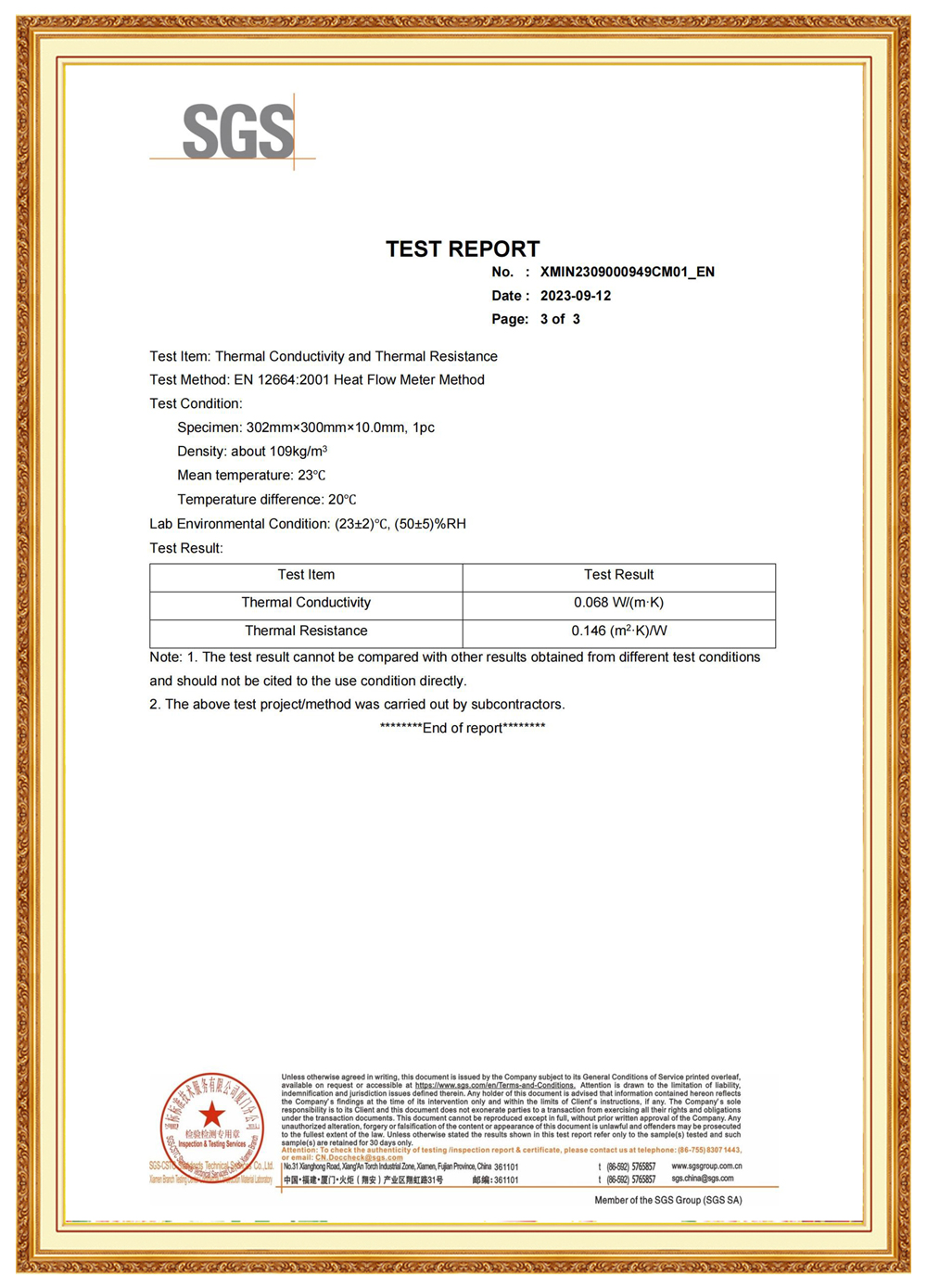
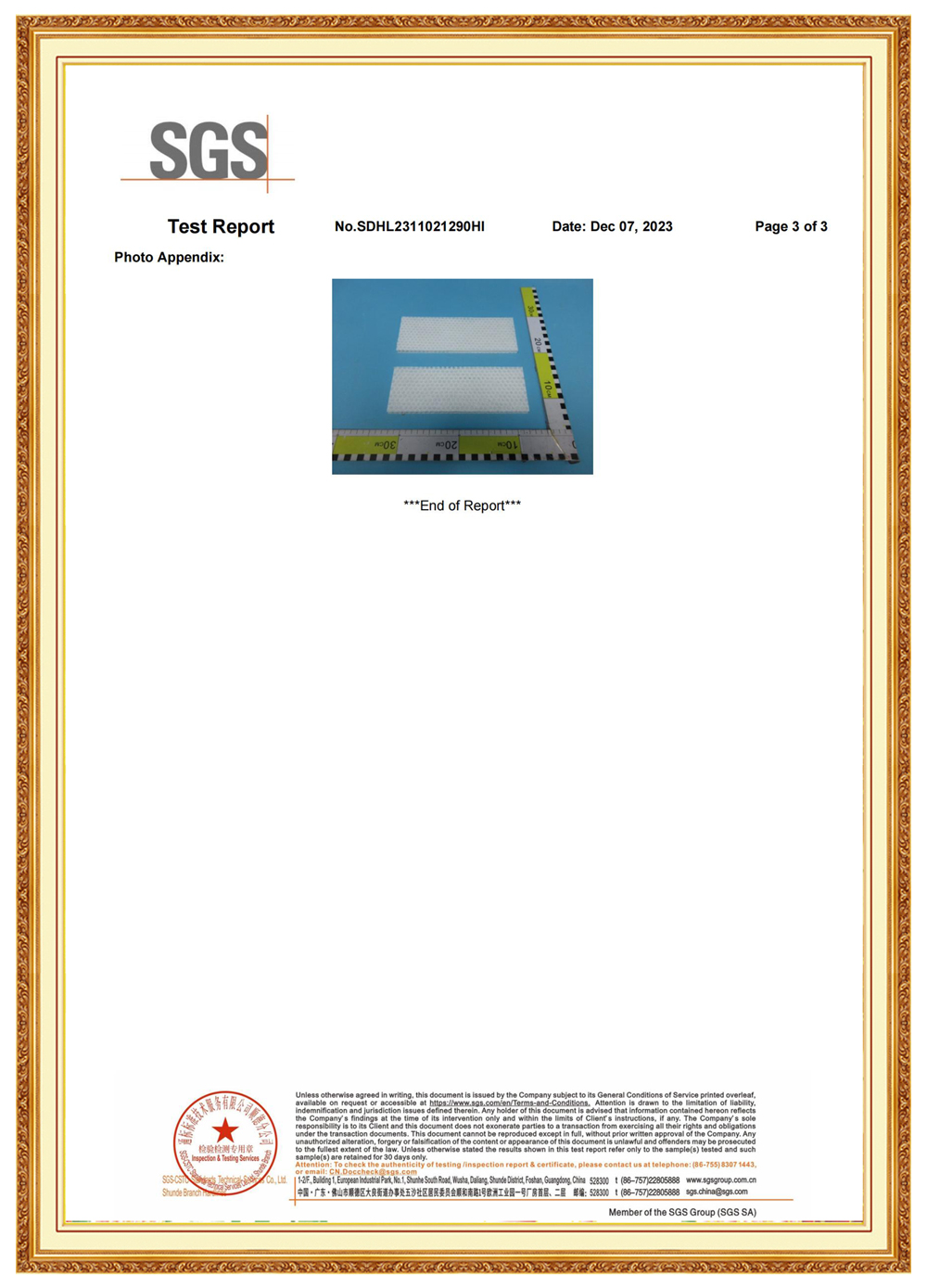
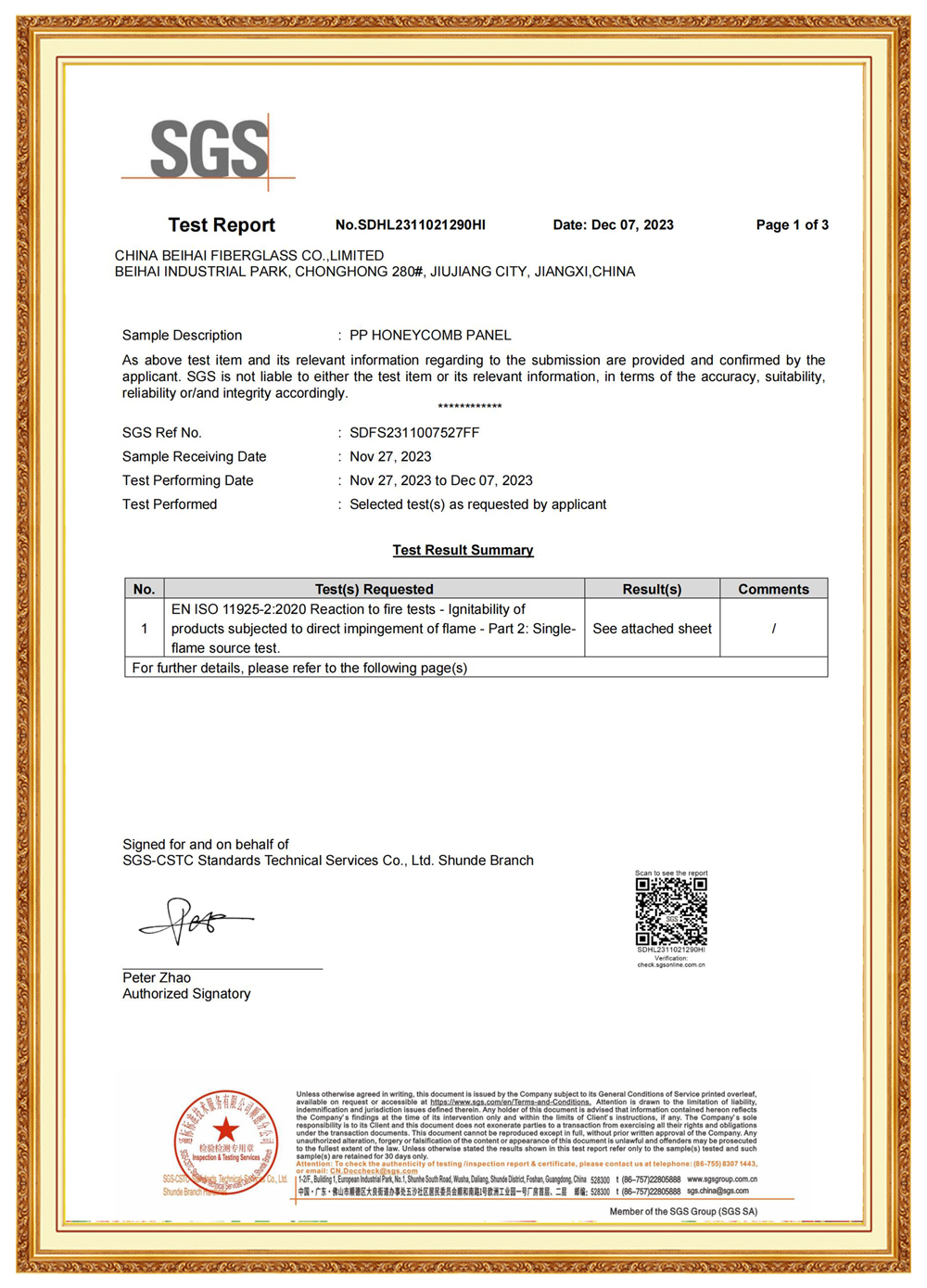
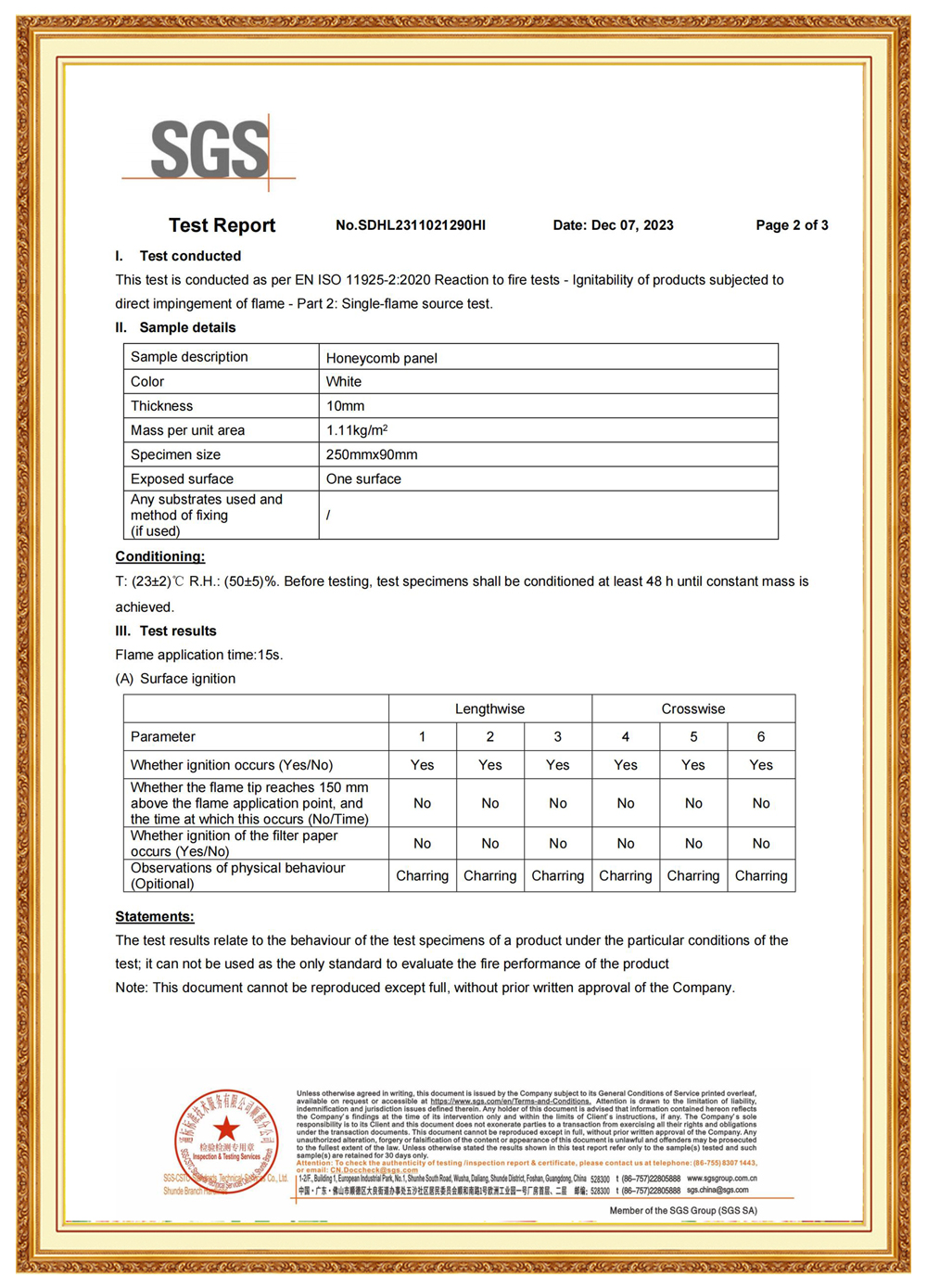
All basalt products shipped to Dominica are designed to meet American and European testing standards. We conduct batch-specific quality testing for tensile strength (ASTM D3039/D7269), acid resistance (ASTM C581), and flame spread classification (ASTM E84). Because basalt does not corrode or produce toxic fumes, it matches the Caribbean Community's (CARICOM) initiatives for resilient, eco-friendly infrastructure.
We provide complete material test reports (MTR) with every order, helping engineering firms in Dominica secure structural permits. Our engineering support team is available online to assist with load calculation reviews, sizing agent selections, and concrete composite integration design.
Choose from our complete inventory of structural basalt components, including rovings, chopped strands, needle mats, high-tensile yarns, and surfacing tissues designed for composite reinforcement.
 Beihai Fiberglass