 Beihai Fiberglass
1 / 3
Excellent tensile strength and impact resistance, ensuring maximum structural integrity.
Highly resistant to acids, alkalis, and strong chemical erosion. Ideal for harsh or marine environments.
Maintains stable, superior mechanical performance in high-temperature environments with excellent heat resistance.
Possesses outstanding electrical insulation properties, suitable for specialized electronic applications.
Made from 100% natural volcanic basalt. Non-toxic, completely harmless, and fully recyclable.
Uniformly processed fiber lengths allow for easy, seamless dispersion in various matrix materials.
Used to reinforce thermoplastic (e.g., PP, PA) and thermosetting plastics (e.g., epoxy resin), improving overall mechanical properties and thermal resistance.
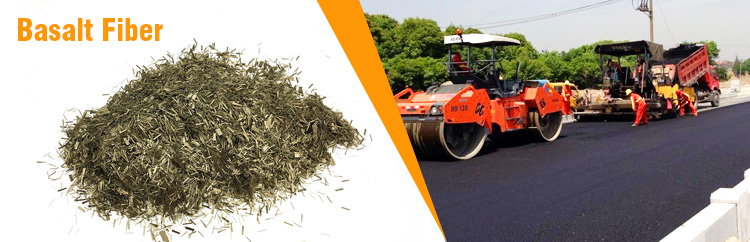
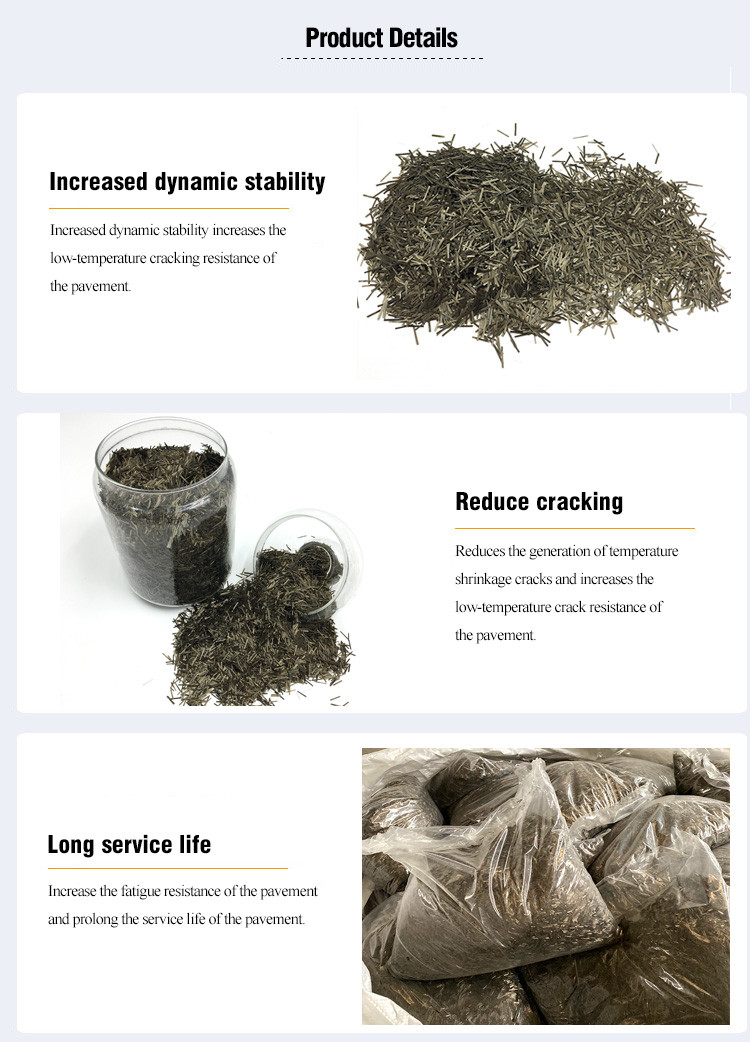
Directly added to concrete mixtures to significantly enhance concrete crack resistance, structural impact strength, and long-term environmental durability.
Used in heavy-duty brake pads, clutch plates, and wear-resistant friction parts to optimize friction performance under high thermal stress.
Used in the manufacturing of exceptional high-temperature thermal barriers, industrial fire blankets, and multi-layered insulation boards.
Perfect for filtering demanding high-temperature industrial gases or highly corrosive liquids, providing extreme chemical resistance.
Applied in high-end, lightweight structural composites, safely meeting the rigorous standards for weight reduction, thermal safety, and strength.
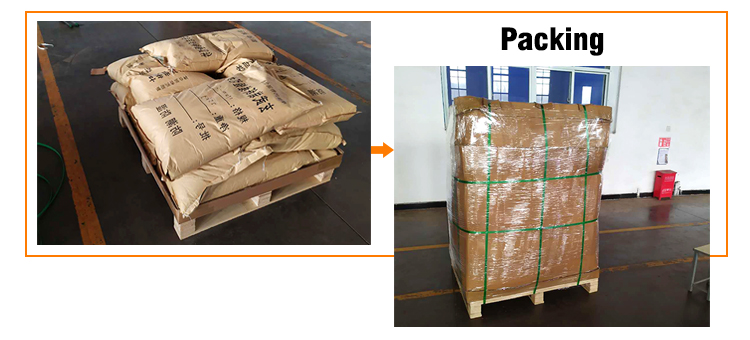
| Length mm (in) | 950 (37.4) |
| Width mm (in) | 950 (37.4) |
| Height mm (in) | 1000 (39.4) |
| Weight kg (lb) | 900-1000 (1984-2205) |
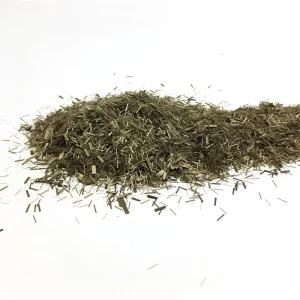
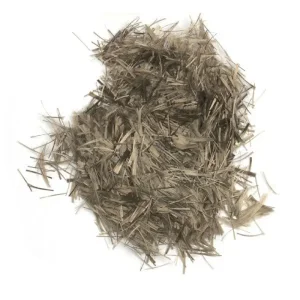
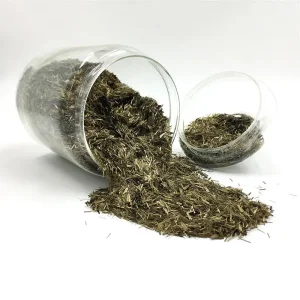
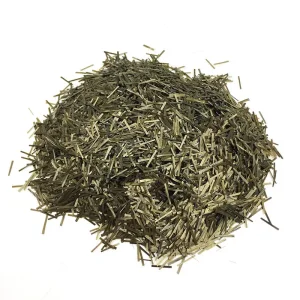
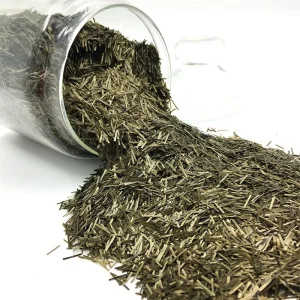
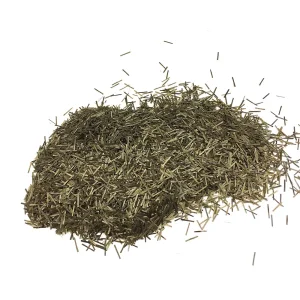
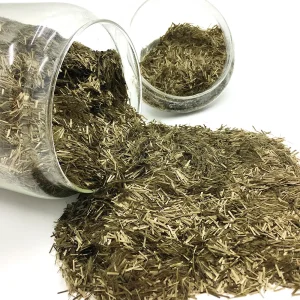
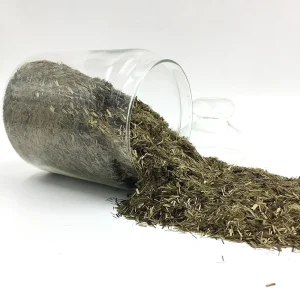
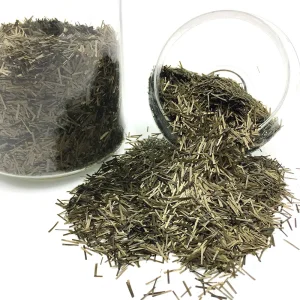
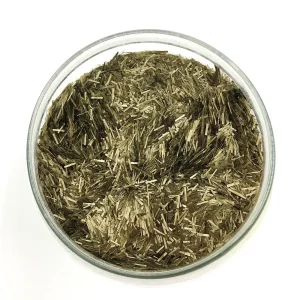
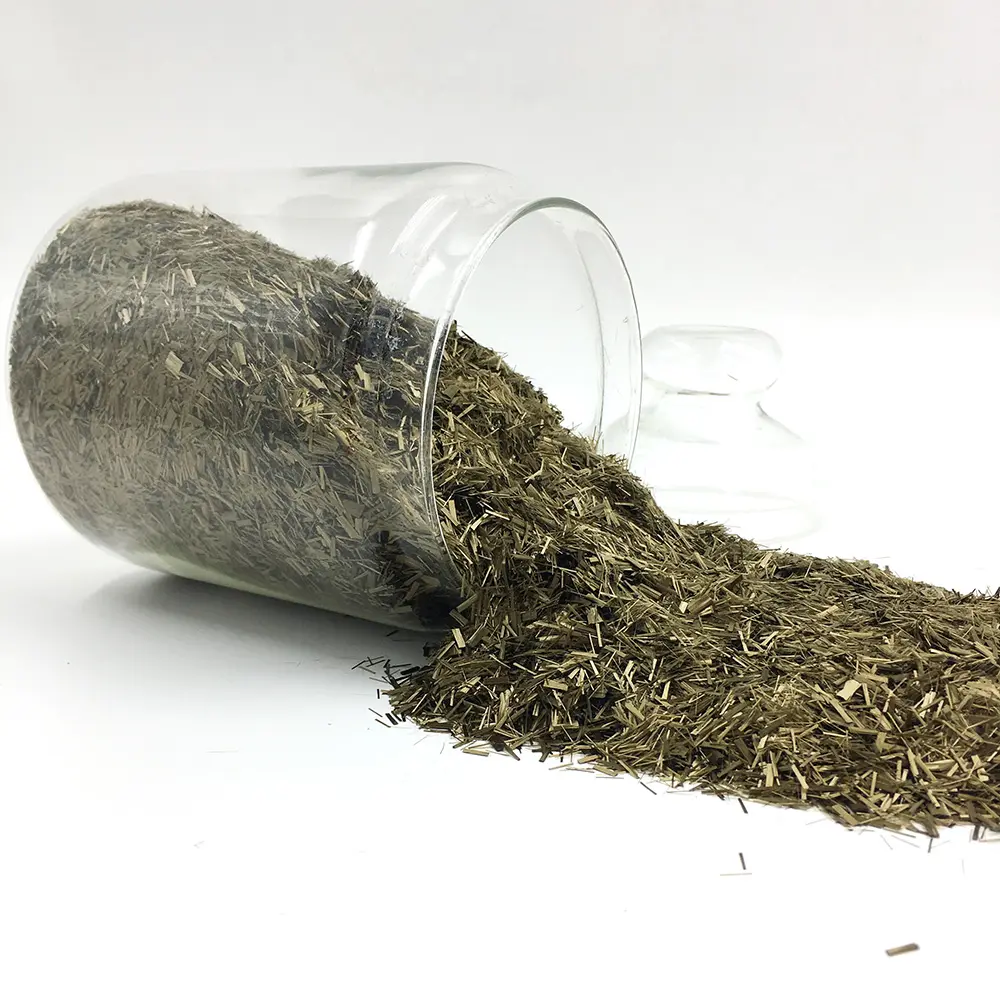
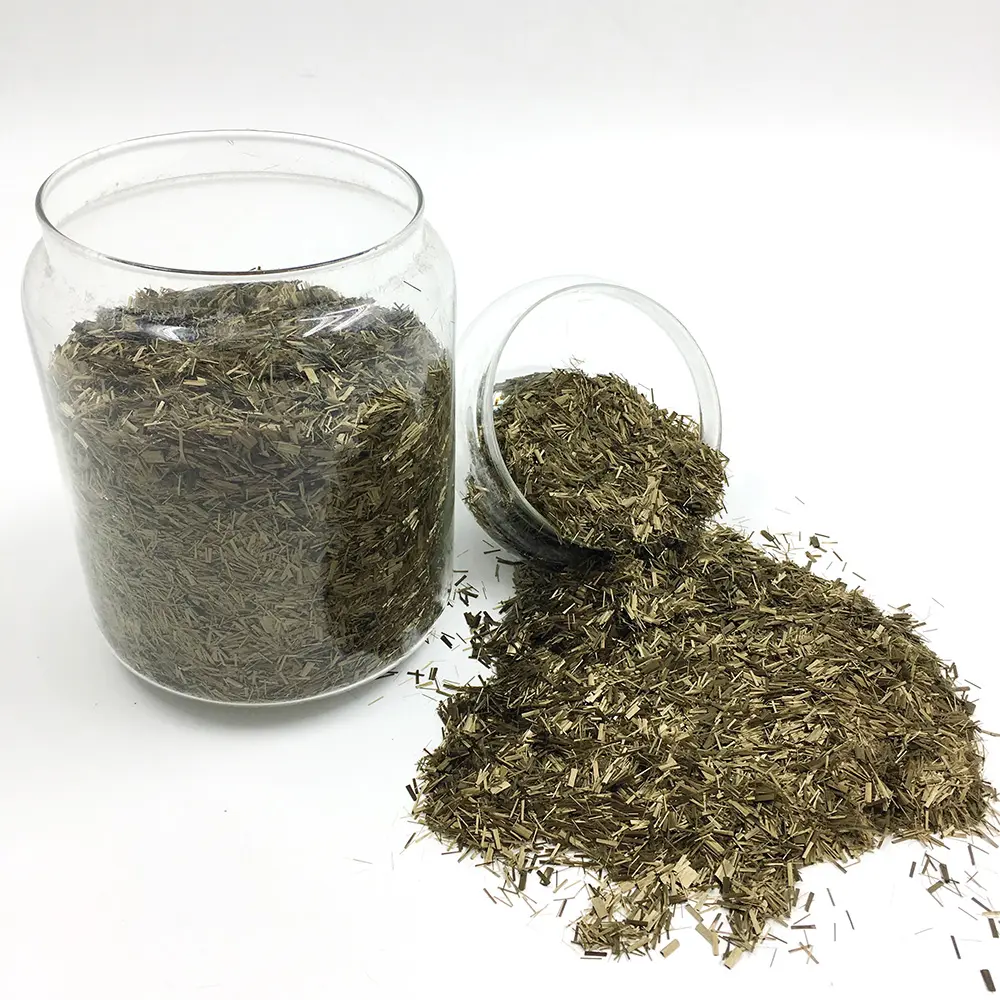
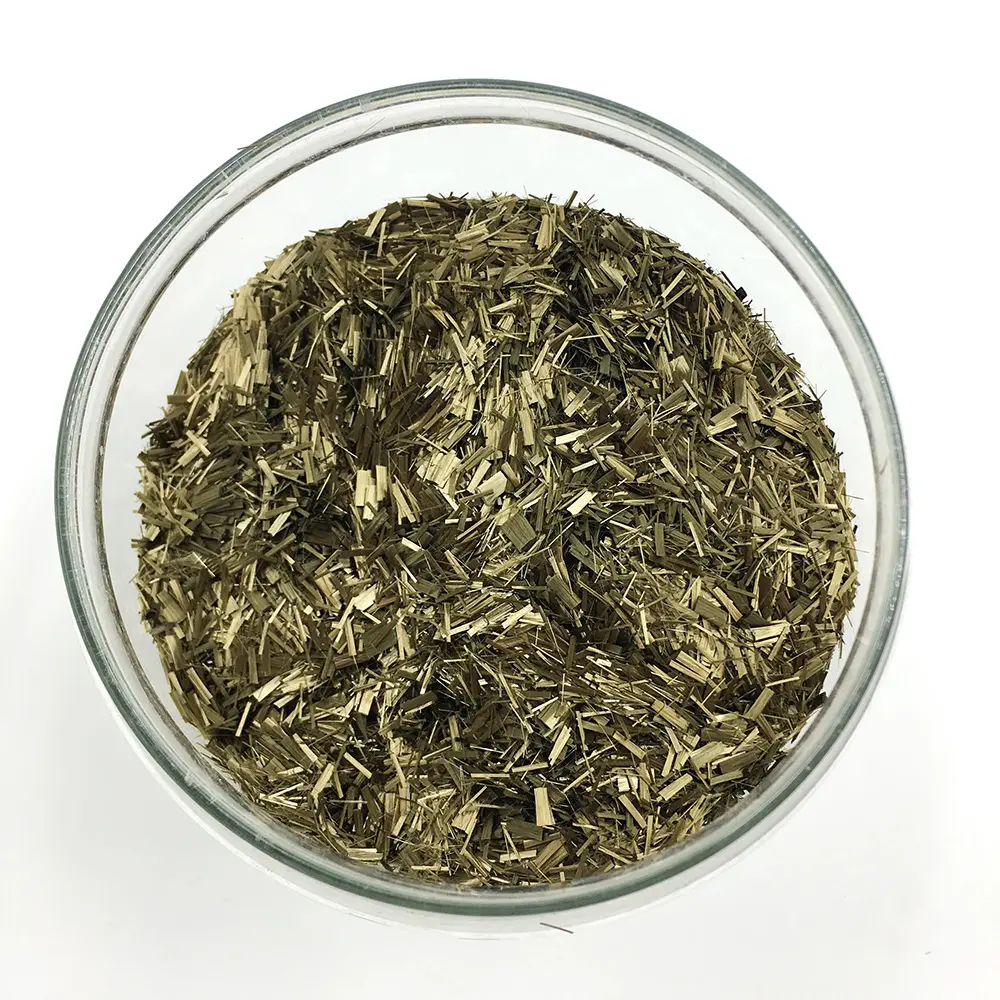
Basalt Fiber stands out for its high tensile strength, outstanding corrosion resistance (against acids and alkalis), stable performance in high-temperature environments, reliable electrical insulation, eco-friendly nature, and excellent dispersion in matrix materials.
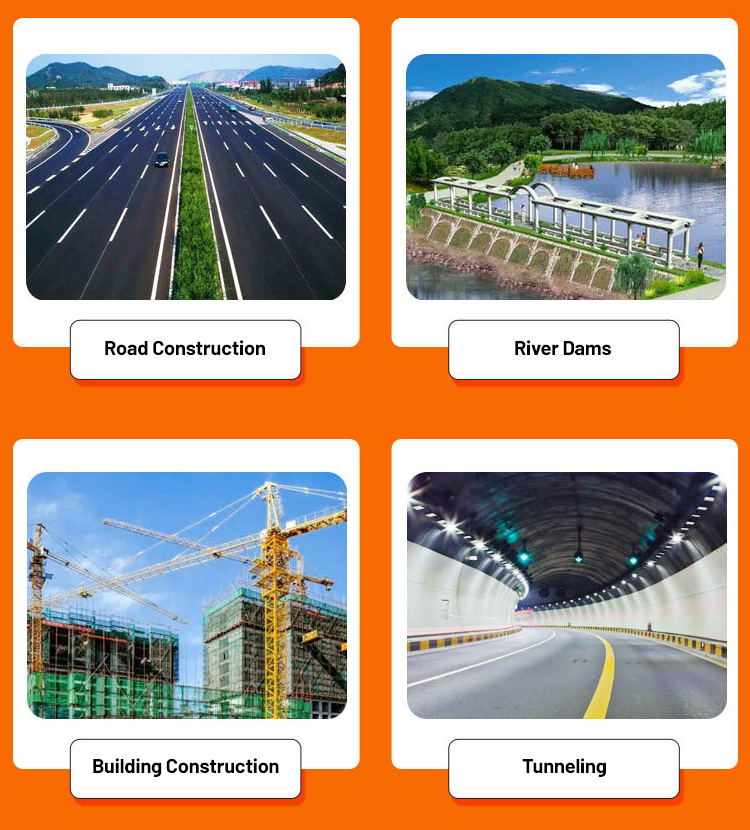
It is widely used in thermoplastic and thermosetting composite reinforcement, concrete reinforcement, automotive friction components like brake pads, thermal insulation materials (like fire blankets), filtration structures, and lightweight aerospace structural composites.
Yes. Because Basalt Fiber is manufactured directly from natural volcanic basalt rock, it is non-toxic, non-hazardous, and fully recyclable, making it an eco-friendly choice for sustainable manufacturing.
To preserve structural integrity and prevent moisture damage, Basalt Fiber must be stored in a dry, cool, and moisture-proof environment. Keep the fibers inside their original packaging until they are ready to be used.
The standard package has a length and width of 950 mm (37.4 in), a height of 1000 mm (39.4 in), and the package weight ranges between 900 to 1000 kg (1984 to 2205 lbs).
When mixed into concrete, the high tensile strength and uniform dispersion of the basalt fibers construct a supportive network that effectively prevents concrete cracking, resists heavy impacts, and improves overall structures' lifespan.