 Beihai Fiberglass
1 / 4
Wide range of temperature resistance: Long-term resistance from -260°C to 800°C, short-term resistance is even higher (melting point 1450°C), far exceeding ordinary glass fiber (E-glass).
Fireproof and heat insulation: No harmful gases are released under high temperature, suitable for fireproof boards, heat insulation layers of high temperature pipelines, etc.
Excellent acid and alkali resistance: Stable performance in acidic, humid, or salt spray environments, with a longer life than glass fiber (e.g., chemical storage tanks, marine facilities).
Anti-aging: UV resistance, good weather resistance, suitable for long-term outdoor use (e.g., wind turbine blades, building facades).
Strength close to S-glass fiber: Tensile strength 3000-4800 MPa, significantly improving the impact resistance of composite materials.
Lightweight: Density is only 2.6-2.8 g/cm³, lighter than metal, helping automobile and aviation parts to reduce weight.
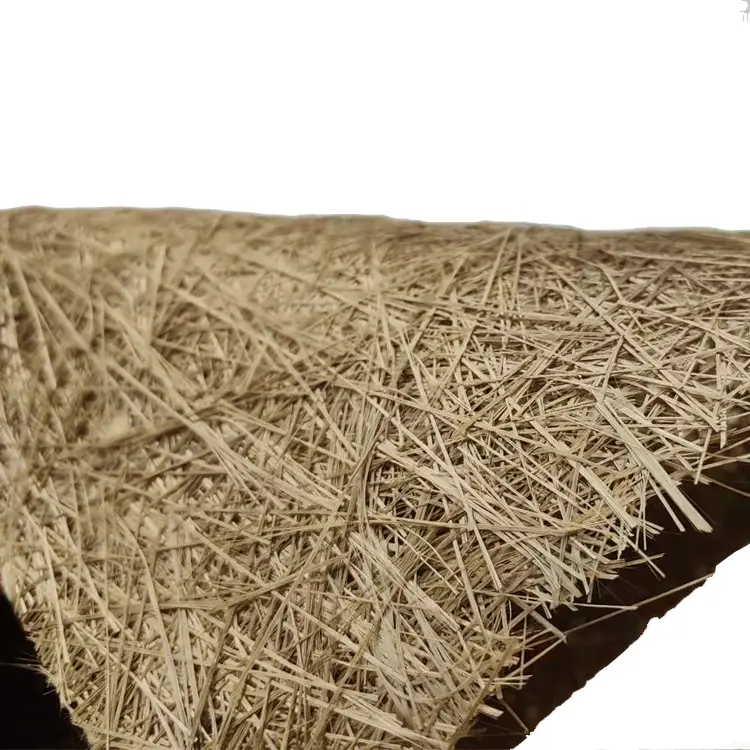
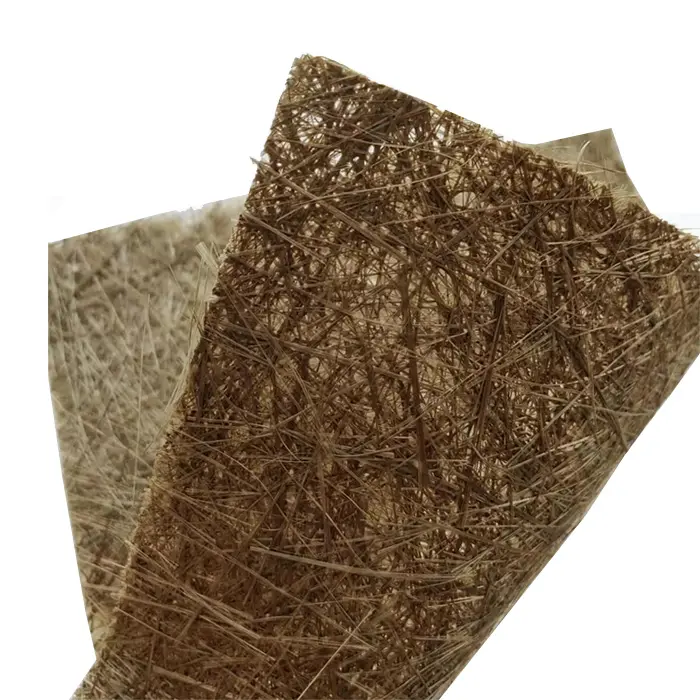
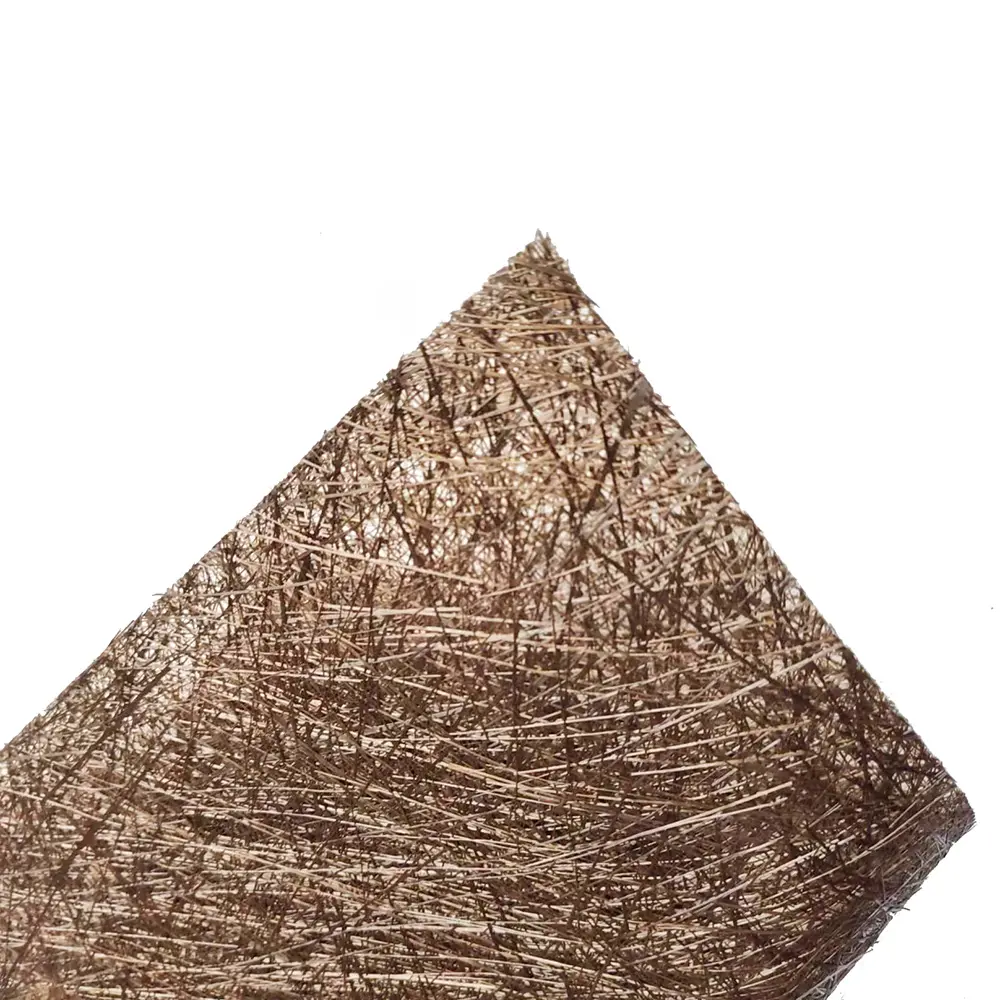
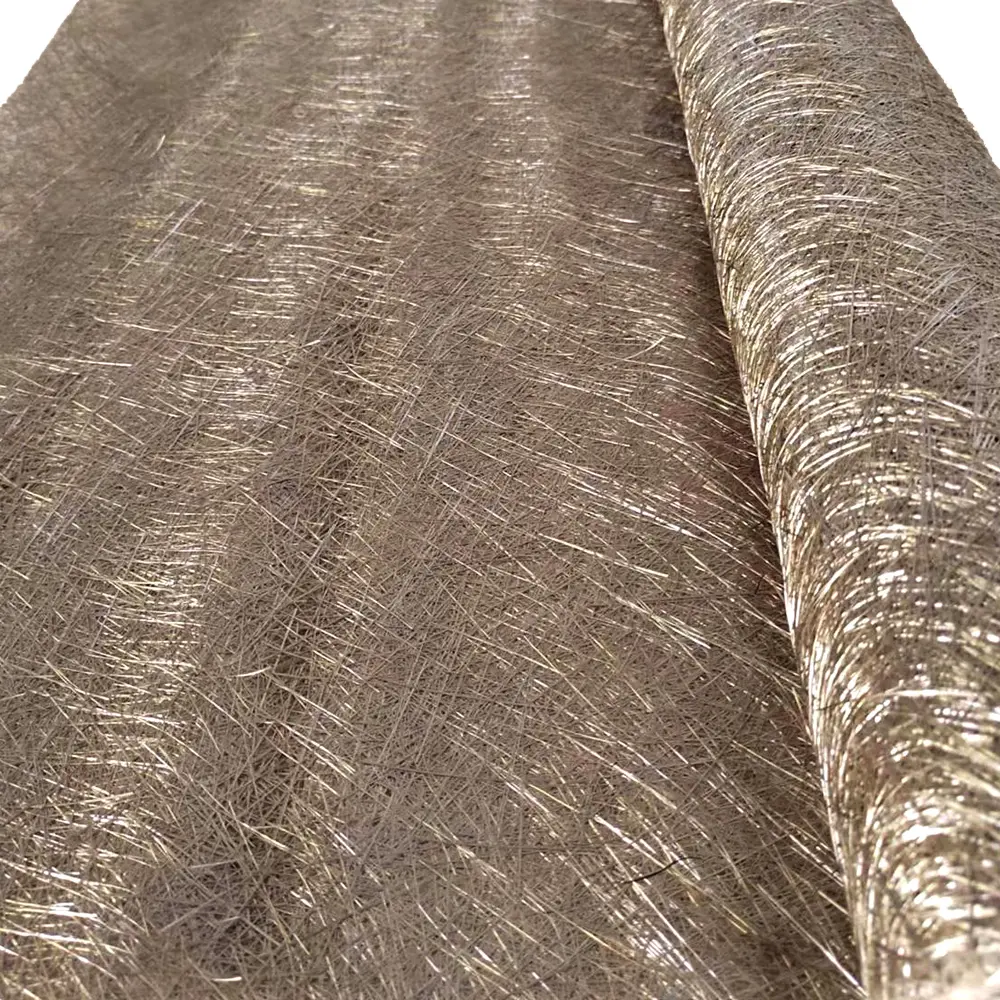
Uniform reinforcement: Short-cut fibers are randomly distributed, reducing material anisotropy and adapting to complex structures.
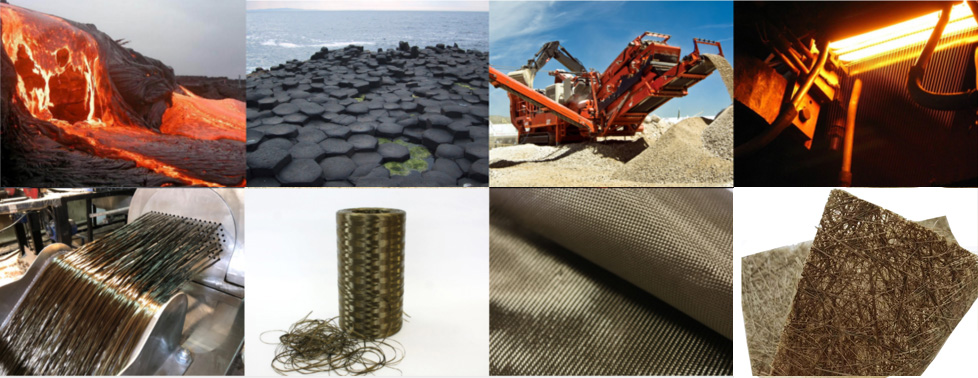
Green material: The raw material is natural basalt, containing no boron or other harmful substances. Low production energy consumption and fully recyclable.
Cost-effective: Better performance than glass fiber, lower cost than carbon fiber, and low comprehensive maintenance costs.
Easy processing: Good wettability with epoxy, polyester, and other resins. Supports hand lay-up, spraying, molding, and other forming processes.
Fast layup: Short-cut mat structure simplifies operation and improves production efficiency (e.g., ship and automobile parts manufacturing).
| Series of products | Sizing of agent | Areal Weight (g/m²) | Width (mm) | Combustible content (%) | Moisture content (%) |
|---|---|---|---|---|---|
| GB/T 9914.3 | - | GB/T 9914.2 | GB/T 9914.1 | ||
| BH-B300-1040 | Silane-plastic size | 300±30 | 1040±20 | 1.0-5.0 | 0.3 |
| BH-B450-1040 | 450±45 | 1040±20 | |||
| BH-B600-1040 | 600±40 | 1040±20 |
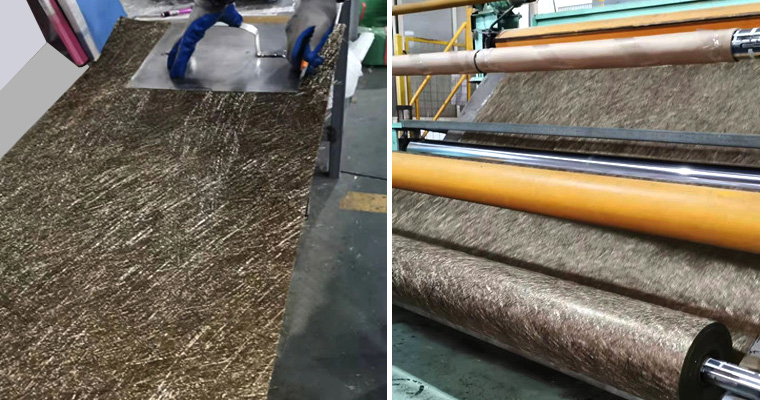
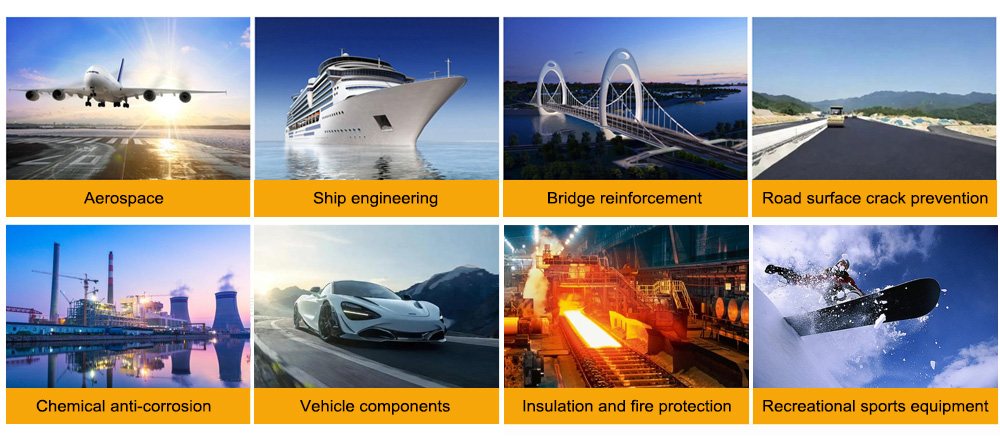
Basalt fiber chopped strand mat is employed for thermal insulation in high-temperature equipment and pipelines, such as furnaces, kilns, heat treatment equipment, and piping systems. It effectively reduces energy losses and enhances energy efficiency.
Basalt fiber chopped strand mat serves as an acoustic material to dampen noise and vibration, commonly used in automotive, marine, aerospace, and other demanding industries.
Used in building materials for thermal insulation, roof insulation, soundproofing, and other structural purposes, significantly improving the overall energy efficiency of modern buildings.
Commonly used as a reinforcement material in composite manufacturing. When combined with resins or other matrix materials, it produces high-performance composite materials used in aerospace, automotive, and marine industries.