 Beihai Fiberglass
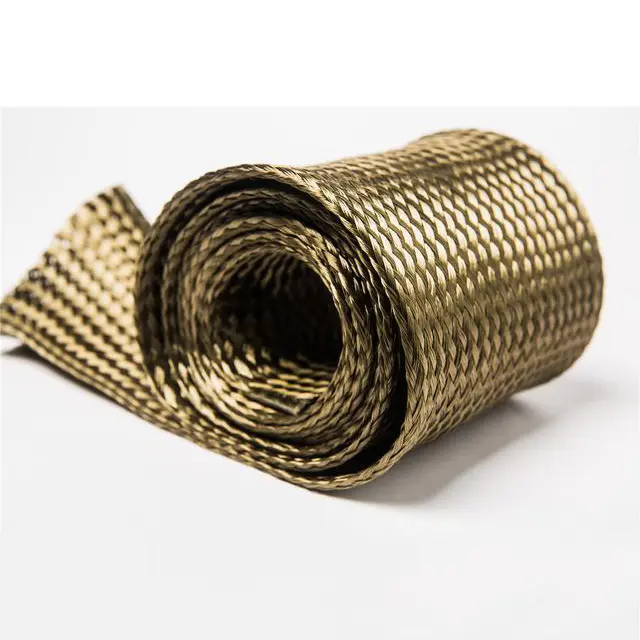
1 / 3
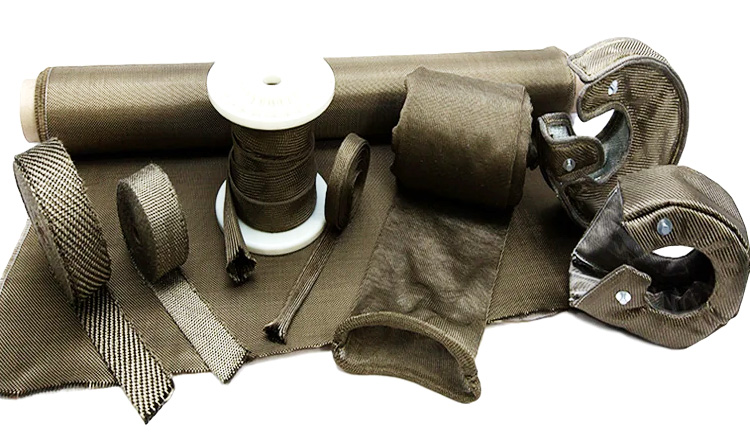
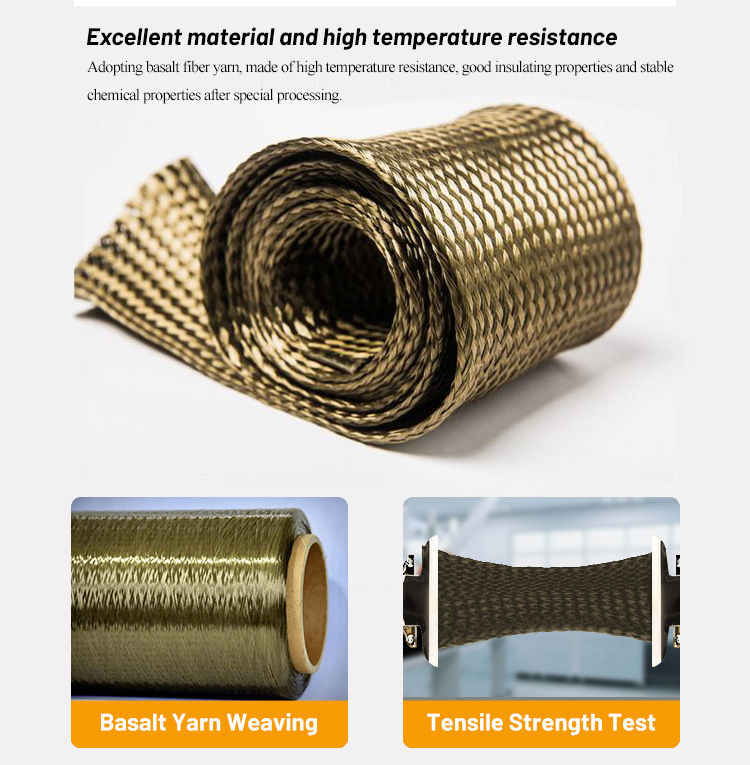
| Technical Datasheet | |
|---|---|
| Material | Basalt |
| Working temperature | -40℃ - +648℃ |
| Flammability | VW-1 |
| Melting point | +982℃ |
| Standard Color | Nature |
| Standard thickness | 1.5 mm |
| MOQ | 300 meter each size |
| Cutting tool | Scissors |
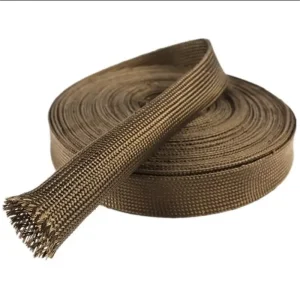
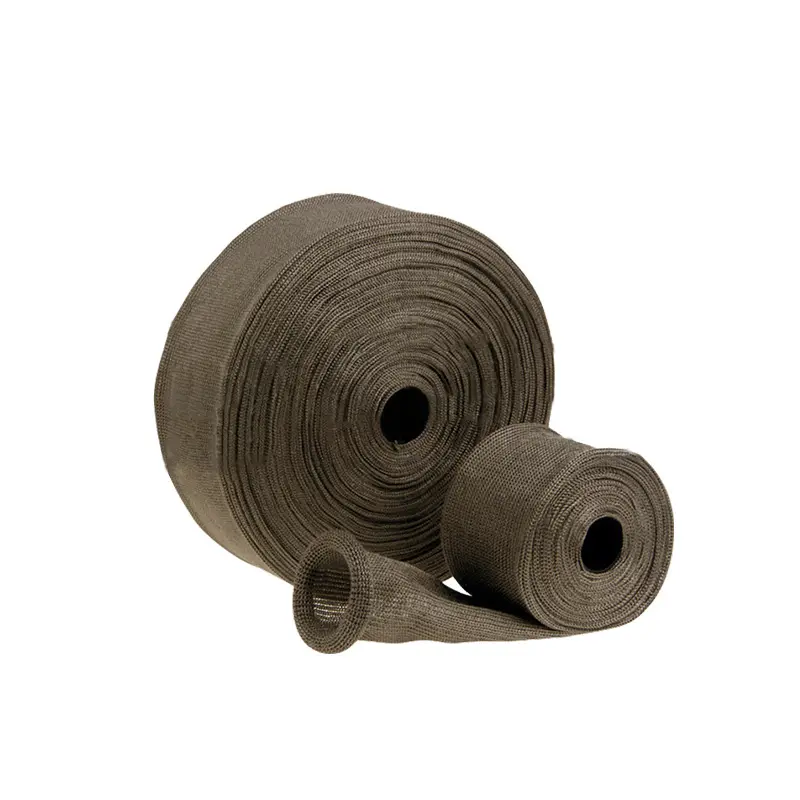
| Sleeves | |||
|---|---|---|---|
| Code | Diameter(mm) | Weight(g/m) | Roll Length(m) |
| BHS-40 | 40 | 70 | 40 |
| BHS-60 | 60 | 145 | 40 |
| BHS-70 | 70 | 160 | 30 |
| BHS-100 | 100 | 225 | 30 |
| BHS-120 | 120 | 245 | 30 |
| BHS-150 | 150 | 300 | 25 |
| BHS-200 | 200 | 390 | 25 |
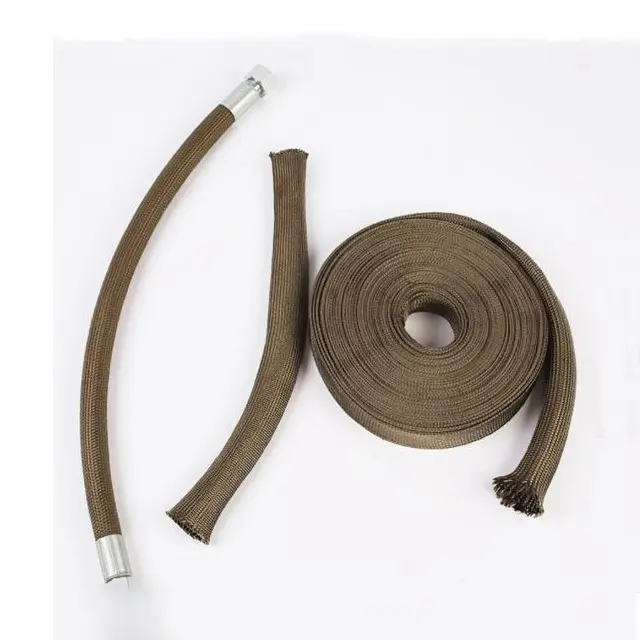
| Tapes | |||
| Code | Diameter(mm) | Weight(g/m) | Roll Length(m) |
| BHT-25 | 25 | 400-430 | 100-300 |
| BHT-50 | 50 | ||
| BHT-75 | 75 | ||
| BHT-100 | 100 | ||
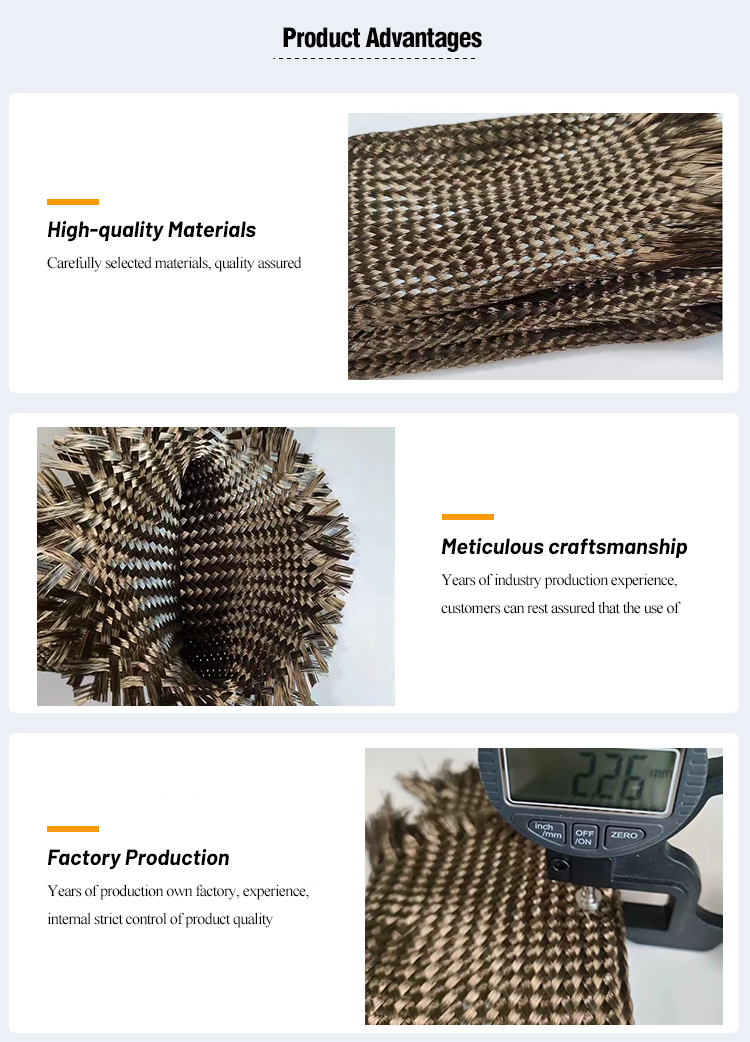

Basalt sleeves have a wide working temperature range from -260°C to +800°C, with instantaneous temperature resistance reaching up to 1000°C or more.
Yes, basalt products exhibit excellent chemical stability, providing high resistance to acid and alkali corrosion, as well as UV aging.
Basalt fiber offers higher tensile strength and better abrasion resistance compared to standard E-glass fiber and even steel in specific applications.
Absolutely. They possess excellent electrical insulation performance, making them ideal for protecting wiring harnesses and electrical equipment.
Yes, the raw material is natural basalt rock. The production process does not involve harmful substances, and the material is fully recyclable.
Standard heavy-duty scissors are sufficient for cutting basalt sleeves and tapes to the desired length.